
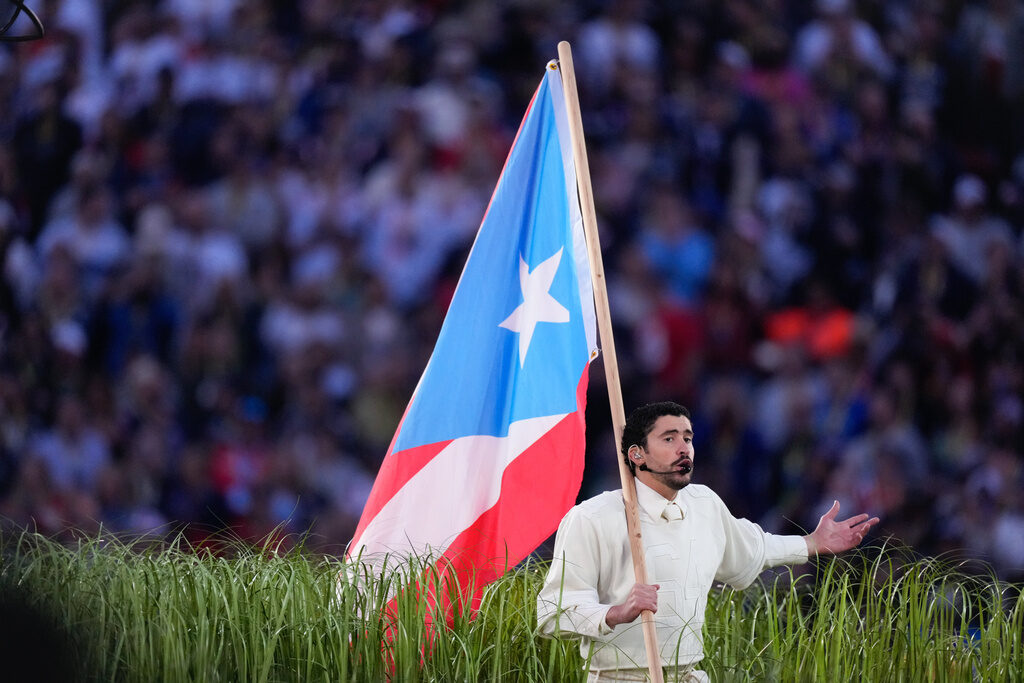
If you were one of the 128.2 million viewers that tuned in to watch Bad Bunny’s Super Bowl LX halftime show on Feb. 8, 2026, you were a part of a specific Puerto Rican moment typically unique to those that reside in the island country. Dubbed the “Benito Bowl,” the 13-minute show was a masterful homage to a colonized country that refuses to assimilate fully into the United States.
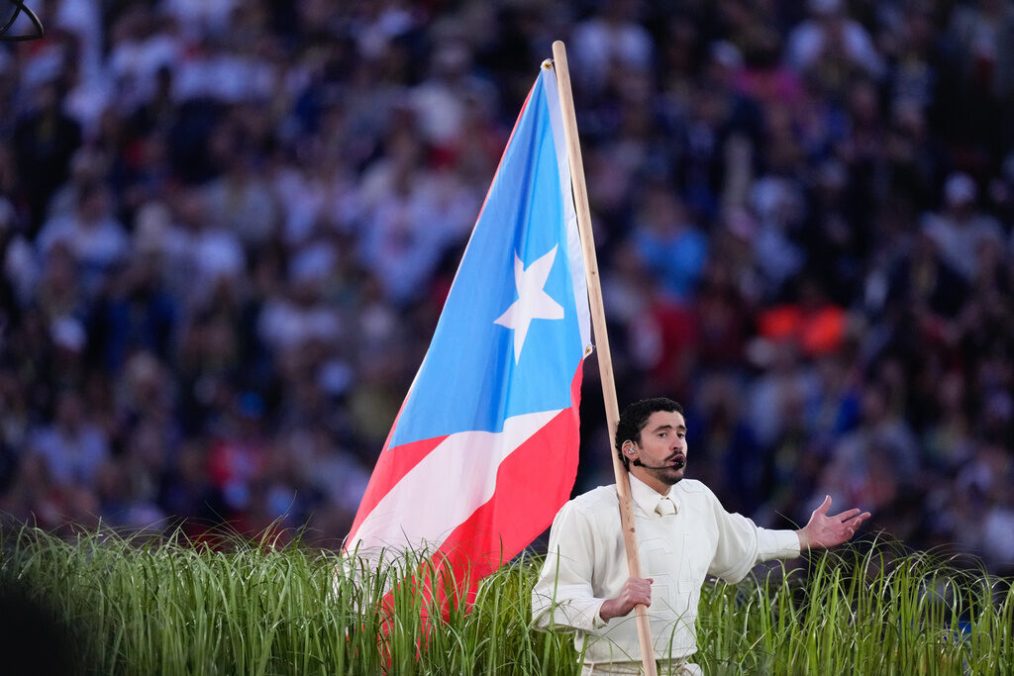
The halftime show touched many on a personal level, but no more so than every person of Puerto Rican descent that lives in the U.S., including members of The Culture Collective team. Whether watching with friends, their children, or alone, the team got a chance to experience something that transcended borders. Nadya, Damian, Steviie, Vanessa, and Tanya reflected on what Benito Antonio Martínez Ocasio’s groundbreaking and history-making performance meant to them.
More than just a halftime show
In a time when “the world right now feels like it’s in a really negative place, especially toward the Latino community,” Steviie said, a single performance became a powerful catalyst for unity and cultural reclamation. For the team, the halftime show functioned as “a history lesson and a love letter to the island,” providing what Vanessa described as “a subtle act of resistance through the lens of love and joy” that finally allowed Puerto Ricans to feel their distinct identity was truly understood. This sense of visibility resonated with everybody; Nadya observed that “the deeper messages were so significant… not just to the islanders but the entire diaspora, including the ‘No Sabo kids,’” serving as a defiant reminder that “we are here, we are from here, we belong here, and we also represent the U.S.”
The impact extended beyond cultural pride to a broader idea of national identity. Damian suggested that “given the current state of human dynamics in this country, it showed that Americans come from all walks of life” and served to “remind the world what the U.S.A. is supposed to stand for.” Ultimately, the moment transcended politics to touch on the spiritual and the universal.
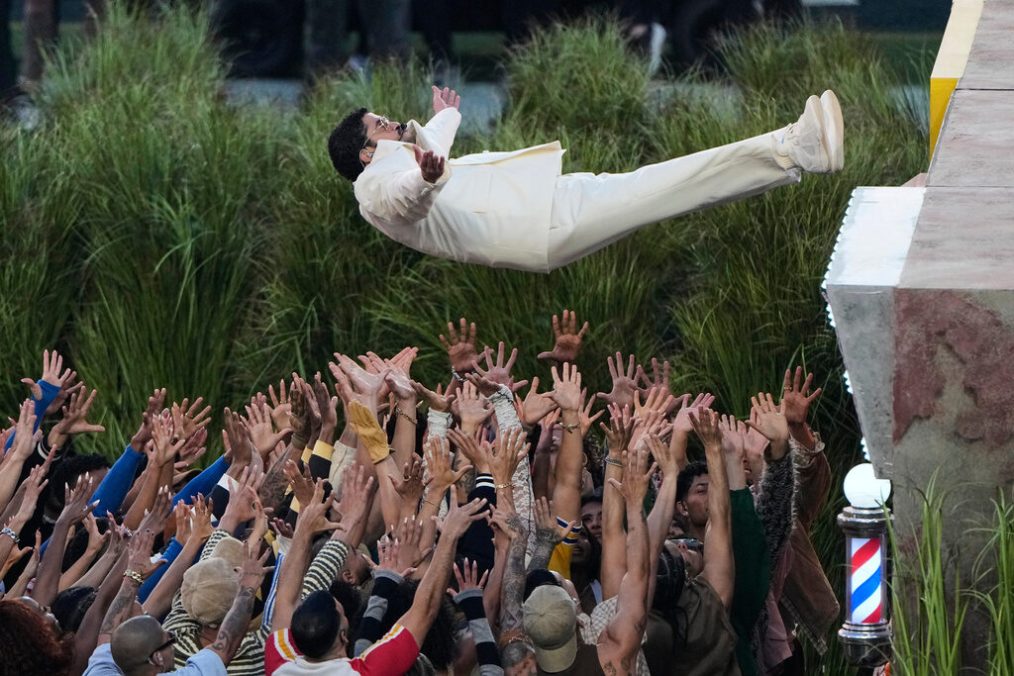
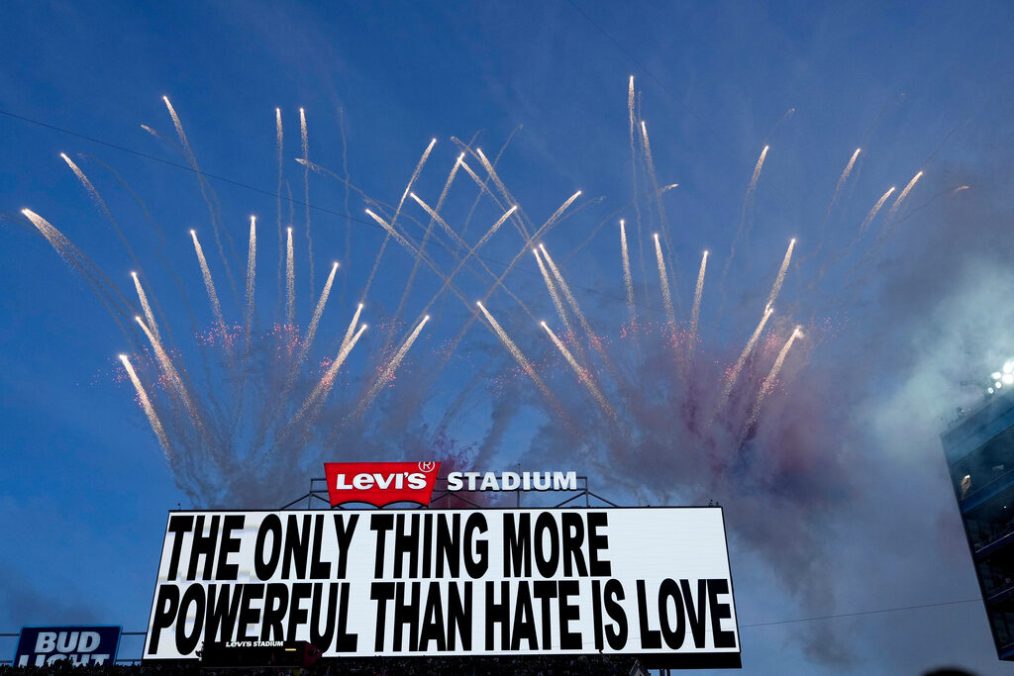
Steviie emphasized that the intent “was about showing love for people from all countries and just having the overall message be about love and not hate.” A sentiment echoed by Tanya, who saw the performance as a divine appointment: “When God chooses someone and places them in front of an entire nation to bring love and joy to humanity during a moment of political and human crisis … I feel immense pride, joy, and I am reminded that love truly does win.”
Connecting at different cultural levels
While the entire halftime show was a feast for the eyes and ears, there were moments, performances, and songs that captured the team in a way no other show has. In Tanya’s opinion, Benito’s performance was a profound celebration of identity, noting that “what moved me most was seeing our culture shown in its fullness: our businesses, our music, our dance, our language, and our resilience through every struggle thrown our way.” This sense of unity was reiterated by Damian, who felt the “performance and messaging [stood out], which is bigger than just a show or game in bringing a modicum of hope and connectivity to all in attendance.”
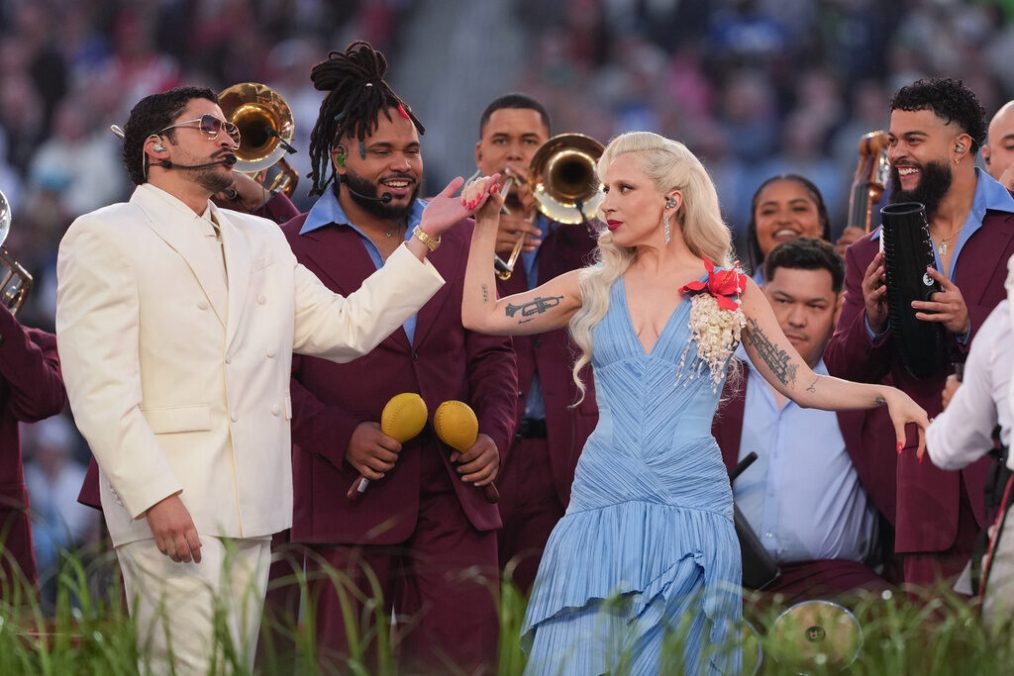
The setlist and surprise guest appearances further broke down barriers, as Steviie marveled at Lady Gaga’s salsa rendition of “Die With A Smile,” proving that “music does not have a language” while centering the theme of love.
It was deeply personal in many aspects; Nadya highlighted the significance of seeing “different Latino and Caribbean representations” and the appearance of Toñita, a “huge” moment for Nuyoricans given her club’s status as an iconic Puerto Rican staple in New York.
Even more resounding, the show’s insistence on the concept that America isn’t just exclusive to the United States. Vanessa found the “DeBÍ TiRAR MáS FOToS” finale to be one of the most “striking moments,” vibrating with the energy of “every flag raised” from every Latin American country and the exuberant happiness and unity on display. More importantly, she praised the intentional inclusion of Afro-Puerto Ricans, because while many often “erase Boris of African descent,” Benito ensured they were seen and celebrated in the spotlight. While this was the end of the halftime show, Bad Bunny’s dancers and musicians kept the party going outside Levi’s Stadium, in the streets in true fiesta fashion.
Puerto Rico’s global spotlight
Serving as a powerful bridge between heritage and the world stage, the show offered a visual and emotional homecoming for many viewers. Tanya mentions that the performance was an affirmation of identity and citizenship; “Seeing a Puerto Rican stand proudly on the world stage, speaking our language and honoring our culture in its full light, fills up my heart and keeps the heart flame going.” She emphasized a spirit of communal uplift, saying that “we pull each other up, one by one,” and concluding with a firm reminder of belonging: “We are Americans.”
This sense of visibility was mirrored in the intricate details of the stage design, which resonated deeply with most of the team. Beyond the excitement of seeing a favorite artist, Steviie found profound meaning in the “symbolism in showing different parts of Puerto Rico,” ranging from “sugarcane fields, domino tables, [and] kids sleeping on chairs” to the more sobering “power lines that point to the power grid crisis in Puerto Rico.”
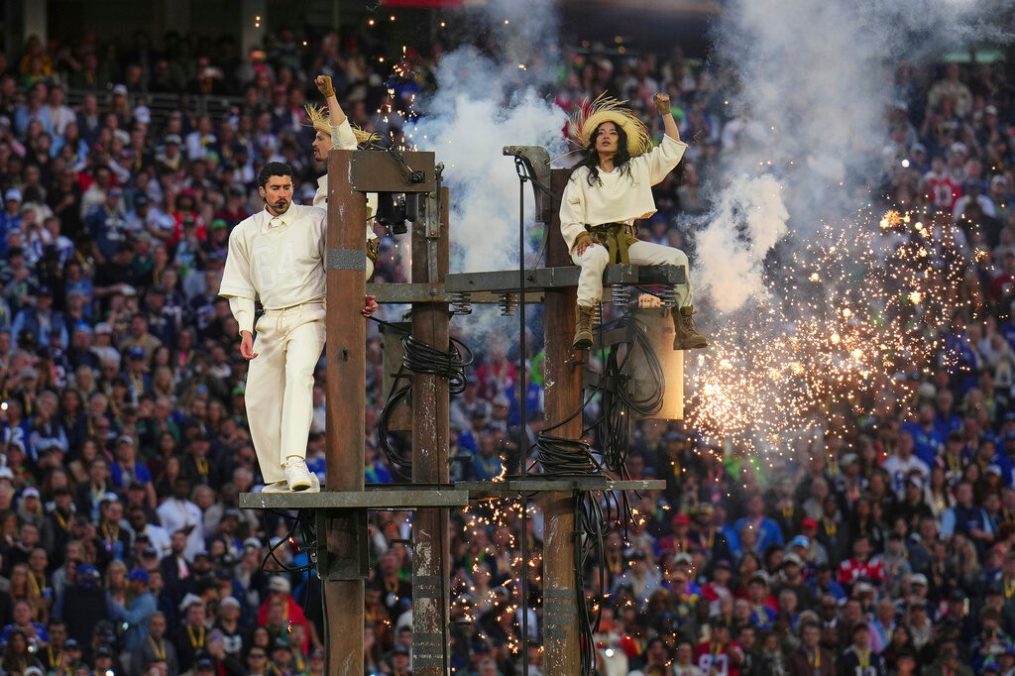
Ultimately, the show’s reach extended even to those seeking a lost connection to their roots; affecting Damian on a personal level, he shared that as someone “not deeply rooted” in his lineage, the performance allowed him to “finally experience what my father had wanted me to feel.”
Final thoughts
All in all, Bad Bunny’s performance was validating for most Puerto Ricans; it was about time the island country got recognized outside of a handful of celebrities. Vanessa mentioned seeing Benito’s show was a moment of overdue affirmation; it was a vibrant tapestry of music, dancing, and community that finally allowed Boricuas to feel truly seen by the world. This sentiment echoed through Steviie, who watched the Puerto Rican superstar and saw a testament to persistence; a journey from small Bronx venues to a global platform that proved Latino dreams can come true.
Unlike the “Latin Explosion” of decades past, Nadya noted, where icons had to pivot toward English-language pop to find success, Bad Bunny’s performance signaled a new era where Latino artists no longer have to “cross over” to dominate; they simply arrive as the biggest stars on the planet. Meanwhile, Damian looked toward the future, seeing the night as a torch passed to a new generation, a reminder that through the lens of art, even the narrowest minds might begin to see the world as one family.
Music connects everyone and there’s no bigger stage for that connection than the Super Bowl halftime show. Together, we are America.

Publishing articles on film, television, and pop culture articles inclusive entertainment