



After a record-shattering debut, Beast Games returns for a second season with no intention of dialing anything back. If anything, Season Two doubles down on scale, volume, and ambition, embracing its reputation as one of the loudest, most aggressive competition series in modern streaming. Premiering on Prime Video, the new season immediately makes it clear that this is not a traditional reality show and has no interest in becoming one.
Season Two launches with a simple but explosive premise. One hundred of the world’s strongest competitors face off against one hundred of the world’s smartest minds, all battling for a staggering five-million-dollar prize. From that starting point, the series builds outward into something far more chaotic, strategic, and psychologically punishing than its already unhinged first season. Alliances form quickly, trust dissolves even faster, and the idea of a “fair” competition feels increasingly irrelevant as the games evolve.
A Faster, Meaner Evolution of the Format

The most noticeable shift in Season Two is how quickly the show moves. There is very little hand-holding for either contestants or viewers. Challenges arrive at a relentless pace, eliminations happen in bulk, and the series rarely pauses long enough for audiences to fully process what just happened before moving on to the next twist. That impatience is part of the show’s identity. Beast Games thrives on momentum, not reflection.
Returning viewers will immediately recognize how much the show has learned from Season One. Contestants certainly have. Strategy now plays a larger role, especially among players who understand that brute strength or intelligence alone is rarely enough to survive. The presence of returning contestants from the first season adds an extra layer of tension including Season 1 winner Jeff Allen, as reputations follow them into Beast City and influence early alliance-building in subtle but meaningful ways.
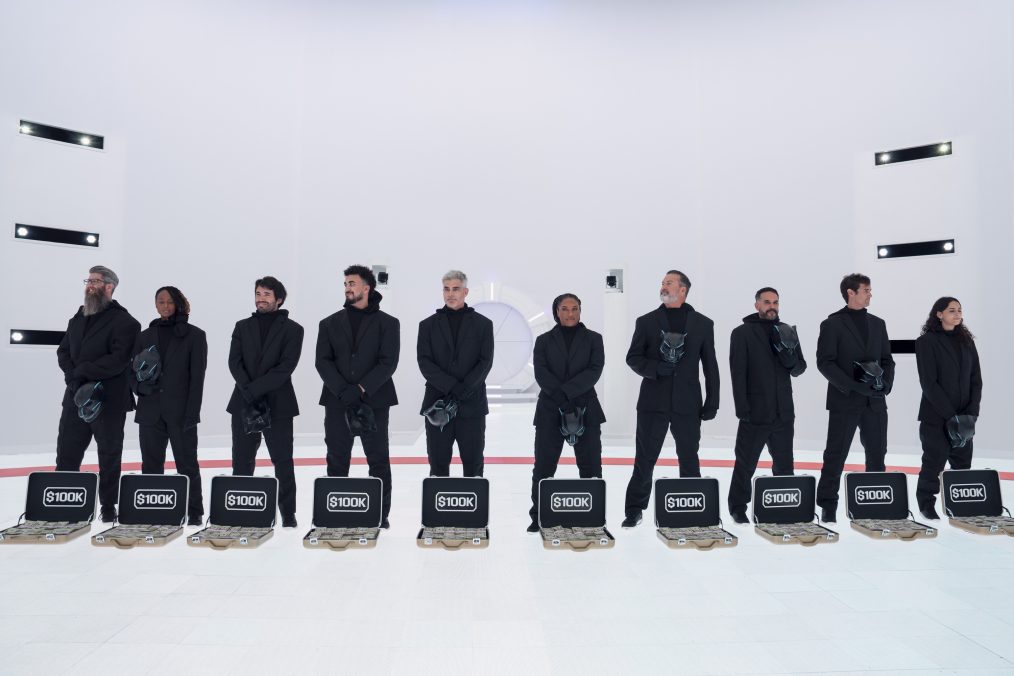
That said, the season’s structure is intentionally destabilizing. Just when players begin to settle into a rhythm, the rules change, bribes appear, or opportunities arise that completely rewrite the stakes. Winning money is no longer limited to the final prize. Cash can come from unexpected directions, at unexpected times, rewarding those willing to gamble morally, socially, or strategically.
MrBeast as Ringmaster, Not Just Host
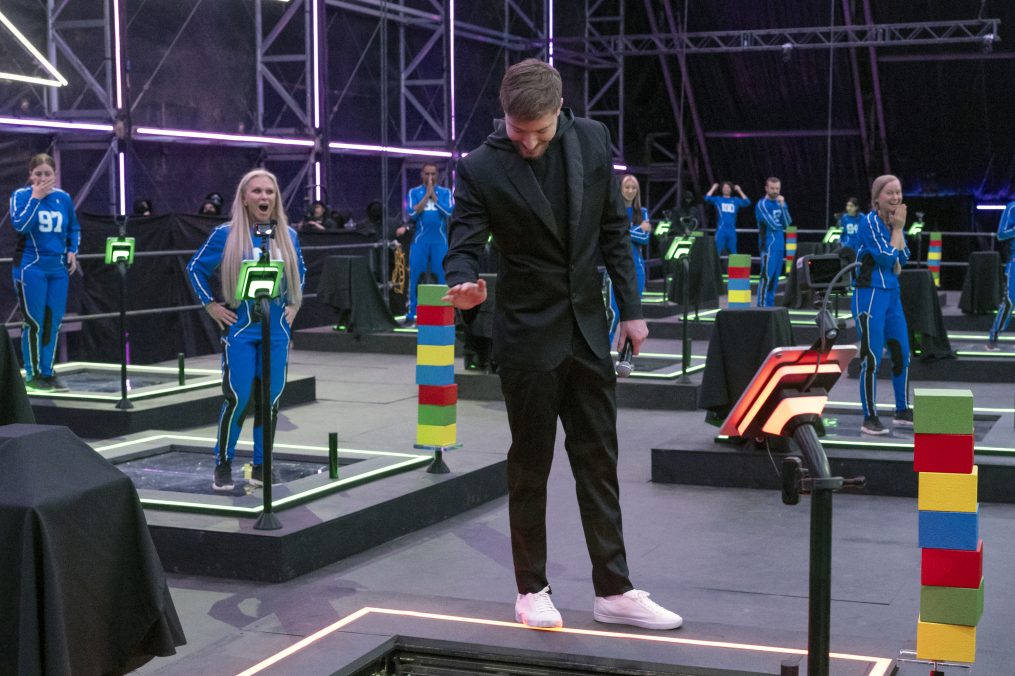
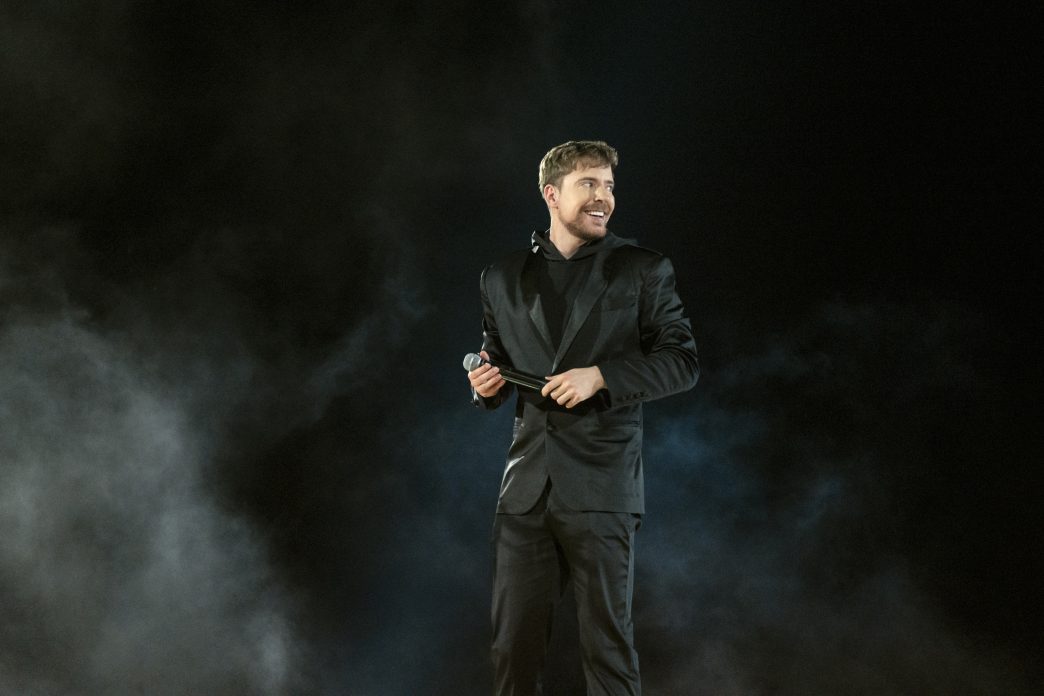
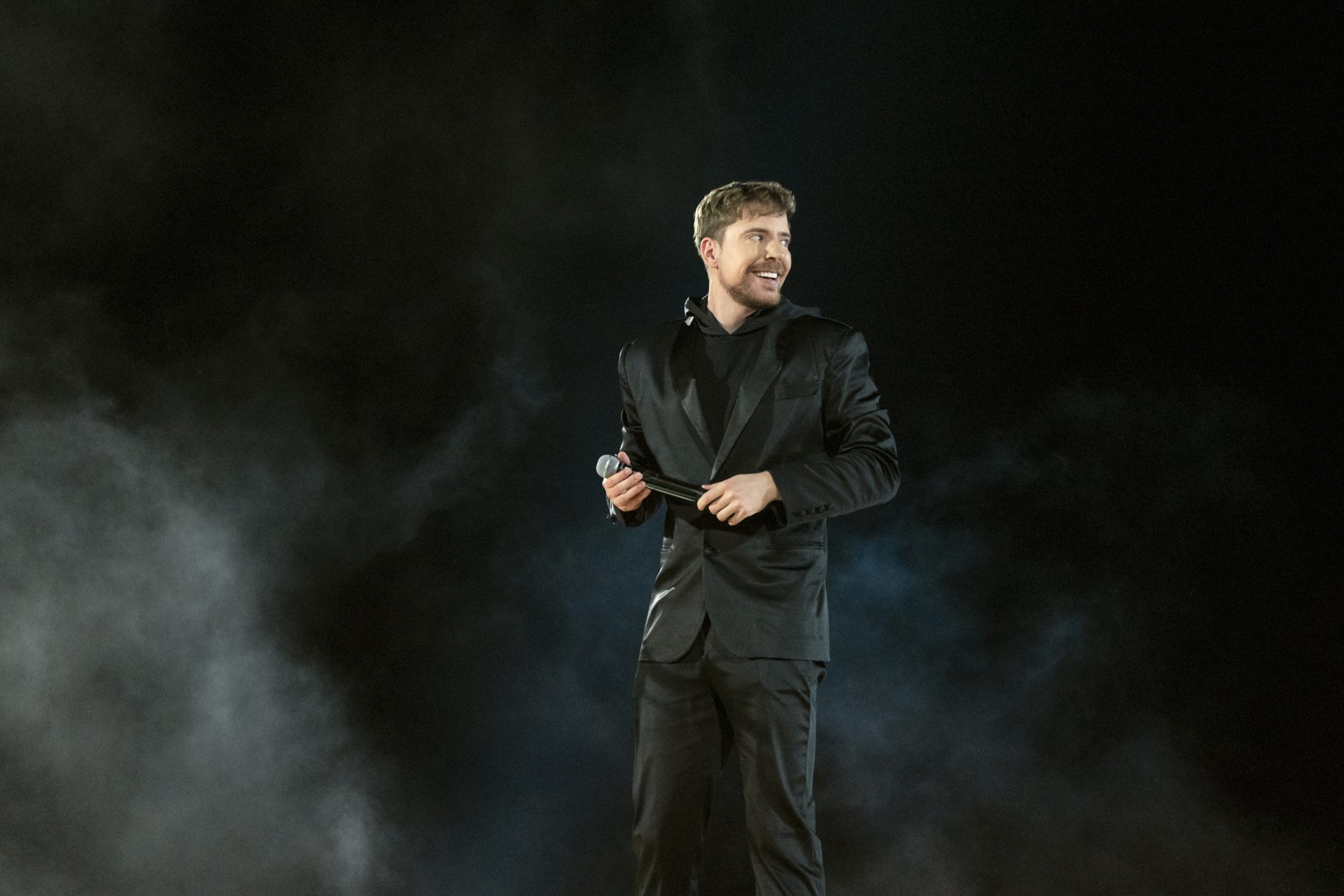
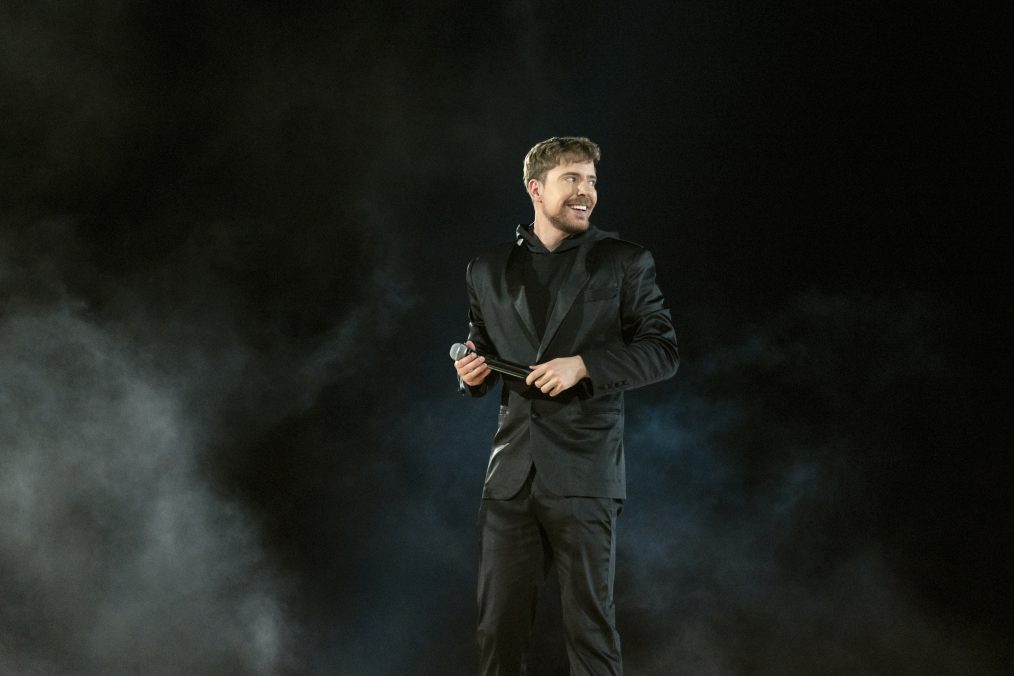
At the center of all this controlled chaos is Jimmy Donaldson, who once again serves as host, executive producer, and the unmistakable gravitational force of the series. Donaldson does not present Beast Games as a neutral observer. He operates as a high-energy, demanding ringmaster, encouraging contestants one moment and pushing them toward uncomfortable psychological pressure the next.
His presence is polarizing by design. The show embraces his personality rather than tempering it, leaning fully into the spectacle, the shouting, the hyperbole, and the relentless escalation. For fans of MrBeast’s content, this will feel familiar and satisfying. For others, the constant intensity may border on overwhelming. Beast Games does not attempt to win over skeptics by softening its edges. Instead, it dares viewers to either match its energy or tap out.
Season Two also makes no effort to hide its commercial side. Brand integrations, sponsorships, and promotional beats are baked directly into the experience. At times, the advertising blends seamlessly into the gameplay. At others, it is unmistakably loud. This is part of the show’s DNA, and while it may frustrate some viewers, it is also inseparable from how Beast Games funds its unprecedented scale.
Spectacle, Strategy, and the Cost of Attention
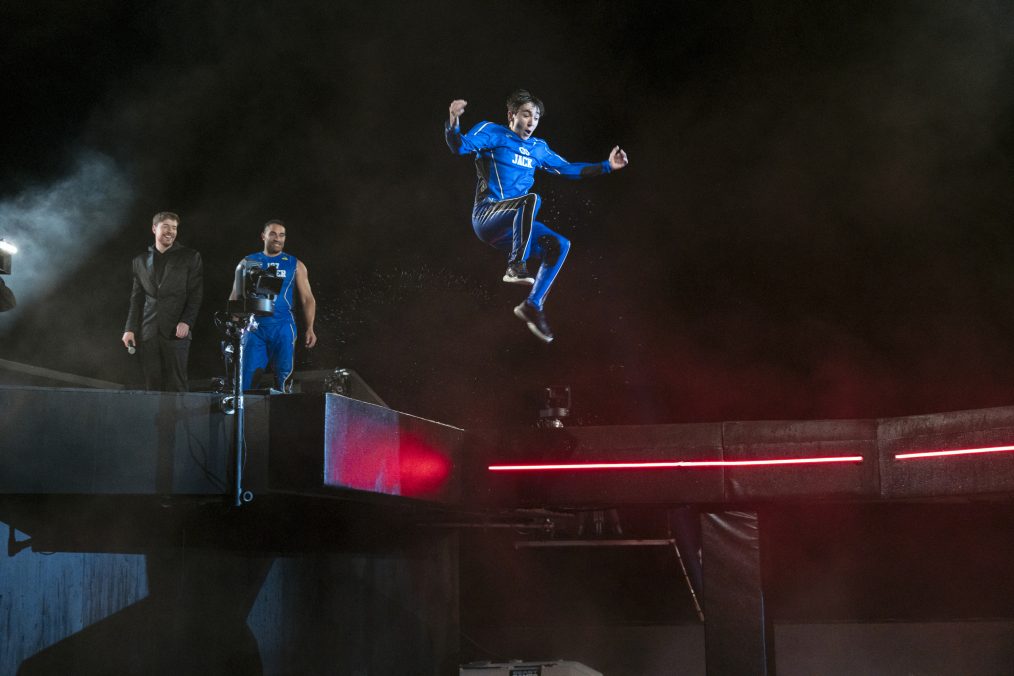
Visually, Season Two is a step up across the board. Beast City has expanded, challenges are larger and more elaborate, and the production design reinforces the feeling that this is a competition built for excess. The series also begins to break free from a single location, hinting at a more global scope as the season unfolds, which adds variety and keeps the format from feeling stagnant.
Narratively, the season walks a fine line. The constant movement and split storylines can occasionally make it difficult to emotionally invest in individual contestants, especially early on. The show often prioritizes the mechanics of the game over personal backstories, which may leave some viewers craving deeper character connections. However, for those who appreciate high-concept competition over intimate storytelling, the tradeoff feels intentional rather than accidental.
What Beast Games does exceptionally well is lean into its absurdity. The show understands that it is excessive, that it is loud, and that it is operating at a scale few others can match. Rather than apologizing for that, it weaponizes it.
Final Thoughts
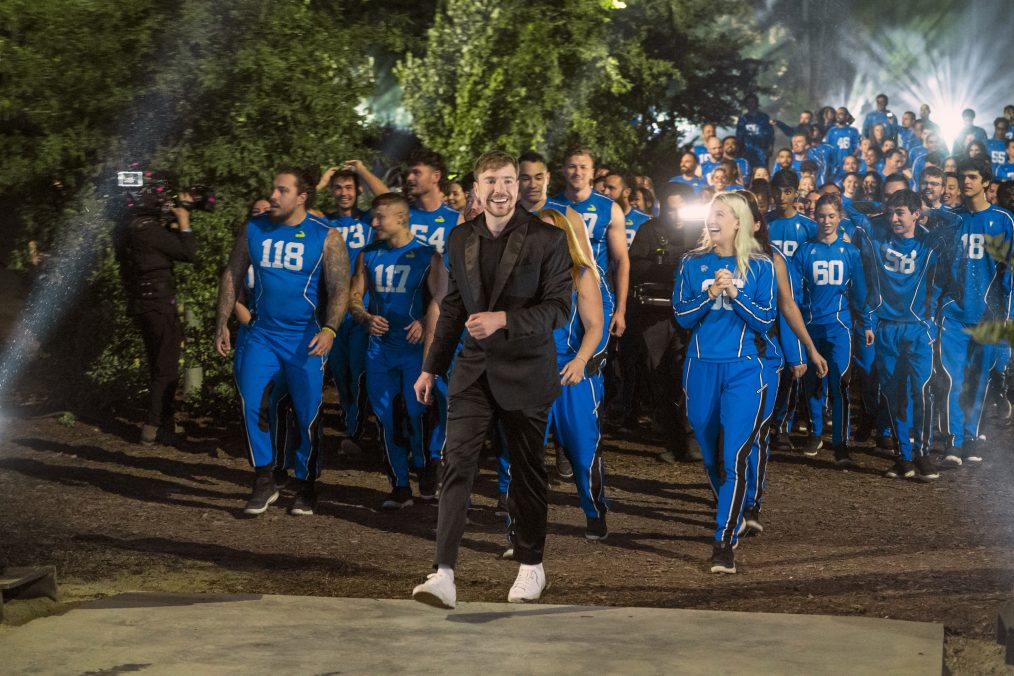
Season Two of Beast Games is bigger, faster, and more aggressive than its predecessor. It refines the chaos rather than taming it, delivering a competition series that feels less like traditional reality television and more like a live-action stress test for ambition, greed, and endurance. This will not be everyone’s cup of tea. Some viewers will find the volume, spectacle, and manipulation exhilarating. Others will find it exhausting.
But one thing is undeniable. There is no other competition show quite like Beast Games, and there is no other figure in the space quite like MrBeast. Whether you love it or bounce off it entirely, the series knows exactly what it is, and it commits to that vision without hesitation.
Beast Games Season Two premieres January 7 on Prime Video, with three episodes at launch and new episodes streaming weekly on Wednesdays, leading up to the season finale on February 25.

Editor-in-Chief | Owner
I’m a dedicated aficionado of all things movies, pop culture, and entertainment. With a passion for storytelling and a love for the silver screen, I’m constantly immersed in the world of cinema, exploring new releases, classics, and hidden gems alike. As a fervent advocate for the power of film to inspire, entertain, and provoke thought, I enjoy sharing my insights, reviews, and recommendations with fellow enthusiasts.