


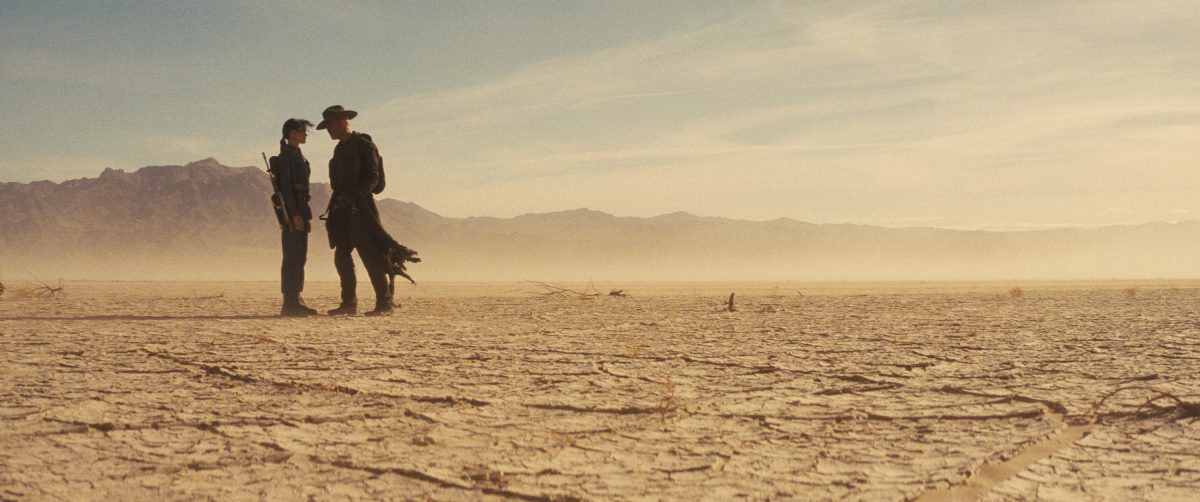
Prime Video’s Fallout returns for Season Two with confidence, ambition, and a willingness to expand its already massive post-apocalyptic playground. Picking up directly after the explosive finale of Season One, the series pushes deeper into the Mojave wasteland and flirts with the mythos of New Vegas, raising the stakes both narratively and visually. While the season often dazzles with scale, production design, and world-building, it also struggles at times with momentum and cohesion, making this sophomore outing a compelling but occasionally uneven follow-up.
Based on one of the most beloved video game franchises of all time, Fallout continues to balance the story of the privileged underground with the brutal reality of the irradiated surface. Two hundred years after nuclear devastation, the show remains fascinated by the divide between comfort and survival, morality and compromise, and how quickly ideals collapse when tested by violence and scarcity.
A World That Keeps Expanding
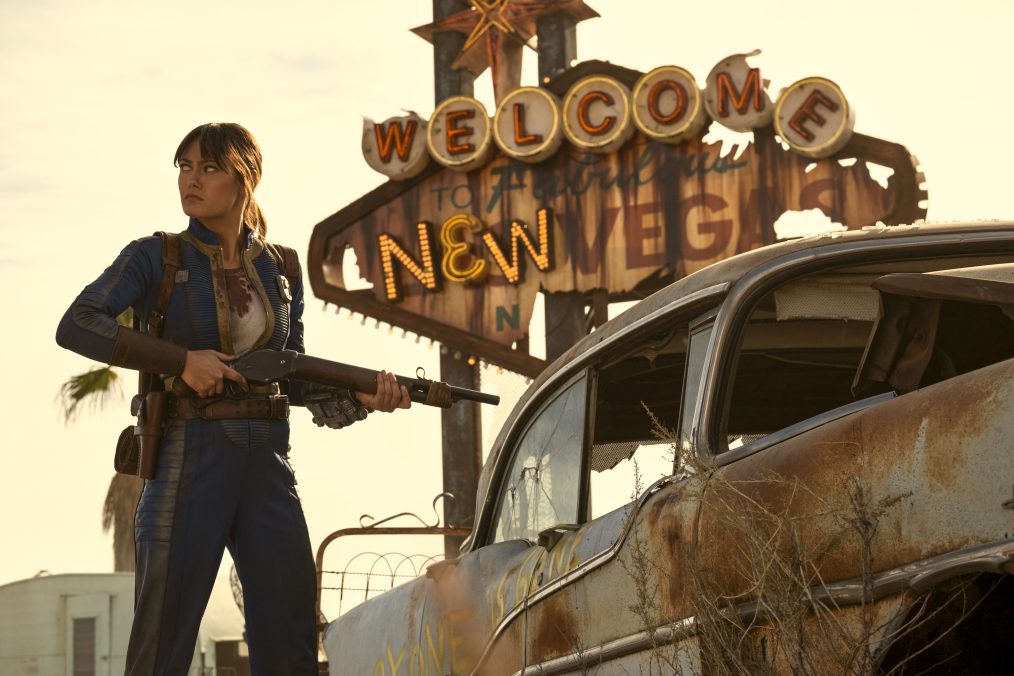
Season Two wastes no time widening its scope. The wasteland feels larger, more dangerous, and more alive than ever before. The production design is outstanding, and the practical effects, prosthetics, and special-effects makeup elevate the series into something tactile and grounded rather than purely digital. Mutated creatures, decaying infrastructure, and lived-in environments make the world feel ripped straight from the game while still functioning as prestige television.
Cinematography continues to impress, with frequent shifts in aspect ratio that subtly separate timelines and locations. The series once again proves it can tell compelling stories both before and after the apocalypse, using the past not just as exposition but as a thematic mirror to the present. That said, the increased reliance on flashbacks sometimes interrupts momentum rather than enhancing it, especially in the season’s first half.
Performances That Anchor the Chaos
Ella Purnell remains the emotional spine of the series. Lucy’s journey this season forces her to confront who she really is and what survival demands, and Purnell navigates that moral erosion with nuance rather than melodrama. Walton Goggins continues to steal scenes as the Ghoul, delivering a performance that is cruel, funny, wounded, and deeply human all at once. His presence alone gives the show a Western edge that feels intentional rather than borrowed.
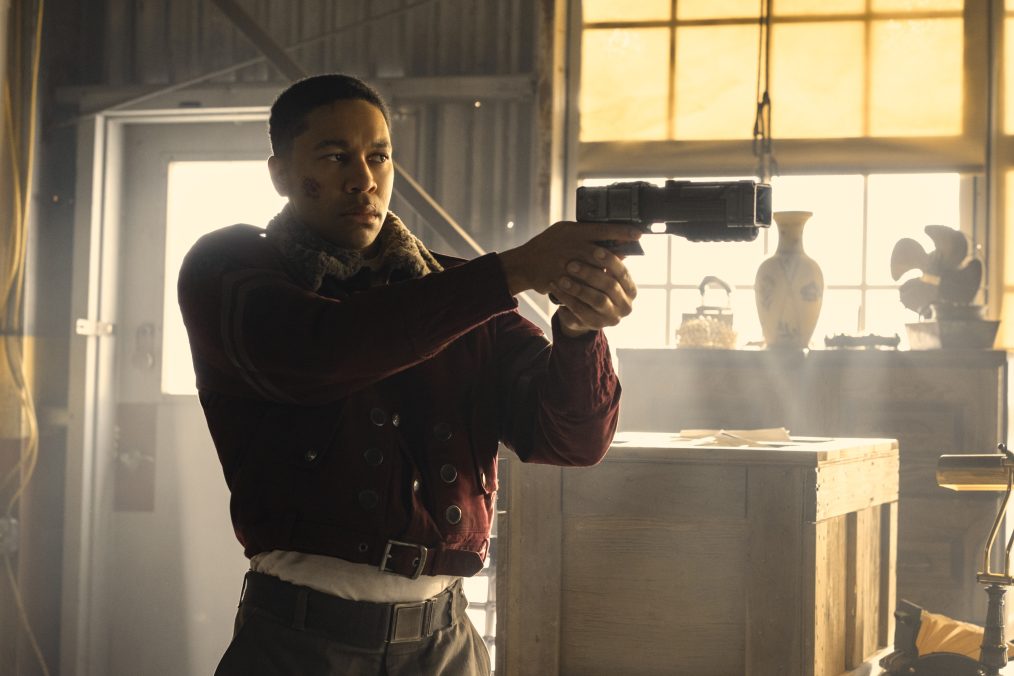
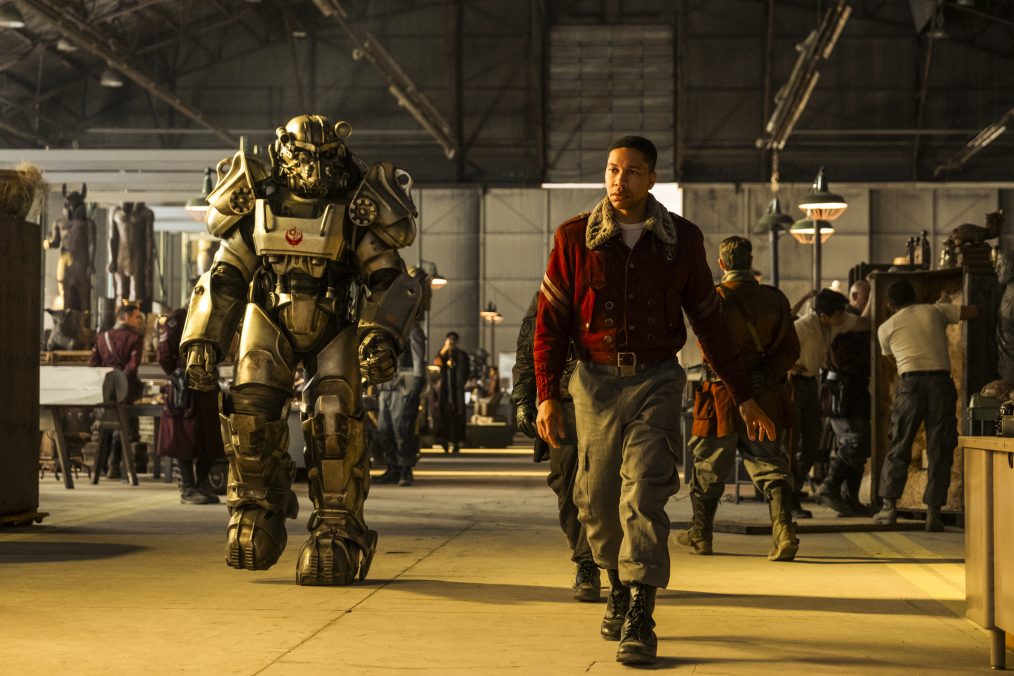
Aaron Moten’s Maximus is given more responsibility but not always enough clarity. His storyline explores faith, power, and disillusionment within the Brotherhood of Steel, yet it often feels underdeveloped compared to the richer arcs surrounding Lucy and the Ghoul. Moisés Arias, however, quietly emerges as a standout. Norm’s arc is slower and more internal, but Arias brings an intelligence and restraint that makes his scenes consistently engaging.
Lore, Easter Eggs, and the Cost of Ambition
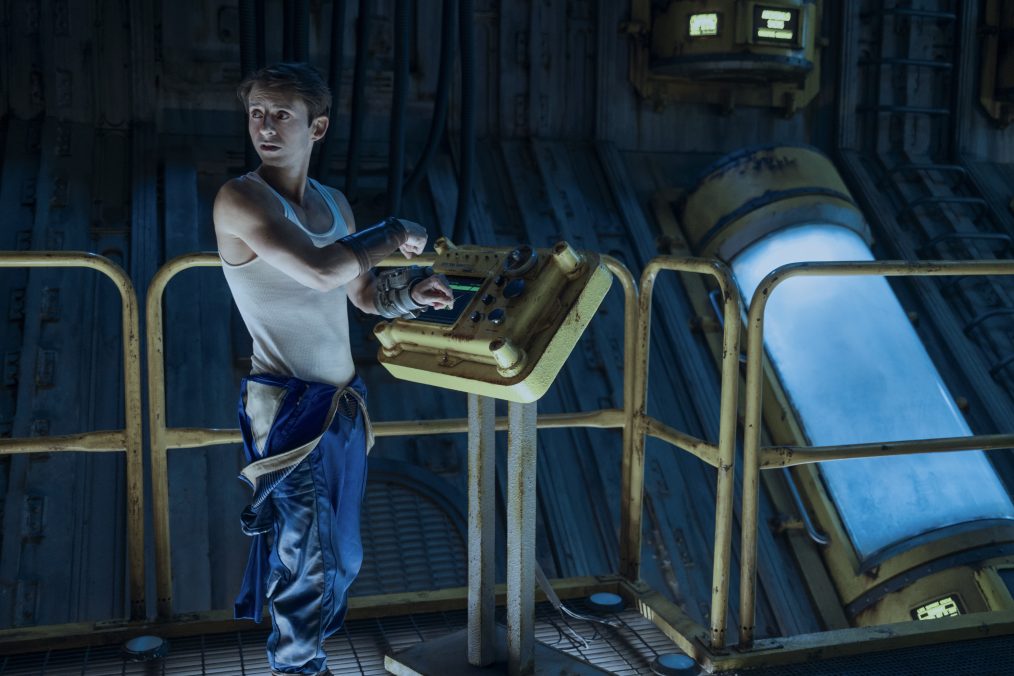
For longtime fans of the games, Season Two is dense with lore, factions, and references that reward close attention. New Vegas looms large as an idea, even when the series resists fully settling there in the present timeline. Hardcore fans will likely appreciate the attention to detail, while newcomers may occasionally feel overwhelmed by the sheer volume of mythology being introduced.
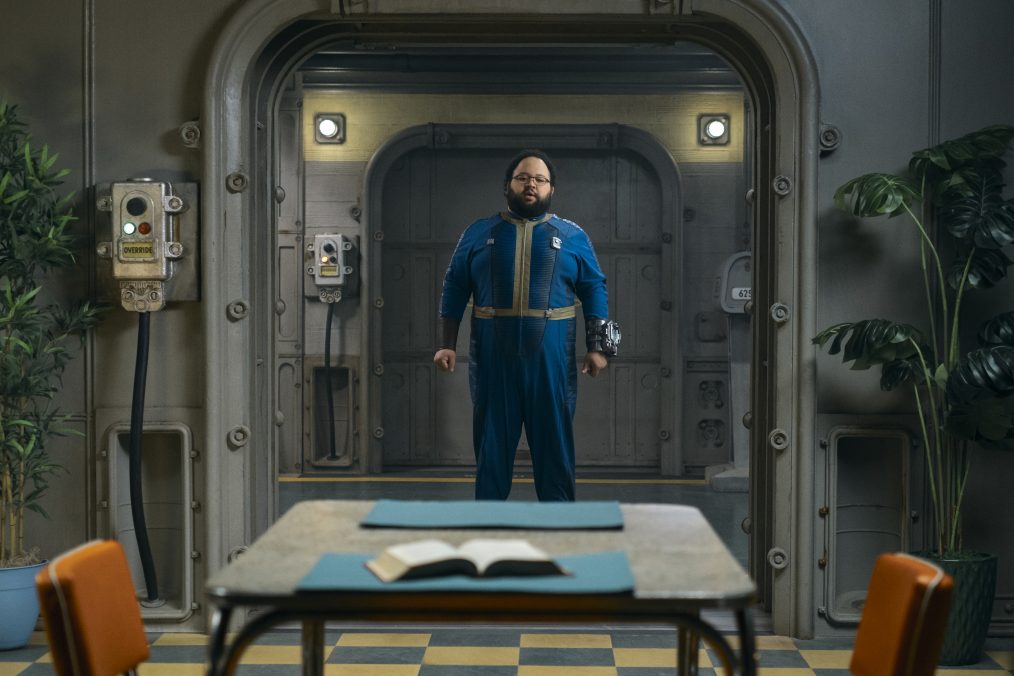
This ambition is both the season’s greatest strength and its biggest flaw. With multiple storylines unfolding across different timelines, the season sometimes loses urgency. The narrative jumps can feel abrupt, pulling away from momentum just as certain threads become compelling. While the structure suggests confidence in its audience, it also risks testing their patience.
Violence, Music, and Tonal Control
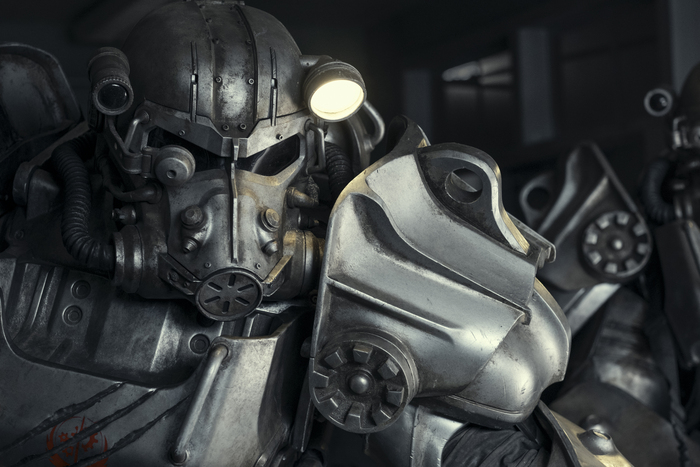
The series leans further into brutality this season, with bloodier confrontations and harsher consequences. Yet it never loses its darkly comedic edge. Mid-century music once again contrasts sharply with the carnage, creating an unsettling but effective tonal balance. The sound design, editing, and pacing within individual episodes remain strong, even when the season as a whole feels slightly scattered.
The Bigger Picture
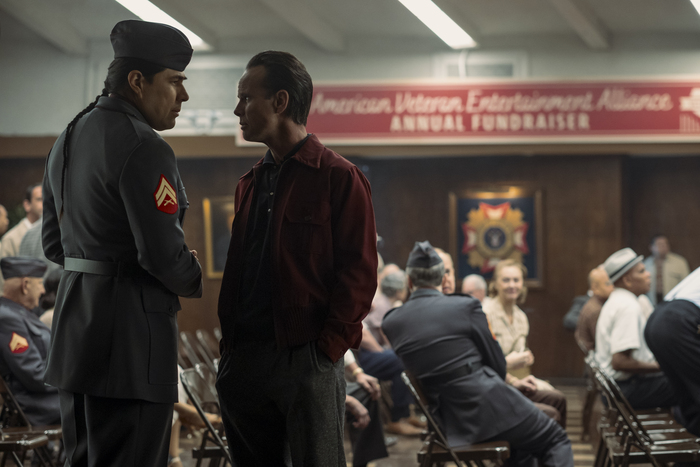
Six episodes in, Fallout Season Two feels like a transitional chapter. It is more expansive, more violent, and more emotionally ambitious than Season One, but not quite as tightly constructed. Some storylines resonate deeply, while others feel like setup for payoffs still to come. With two episodes unseen and a third season already confirmed, it’s clear the series is playing a long game.
Fallout may occasionally feel lost in the desert, but it remains one of the most visually striking and thematically rich video game adaptations to date. Even when it stumbles, it never stops being interesting.
“Fallout” Season 2 premieres Dec. 16 on Prime Video. New episodes to release weekly on Wednesdays.

Editor-in-Chief | Owner
I’m a dedicated aficionado of all things movies, pop culture, and entertainment. With a passion for storytelling and a love for the silver screen, I’m constantly immersed in the world of cinema, exploring new releases, classics, and hidden gems alike. As a fervent advocate for the power of film to inspire, entertain, and provoke thought, I enjoy sharing my insights, reviews, and recommendations with fellow enthusiasts.