
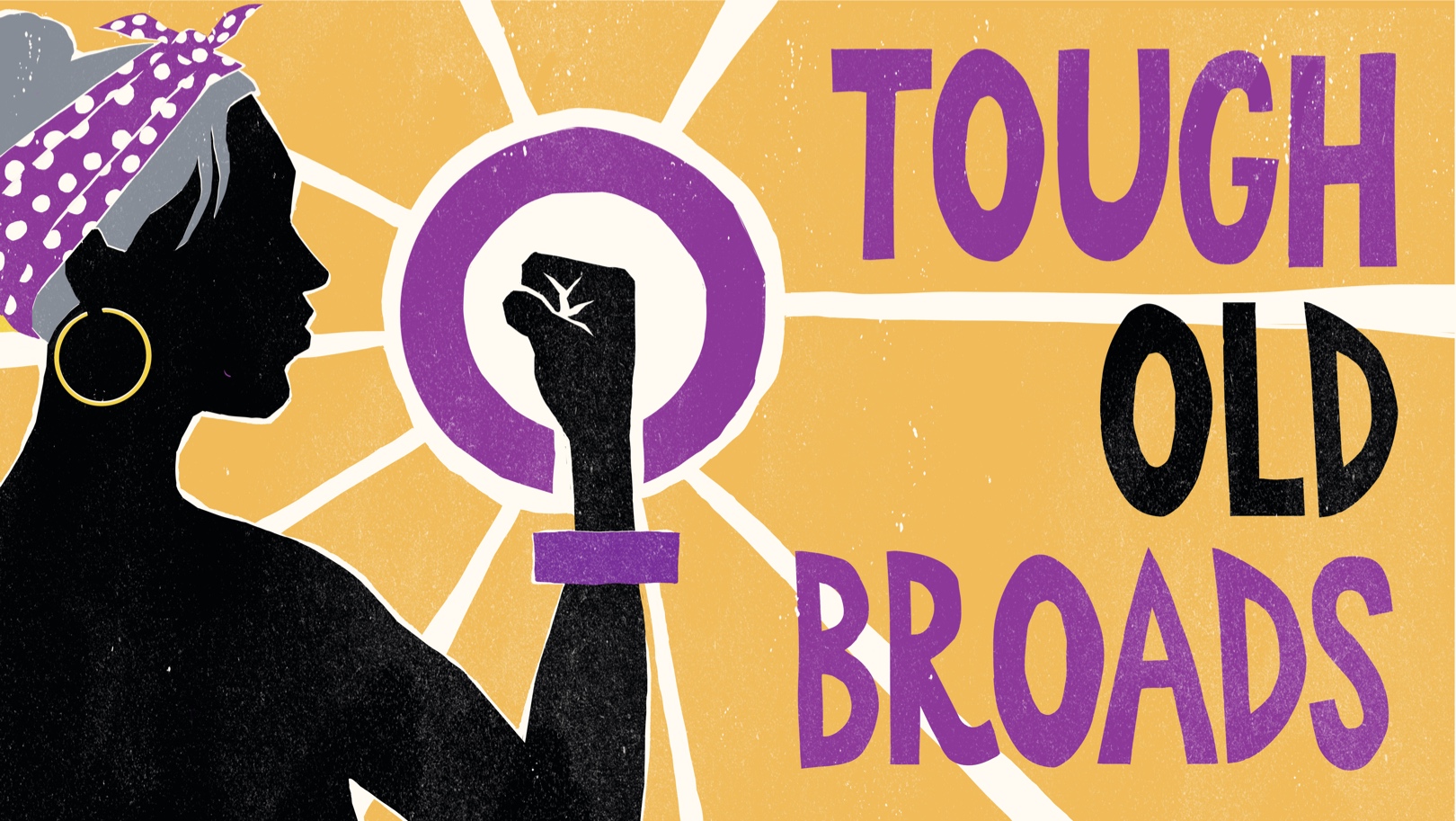
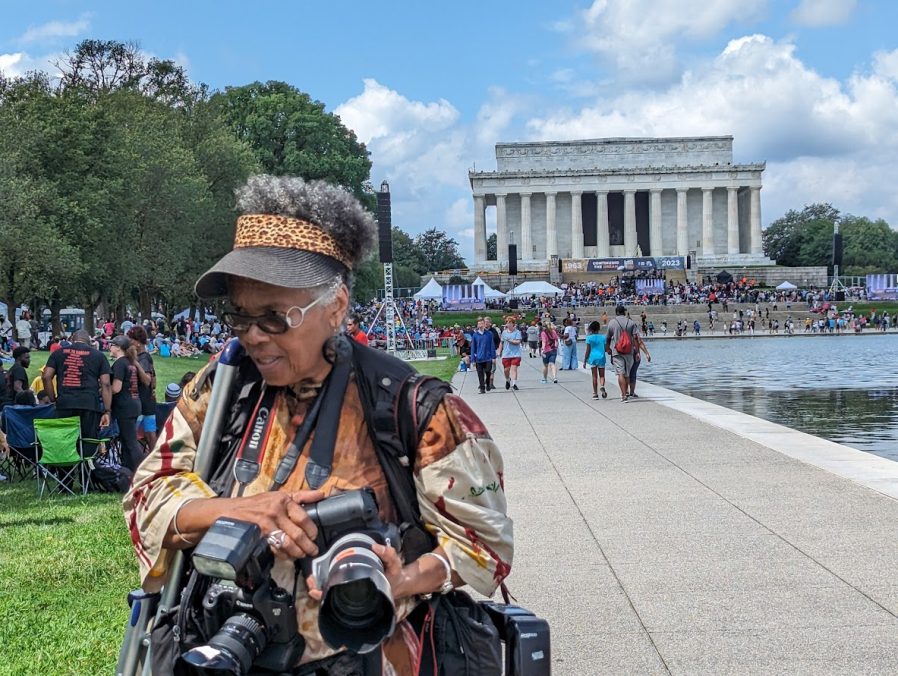
“Gray hair is a badge of honor about what I survived,” Sharon Farmer, the first Black Director of White House Photography ever, said in “Tough Old Broads.” One of the more powerful quotes in a documentary filled with poignant and profound words. Farmer, along with running icon Kathrine Switzer, and climate activist Siila ‘Sheila’ Watt-Cloutier are the pillars of what give this film its heart, soul, and integrity.
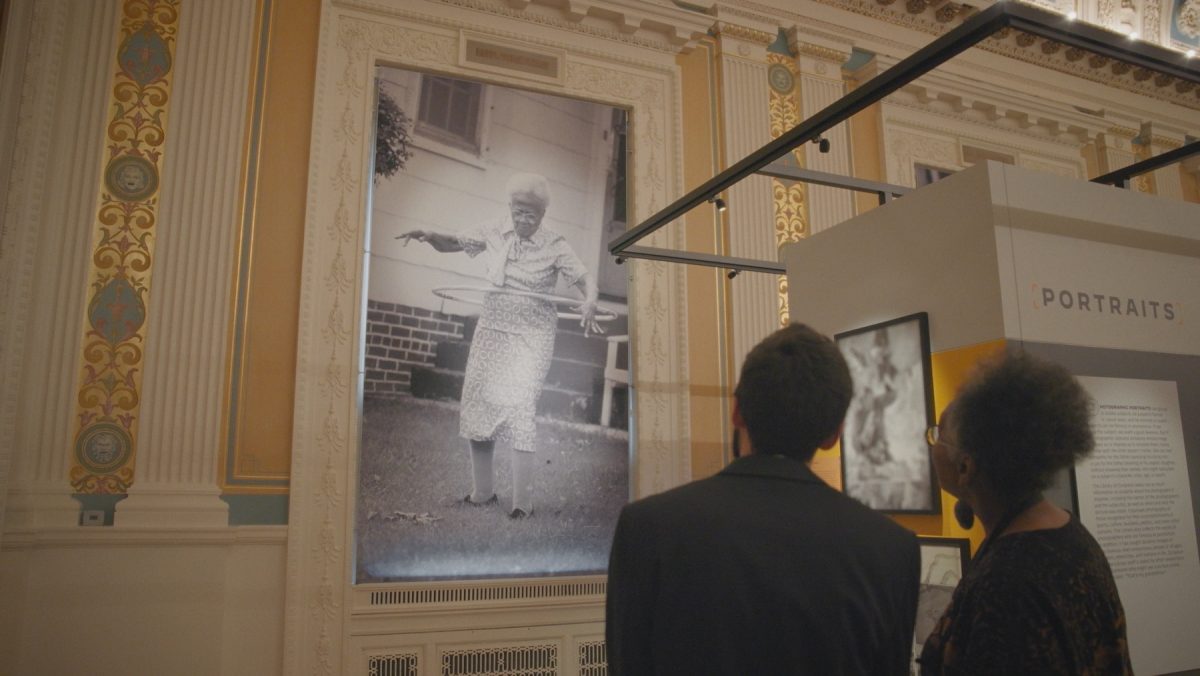
Director Stacey Tenenbaum skillfully weaves their three narratives together through common themes of unfathomable strength in the face of discrimination and persistence in questioning the status quo. Each trailblazer gets their own spotlight throughout the film, balancing each other other with their different perspectives. These “tough old broads” had the audacity and the enthusiasm to push back against what society had given them. If you know a resilient older lady in your life that has made ripples throughout her community, this is a film that will resonate with you.
Running through barriers
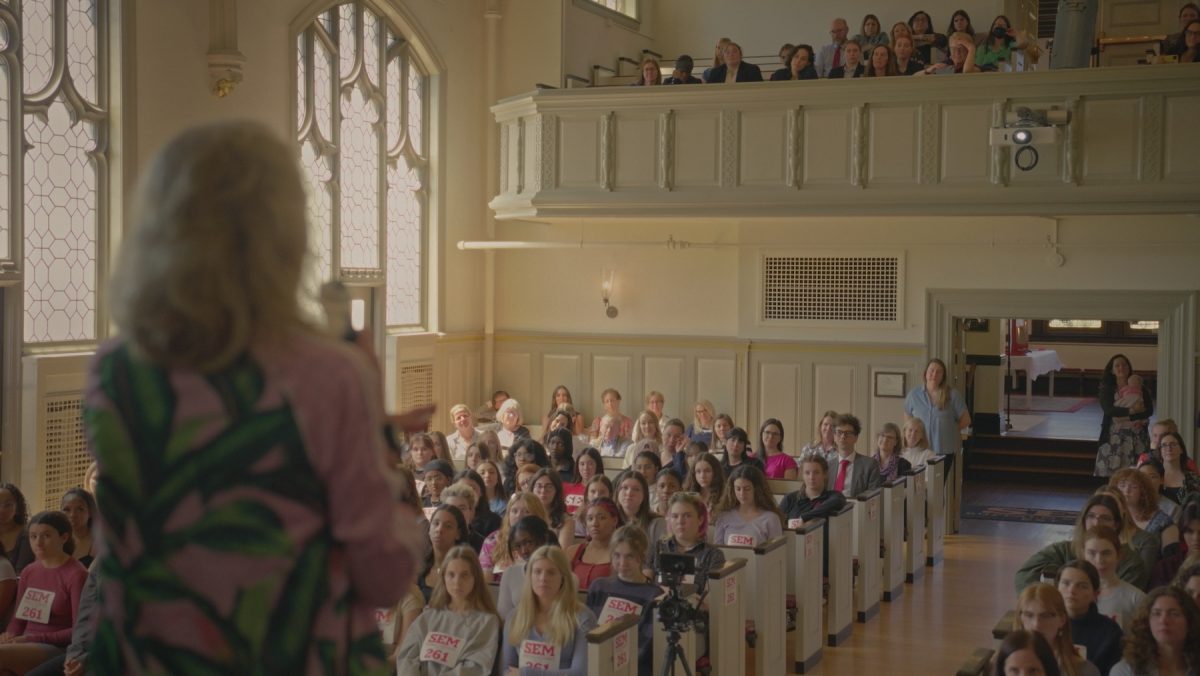
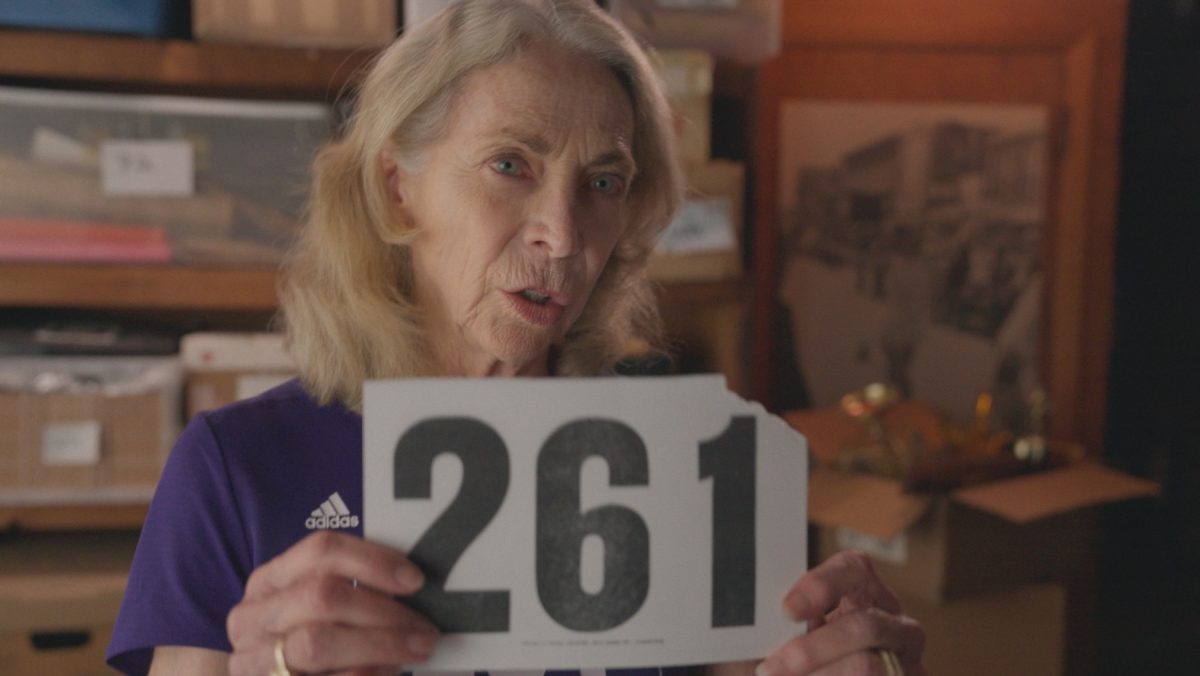
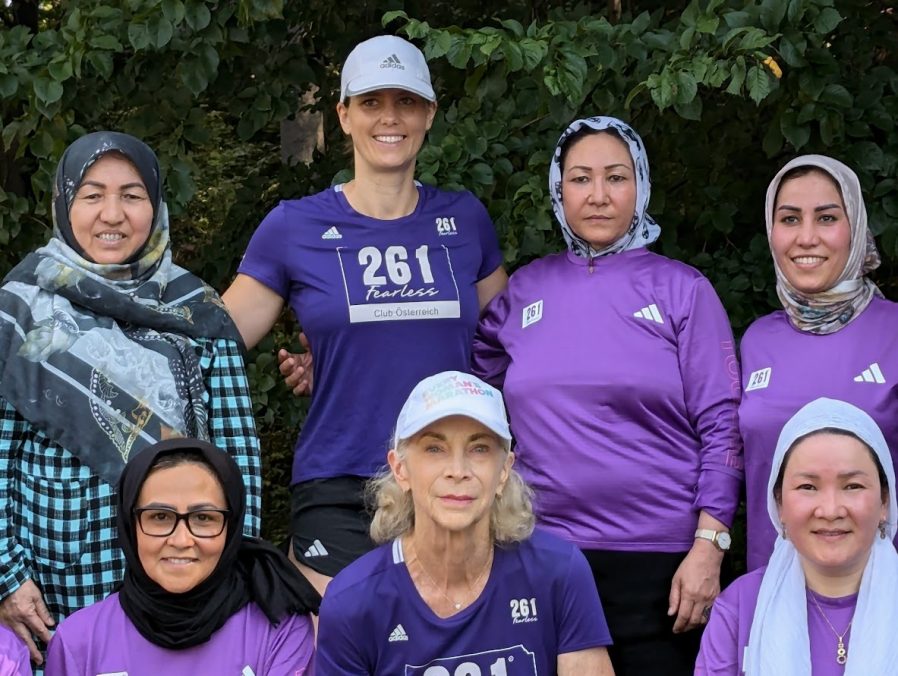
Switzer’s story kicks off the film with her being honored by a sea of fans, all proudly sporting her iconic bib number: 261. She was the first woman to ever enter and run in a Boston Marathon, and being 1967, she was immediately met with violence and anger from the men around her, including the director of the race.
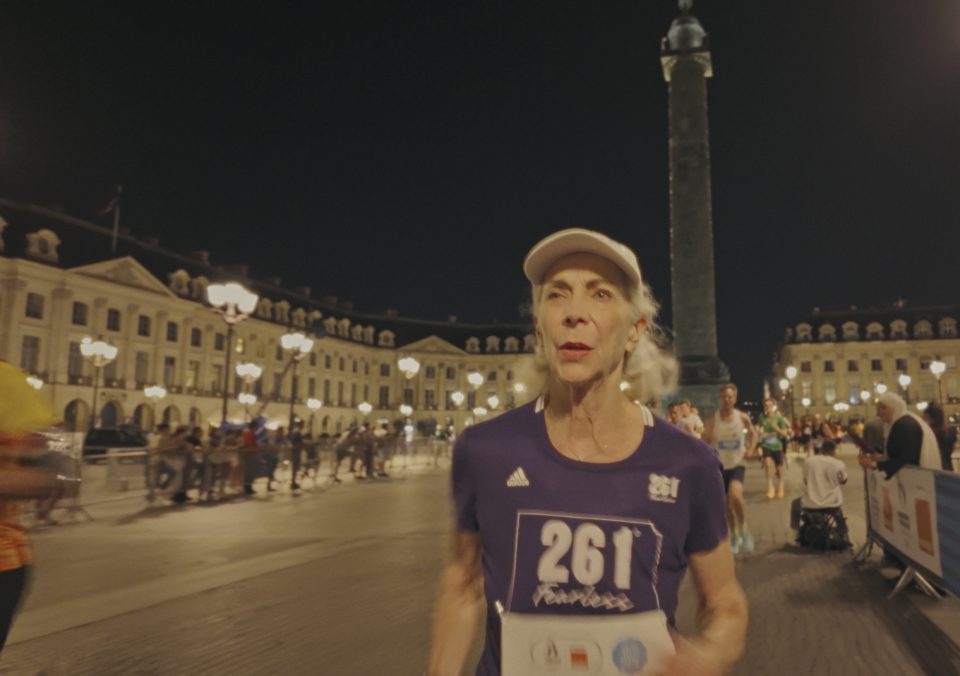
Switzer is an interesting subject; she sort of fell into being a staunch women’s rights activist because of how awful men treated her trying something women don’t typically do. She also reflected on her initial anger toward other women for their absence, a feeling that soon transformed into a profound realization. Women never lacked the will, but rather an example, so she resolved to become that pioneer herself.
Climate change champion
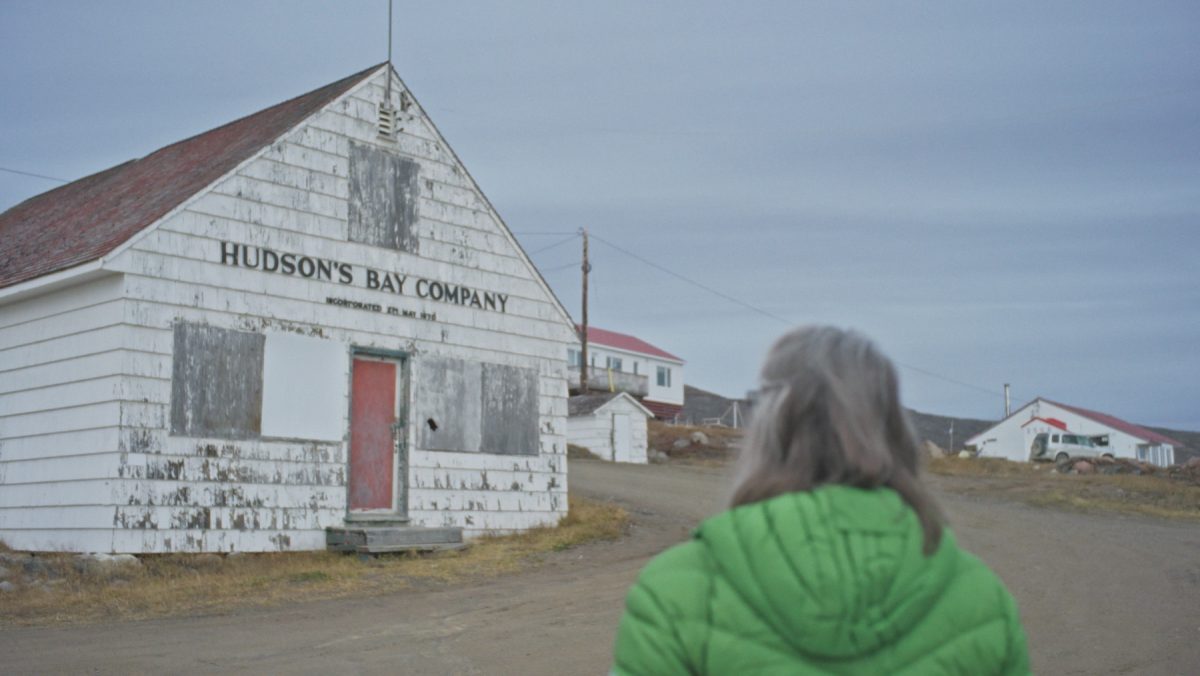
Watt-Cloutier’s narrative is persistence through climate activism. Her story is a bit more disquieting because climate change is an ongoing global problem that largely affects marginalized groups and folks displaced by colonization and capitalism. Watt-Cloutier’s drive comes from her advocacy for the Inuit people, rooted deeply in her ancestral connection to Arctic land. The film highlights her pushing for real change, tackling toxins and poisons causing irreparable harm to her people.
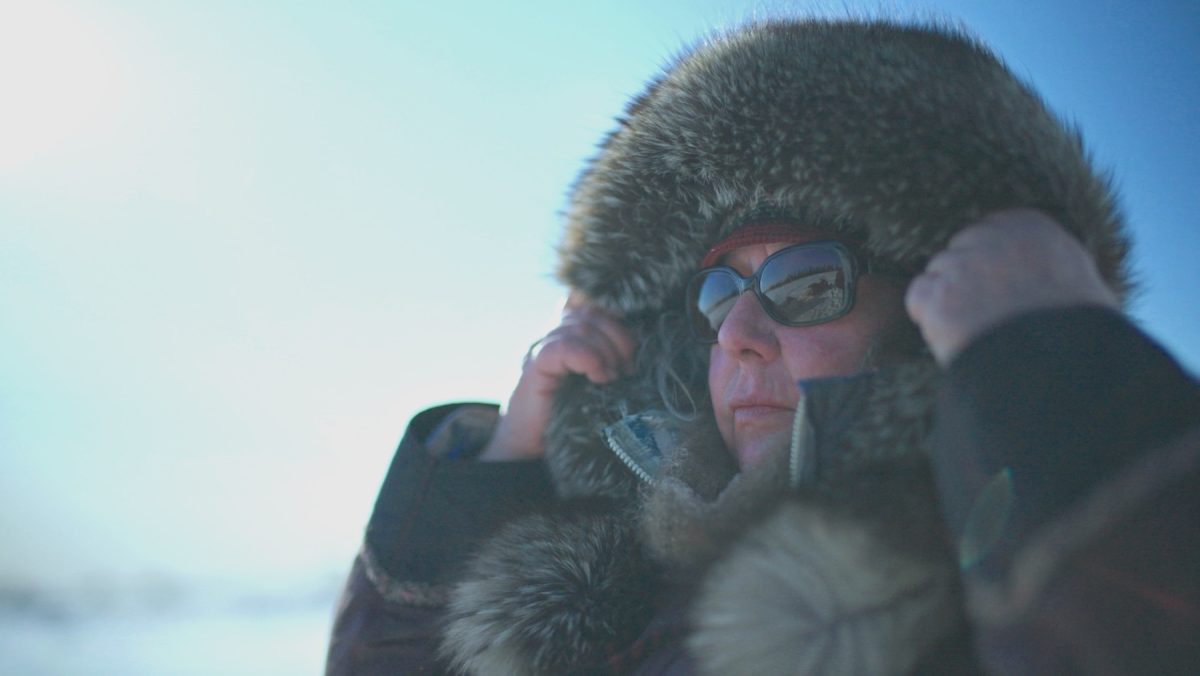
Having been elected to the Inuit Circumpolar Council (an organization representing the rights of Inuit across Canada, Greenland, Alaska, and Russia), Watt-Cloutier stepped into the global arena just as the United Nations began to address these environmental threats. Her tireless advocacy culminated in a historic victory in Sweden, where 127 countries adopted a treaty to ban the “Dirty Dozen,” a group of 12 toxic chemicals that had been leaching into the ecosystem.
Memories captured on camera
Sharon Farmer was the woman that resonated with me personally the most. She’s an Ohio State University alum, like myself, and helped change things for Black students on campus before she ever got to the White House. During the Clinton administration, she witnessed and documented an impressive integration of White House staff.
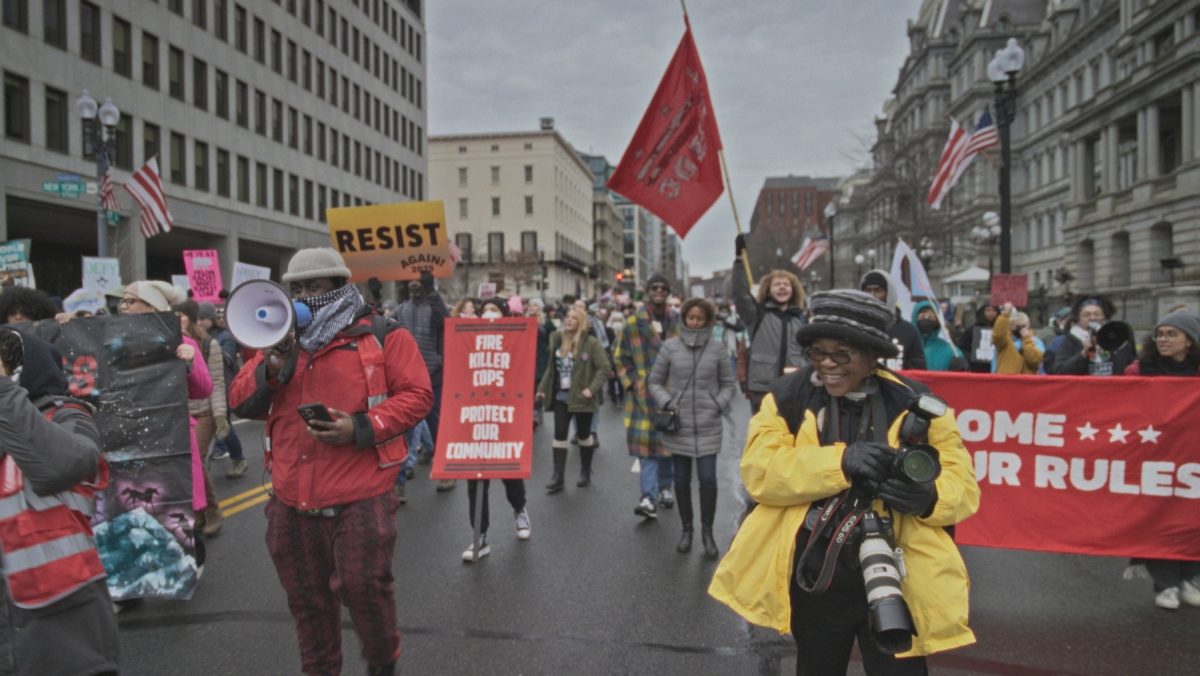
That wave led to Farmer breaking a significant glass ceiling, she became the first Black Director of Photography in White House history, a role that allowed her to bridge the gap between the halls of power and the protestors on the street whose voices she still stops to hear. She’s has a quiet disposition that makes you sit up and pay attention to her when she speaks.
The fight is never over, just changes forms
Persistence, resilience, and strength tie all three stories together. These women saw wrongs and attempted to right them in their own way. And it’s not like once they achieved their goals, they stopped; no, they kept going. With some prodding, we see Switzer get re-energized and re-motivated to do more through the 261 Fearless nonprofit that helps women around the world get into running.
Watt-Cloutier’s impact is felt through her work, but also through the next generation of activists she inspired. Her compassion never wavered, which is a bright spot in the growing dread surrounding climate change and its impacts on every community. Farmer’s photography isn’t just a fun thing for her to do, it’s her way of documenting the injustices she sees, the powerful protests she goes to, and to preserve memory for future generations. There’s a sad but determined feeling towards the end of “Tough Old Broads” because things are both worse and better than they were when these three trailblazers were getting active.
Final thoughts
“Tough Old Broads” is an inspiring film, sure, but more than anything it’s a motivating one too. In spite of everything, these women have managed to make real change that will outlast their naysayers. It’s also imperative and important that we give the older generation their flowers and kudos before they’re gone and this film does a beautiful job with that.


Tenenbaum created an impressive window into all of their lives and it never felt exploitative or awkward. You walk away feeling like you know these women, because you do; they’re in your life too. One of the more pointed messages is that there’s hope in despair. “I’m not saying you have to be patient, I just say we have to be persistent,” Switzer said.
“Tough Old Broads” is showing at the Santa Barbara International Film Festival. For more information, visit ToughOldBroads.com.

Writer and editor