


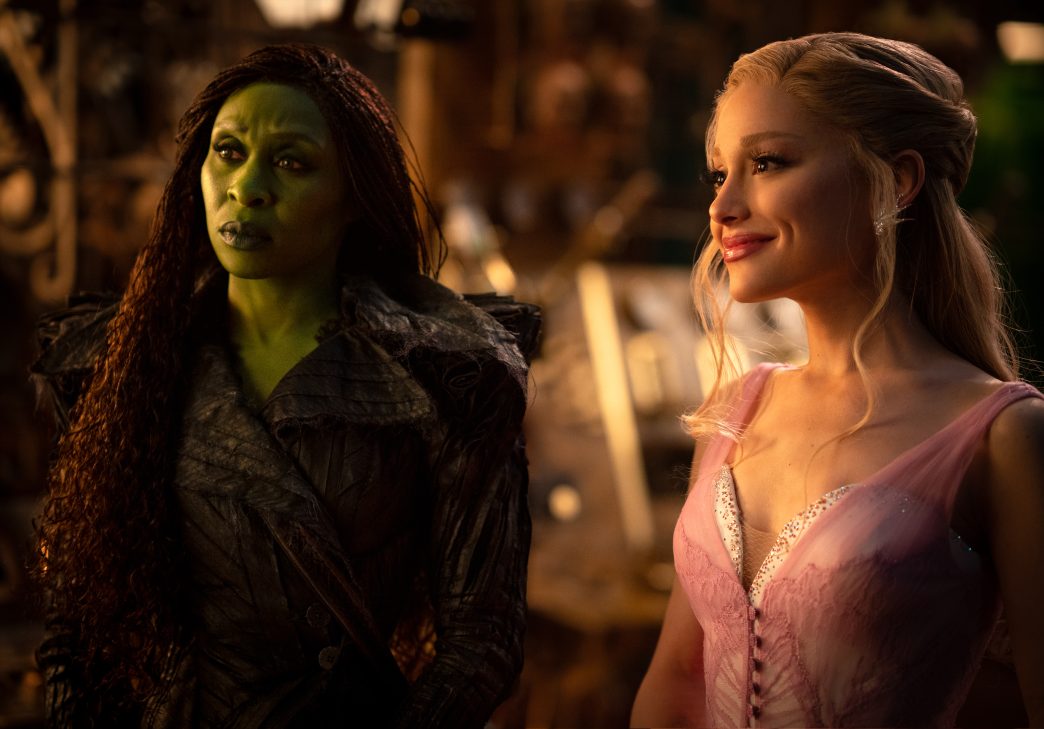
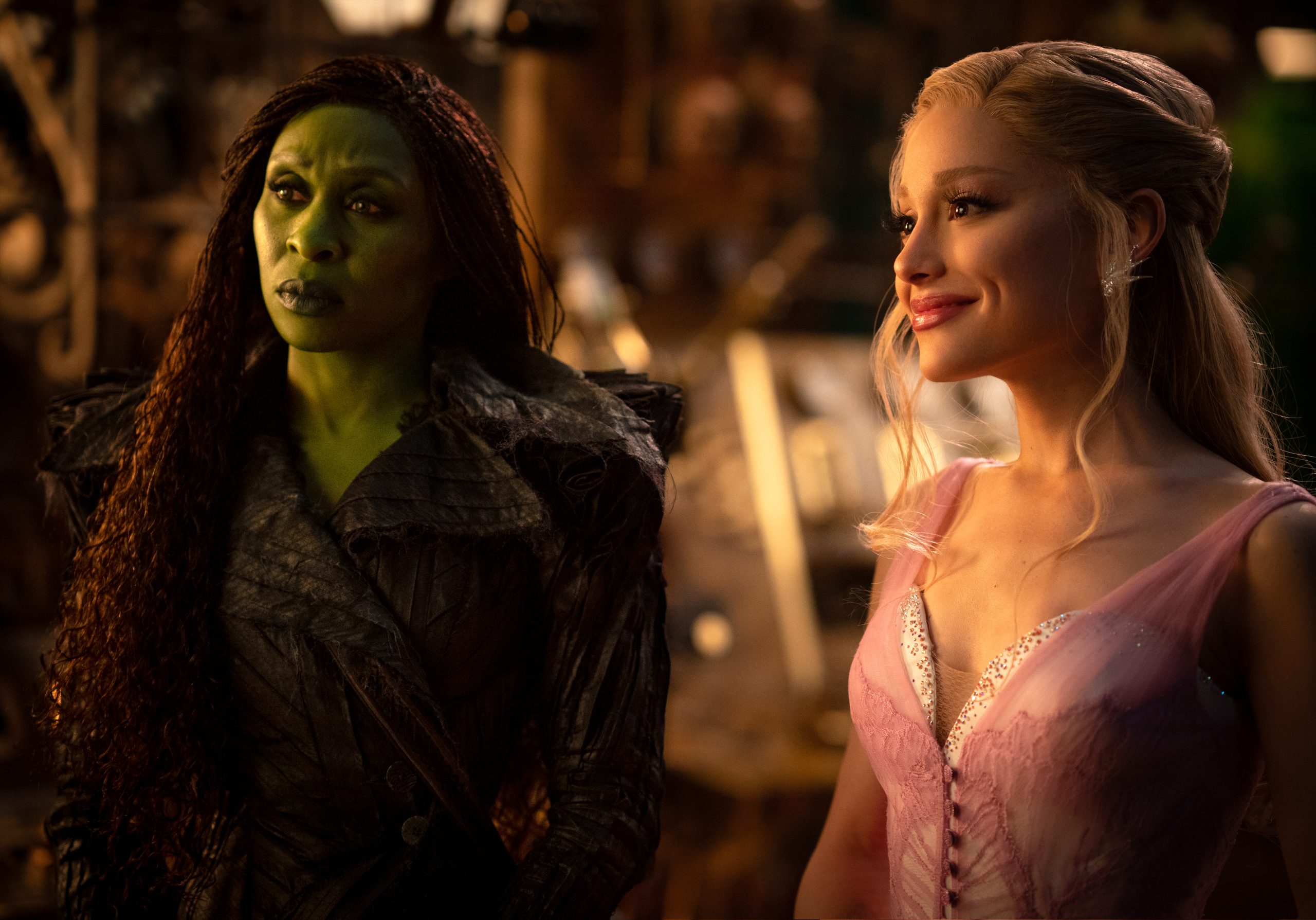


Coming just about a year after the immensely well-received first entry in Jon M. Chu’s duology, Wicked: For Good arrives in theaters on Friday, November 21, as the long-awaited continuation — and conclusion — of Elphaba and Glinda’s intertwined destinies. With a screenplay by Winnie Holzman and Dana Fox, the film picks up several years after the events of Wicked (2024), following two women whose bond has always been far more complex than simple labels like “good” and “wicked.”
A Story of Sisters, Secrets, and the High Cost of Heroism

Now carrying the full weight of her infamy, Elphaba (Cynthia Erivo) is determined to expose the truth about the Wizard (Jeff Goldblum) and dismantle the false narratives weaponized against her. But Madame Morrible (Michelle Yeoh) continues to obstruct her at every turn. Elsewhere, Glinda (Ariana Grande-Butera) only grows more beloved by the people of Oz, becoming a symbol of hope alongside Fiyero (Jonathan Bailey) — even as she privately wrestles with doubts and uncomfortable truths.

As their choices reverberate across Oz and the political and emotional stakes heighten, the friends find themselves forced to confront who they are becoming. Their identities as the Wicked Witch of the West and Glinda the Good are not simply titles; they are transformations born of heartbreak, longing, and the complicated love that binds them. The film never forgets that at its heart lies a friendship that must survive not only external enemies but internal reckonings.
Visual Splendor Anchored by Costume and Craft

Keeping with the precedent set by the first film, Wicked: For Good is visually spectacular — a sweeping cinematic experience that plunges the viewer immediately back into the vibrancy of Oz. The contrast between the muted shadows of Elphaba’s world and the shimmering brightness of Glinda’s is striking, offering a dynamic visual rhythm.
At times, the perfection of these environments borders on too polished; several scenes carry a digital sheen that makes one wonder how much is tangible and how much is crafted. Still, Paul Tazewell’s costume design remains one of the film’s most impressive achievements. His work once again grounds the fantastical, weaving storytelling into fabric:
- The subtle green undertones on Glinda’s early robe
- Her explosive pink gown by the finale
- Elphaba’s powerful silhouettes — strong shoulders, structured capes, and practical trousers
- The Tin Man and Scarecrow’s haunting transformations
Each detail reinforces the emotional arc of the characters, even when some design choices — like Glinda’s wedding jewelry — feel slightly disconnected from her established aesthetic.
An Uneven Rhythm Beneath the Spectacle

As with the first installment, pacing is Wicked: For Good’s most notable weakness. Some emotionally weighty scenes feel rushed, while others linger on less essential moments for longer than necessary. A few sequences even flirt with tonal mismatch; the fight between Glinda and Elphaba after the Wicked Witch of the East’s death leans more theatrical than grounded, diluting the gravity of the moment.
Still, the film’s commitment to portraying flawed, resilient women is refreshing. Their moral ambiguity — their humanity — is handled with sincerity. Not everyone who is wicked is bad. Not everyone who is good is perfect. That sentiment echoes throughout the film with surprising warmth.
Performances That Soar Above the Clouds

The musical performances are among the film’s greatest strengths. Cynthia Erivo and Ariana Grande-Butera deliver with an emotional clarity that transcends the screen. “No Good Deed” is spellbinding, and their rendition of “For Good” is overwhelmingly tender; the theater was filled with sniffles by its final notes.

Ensemble numbers occasionally suffer from muddled lyrics — a noticeable flaw given the Ozians’ narrative importance — but the overall vocal execution remains stellar. The original songs, while not quite reaching the unforgettable brilliance of Stephen Schwartz’s Broadway compositions, complement the story respectfully. John Powell’s score supports the film with elegance, adding richness to its emotional beats.
Final Thoughts
Wicked: For Good delivers on its promise — not perfectly, but with heart, purpose, and breathtaking beauty. It honors the source material while carving out its own cinematic identity. Despite imperfections in pacing and a few stylistic misfires, the story’s emotional core resonates, especially through its portrayal of friendship, sacrifice, and identity.
Overall, Wicked: For Good is a beautiful and wonderful exploration of the love between friends, the torn sense of duty to those you love and the causes you support, and a wonderful evening out.

