



There is no other wrestling documentary quite like WWE: Unreal, and Season 2 doubles down on exactly why that’s both its greatest strength and its most divisive flaw.

Returning on Netflix with five tightly packed episodes, WWE: Unreal Season 2 takes viewers deeper behind the curtain than most fans ever expected—or even wanted. From the writers’ room to talent meetings, from career-altering decisions to creative pivots made under pressure, the series documents the road to SummerSlam 2025 with an unfiltered confidence that will energize some viewers and frustrate others.
And honestly? That tension is the point.
A Documentary That Understands the Stakes
Season 2 wastes no time reminding viewers that WWE is not just entertainment—it’s a business operating at massive scale, where every decision affects talent livelihoods, audience trust, and corporate momentum. The show captures how fragile that balance can be.
As someone who covers wrestling professionally, much of the structure won’t surprise seasoned fans. We understand plans change. We understand injuries, timing, and contracts reshape creative constantly. But seeing it unfold in real time, directly from the people involved, reframes that knowledge into something more human.
This season excels when it lets performers step outside their characters and simply be themselves.
Episode Highlights and Emotional Core
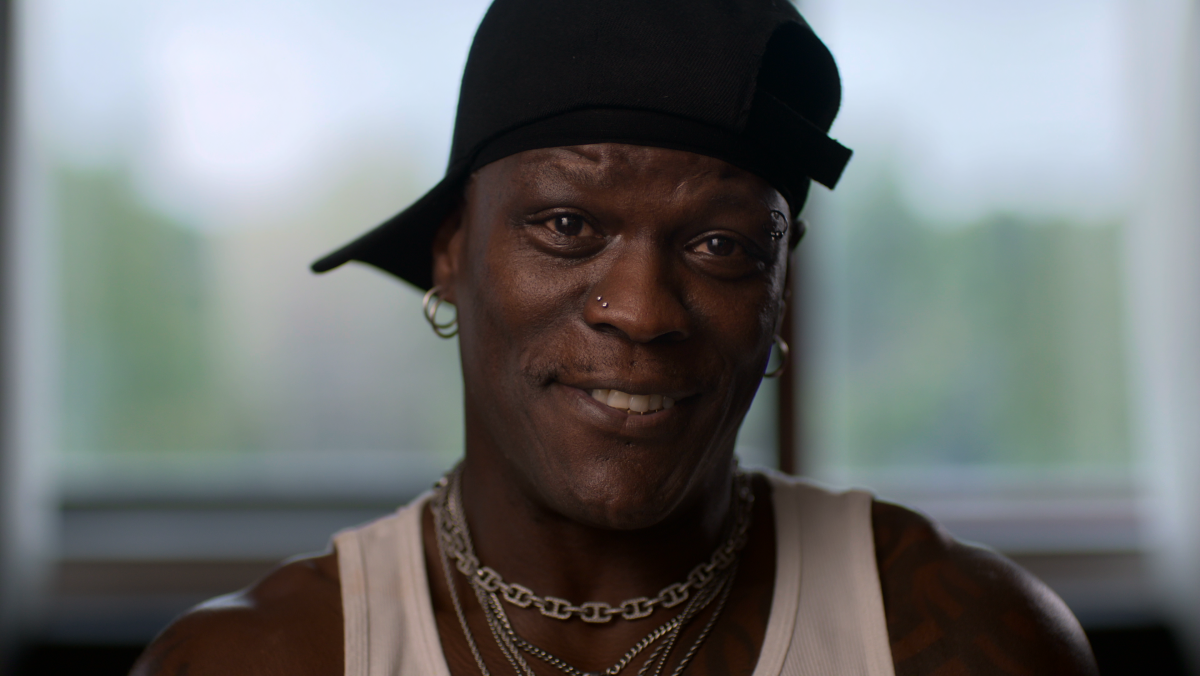
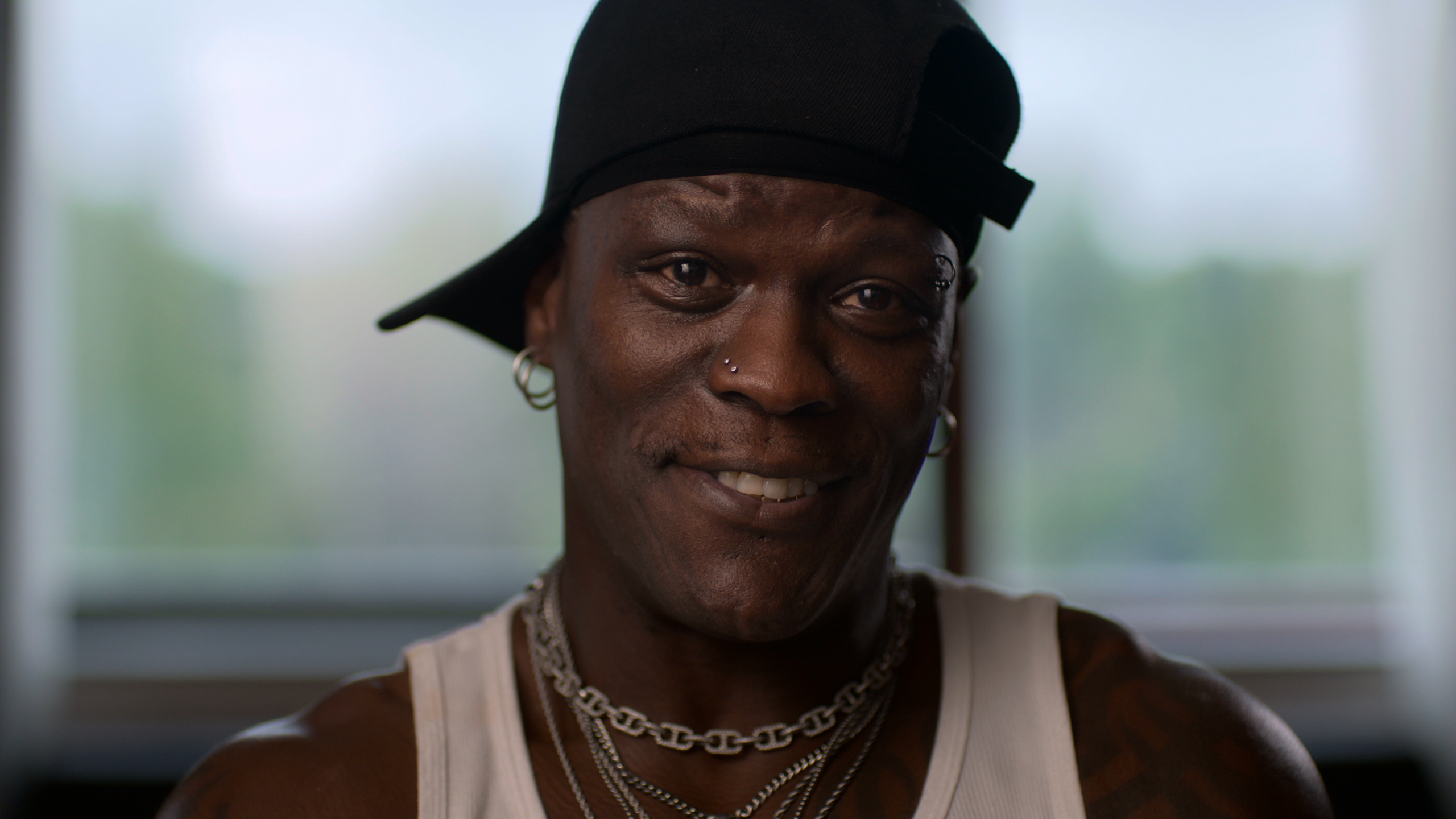
One of the strongest episodes centers on R-Truth, and it’s easily the most emotionally grounded chapter of the season. Watching a universally beloved performer navigate uncertainty around his contract strips away any illusion that longevity guarantees security. The raw emotion—both from Truth and from those reacting around him—adds weight that no storyline could manufacture.
For longtime fans, it’s a reminder that behind the jokes and catchphrases are real people navigating real pressure.
Elsewhere, the series shines in its exploration of creative mechanics. Episode 4’s whiteboard reveal—mapping out early SummerSlam plans—became an instant conversation starter. Seeing ideas that never made it to air, matches reshuffled due to injury, and storylines abandoned due to timing reinforces a core truth: nothing in wrestling is guaranteed until it happens.
Some plans survive. Many don’t. And that uncertainty is baked into the business.
The Rollins Gamble and the Art of the Work
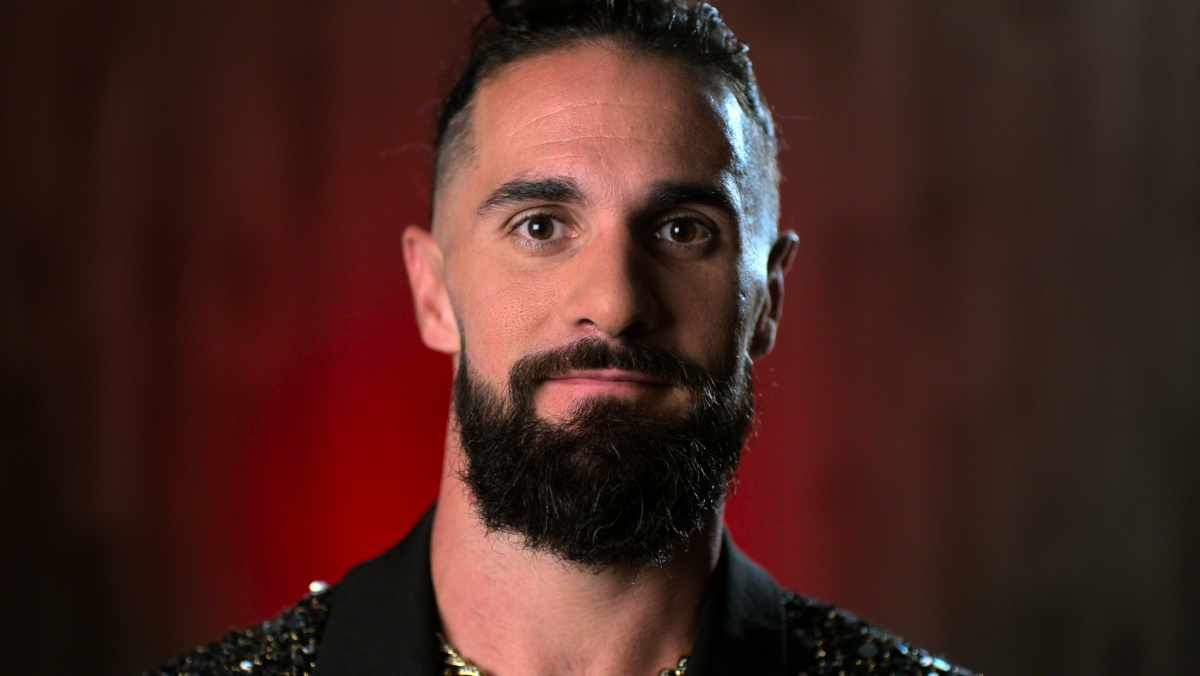
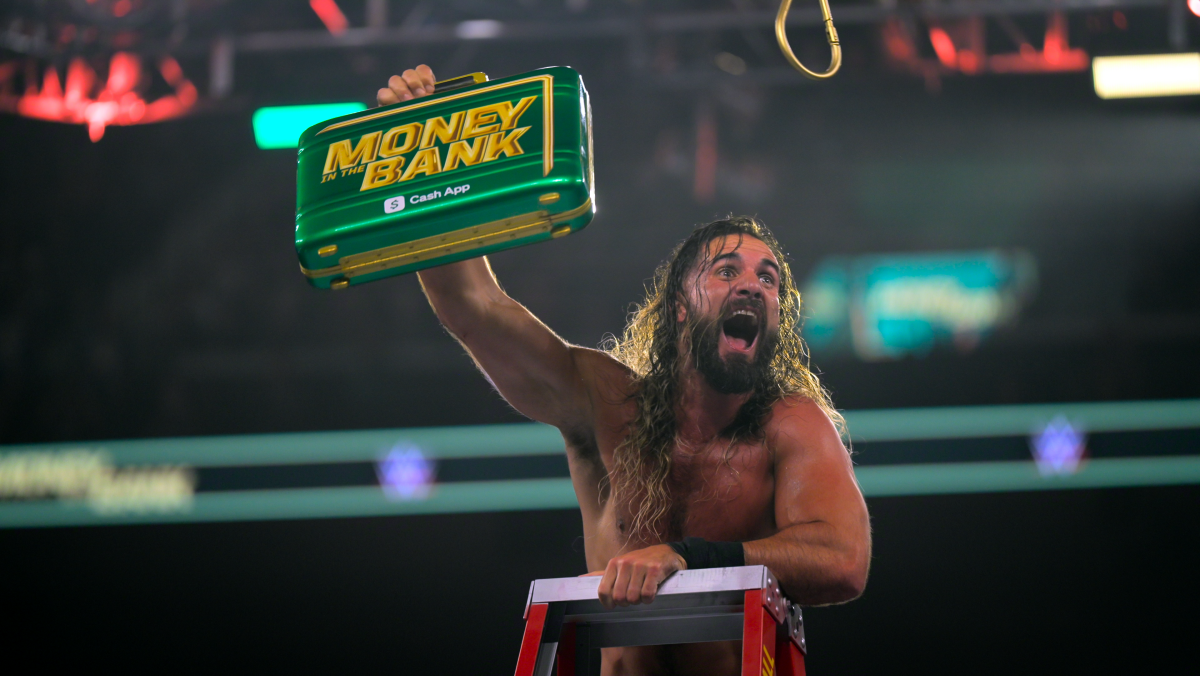
Seth Rollins’ worked knee injury and eventual Money in the Bank cash-in is one of Season 2’s most fascinating arcs. The series documents how deliberately the angle was planned, how carefully it was executed, and how successfully it blurred the line between reality and fiction.
The payoff at SummerSlam validated the gamble creatively—but Unreal also captures the aftermath: fan debate, online speculation, and internal satisfaction that doesn’t always align with public reaction.
That disconnect is a recurring theme this season.
Celebrity Commitment and Locker Room Respect
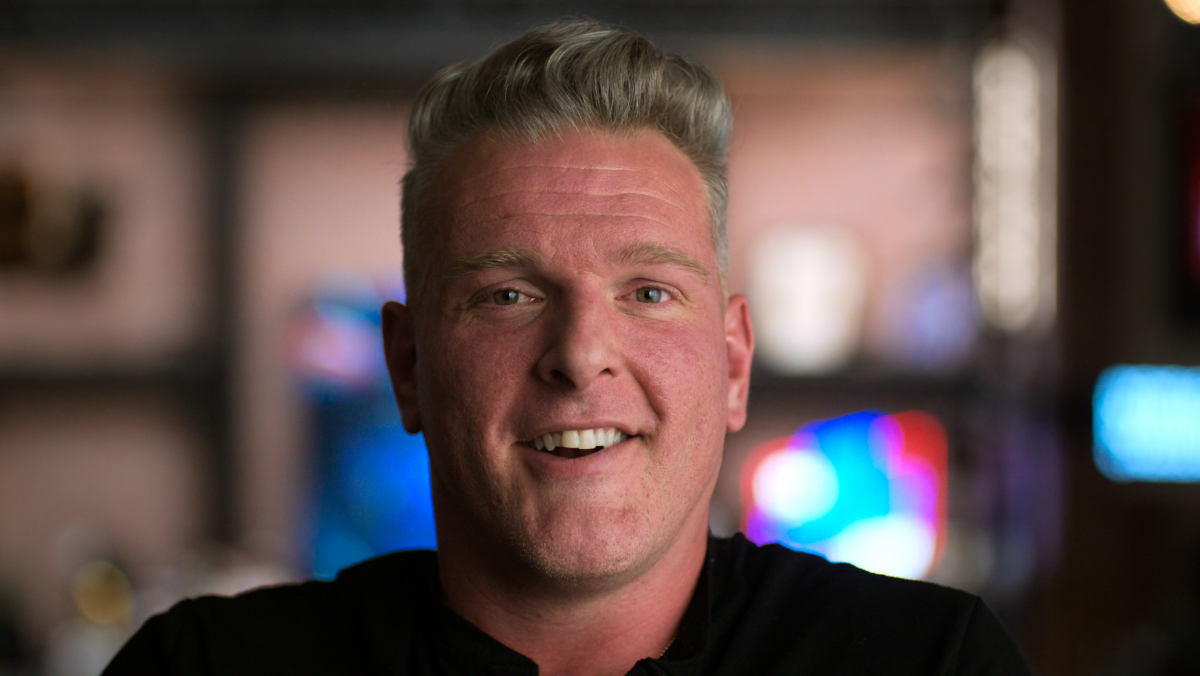
The show also does excellent work highlighting celebrity involvement done right. Pat McAfee’s preparation for his match against Gunther is treated with respect, not novelty. Likewise, Jelly Roll’s transformation—physically and mentally—into a credible in-ring performer earns legitimate praise from veterans like Randy Orton.
These moments reinforce something WWE often gets right: when celebrities commit fully, the locker room responds in kind.
The Uncomfortable Truth About Transparency
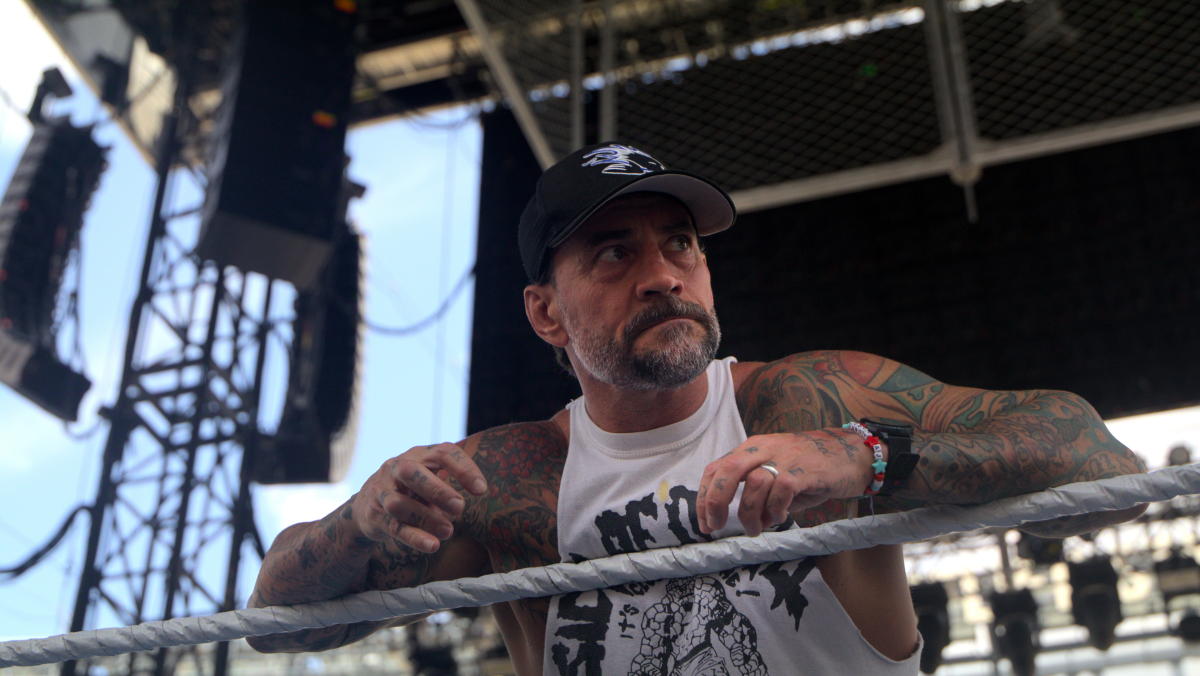
But much like Season 1, WWE: Unreal Season 2 will absolutely divide fans—especially those who believe the business should protect its illusion at all costs.
Pulling back the curtain exposes uncomfortable realities. It forces viewers to confront the constant tension between what’s best for the company, what’s best for the talent, and what’s best for the business. Those three interests don’t always align, and Season 2 doesn’t pretend otherwise.
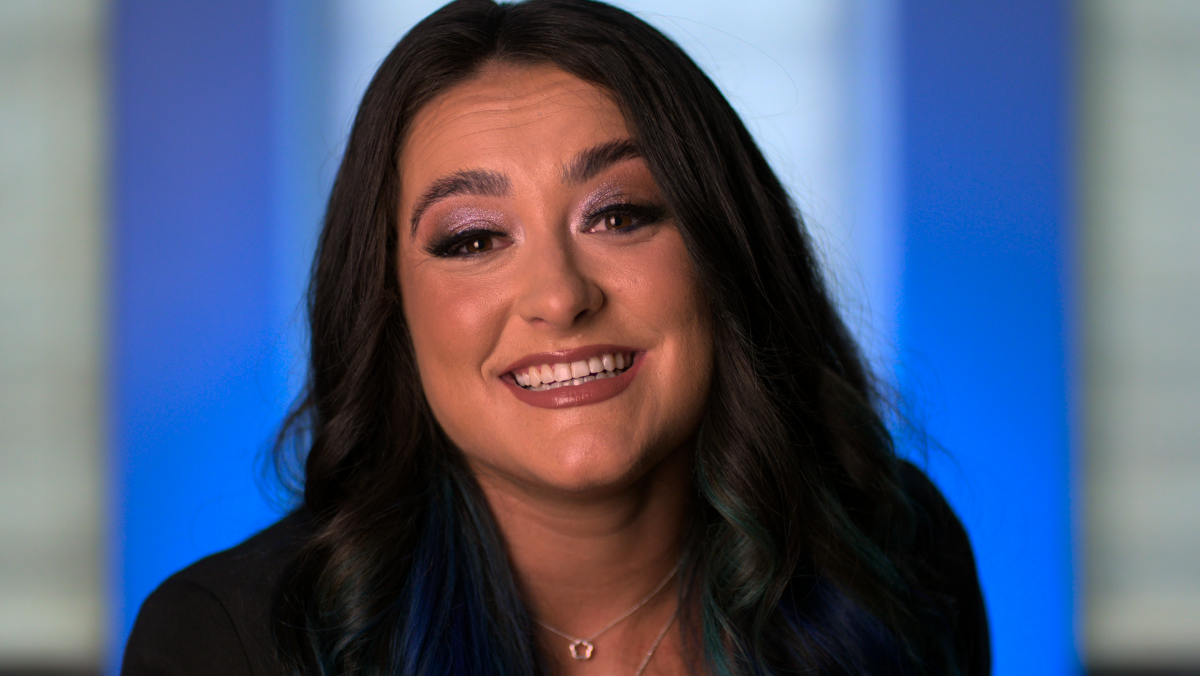
Some longtime company voices come across as fiercely loyal—sometimes to a fault. In moments where talent recount creative frustrations or professional crossroads, leadership responses can feel defensive or dismissive, particularly when contrasted with how fans experienced those same situations in real time.
The R-Truth contract narrative is the clearest example. While the show frames the situation as a misunderstanding rather than a dismissal, many fans saw a beloved performer momentarily undervalued in a company posting record profits. Unreal doesn’t resolve that debate—it exposes it.
And that exposure has consequences.
For some viewers, these moments undermine confidence in WWE’s creative leadership. For others, they humanize a process that is far messier than fans often admit. Neither reaction is wrong.
Why the Division Is Inevitable—and Necessary
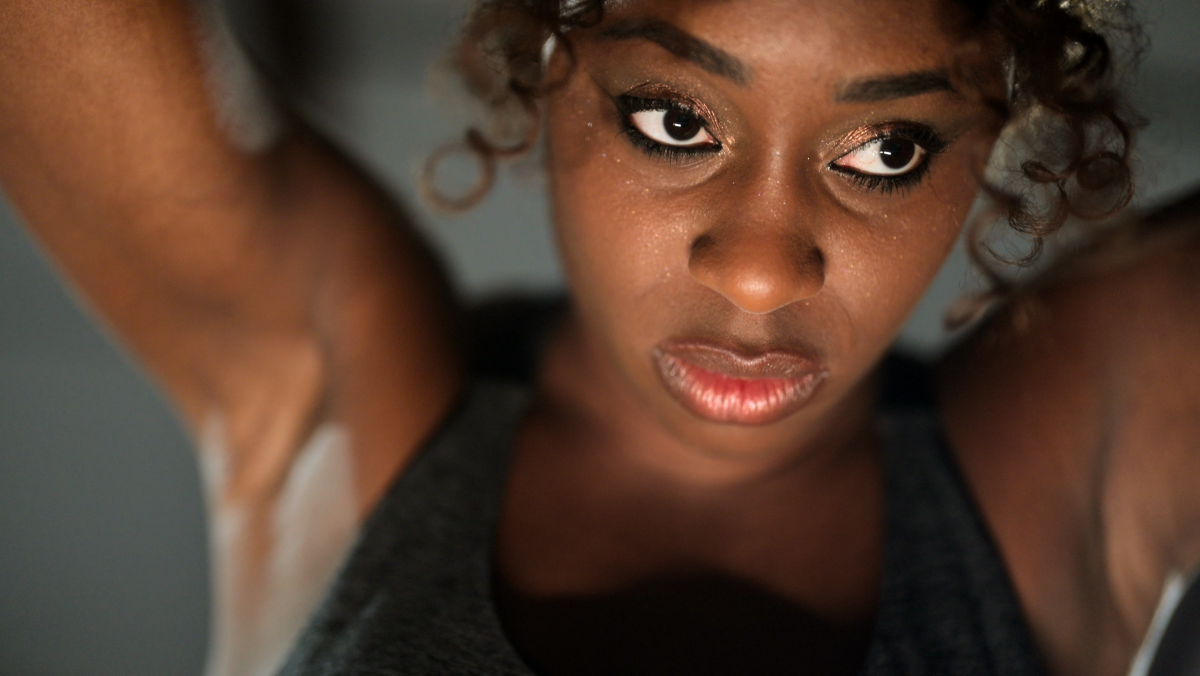
WWE: Unreal doesn’t ask viewers to agree with every decision. It asks them to understand the process. That distinction matters.
Wrestling thrives on opinion. On debate. On emotion. A documentary that shows only polished victories would feel dishonest. Unreal instead shows friction, uncertainty, and the cost of doing business at the highest level of sports entertainment.
For fans who want the magic preserved, this series may feel intrusive.
For fans who want deeper appreciation, it’s invaluable.
Both reactions can coexist.
Final Verdict
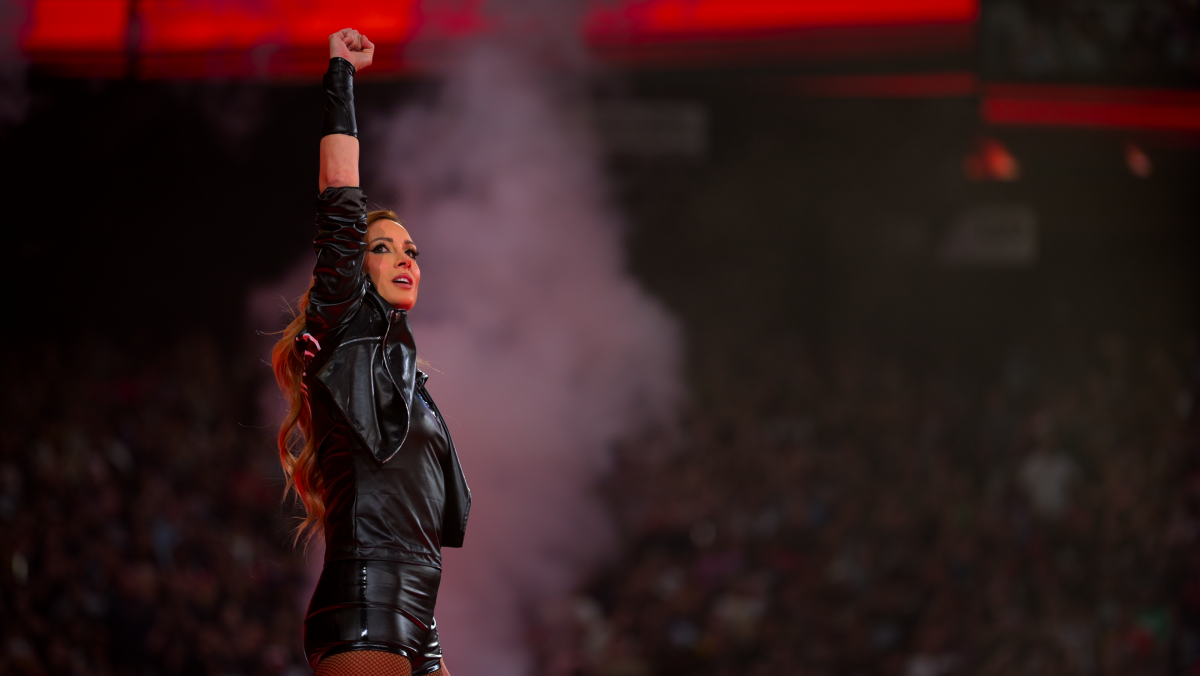
Season 2 of WWE: Unreal is bold, revealing, and occasionally uncomfortable—but it is never boring. It deepens respect for the performers, highlights the complexity of the creative process, and reinforces just how many moving parts are required to keep WWE operating at scale.
You will gain appreciation not only for the talent in the ring, but for the sheer effort required behind the scenes—especially when plans change, emotions run high, and millions of dollars are on the line.
Like the first season, Unreal will spark arguments. It will challenge assumptions. It will frustrate purists.
And that’s exactly why it works.

With Season 3 already teased and set to focus on John Cena’s retirement tour, WWE: Unreal feels less like a limited experiment and more like a long-term chronicle of a business constantly evolving in public view.
Love it or hate it, there is nothing else like it in wrestling—and there never has been.
Season 2 of WWE: Unreal Streaming now on Netflix

Editor-in-Chief | Owner
I’m a dedicated aficionado of all things movies, pop culture, and entertainment. With a passion for storytelling and a love for the silver screen, I’m constantly immersed in the world of cinema, exploring new releases, classics, and hidden gems alike. As a fervent advocate for the power of film to inspire, entertain, and provoke thought, I enjoy sharing my insights, reviews, and recommendations with fellow enthusiasts.