


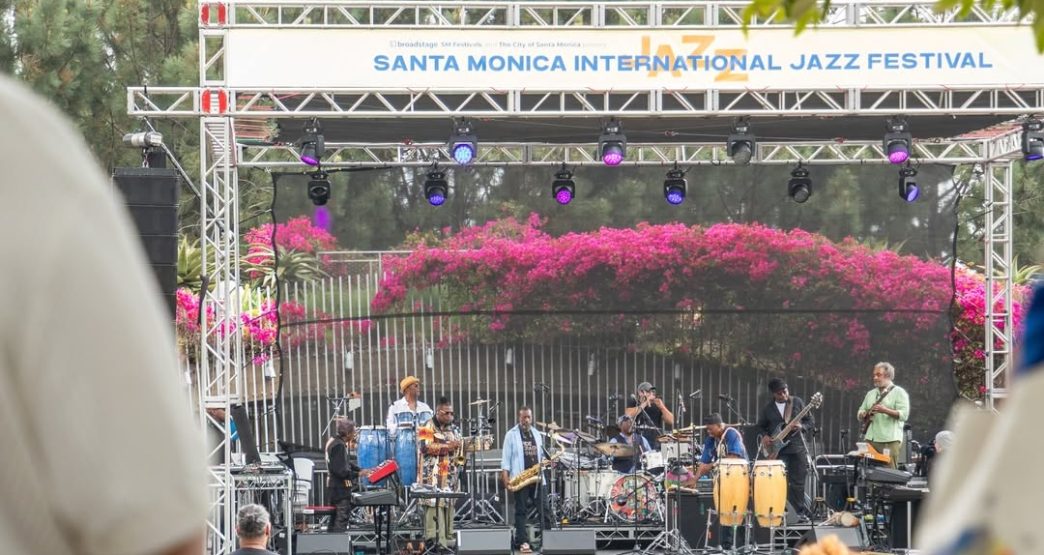
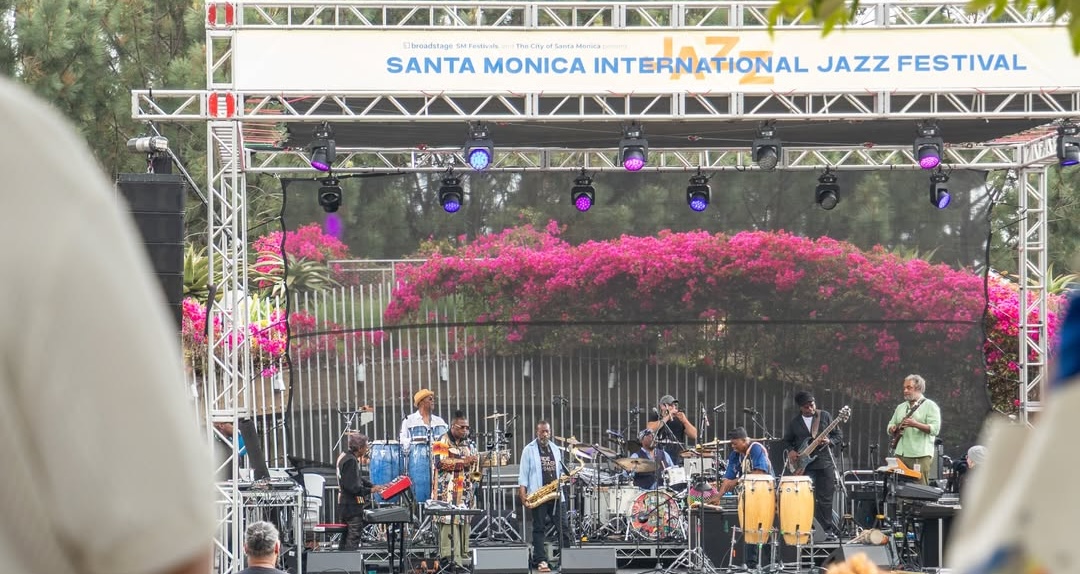

For one full week, Santa Monica showed why it’s more than just a beach city. It became a cultural hub where jazz, community, history, and public art came together across parks, theaters, and public streets.


Santa Monica International Jazz Festival. Jordan McSwain
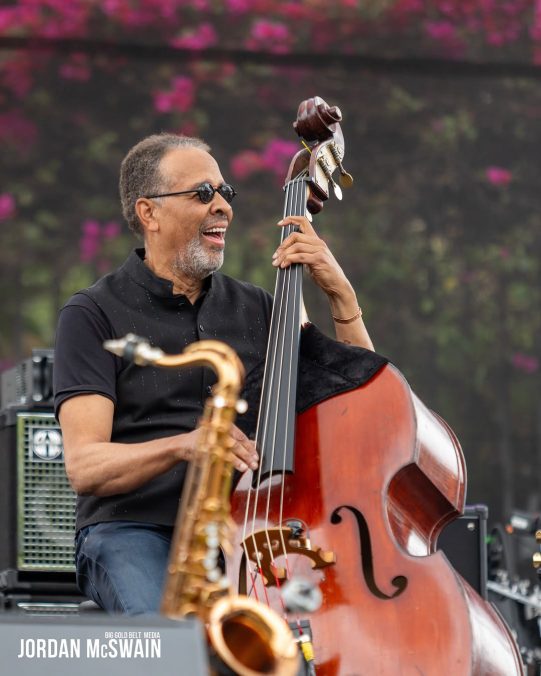
The inaugural Santa Monica International Jazz Festival, curated by legendary
bassist Stanley Clarke, stretched across multiple venues from May 1–9 and
brought together internationally recognized musicians, emerging Los Angeles
artists, students, and local residents in a citywide celebration of jazz culture.
What made the festival unique wasn’t just the lineup, it was the way the event
activated the entire city, connecting folks across a multitude of backgrounds.
Jazz Took Over Santa Monica
The festival spread across iconic Santa Monica locations including Tongva Park,
BroadStage, and the Third Street Promenade, turning everyday public spaces into
gathering points for live music and cultural exchange.
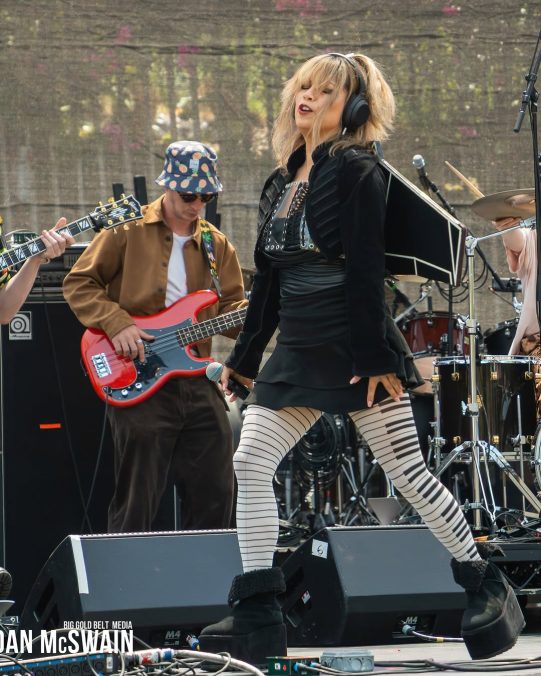
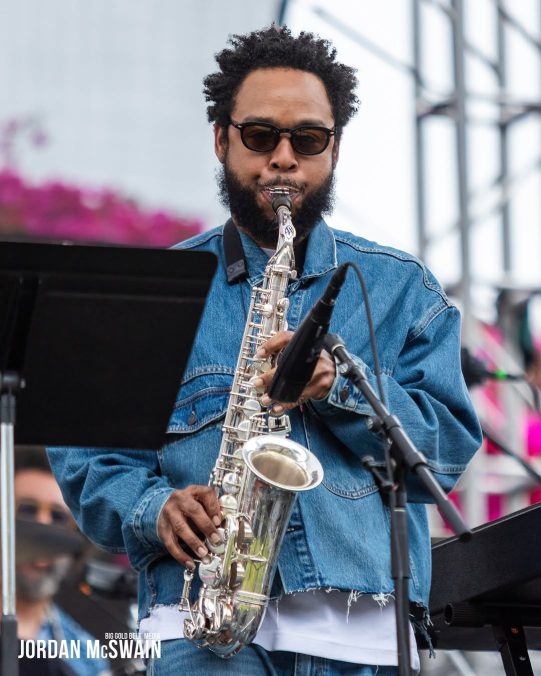
The week culminated with “A Day in the Park” at Tongva Park, located near Ocean
Avenue and the Santa Monica shoreline. Thousands gathered outdoors to witness
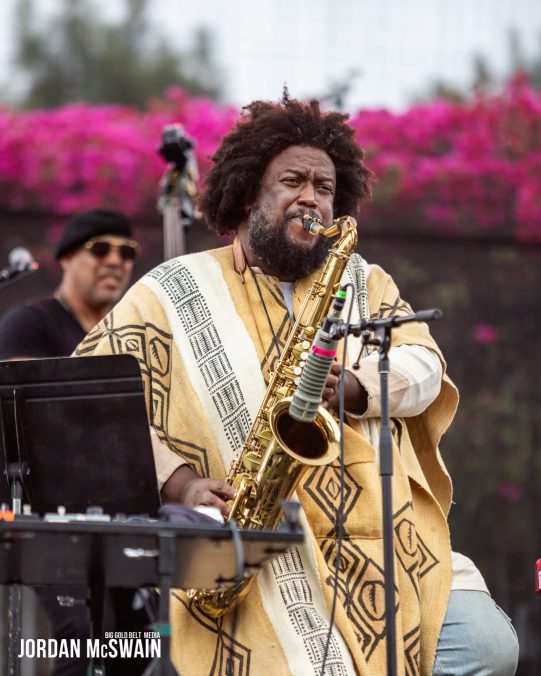
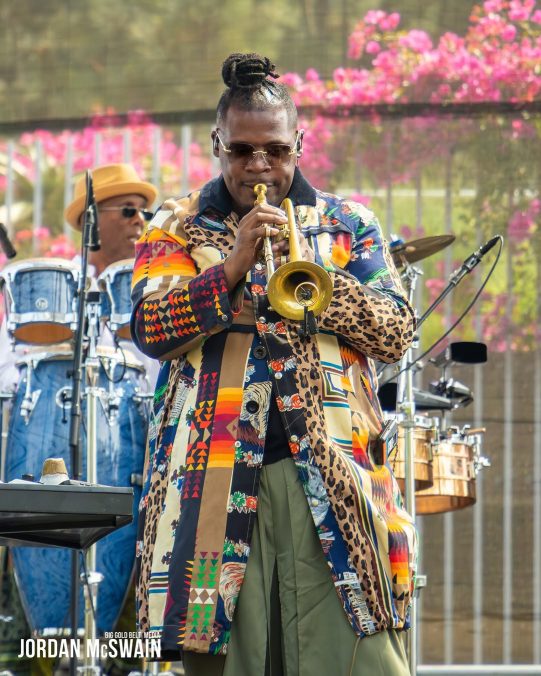
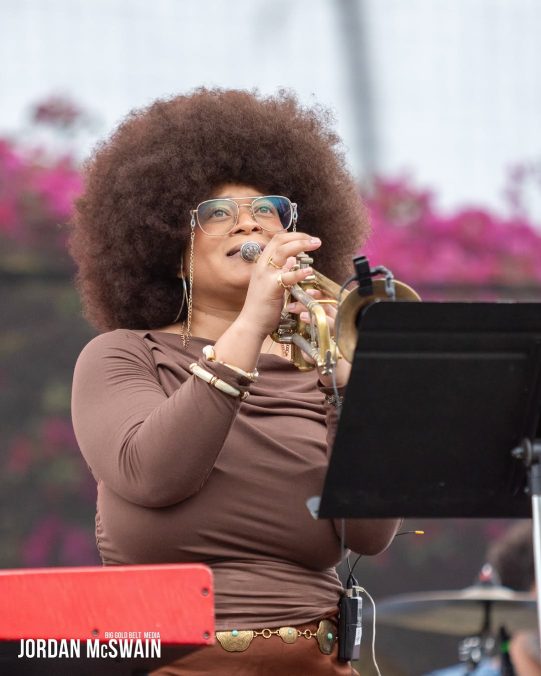
performances from Kamasi Washington, Stanley Clarke & Friends featuring Keyon Harrold and Stewart Copeland, along with sets from KNOWER, Miles Electric Band,
and Sam Smylie.
The atmosphere felt unlike a traditional concert venue. People sat on blankets,
lawn chairs, and beach towels as jazz echoed through the ocean air. The
combination of world-class musicianship and a relaxed California setting gave the
event a distinctly Los Angeles identity.
Free Shows Make Jazz Accessible
One of the festival’s strongest cultural contributions was accessibility. On May 3, the festival hosted a completely free public concert at the Third Street
Promenade, specifically focused on the future of jazz and emerging Los Angeles
talent.
The performances took place on the 1300 block of Third Street, between Arizona
Avenue and Santa Monica Boulevard, bringing live jazz directly into one of the
city’s busiest public spaces.
Artists included:
- Elijah Fox
- Genevieve Artadi
- Billy Mohler
- Instant Alter
- Duffy x Uhlmann
- Student musicians from Samohi Jazz Combo
- Emerging young performers mentored through the festival’s community programs
The importance of these free shows cannot be overstated. Jazz festivals around
the world are often associated with expensive ticket prices and exclusive
audiences, but this festival intentionally brought music into public space where
anyone could stop, listen, and participate. Jazz is also often, and incorrectly, associated with older generations, so a free show with emerging young artists helps bridge the gap to new, young audiences.
Tourists walking through the Promenade stood beside dedicated jazz fans. Families with children watched performances alongside older residents who grew
up around Los Angeles jazz culture. That mixture of audiences created something
rare: genuine community interaction through music.
BroadStage Connected Jazz History to the Present
At BroadStage, the festival hosted major tribute performances honoring jazz
legends John Coltrane and Miles Davis during their centennial celebrations. The “Tribute to John Coltrane” featured artists including:
- Lakecia Benjamin
- Isaiah Collier
- Hubert Laws
- Eric Reed
- Stanley Clarke
These performances connected younger audiences to jazz history while showing
how contemporary artists continue expanding the genre’s boundaries.
Reintroducing Culture to the Beach
Beyond the performances themselves, the festival changed the atmosphere of
Santa Monica for the week. Following years of post-pandemic economic and cultural rebuilding, the city suddenly felt re-energized by live music, public gatherings, and artistic visibility. “We outside!” takes on a weightier meaning as folks find community with each other through the music.
Restaurants, public spaces, sidewalks, and beachfront areas all benefited from
increased foot traffic and tourism connected to the festival. But the cultural impact went deeper than economics.
The festival re-centered Black music traditions in a coastal city where that history
is often overlooked. Jazz, a genre created by Black American musicians, filled
spaces typically associated with tourism, luxury branding, and entertainment
culture. That visibility mattered.
Artists like Kamasi Washington and Keyon Harrold represented modern Los
Angeles jazz at its highest level while also carrying forward the spiritual and
cultural foundations of the genre.
For one week, Santa Monica became a city where public art felt central again. The Santa Monica International Jazz Festival created a remarkable atmosphere where music, history, public space, and community merged together, proving that jazz still has the power to transform cities when given room to breathe.

Publishing articles on film, television, and pop culture articles inclusive entertainment