


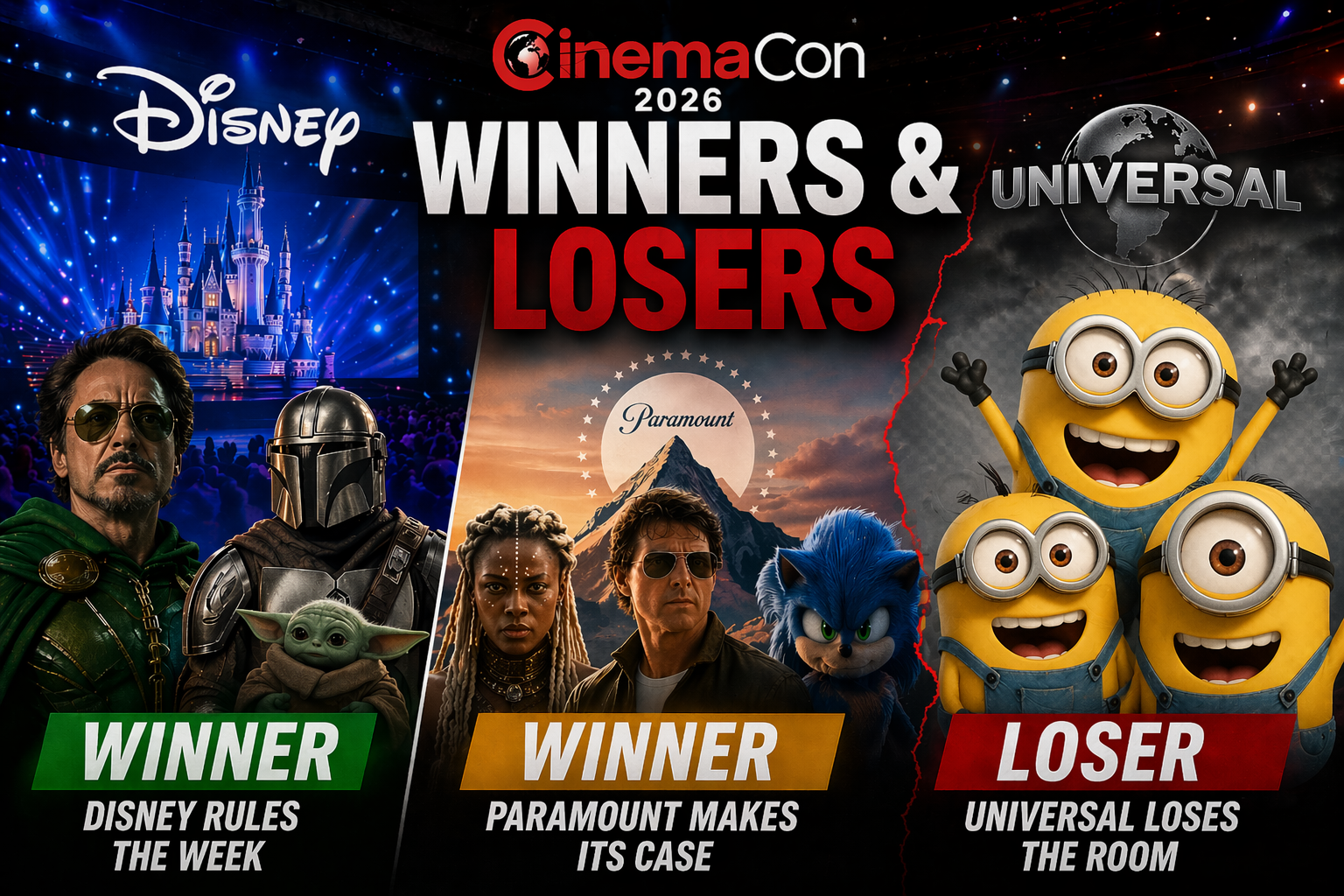

CinemaCon 2026 arrived in Las Vegas with Hollywood still searching for the same answers that have defined the post-pandemic theatrical era. What kinds of movies still drive urgency? How much does premium presentation matter? Can new franchises emerge in a marketplace dominated by legacy brands? And which studios are willing to stand in front of exhibitors and make real commitments?
Over four days, the answers came through star appearances, exclusive footage, executive promises and the carefully choreographed art of selling excitement. Some studios used the week to project confidence and control the narrative. Others had worthwhile titles but struggled to shape compelling presentations around them. By the end of the convention, a few clear winners had emerged, several quiet losers had been exposed and one larger truth became impossible to ignore: Hollywood still believes scale is the safest bet.
Biggest Winner: Walt Disney Studios
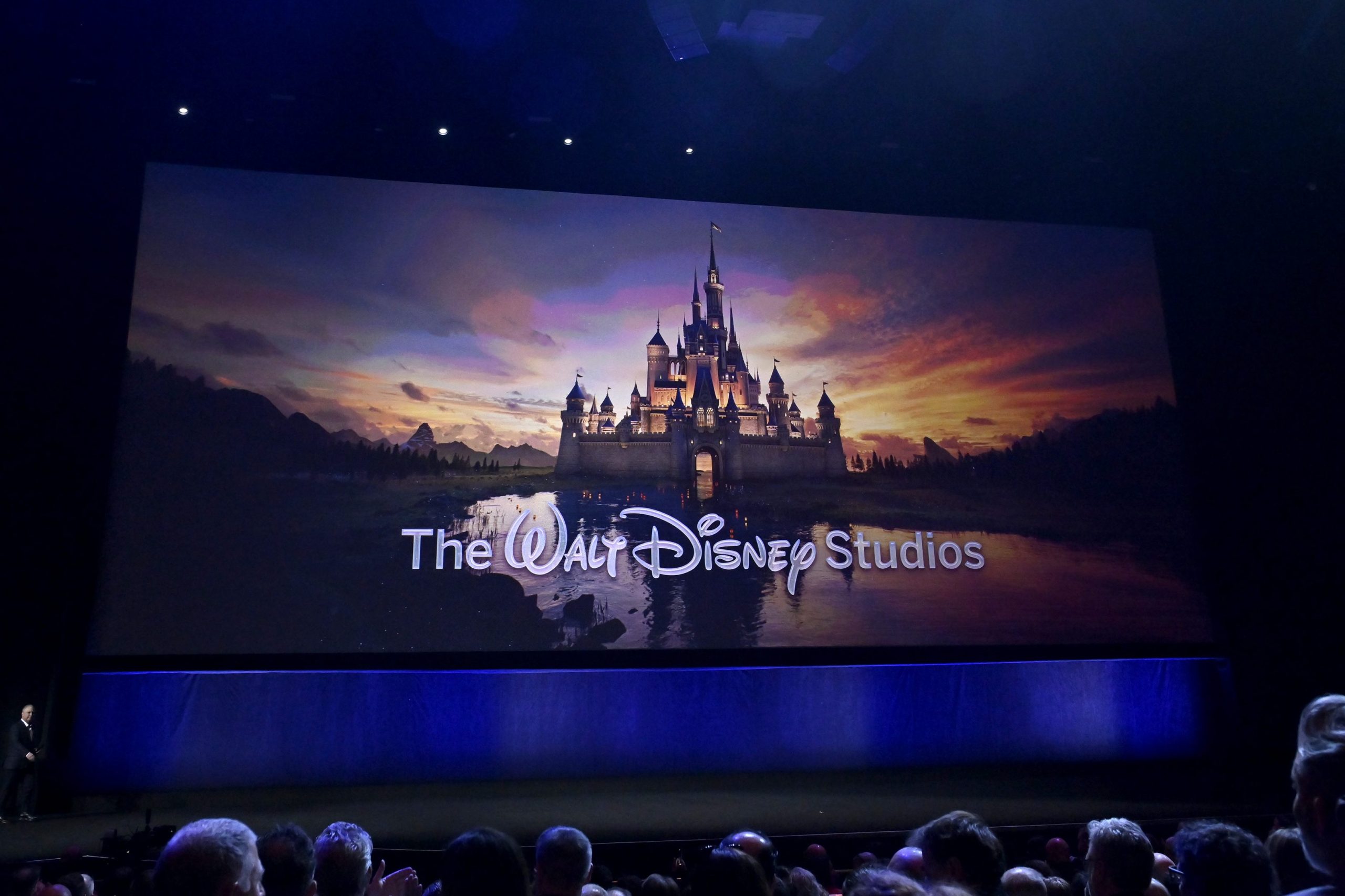
Disney entered the final day with the pressure that comes from closing CinemaCon and left with the crown.
The studio understood the assignment better than anyone else. Rather than simply cycle through release dates, Disney built a presentation that reinforced why its brands remain central to the theatrical ecosystem. The Mandalorian & Grogu reminded the room that Star Wars still commands event-level interest when brought back to the big screen. Toy Story 5 played directly into multigenerational nostalgia while underscoring Pixar’s continued reliability as a family powerhouse.
Disney also smartly used the convention to unveil Infinity Vision, a new premium large-format certification created with exhibition partners. The move signaled that Disney sees the future of theatrical not just in major IP, but in premium experiences audiences cannot recreate at home.
Then came Marvel.
By the time Disney exited the stage, it had done more than preview movies. It had reasserted itself as the studio most capable of turning theatrical releases into cultural moments.
The Movie That Won CinemaCon: Avengers: Doomsday
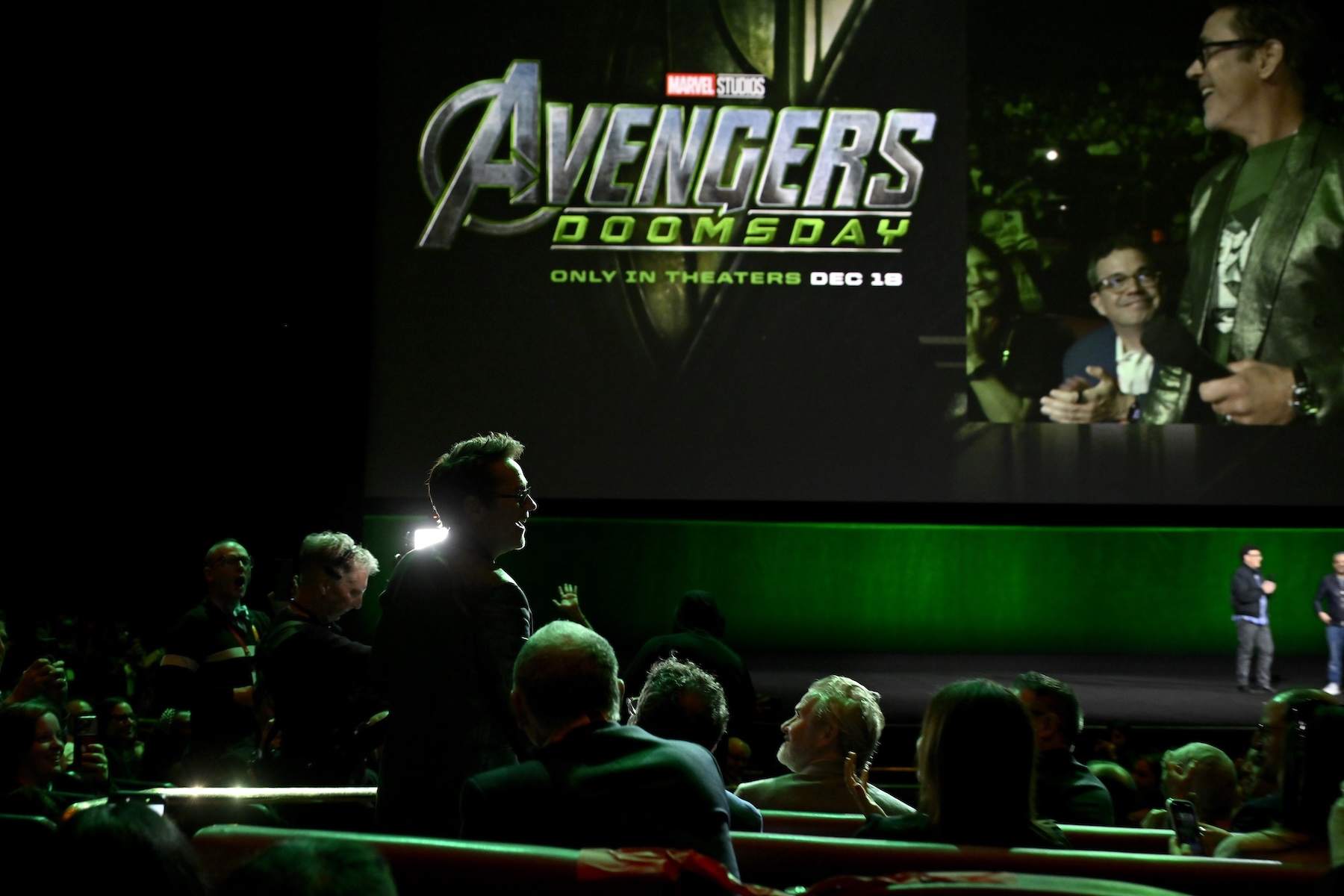
No title dominated conversation more than Avengers: Doomsday.
For attendees, this was not merely a trailer screening. It was a first look at Marvel attempting to reset the stakes of its universe, and it succeeded. Those in the room were among the first people in the world to see the footage, a reminder that CinemaCon still matters when studios bring genuine exclusives.
The trailer reportedly opened with an unmasked Victor Von Doom, played by Robert Downey Jr., revealing a scarred face and speaking in a vaguely Eastern European, Latverian accent. That image alone carried enormous symbolic weight: the actor most associated with the MCU’s greatest hero now embodying one of its most feared villains.
The footage then escalated into full multiversal warfare. Channing Tatum’s Gambit was shown battling Shang-Chi, while Mystique and Yelena Belova engaged in a shape-shifting showdown in which both appeared as Florence Pugh. In one standout sequence, Thor attempted to strike Doom with Stormbreaker, only for Doom to casually stop the weapon with two fingers, immediately establishing him as a threat of uncommon scale.
The trailer closed with the moment attendees discussed most afterward: a bearded Steve Rogers, played by Chris Evans, appearing before Thor and effortlessly summoning Mjolnir from the thunder god’s hand.
Why did it land so strongly? Because it hit every pressure point Marvel fans care about. Downey as Doom creates a deeply personal “Iron Man paradox.” Chris Evans lifting Mjolnir again invokes Endgame nostalgia while twisting it into something darker. Fox-era X-Men integration delivers crossover wish fulfillment. Even the completed Avengers Tower paid off a mystery fans have followed since Spider-Man: Homecoming.
Earlier questions about Marvel fatigue quickly gave way to a far simpler one: when can tickets go on sale?
The Studio That Needed a Win: Paramount Pictures
No major studio entered Las Vegas under more complicated circumstances than Paramount.
With merger speculation hanging over the company, exhibitors wanted reassurance that the studio remained committed to theatrical and capable of competing. Paramount wisely chose not to sidestep the issue.
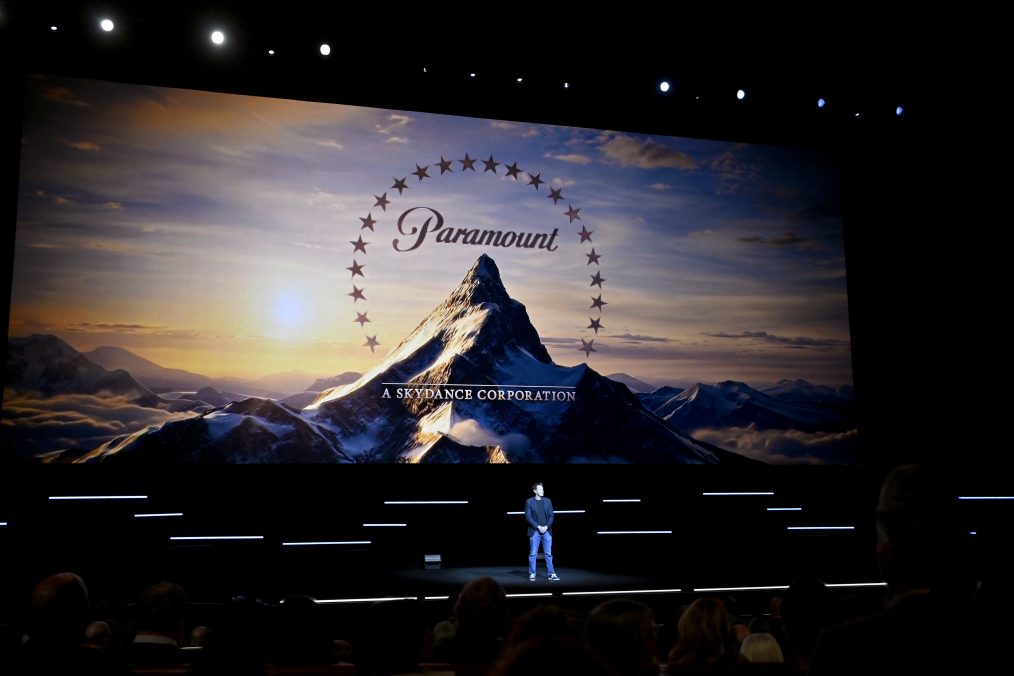
David Ellison looked directly at theater owners and declared: “I wanted to look every single one of you in the eye and give you my word: Once we combine with Warner Bros., we are going to make a minimum of 30 films annually across both studios.”
That statement landed because it addressed the room’s core concern: pipeline. Theater owners want more movies, consistent windows and studios willing to prioritize cinemas. Ellison’s promise, coupled with broader commitments to theatrical exclusivity, reportedly drew cheers.
The content helped. Top Gun 3 confirmation immediately reminded attendees Paramount still controls one of the industry’s most trusted blockbuster brands. Street Fighter delivered a flashy crowd moment. Children of Blood and Bone emerged as one of the week’s strongest breakout titles after a presentation that suggested major franchise ambitions.
Paramount did not need to win CinemaCon. It needed to calm nerves and look viable. It left looking stronger than that.
The Surprise Winner: Amazon MGM Studios
Amazon MGM’s presentation felt like the week’s clearest statement that a newer player can now compete with legacy studios on equal footing.
Fresh off the success of Project Hail Mary, the company delivered one of the most energetic showcases in Las Vegas. Rick Moranis’ appearance tied to Spaceballs: The New One generated one of the loudest nostalgia reactions of the convention. The Thomas Crown Affair, introduced by Oscar winner Michael B. Jordan, positioned itself as stylish adult-skewing event entertainment — an increasingly valuable lane in the modern market.
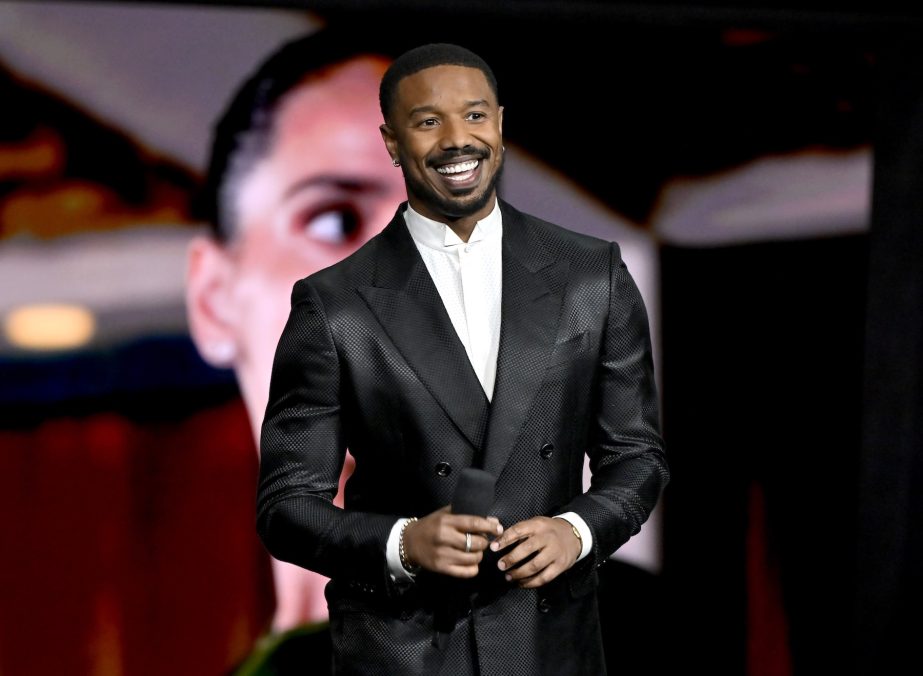
The company also showcased commercial depth through Highlander, Beekeeper 2, The Sheep Detectives and a much-discussed Masters of the Universe, whose footage reportedly surprised attendees with genuine blockbuster scale.
Executives reaffirming a commitment to 15 to 20 theatrical releases annually only strengthened the message. Amazon MGM no longer feels experimental. It feels established.
The Footage Everyone Kept Talking About: Masters of the Universe
Several attendees considered Masters of the Universe among the convention’s strongest footage presentations.
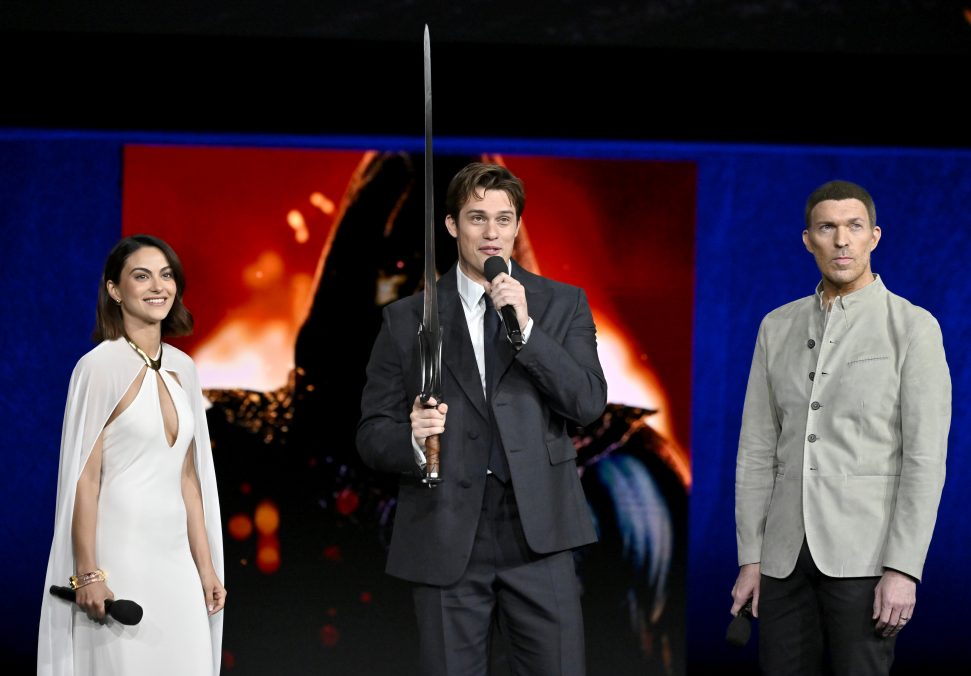
Rather than leaning into camp, the material reportedly embraced scale, sincerity and visual ambition. A sequence involving Prince Adam fleeing Beast Man before transforming with the iconic “I have the power!” declaration reportedly reframed the project as a serious four-quadrant contender.
That is exactly what CinemaCon is built to do: change perception in real time.
Quiet Winners: Angel Studios and STUDIOCANAL
While the majors battled for headlines, Angel Studios and STUDIOCANAL quietly used focused presentations to elevate their standing.
Angel continued to demonstrate a sharp understanding of underserved audiences, announcing an ambitious 10-film theatrical slate for 2026, pivoting from faith-based content to broader genres including action thrillers, historical epics, and animation with titles like Runner and The Brink of War. Animal Farm also got a good crowd reaction from its footage with laugher and cheers
STUDIOCANAL reinforced its status as a global powerhouse by leaning heavily into beloved franchises and prestige director-led projects. The biggest crowd-pleasers were the official announcement of Paddington 4 and a first look at the upcoming Aardman sequel, Shaun the Sheep: The Beast of Mossy Bottom. The studio also signaled a major push into the horror genre with the launch of its new Sixth Dimension label, which will handle upcoming reboots of cult classics like Escape From New York and The Howling.
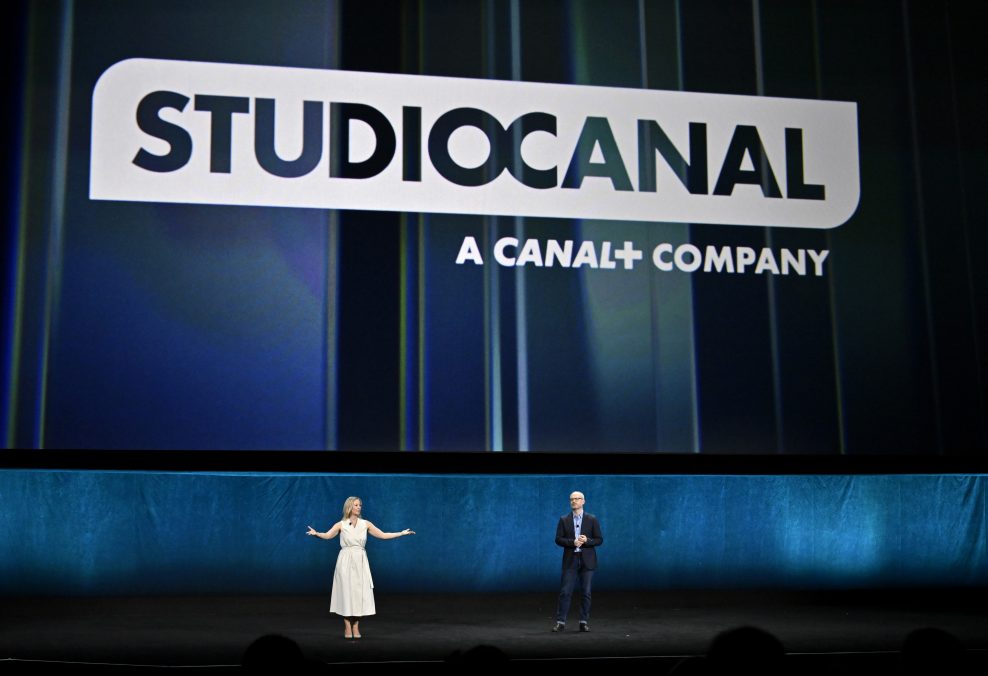
The slate also featured high-profile collaborations with top-tier talent, including Sydney Sweeney in the costume drama The Custom of the Country and Danny Boyle’s Murdoch-themed drama Ink, starring Guy Pearce. By showcasing a mix of massive family IPs like Pippi Longstocking alongside auteur-driven films from directors like Justine Triet, STUDIOCANAL positioned itself as a versatile studio capable of balancing commercial blockbusters with awards-season contenders.
Neither needed to dominate the week. Both succeeded in leaving more relevant than they arrived.
Quiet Loser: Universal Pictures and Focus Features
Universal’s issue was not talent or slate quality. It was momentum.
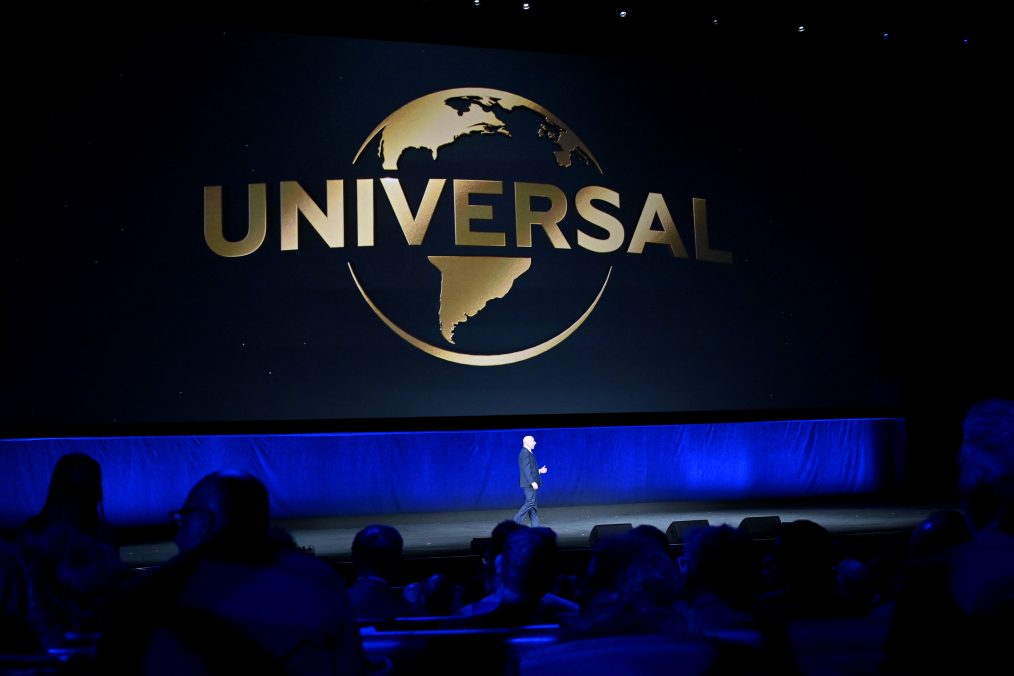
On paper, the studio had enviable star power, bringing out Christopher Nolan, Steven Spielberg, Robert De Niro, Ben Stiller and Snoop Dogg. That is a heavyweight lineup by any standard. But the presentation repeatedly drifted.
Too much time was devoted to Minions & Monsters, which felt like safe brand maintenance rather than urgent convention material. Jack Black celebrating The Super Mario Galaxy Movie, already in release, felt more like a goodwill gesture toward Illumination than a compelling look ahead.
Even meaningful prestige moments slowed the pace. Spielberg receiving the MPA America250 Award was deserved and warmly received, especially when he pulled out handwritten notes rather than giving a canned acceptance speech or maybe not to give a speech at all. Not only with the anticipation for one of the biggest movies of the year Disclosure Day and the ideal of seeing some footage, this was also delayed with what could be called an interview with the amazingly talented Colman Domingo and Steven Spielberg further delaying things and even having this presentation going longer than its assigned time. But in a presentation where tempo matters, the segment added to a broader sense of drag.
Universal had all the ingredients. It simply struggled to turn them into a show.
Quiet Loser: NEON
NEON did not have a bad slate. It had a bad week to be subtle.
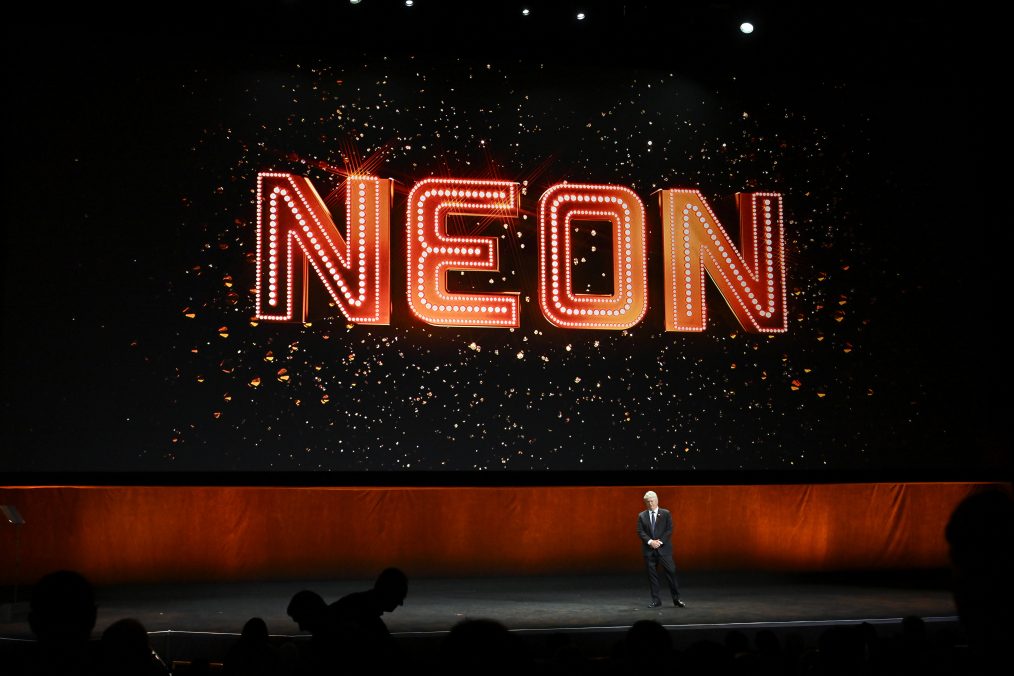
The company showcased intriguing material, particularly Hope, a Na Hong-jin sci-fi creature feature starring Michael Fassbender and Alicia Vikander involving spaceships, monster attacks and citywide destruction. It also highlighted A Place in Hell, I Love Boosters, Hokum and Leviticus.
The problem was that much of the slate had already been announced, screened early or discussed elsewhere. In a week where competitors arrived with exclusive reveals, giant franchise footage and must-see moments, NEON often felt like it was revisiting known information rather than creating new urgency.
At festivals, that approach can work. At CinemaCon, it gets drowned out.
What CinemaCon Told Hollywood
The larger message from Las Vegas was clear: go big or risk being ignored.
Premium experiences remain central, as Disney’s Infinity Vision initiative made plain. Nostalgia still works, whether through Toy Story, Top Gun, Spaceballs or Masters of the Universe. Executives understand exhibitors want volume and windows. And nearly every studio with momentum leaned on scale, certainty or recognizable brands.
CinemaCon 2026 did not solve Hollywood’s long-term questions. But it revealed where the industry still believes the answers live: bigger screens, bigger brands and bigger swings.

Editor-in-Chief | Owner
I’m a dedicated aficionado of all things movies, pop culture, and entertainment. With a passion for storytelling and a love for the silver screen, I’m constantly immersed in the world of cinema, exploring new releases, classics, and hidden gems alike. As a fervent advocate for the power of film to inspire, entertain, and provoke thought, I enjoy sharing my insights, reviews, and recommendations with fellow enthusiasts.