



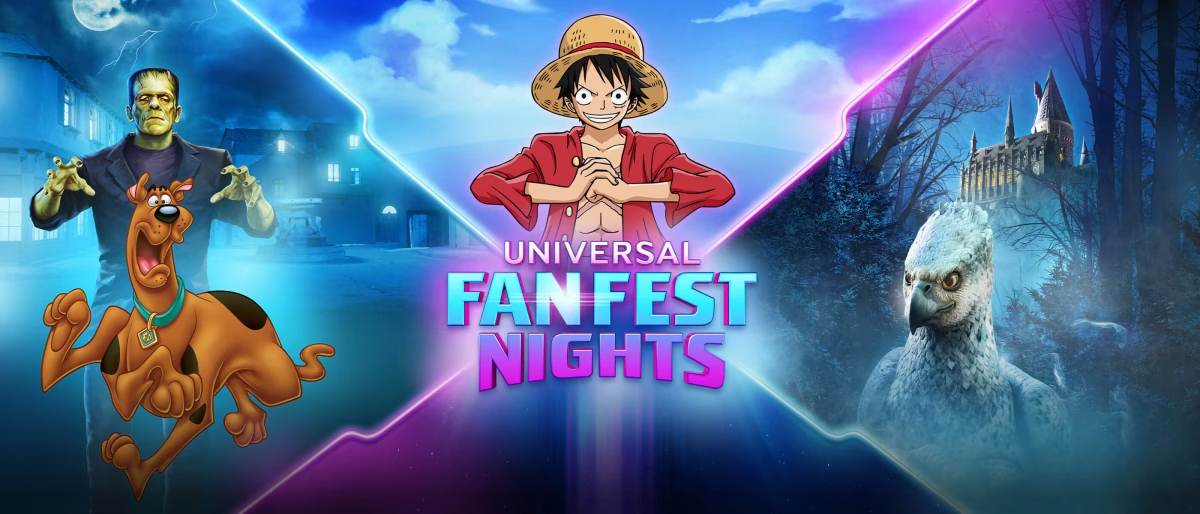
Universal Fan Fest Nights has officially concluded its inaugural 2026 run at Universal Studios Hollywood, but after experiencing the event firsthand, one thing became incredibly clear: this absolutely needs to become a yearly tradition for fandom and theme park fans alike.
Running on select nights from April 23 through May 16, Universal Fan Fest Nights transformed Universal Studios Hollywood into a sprawling after-hours celebration of anime, fantasy, sci-fi, gaming, and pop culture fandoms through immersive walkthroughs, live stunt spectaculars, interactive experiences, themed food, exclusive merchandise, and limited-time entertainment. The separately ticketed event operated from 7:30 PM to 1:30 AM across 12 exclusive nights, giving guests rare nighttime access to some of the park’s biggest attractions while introducing entirely new fandom-driven experiences throughout both the upper and lower lots.
And while the event clearly experienced some first-year growing pains operationally, Universal may have quietly created one of the most exciting new theme park concepts in the country.


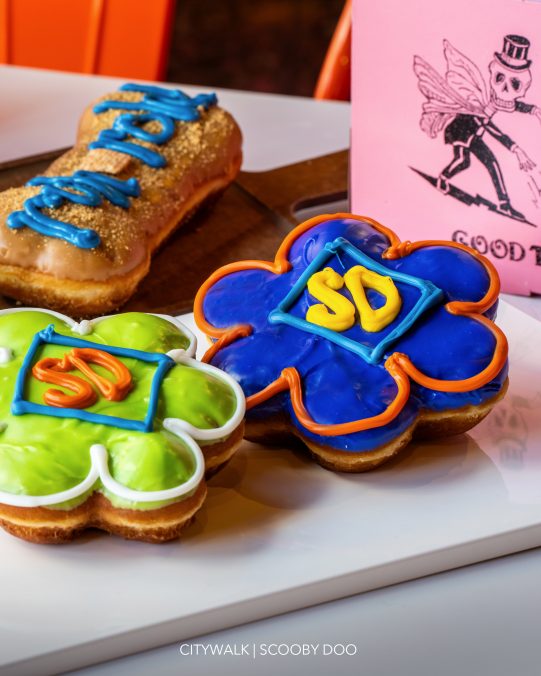
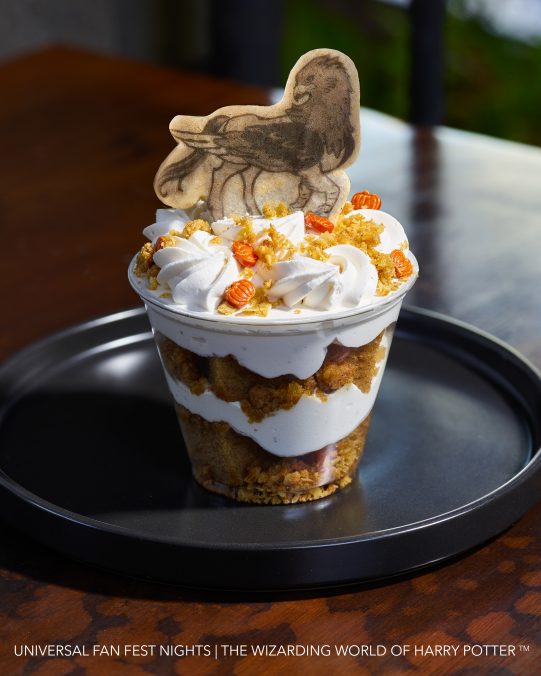
What made Fan Fest Nights stand out wasn’t simply the intellectual properties attached to it. Universal approached each franchise with the same level of theatrical ambition and immersive storytelling that helped make Halloween Horror Nights a global phenomenon.
Except this time, instead of fear, the focus was celebration.
Whether you were walking through Hogwarts at night, watching live-action anime characters leap through pyrotechnics, solving mysteries alongside Scooby-Doo, or exploring fantasy taverns inspired by Dungeons & Dragons, the event constantly felt designed by people who actually understood why fans emotionally connect with these worlds.
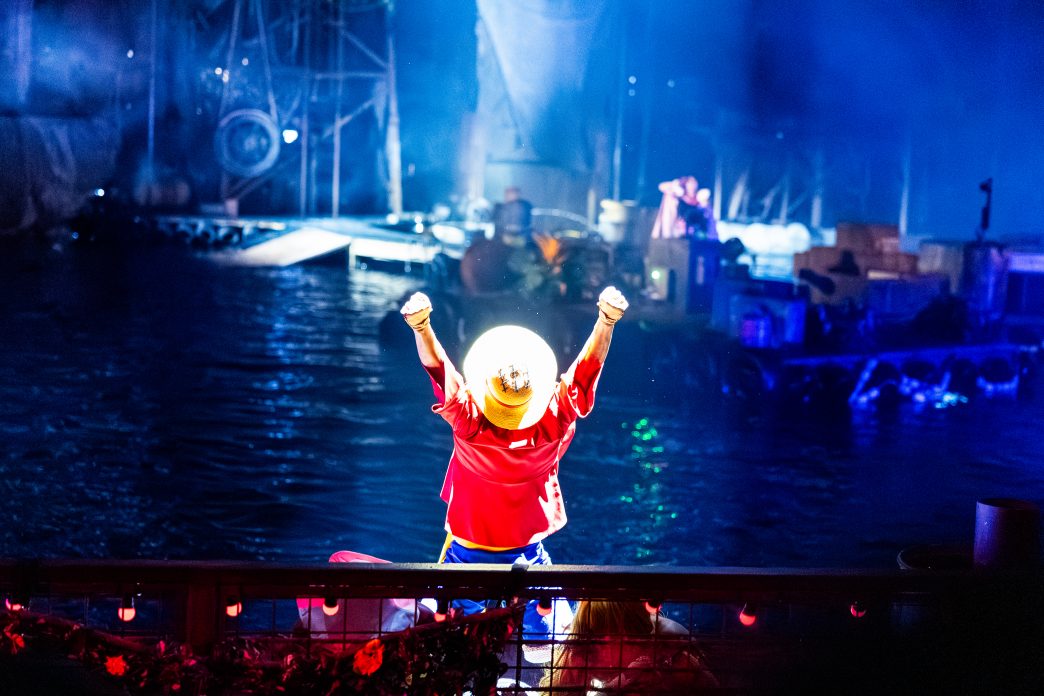
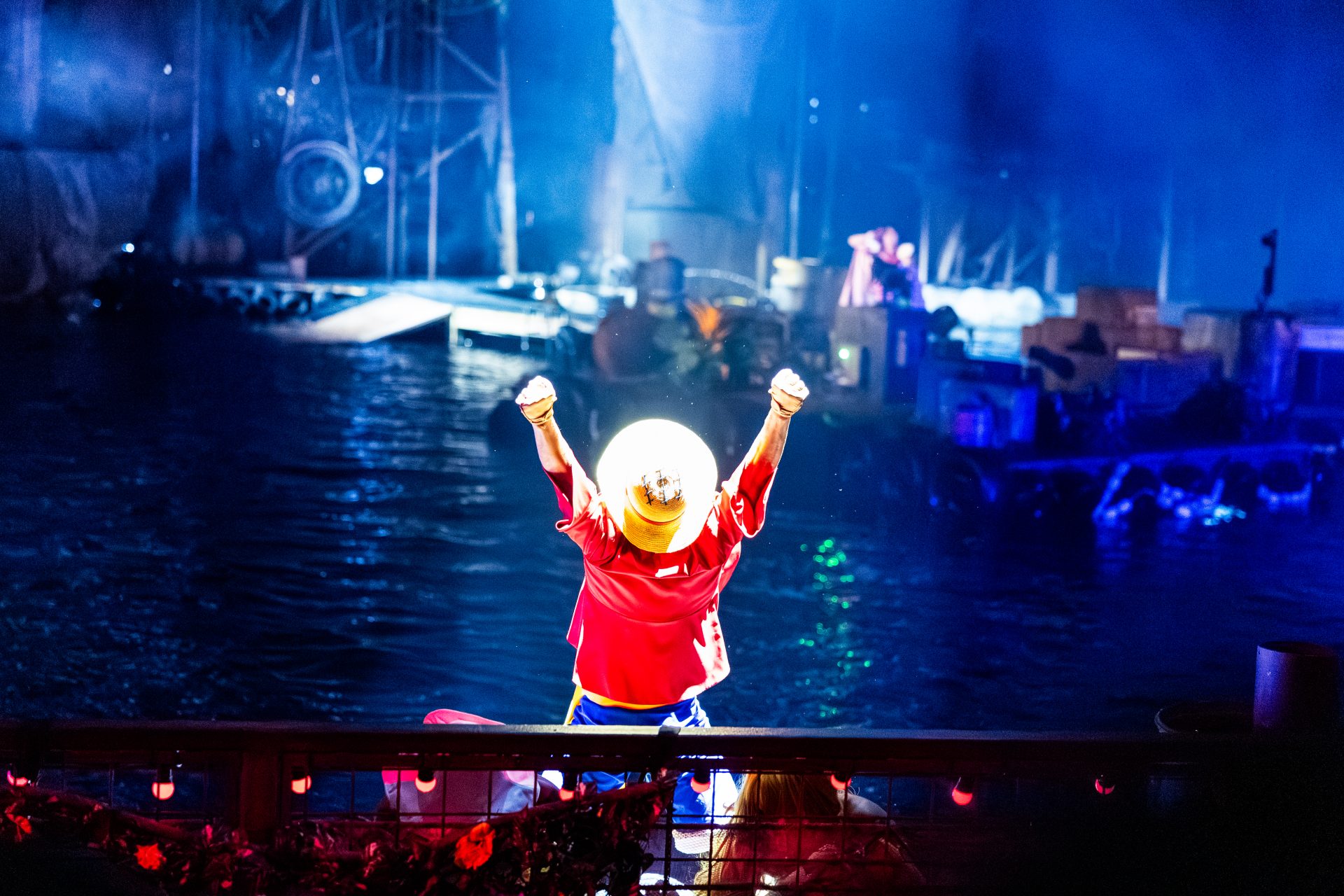
And nowhere was that more obvious than inside the One Piece: Grand Pirate Show.
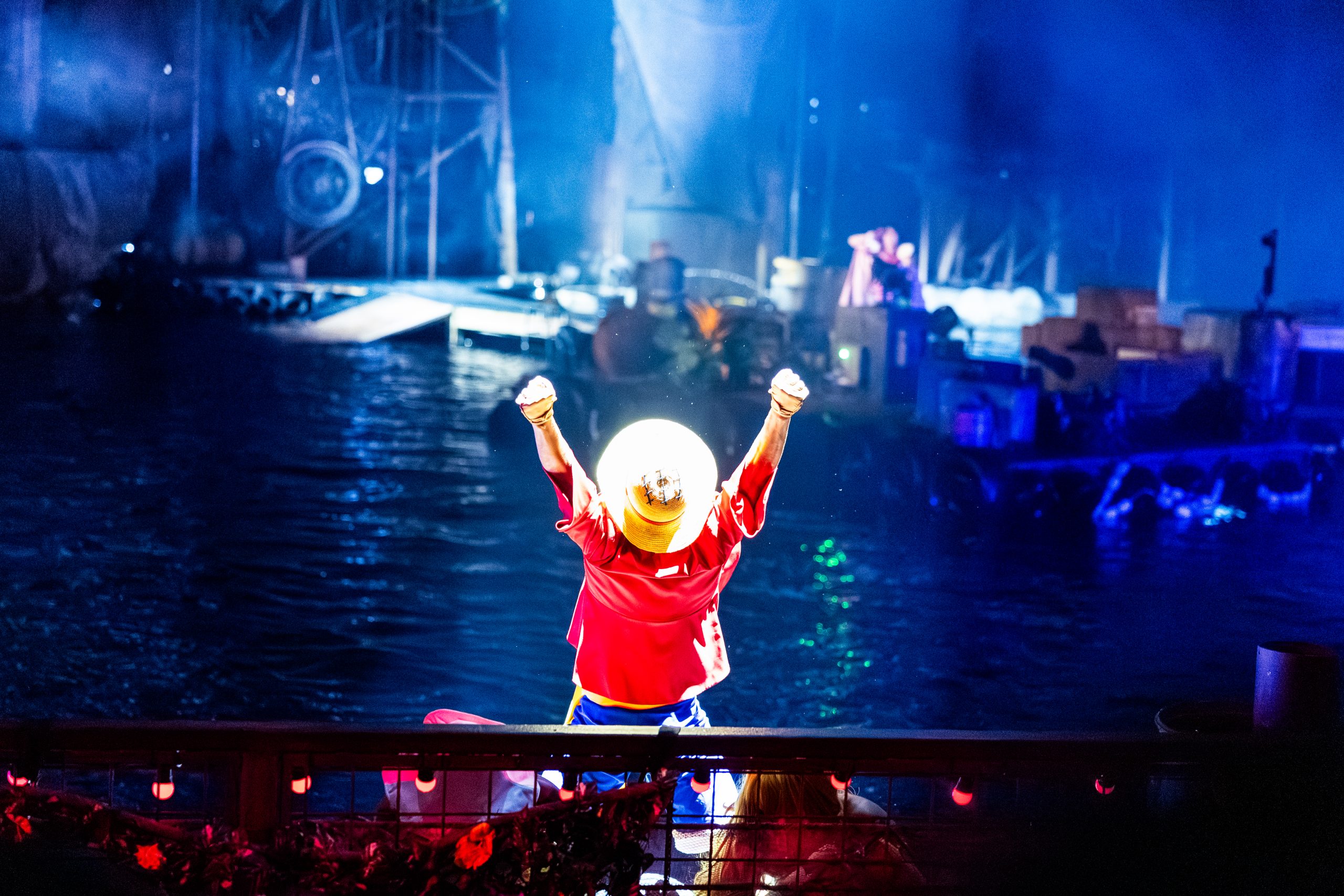
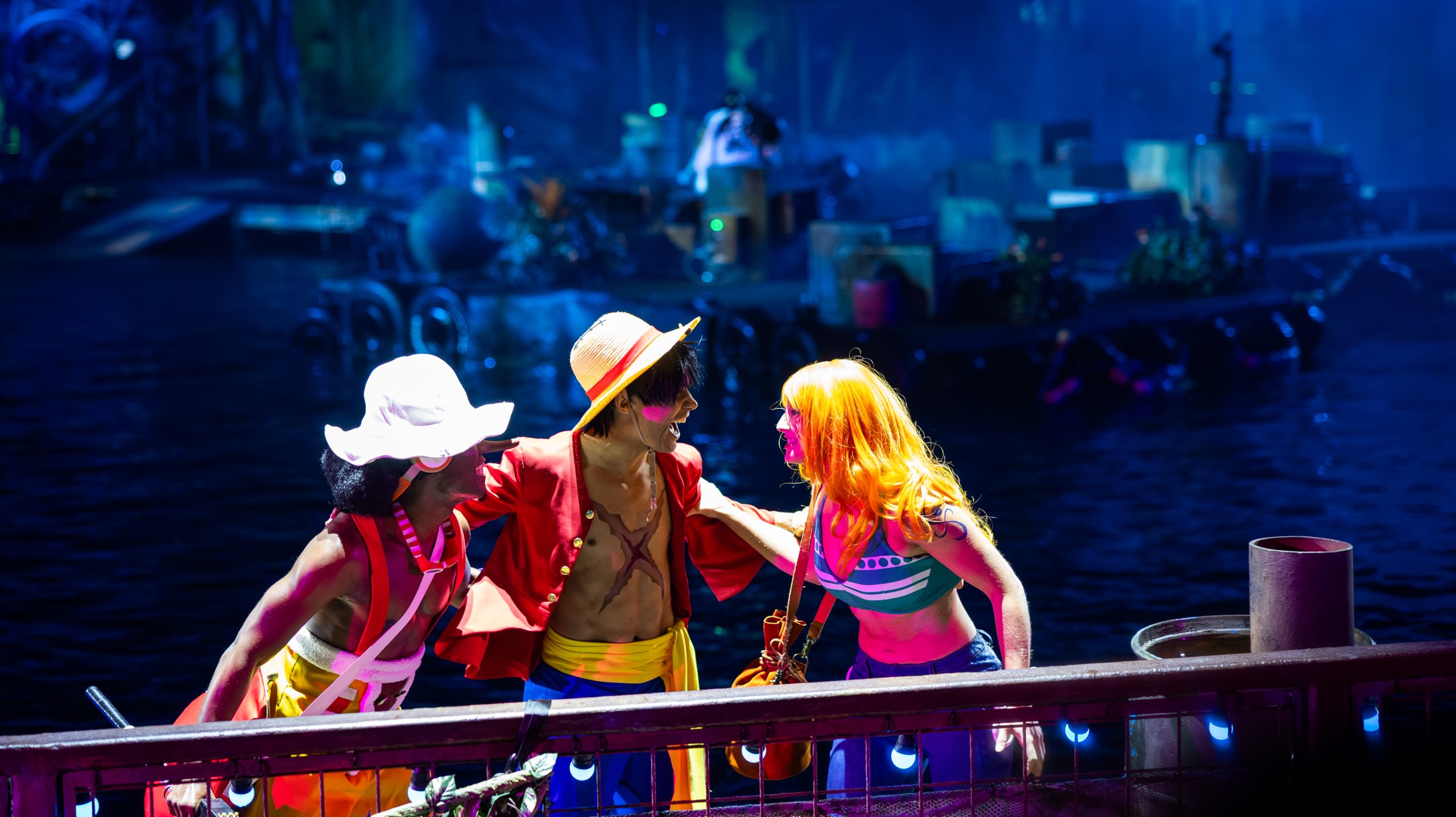
Without question, One Piece became the breakout star of Fan Fest Nights 2026.
Located inside the WaterWorld arena, the massive stunt spectacular transformed the venue into “Midori Island” as Luffy, Zoro, Nami, Sanji, Usopp, Chopper, and Buggy exploded onto the stage through full-scale stunt choreography, practical effects, pyrotechnics, and crowd interaction that felt ripped directly from the anime itself.
The scale of the production honestly shocked me.
One of the biggest anime franchises in the world deserved a presentation that felt massive, and Universal absolutely delivered. The actors committed fully to the exaggerated energy and personality fans expect from One Piece, while the action sequences felt far larger than what most guests probably expected from a theme park event.
And honestly? I could have watched another 30 minutes of it easily.
The crowd reactions throughout the show felt electric from beginning to end.
Another major standout came from Pretty Guardian Sailor Moon: The Miracle – Moon Palace Chapter Deluxe inside the DreamWorks Theater. While more stage-show driven than some of the interactive walkthroughs, the production leaned heavily into vibrant visuals, nostalgia, and character performance in ways that clearly connected with longtime anime fans.
The Sailor Moon actress herself became one of the event’s biggest attractions. Her photo-op line remained packed throughout the night with fans waiting extended periods just for a brief interaction and picture. What made it work though was how fully she embraced the role. She never felt detached from the character or experience. Fans were emotionally invested, and the performance matched that same level of passion back.
That connection between performer and fandom consistently elevated the event beyond simple photo opportunities.
Universal also created one of the event’s most visually impressive attractions with Forbidden Forest: Search for the Hippogriff inside The Wizarding World of Harry Potter.
The 12-minute nighttime walkthrough guided guests through darkened Hogwarts grounds filled with magical creatures, atmospheric lighting, practical effects, and some genuinely incredible animatronic work. The massive Hippogriff finale especially became one of the most talked-about moments of the night, with the entire presentation feeling cinematic in scale despite being built into an unused queue space.
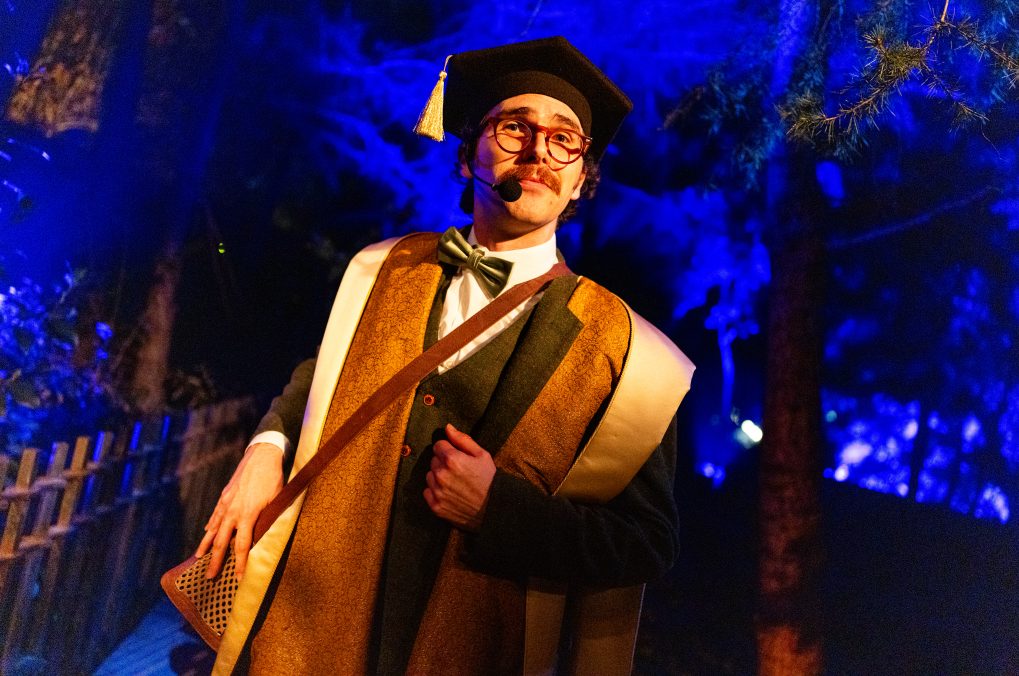
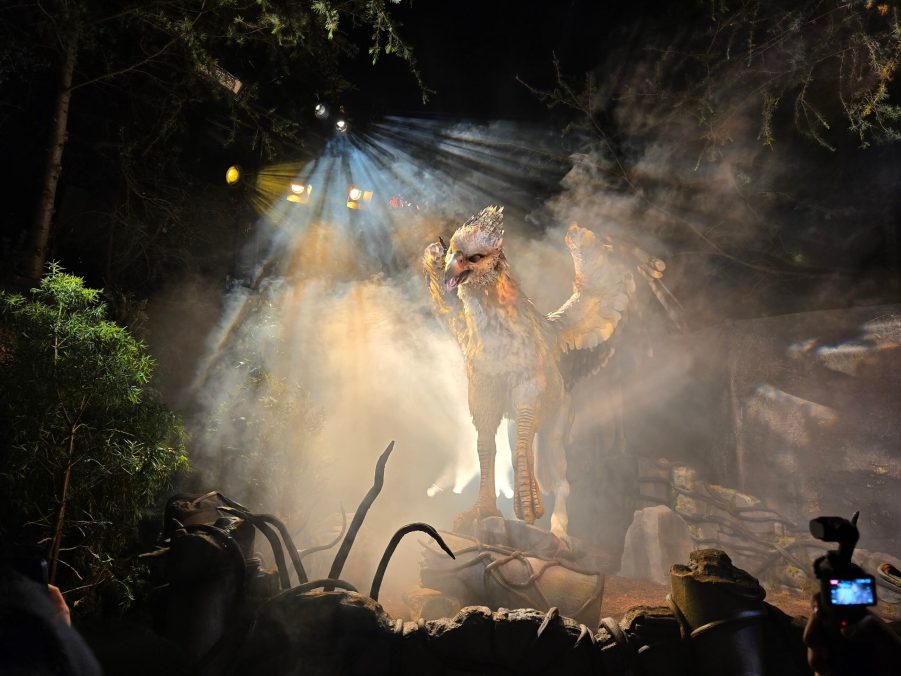
The visuals, sound design, and environmental storytelling all worked beautifully.
But this attraction also highlighted one of the biggest challenges Fan Fest Nights faced overall: crowd management.
Because the event was so ambitious and demand became so high, several experiences developed extremely long wait times throughout the evening. Forbidden Forest routinely reached waits between two and three hours in general standby, making Express Passes feel almost essential for guests hoping to maximize their night.
The same issue appeared around One Piece food lines, meet-and-greets, and transportation bottlenecks surrounding Scooby-Doo Meets the Universal Monsters: Mystery on the Backlot.
The Scooby-Doo experience itself was genuinely fun and creatively designed. Guests boarded Studio Tour trams before entering the famous backlot to help Mystery Inc. solve the case of the “Phantom Director” while encountering Dracula, Frankenstein, Wolf Man, and other classic Universal Monsters along the way.
Universal even rotated clue booklets and mystery outcomes depending on the night, adding replayability to the attraction.
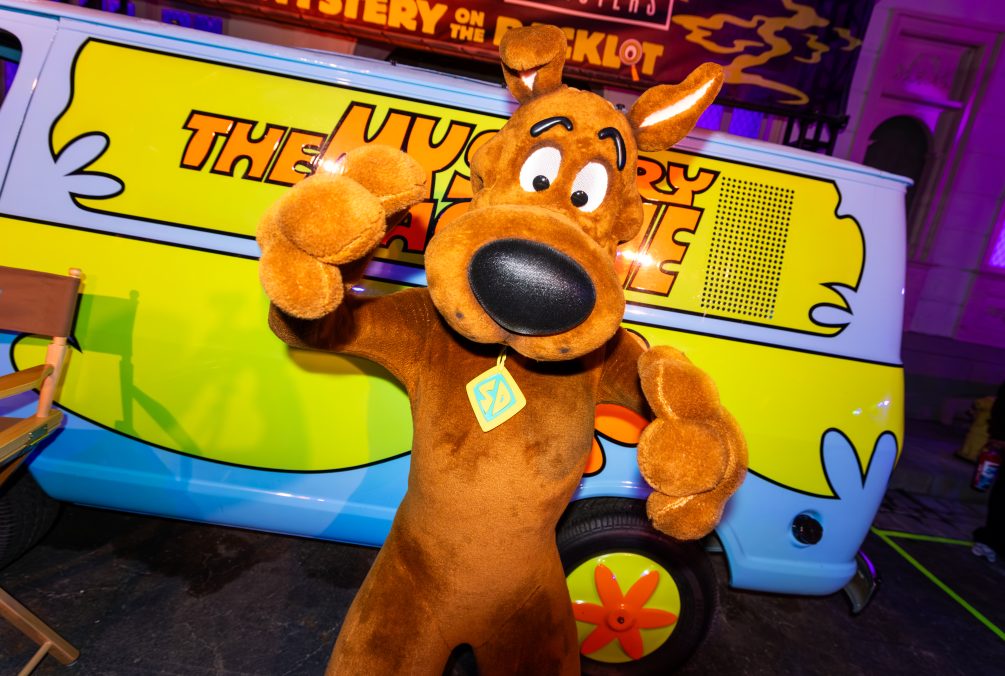
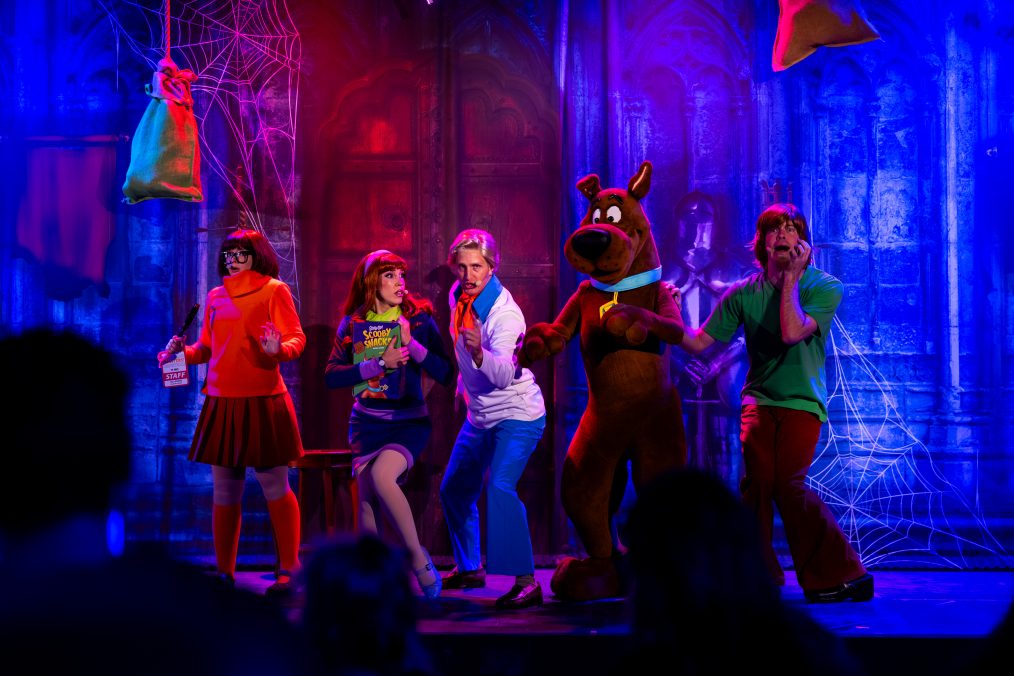
But because the experience required transportation deep into the backlot and back again afterward, it also became one of the evening’s biggest time investments. While enjoyable, it occasionally felt difficult to justify sacrificing large chunks of your night when so many other experiences competed for attention.
Still, even with those logistical frustrations, Fan Fest Nights succeeded because of something more important:
It understood fandom culture.
This never felt like a corporate checklist of intellectual properties awkwardly shoved together. Universal clearly respected these fandoms and invested heavily into making each area feel authentic to the people who love them. The event captured the same kind of emotional excitement usually reserved for conventions or major live fan celebrations, but inside a functioning theme park environment.
That distinction matters.
Unlike traditional conventions, guests weren’t simply buying merchandise or attending panels. They were physically stepping into these worlds through practical sets, performers, interactive storytelling, themed food, nighttime lighting packages, roaming characters, and live entertainment.
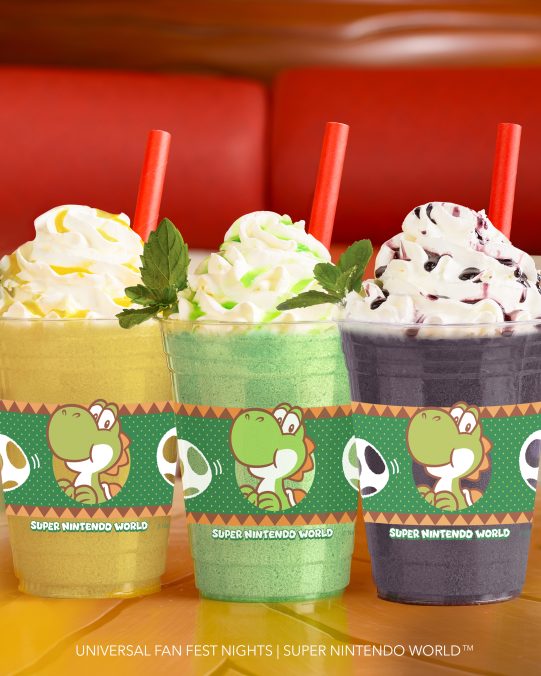
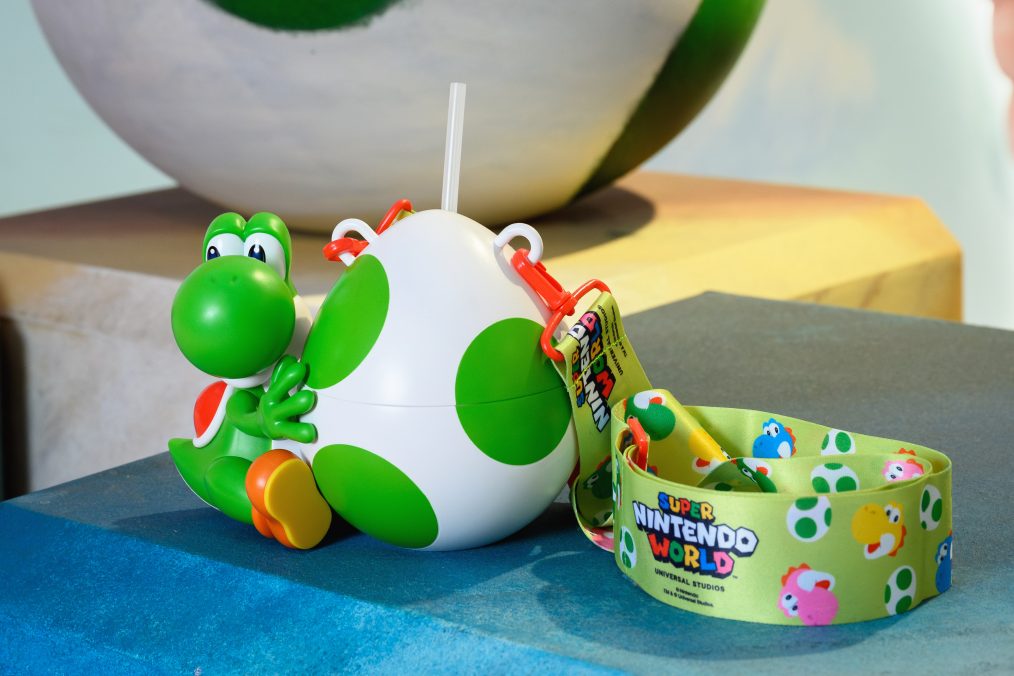
Even smaller additions like roaming Yoshis inside Super Nintendo World, custom fandom-inspired food menus, imported merchandise, and event-exclusive collectibles helped the night feel far more curated than a standard seasonal overlay.
And honestly, that’s why Fan Fest Nights feels important moving forward.
Universal may have stumbled occasionally with crowd flow, attraction pacing, and operational logistics during year one, but the actual foundation of this event is incredibly strong. If Universal continues refining the experience while expanding the number of fandoms represented each year, Fan Fest Nights could easily evolve into one of the most anticipated annual theme park events in the country.
Because after experiencing it myself, one thing feels obvious:
Universal Fan Fest Nights may be over for 2026, but if you love anime, fantasy, gaming, sci-fi, or immersive theme park entertainment, it absolutely deserves a spot on your calendar next year.

Editor-in-Chief | Owner
I’m a dedicated aficionado of all things movies, pop culture, and entertainment. With a passion for storytelling and a love for the silver screen, I’m constantly immersed in the world of cinema, exploring new releases, classics, and hidden gems alike. As a fervent advocate for the power of film to inspire, entertain, and provoke thought, I enjoy sharing my insights, reviews, and recommendations with fellow enthusiasts.