


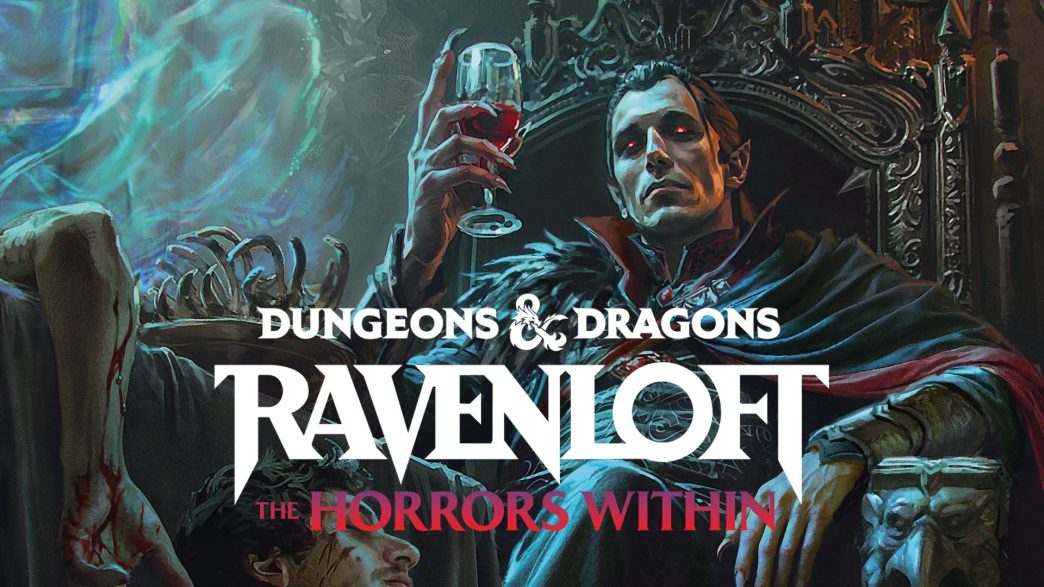
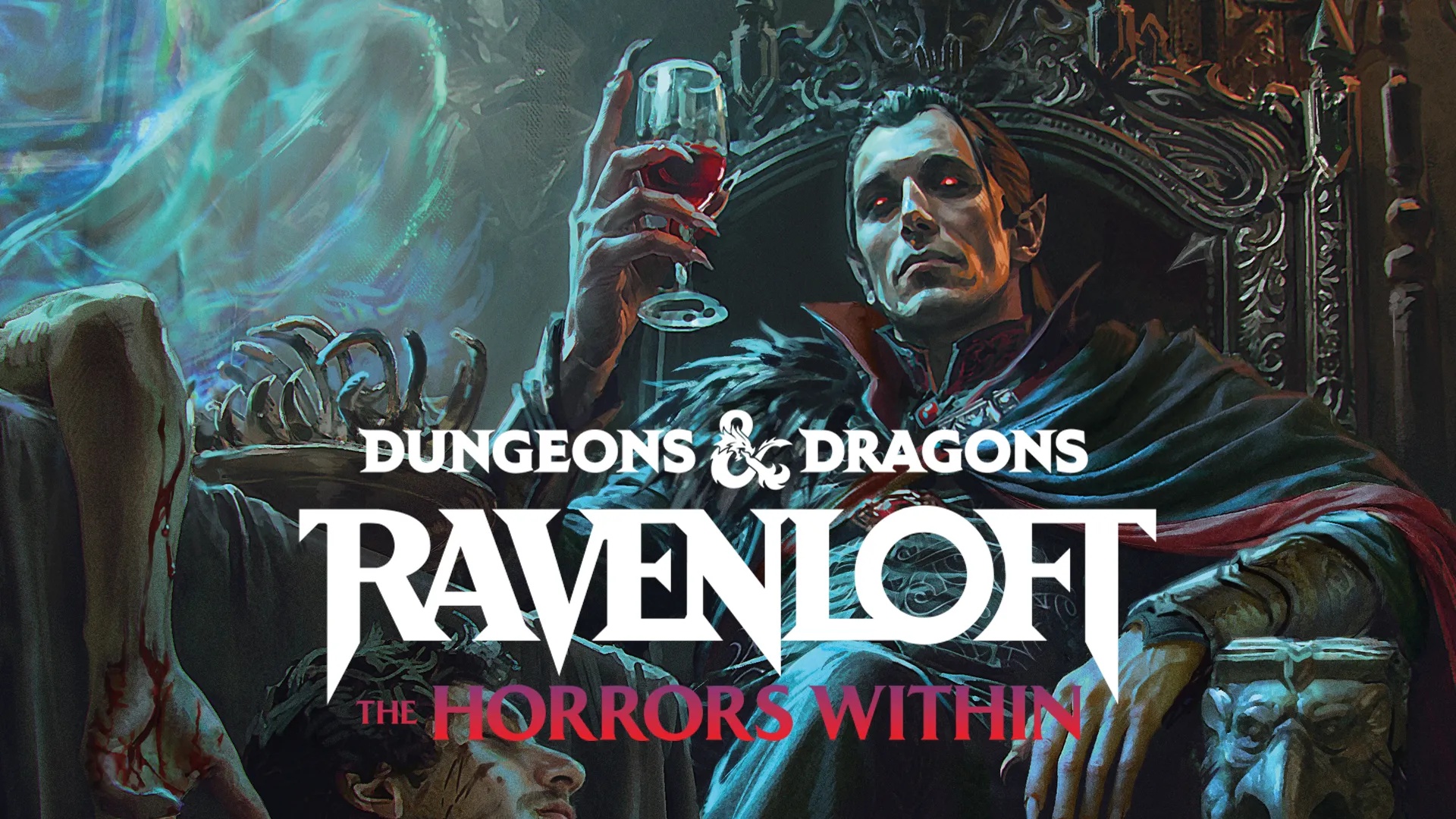

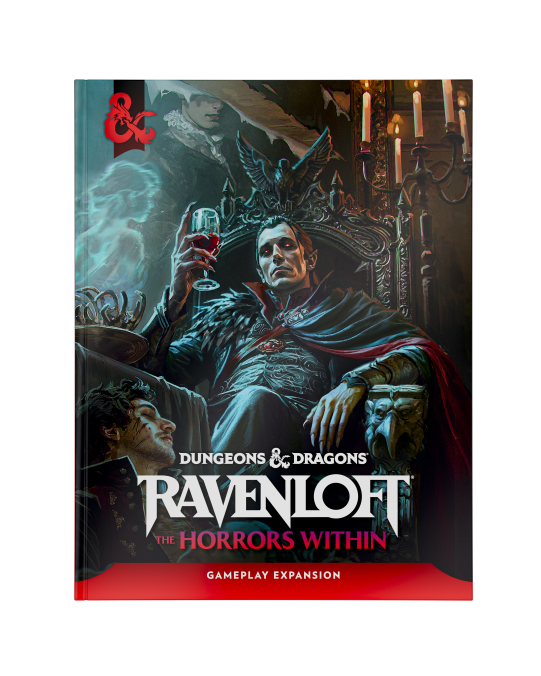
For years, Ravenloft has been synonymous with gothic horror in Dungeons & Dragons. Castles draped in mist, tragic vampires, cursed lands, and the ever-present shadow of Strahd von Zarovich have defined the setting for generations of players. With Dungeons & Dragons: Ravenloft – The Horrors Within, Wizards of the Coast isn’t simply revisiting that legacy. Instead, the newest sourcebook broadens the definition of horror itself, delivering one of the most ambitious setting books released for the 2024 ruleset.
Launching June 16, 2026, with early access already available on D&D Beyond, Ravenloft: The Horrors Within serves as both a campaign setting and a practical toolbox for Dungeon Masters looking to explore fear in all its forms. Whether your table prefers psychological horror, cosmic terror, body horror, folk horror, ghost stories, or traditional gothic nightmares, this book provides the resources needed to build those experiences from the ground up.
What makes this release particularly impressive is how much content is packed into its pages. Featuring 16 Domains of Dread, 17 Darklords, 68 monsters, 47 maps, 7 subclasses, 4 species, 4 backgrounds, 11 feats, and 17 adventures, the book feels less like a supplement and more like a complete horror expansion for modern Dungeons & Dragons.
A New Vision for Ravenloft
One of the biggest changes is philosophical rather than mechanical.
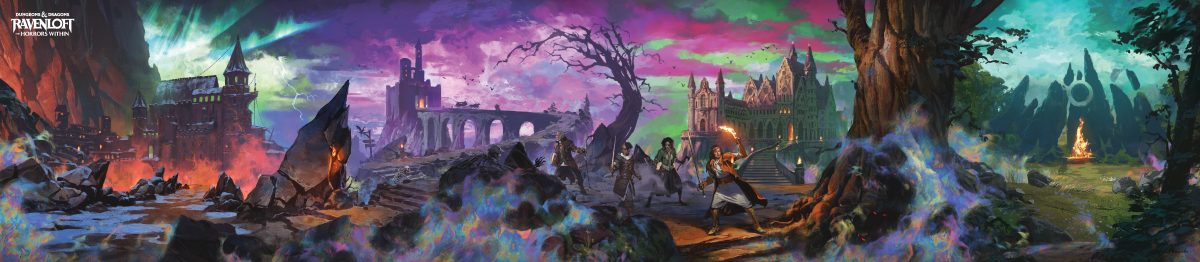
Previous Ravenloft books often leaned heavily into classic gothic imagery. While that influence remains intact, The Horrors Within embraces a broader spectrum of modern horror storytelling. The visual presentation immediately stands out thanks to its vibrant color palette and striking artwork that feels inspired as much by contemporary horror cinema as traditional fantasy.
The result is a book that feels surprisingly fresh. Rather than existing entirely in dark grays and muted tones, the artwork uses vivid colors to create unease and tension. Some pages are beautiful. Others are genuinely disturbing. Many manage to be both simultaneously.
This shift allows the book to move comfortably between horror subgenres without feeling constrained by a single aesthetic identity.
Cthulhu’s Arrival Changes Everything
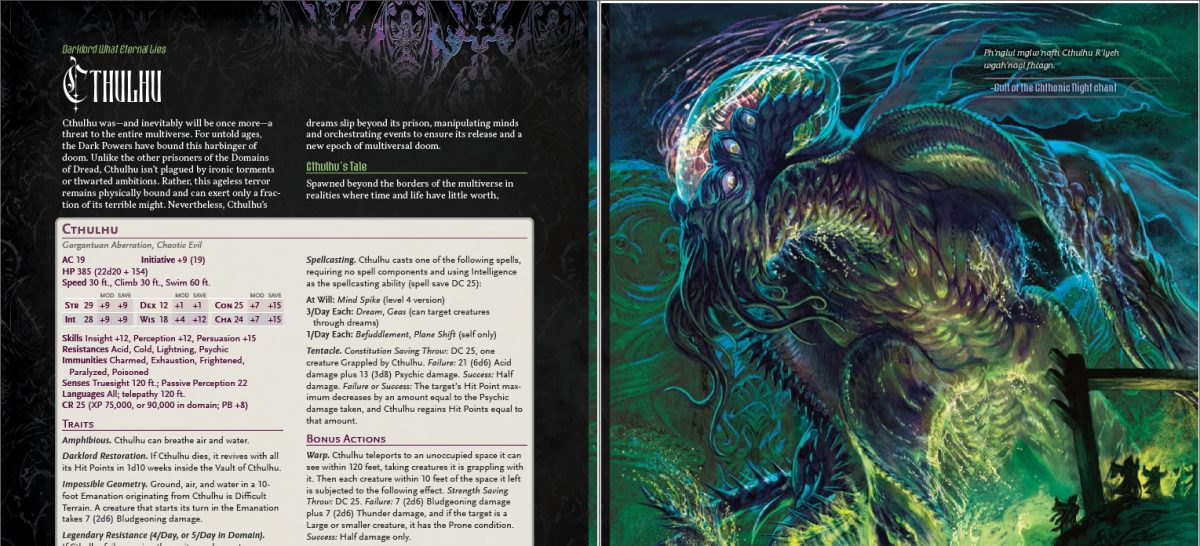
Perhaps the biggest surprise in the entire book is the inclusion of Cthulhu as a full-fledged Darklord.
For tabletop horror fans, this is the headline-grabbing addition. The iconic cosmic horror entity receives a substantial stat block and lore integration that places him within Ravenloft’s framework of Domains of Dread. Rather than feeling like a gimmick, the implementation appears thoughtfully designed around the themes of inevitability, madness, and existential terror that have defined Lovecraftian horror for generations.
The accompanying artwork is among the strongest in the entire book. Massive, alien, and unsettling, Cthulhu’s presentation perfectly captures the scale and incomprehensible nature expected from one of horror’s most recognizable creations.
For DMs interested in cosmic horror campaigns, this section alone may justify picking up the book.
New Character Options Embrace Horror
Player-facing content receives a significant upgrade compared to previous Ravenloft releases.
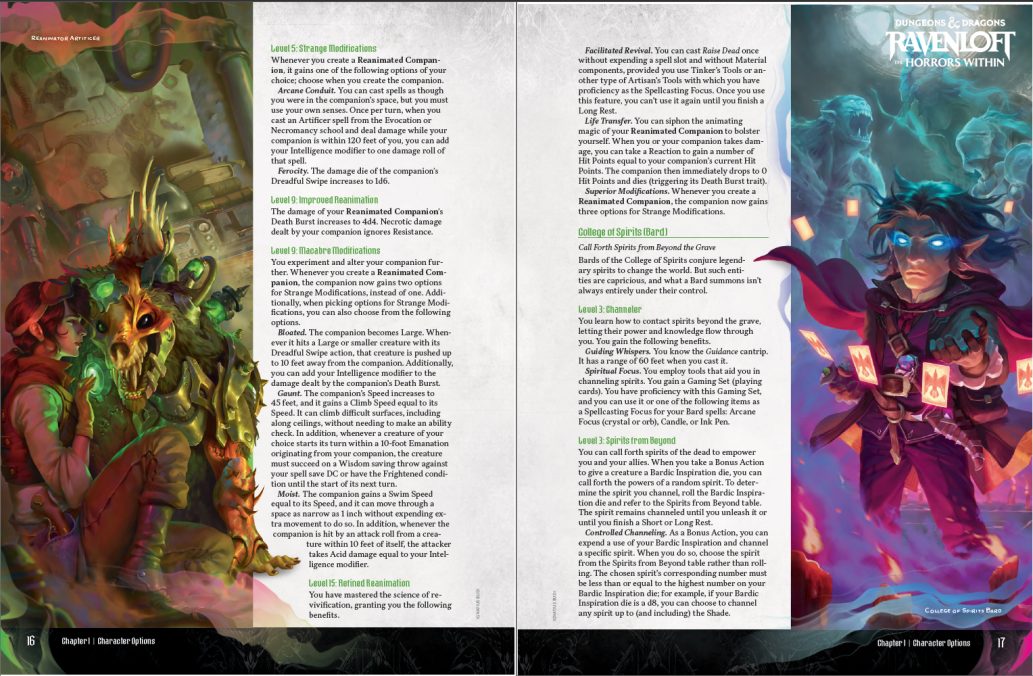
The standout addition is the Reanimator Artificer, a subclass that essentially allows players to create and customize reanimated companions. Equal parts Frankenstein and mad scientist, it offers a distinctive playstyle that feels perfectly suited for horror-themed campaigns.
The Hollow Warden Ranger is another immediate highlight. Drawing power from ancient terrors lurking in forgotten places, the subclass blends survival instincts with eldritch horror themes. The accompanying artwork for the subclass is some of the most visually striking character art in the book.
Several fan-favorite subclasses also return with updated support, including:
- College of Spirits Bard
- Grave Domain Cleric
- Phantom Rogue
- Shadow Sorcery Sorcerer
- Undead Patron Warlock
The horror themes remain strong throughout, but the subclasses never feel locked exclusively to Ravenloft campaigns. Many could easily find a home in traditional fantasy adventures.
Dark Gifts Become More Flexible
Another smart evolution comes through the redesign of Dark Gifts.
Rather than feeling like niche story mechanics, Dark Gifts have been reworked into character-building options that function more naturally within the updated rules framework. Players can embrace supernatural mutations, cursed abilities, or symbiotic entities that provide meaningful benefits while introducing compelling narrative complications.
This approach makes horror feel integrated into character creation instead of something imposed later by the Dungeon Master.
For roleplayers, these options provide some of the richest storytelling opportunities in the book.
The Darklords Steal the Show
While player options are excellent, the true stars of The Horrors Within remain the Darklords themselves.
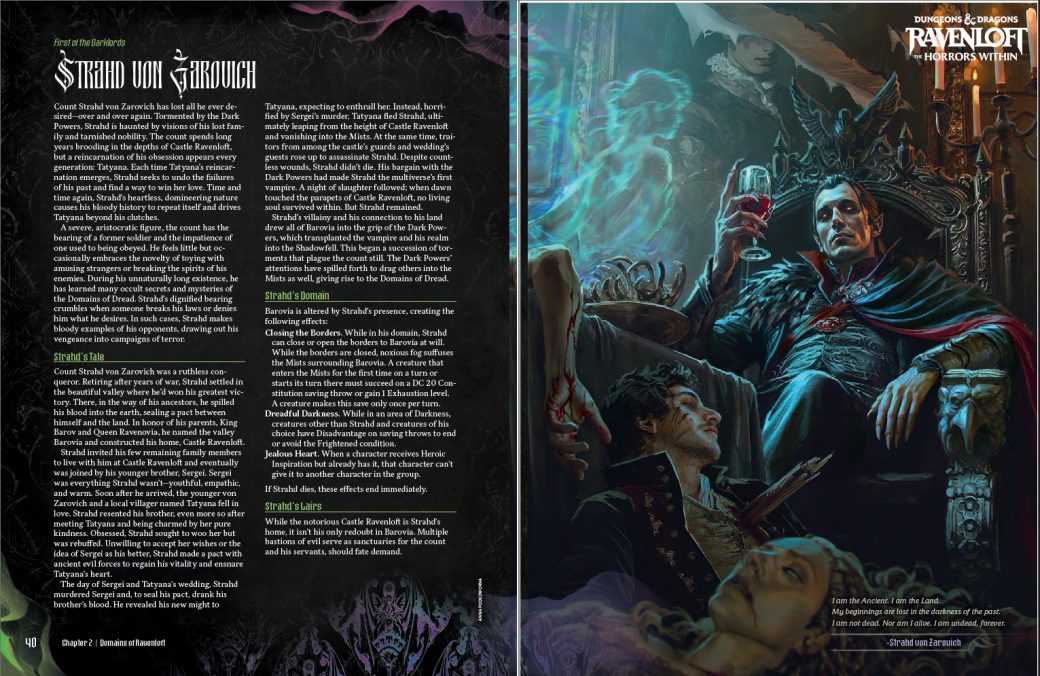
Returning icons like Strahd von Zarovich receive expanded treatment, while newer Darklords bring fresh concepts to the setting. Each Domain of Dread feels designed around a unique type of horror, helping prevent campaigns from feeling repetitive.
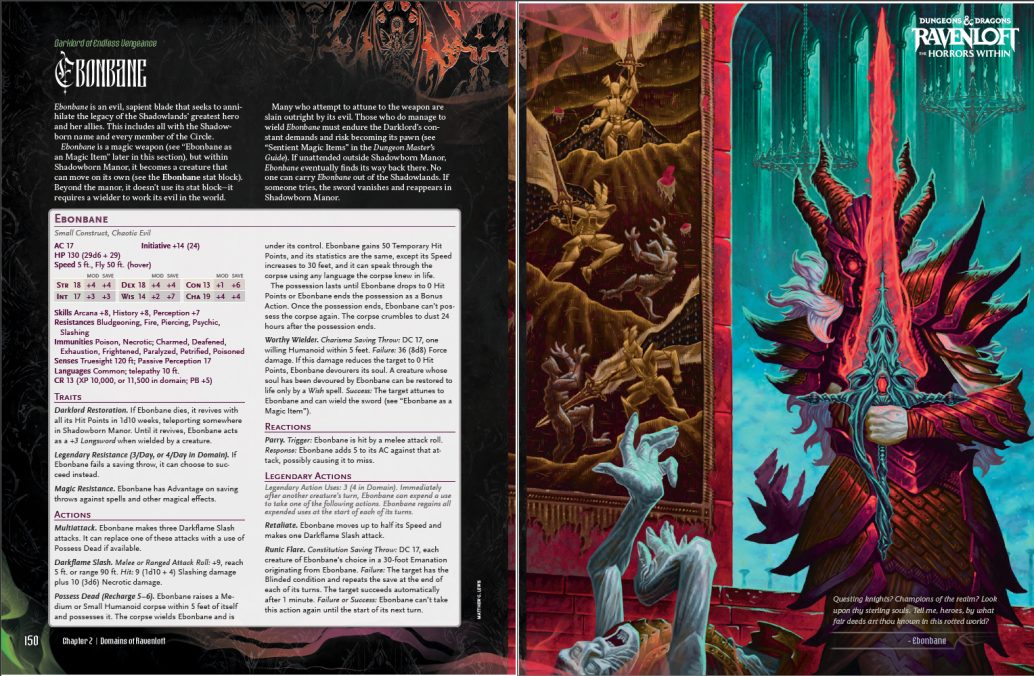
One particularly memorable addition is Ebonbane, a sentient evil sword elevated to Darklord status. The concept is wonderfully twisted. Rather than a traditional ruler, Ebonbane itself becomes the source of terror, possessing hosts and pursuing its own dark agenda across the Shadowlands.
The accompanying lore and stat block create a villain unlike anything else in the setting.
It’s exactly the kind of imaginative horror concept that Ravenloft thrives on.
A DM’s Dream Toolbox
What ultimately separates The Horrors Within from previous Ravenloft books is how usable it feels.
The 17 included adventures provide immediate jumping-off points for campaigns. The extensive map collection gives DMs practical resources. Tarokka card integration receives expanded support. Additional accessories, including the new Tarokka Deck, battle maps, and horror-themed DM screen, further reinforce the book’s focus on actual play.
Rather than simply presenting lore to read, the book constantly encourages DMs to build, customize, and experiment.
Every section feels designed with the question: “How can this help someone run a horror game tonight?”
That’s perhaps the book’s greatest strength.
Final Thoughts
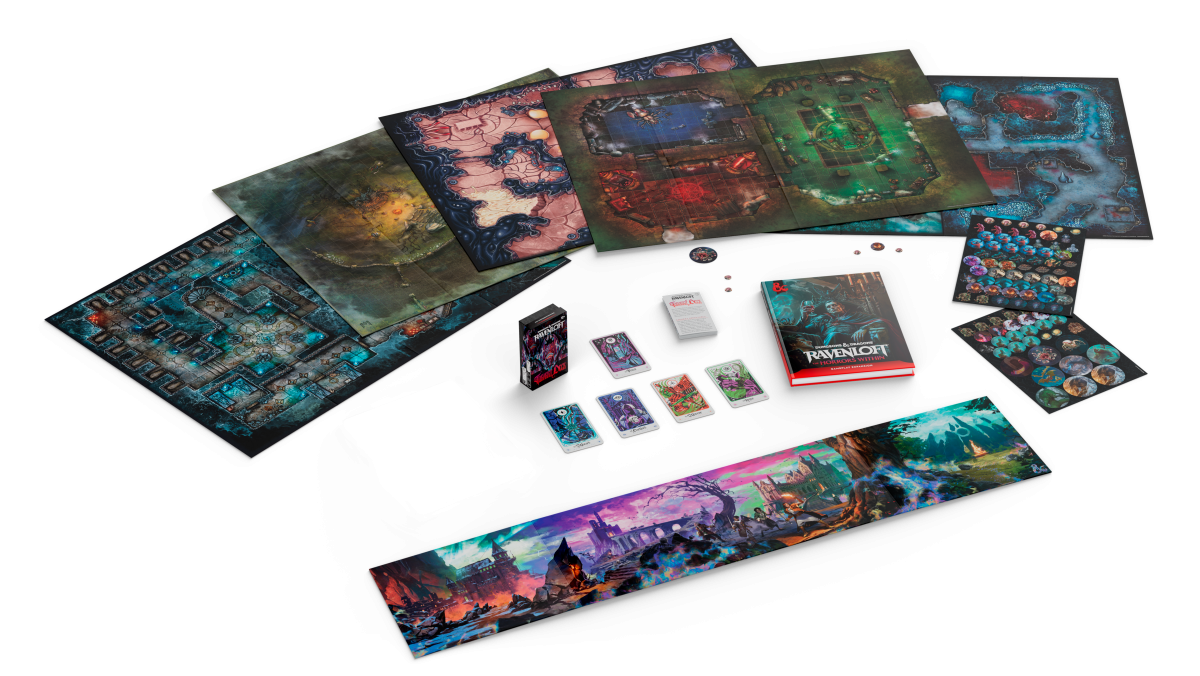
Dungeons & Dragons: Ravenloft – The Horrors Within succeeds because it understands that horror isn’t a single genre. It embraces gothic tragedy, cosmic dread, psychological terror, body horror, and supernatural mystery while providing the tools necessary to make each style work at the table.
The artwork is exceptional. The new subclasses are compelling. The inclusion of Cthulhu is bold and surprisingly effective. Most importantly, the book feels practical rather than overwhelming.
While some longtime fans may debate certain mechanical choices and balance concerns, the overall package delivers an impressive expansion of what Ravenloft can be in modern Dungeons & Dragons.
For Dungeon Masters looking to introduce fear, mystery, and tension into their campaigns, The Horrors Within is one of the strongest setting books Wizards of the Coast has released in recent years.
Dungeons & Dragons: Ravenloft – The Horrors Within releases June 16, 2026. The sourcebook is available digitally on D&D Beyond for $39.99, in hardcover for $59.99, or as a physical and digital bundle for $74.99.

Editor-in-Chief | Owner
I’m a dedicated aficionado of all things movies, pop culture, and entertainment. With a passion for storytelling and a love for the silver screen, I’m constantly immersed in the world of cinema, exploring new releases, classics, and hidden gems alike. As a fervent advocate for the power of film to inspire, entertain, and provoke thought, I enjoy sharing my insights, reviews, and recommendations with fellow enthusiasts.