


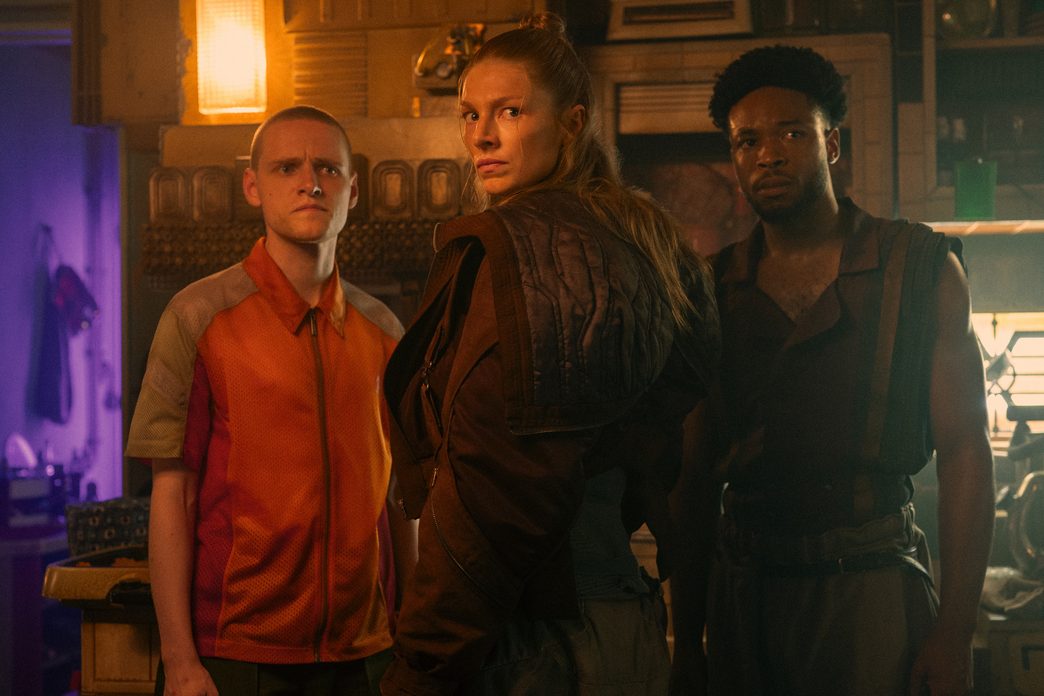
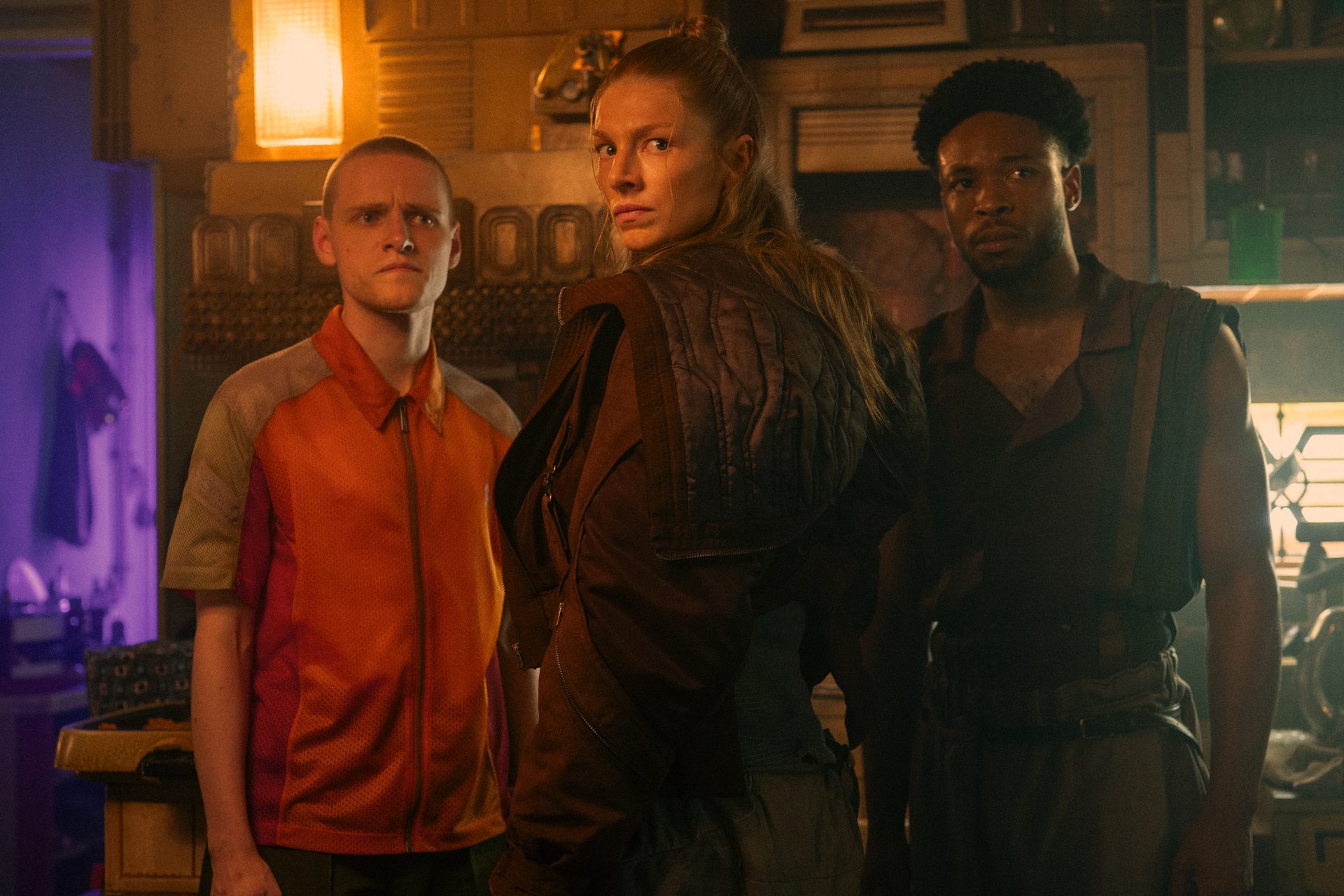

Few science fiction franchises have influenced the visual language of cinema quite like Blade Runner. From Ridley Scott’s groundbreaking 1982 film to Denis Villeneuve’s visually spectacular Blade Runner 2049, the franchise has continually challenged our understanding of humanity, identity, memory and technological evolution. Now, Prime Video’s Blade Runner 2099 takes those philosophical questions into a new era while introducing a striking visual identity of its own.
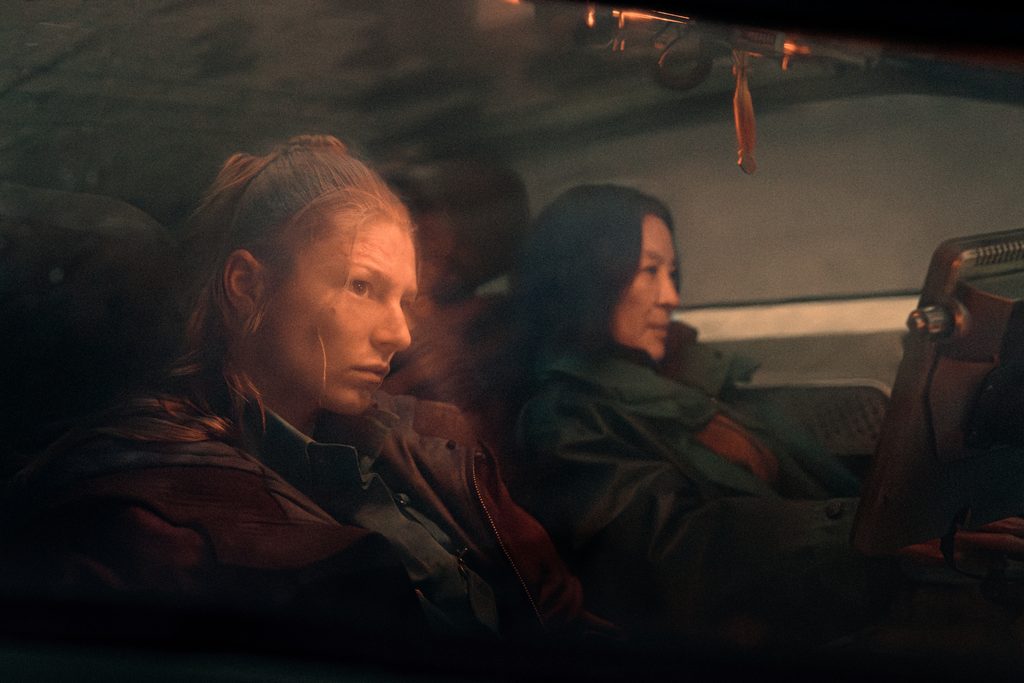
In an exclusive collection of interviews, showrunner Silka Luisa, executive producers Andrew Kosove and Broderick Johnson, and cast members Dimitri Abold, Lewis Gribben and Matthew Needham discuss the challenges of expanding this iconic universe. From Michelle Yeoh’s intense Episode 6 sequence and the introduction of a “Sunshine Noir” aesthetic to hidden literary references and the physical demands of portraying Replicants, the conversations reveal the extraordinary attention to detail behind the limited series.
About Blade Runner 2099
Set 50 years after Blade Runner 2049, Los Angeles has been reborn, but not by humanity. Cora, a fugitive desperate to stop running, assumes one final identity as a Blade Runner. Forced to partner with Olwen, a Replicant with only days left to live, she must hunt down a runaway harboring a secret that could destroy their fragile city.
Silka Luisa on Michelle Yeoh’s Intense Episode 6 Sequence
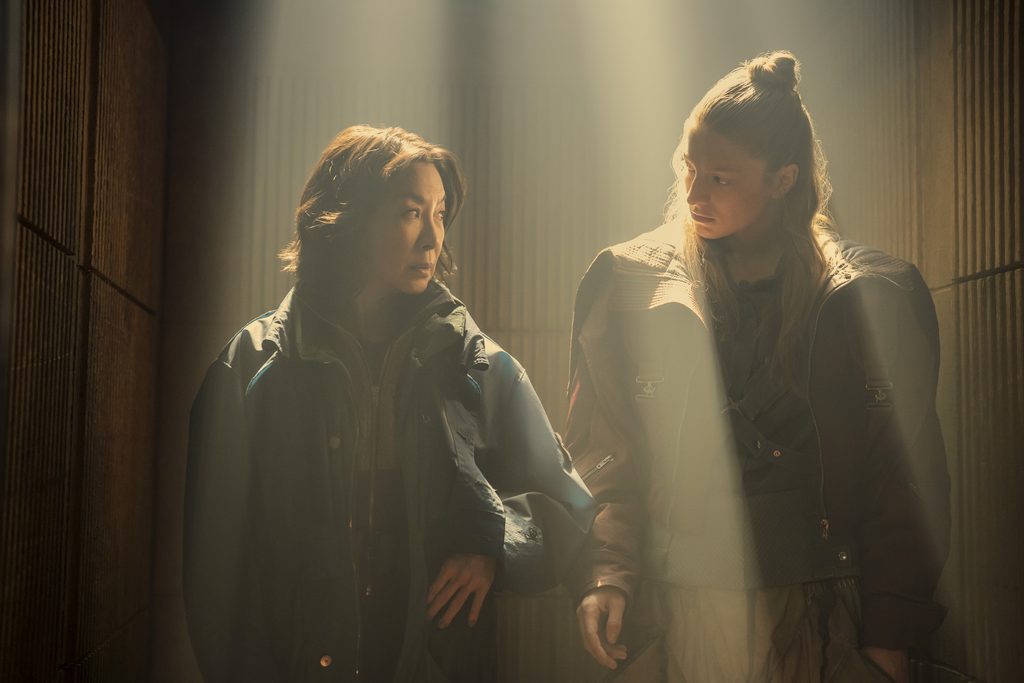
Among the series’ most visually arresting moments is an Episode 6 sequence involving Michelle Yeoh’s Olwen descending into a seemingly endless well. For Luisa, the scene presented an opportunity to embrace one of her favorite qualities of the previous films: their willingness to leave certain aspects of the world unexplained.
“I loved that this was a monastery and there was just an endless hole somewhere, and you don’t really know why it’s there or what purpose it was,” Luisa explained.

Having established Olwen as someone largely in control throughout the series, Luisa wanted to place the character in an environment where that confidence could be challenged. She also praised Yeoh’s physical performance during the sequence, particularly her climbing movements, while emphasizing the importance of sound in creating an unsettling atmosphere. The result is a moment where environmental storytelling, physical performance and psychological tension work together without requiring extensive exposition.
What Makes a Replicant Human?
Memory has always been central to the Blade Runner franchise, but Luisa approached the subject from a particularly personal perspective. As a mother of two young children, she has witnessed firsthand how empathy, identity and an understanding of the world develop gradually throughout childhood. Replicants, however, are deprived of much of that formative experience.
“Without a childhood, Replicants are really untethered.”
Luisa explained that even implanted memories cannot necessarily replace the experiences that shape human development. Compounding that absence is the uncertainty surrounding their futures, particularly for Replicants whose limited lifespans prevent them from imagining growing old and reflecting on the lives they have built.
Those missing experiences create fascinating psychological and sociological differences between humans and Replicants. Rather than simply revisiting the franchise’s familiar question of what makes someone human, Blade Runner 2099 examines what happens when someone is denied the opportunity to develop the qualities humanity often takes for granted.
From Cyberpunk to Sunshine Noir
For executive producers Andrew Kosove and Broderick Johnson, following two of science fiction’s most visually celebrated films presented an enormous creative challenge. The producers acknowledged that the success of Blade Runner 2049 made their responsibility even greater, requiring the new series to honor both films while establishing an aesthetic that reflects how the world has evolved over another 50 years.
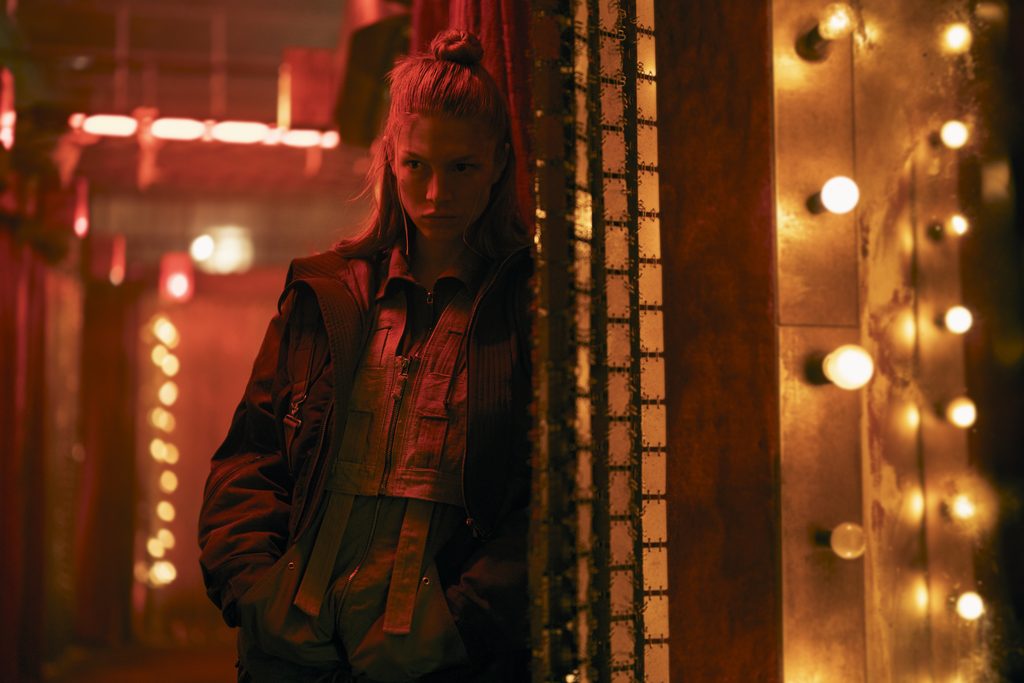
Central to that effort was production designer Paul Inglis, who previously worked as supervising art director on Blade Runner 2049. His familiarity with the franchise helped the creative team develop what the producers describe as “Sunshine Noir,” a visual approach informed by the Replicants’ rehabilitation of the planet.
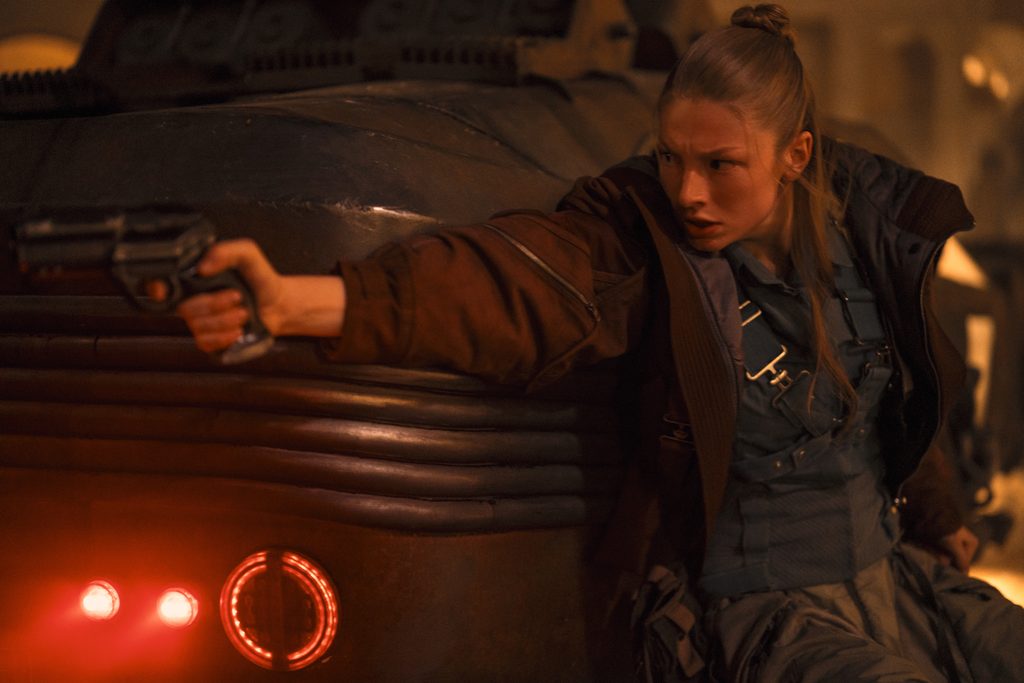
Rather than simply recreating the dark, rain soaked environments traditionally associated with Blade Runner, the series introduces a world undergoing significant transformation while retaining the noir sensibilities that define the franchise. The producers credited Luisa, Inglis and the extensive team of artists and craftspeople responsible for maintaining that visual continuity while giving 2099 its own identity.
Philip K. Dick Easter Eggs and Connections to the Original Films
Although Blade Runner 2099 was designed to be accessible to newcomers, longtime fans have plenty of reasons to pay close attention. Luisa revealed that the series contains references extending beyond the two previous films and into the broader literary works of Philip K. Dick.
“If you’re a PK Dick fan, really keep your eyes peeled. There are so many PK Dick Easter eggs that are outside of just Do Androids Dream of Electric Sheep?“
The executive producers also teased connections to the history of the Tyrell Corporation, Wallace Corporation and the evolution of different generations of Replicants. These elements are woven throughout the narrative rather than presented as required knowledge, allowing newcomers to experience the story independently while rewarding viewers familiar with the franchise’s mythology.

Luisa additionally encouraged audiences to appreciate the density of the production design, where the work of countless artists and craftspeople can be discovered simply by taking a closer look at the environments.
Power, Survival and Loyalty in Blade Runner 2099
For Dimitri Abold, Lewis Gribben and Matthew Needham, navigating the world of Blade Runner 2099 meant understanding characters with very different definitions of survival. Abold described protecting his family as his character’s fundamental priority, while Gribben explained that Elias refuses to accept oppression and remains determined to bring others around to his convictions, even when they disagree with him.
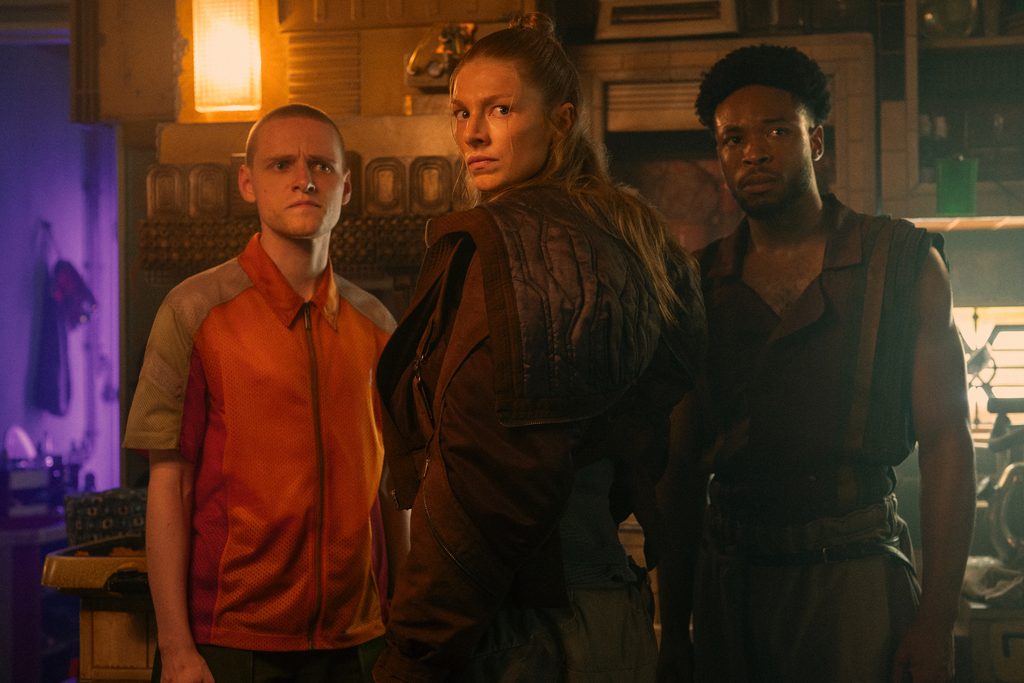
Needham, meanwhile, explored Yaya’s complicated relationship with Olwen, describing a character whose insecurity and resentment influence his pursuit of power.
“Yaya used to be oppressed. Now he’s the oppressor,” Needham explained, adding that his character’s dissatisfaction with his position is rooted in an ambition that feels remarkably human.
The actors also discussed the physical challenges of bringing this universe to life, including elaborate fight choreography, demanding sequences and the practical effects used to demonstrate Replicant strength. Needham recalled pulling a specially rigged bench from the ground, explaining that making an ordinarily strenuous action feel effortless helped him psychologically inhabit a character with extraordinary physical capabilities.
These performances reinforce one of the franchise’s most enduring qualities: beneath its futuristic technology and extraordinary environments are characters driven by recognizable desires, insecurities and ambitions. By preserving that foundation while expanding its mythology and visual identity, Blade Runner 2099 aims to introduce a new generation to the questions that have made this universe so enduring.
Blade Runner 2099 premieres globally November 25, 2026, exclusively on Prime Video.
Watch Our Exclusive Blade Runner 2099 Cast and Creators Interviews
Featuring exclusive conversations with Silka Luisa, Andrew Kosove, Broderick Johnson, Dimitri Abold, Lewis Gribben and Matthew Needham.

Editor-in-Chief | Owner
I’m a dedicated aficionado of all things movies, pop culture, and entertainment. With a passion for storytelling and a love for the silver screen, I’m constantly immersed in the world of cinema, exploring new releases, classics, and hidden gems alike. As a fervent advocate for the power of film to inspire, entertain, and provoke thought, I enjoy sharing my insights, reviews, and recommendations with fellow enthusiasts.