



When audiences talk about great modern martial arts films, certain titles inevitably enter the conversation. Films that redefine expectations, elevate stunt work, and remind viewers why practical action can be just as thrilling as any blockbuster spectacle.
With The Furious, the cast and filmmakers are not necessarily trying to chase those comparisons. Instead, they are focused on something much simpler and arguably much harder: earning the audience’s time.
During our conversations with Xie Miao, Joe Taslim, Brian Le, producer Bill Kong, and director Kenji Tanigaki, one theme surfaced repeatedly. Whether discussing fight choreography, stunt work, storytelling, or potential sequels, everyone involved spoke about respecting the audience and pushing themselves beyond expectations.
For Kong, that responsibility starts with acknowledging what moviegoers invest every time they buy a ticket.
“You owe them,” he explained, emphasizing that filmmakers have a responsibility to deliver something worthy of the audience’s money and time.
About The Furious
After the daughter of Wang Wei is kidnapped by a criminal network and he receives no help from the corrupt police, Wei sets out on a rampage to find her himself. His only ally is Navin, a relentless journalist whose wife has mysteriously disappeared. Fueled by vengeance, the unlikely duo battles their way through a dangerous criminal underworld in a relentless fight for survival.
Directed by Kenji Tanigaki and produced by Bill Kong, The Furious stars Xie Miao, Joe Taslim, and Brian Le.
Watch the Full Interview
The Philosophy Behind The Furious: Never Cheat The Audience
One of the most revealing moments came from Joe Taslim when discussing the comparisons fans have already begun making between The Furious and some of the most influential action films of the last two decades.
Taslim spoke about the shared philosophy behind those projects, explaining that the goal is not simply to create impressive fight scenes. It is to present action honestly.
According to Taslim, both The Raid and The Furious share a commitment to showing audiences that the performers are truly doing the work. Long takes, practical choreography, and minimal shortcuts allow viewers to appreciate the skill, pain, and preparation behind every sequence.
That same mindset was echoed by Bill Kong, who made it clear that throwing money at a production was never the goal.
Instead, the team focused on working harder, relying on performers, stunt teams, and choreography rather than digital tricks. Kong explained that audiences constantly seek something new and different, and the team’s ambition was never to make just another action movie. They wanted to create the ultimate version of the kind of action film they love.
Kenji Tanigaki’s Mission To Build The “Ultimate Action Movie”
For director Kenji Tanigaki, The Furious represented the culmination of decades spent working behind the scenes as a stunt performer, action director, and filmmaker.
Tanigaki explained that when Bill Kong approached him about directing the project, the assignment was straightforward.
Make the ultimate action movie.
Rather than chasing trends, Tanigaki pulled inspiration from the films that shaped him. Hong Kong action cinema, Japanese filmmaking, Westerns, and classic genre storytelling all contributed to the DNA of The Furious.
The result is a film that feels simultaneously familiar and fresh, blending old-school stunt work with modern pacing and intensity.
Even Tanigaki’s longtime mentor, Donnie Yen, gave the project his approval, telling the director that he could clearly see the influence of the style they had developed together over the years.
Xie Miao Anchors The Chaos With Emotion
While the action is what initially grabs attention, Xie Miao repeatedly returned to the emotional foundation of the story.
His character, Wang Wei, is not simply fighting for survival. He is a father desperately trying to save his daughter.
Miao described his process as a form of self-hypnosis, constantly reminding himself what his character was experiencing in each moment. When chasing a vehicle carrying his daughter, he focused entirely on that objective. When confronting enemies, he remained locked into Wang Wei’s emotional state rather than approaching scenes as isolated action sequences.
That emotional commitment is what elevates the film beyond spectacle.
The punches land harder because there is something personal driving every movement.
Joe Taslim and The Art of Controlled Chaos
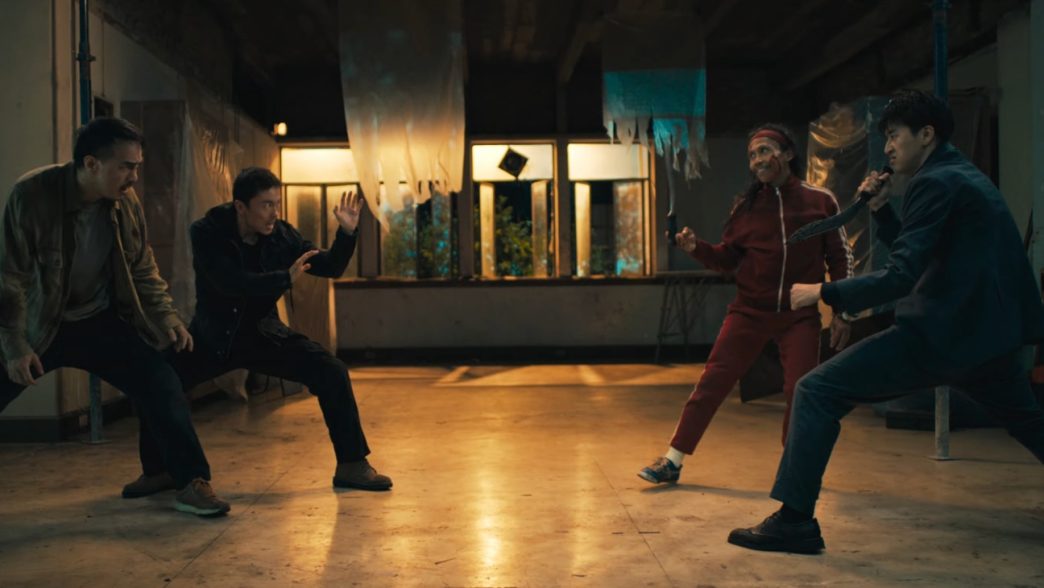
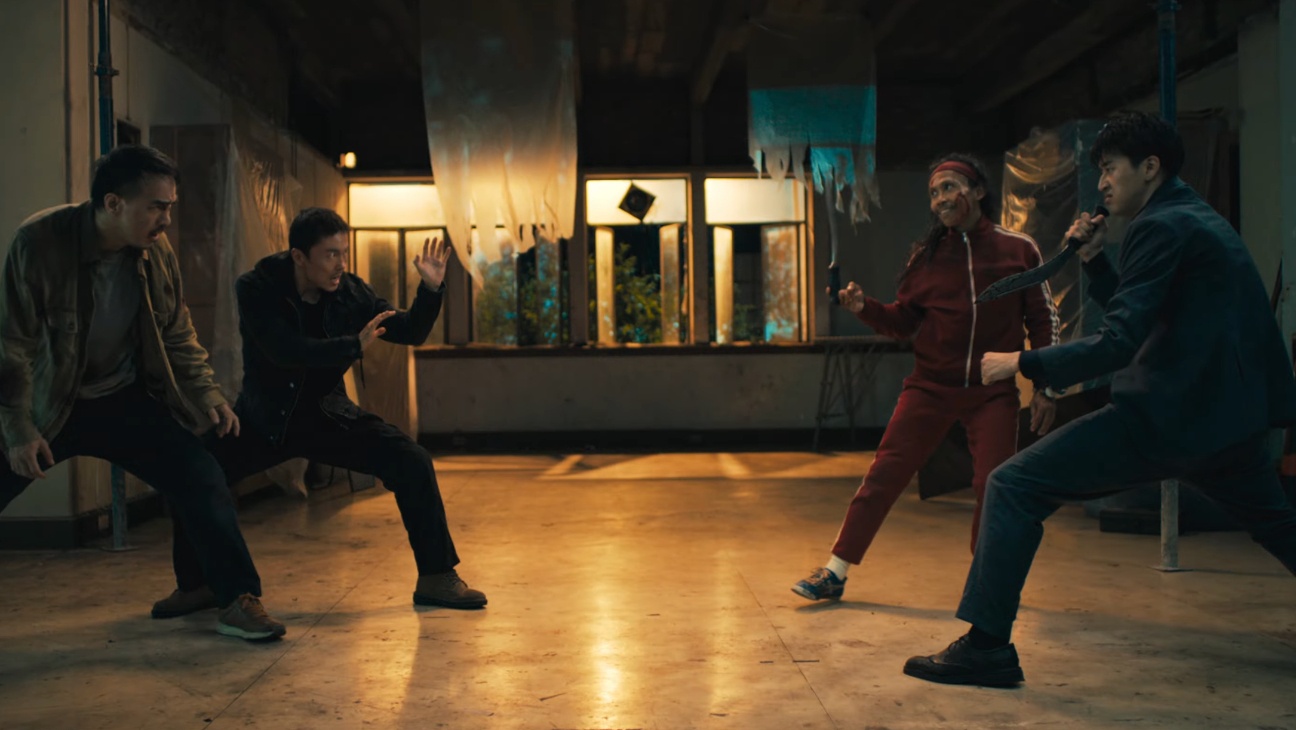
For Joe Taslim, one of the film’s most challenging sequences was the now-infamous five-person fight.
What makes the sequence remarkable is not simply the choreography but the precision required to execute it.
Taslim explained that finding the chemistry wasn’t the difficult part. The cast trusted each other completely. The challenge was finding a rhythm that allowed five performers to move together in perfect synchronization through extended takes. One mistimed movement or half-second delay could force the entire team to start over.
The sequence embodies everything the production stood for.
No shortcuts.
No hiding behind rapid editing.
Just performers, choreography, timing, and trust.
Brian Le On Brotherhood, Trust, and Creating Something Special
Brian Le offered perhaps the most personal perspective on the production.
Known for his martial arts background and action work, Le described The Furious as a project that required him to let go of expectations and trust the process. Instead of trying to control every aspect of his performance, he embraced uncertainty and allowed himself to grow alongside the character.
Off-camera, that trust extended throughout the cast.
Le described the group as brothers, sharing conversations about life, philosophy, spirituality, and martial arts. By the time they reached the film’s largest action sequences, those relationships translated naturally into the work on screen.
The chemistry audiences see during the film’s biggest fights wasn’t manufactured.
It was built through genuine connection.
Could The Furious Become A Franchise?
Naturally, conversation eventually turned toward the future.
Both Bill Kong and Kenji Tanigaki acknowledged that the possibility exists, but neither seemed interested in expanding the franchise simply for the sake of expansion.
Instead, they returned to the same philosophy that guided the first film.
If there is a sequel, it must exceed expectations.
Not just continue the story.
Not just spend more money.
It must surprise audiences all over again.
That commitment may ultimately be what separates The Furious from many modern action franchises.
Why The Furious Matters
Throughout all five interviews, there was a recurring belief that action cinema still has room to evolve.
Not through bigger budgets.
Not through artificial spectacle.
But through performers willing to push themselves, filmmakers willing to take risks, and stories that treat action as an extension of character rather than a replacement for it.
Whether The Furious ultimately earns its place among the genre’s most celebrated films will be decided by audiences. But after speaking with the people behind it, one thing is clear:
Nobody involved was interested in making just another action movie.
They wanted to make one worth remembering.
#TheFurious #XieMiao #JoeTaslim

Publishing articles on film, television, and pop culture articles inclusive entertainment