


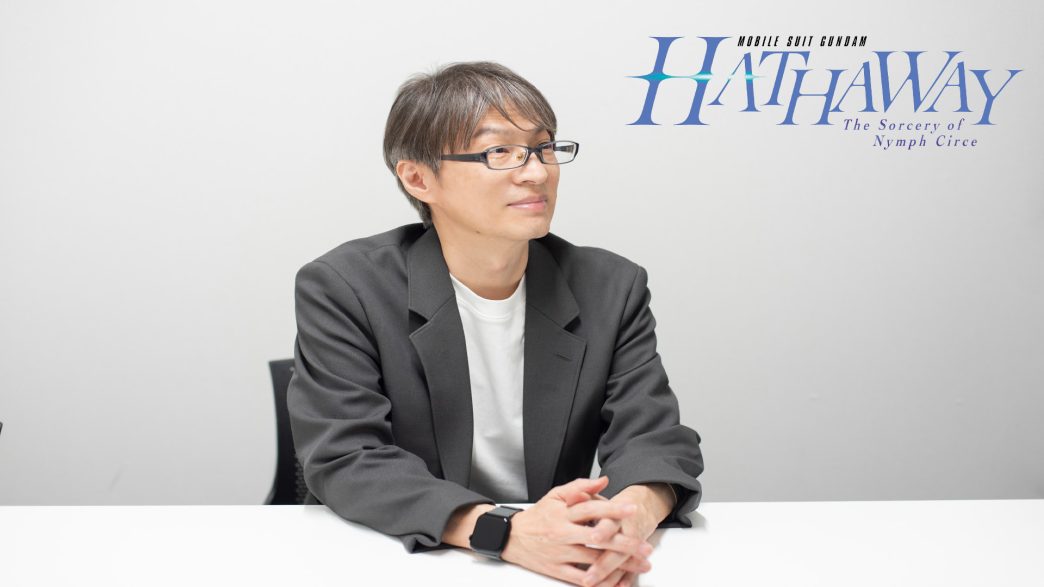


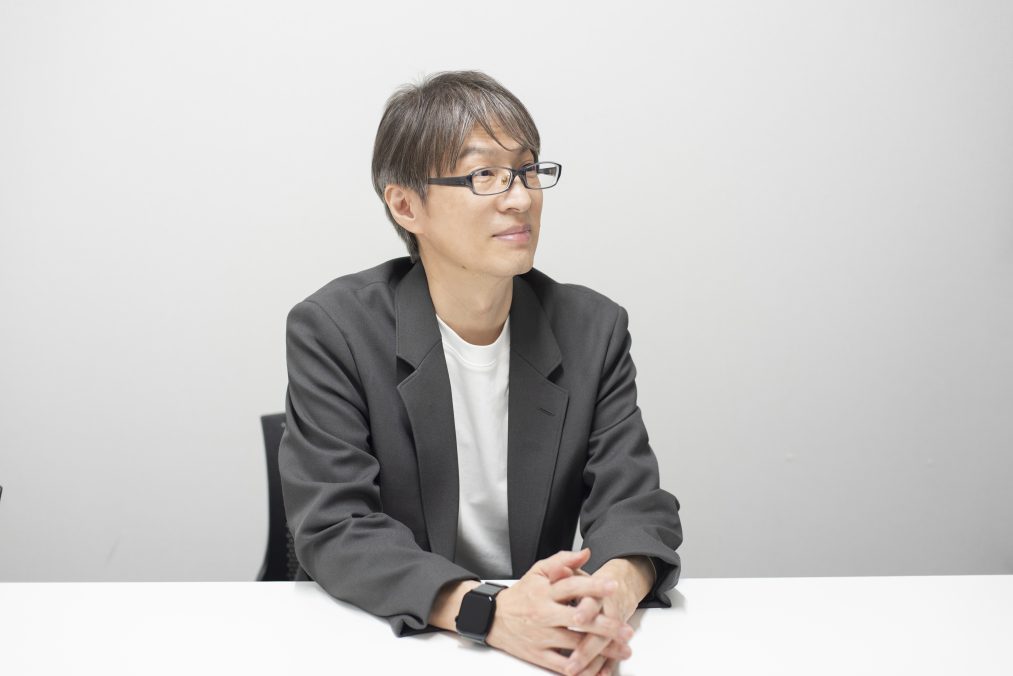
With Mobile Suit Gundam Hathaway: The Sorcery of Nymph Circe arriving in U.S. theaters on May 15, director Shukou Murase is continuing to reshape what a Gundam story can feel like. The latest installment leans heavily into political tension, character psychology, and grounded storytelling, pushing beyond traditional mecha spectacle.
Speaking with The Culture Collective, Murase offered a deeper look into how he approaches storytelling in Hathaway, revealing a philosophy rooted in balance, restraint, and emotional clarity.
Balancing War, Politics, and Spectacle
From the start, Hathaway has stood apart for how it treats conflict, not just as action, but as consequence.
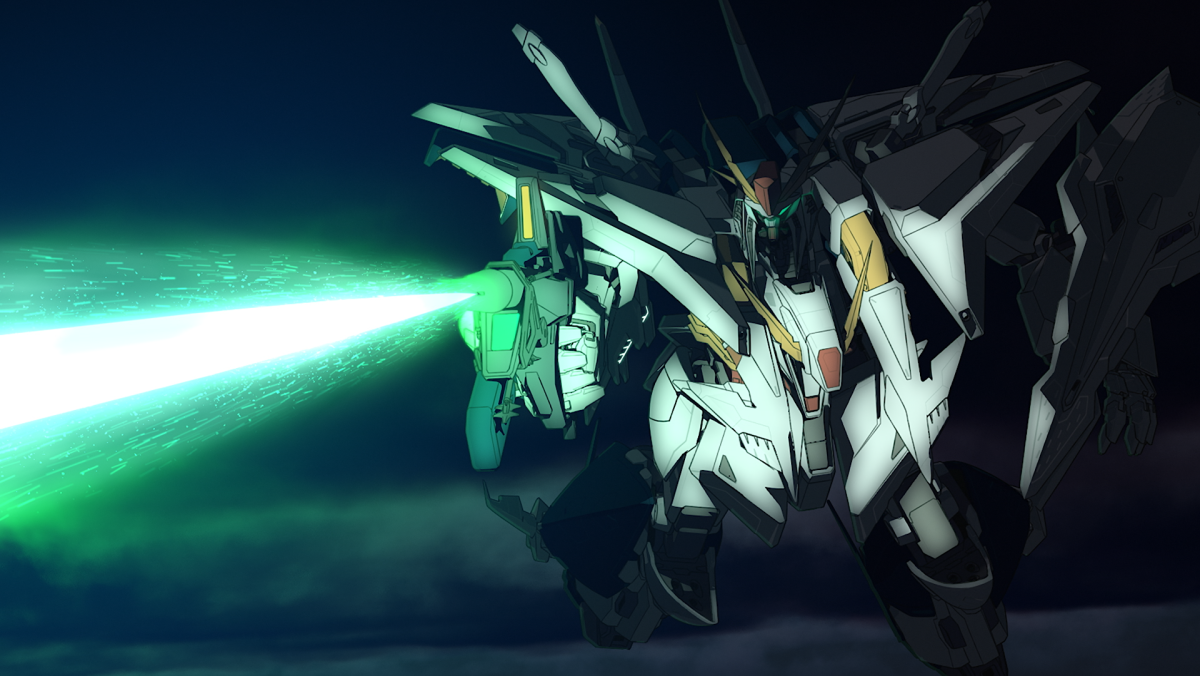
Murase explained that the goal was never to overwhelm audiences with destruction, but to reflect the weight of war in a more intentional way.
“We didn’t want to emphasize the war or the human casualty, but we also didn’t want to avoid it.”
That approach comes directly from the source material, which dives deeper into the political and human cost of conflict. Murase noted that the team focused on translating those ideas visually without losing their nuance.
“The damage caused by wars and conflicts is described in the novel with more depth… we wanted to visualize that without spoiling it too much.”
The result is a film that feels as much like a political thriller as it does a Gundam entry, grounded in decisions and consequences rather than constant spectacle.
A Cinematic Style Rooted in Genre Filmmaking
One of the defining aspects of Hathaway is its cinematic presentation. The lighting, camera movement, and pacing all feel closer to live-action filmmaking than traditional anime.

Murase pointed to his influences not as a single director, but as a collection of films and genres that shaped his sensibilities.
“I don’t have any specific examples… but I’ve seen a lot of horror movies in the ’80s and ’90s.”
He specifically referenced filmmakers who began in genre storytelling before evolving into major voices.
“Sam Raimi… Paul Verhoeven… they started from like B-class films and grew into big names.”
That DNA is visible in Hathaway, where tension, atmosphere, and perspective drive the action as much as the visuals themselves.
Building Toward an Emotional Finale
As the second chapter in a trilogy, The Sorcery of Nymph Circe carries the responsibility of deepening the story before its conclusion.
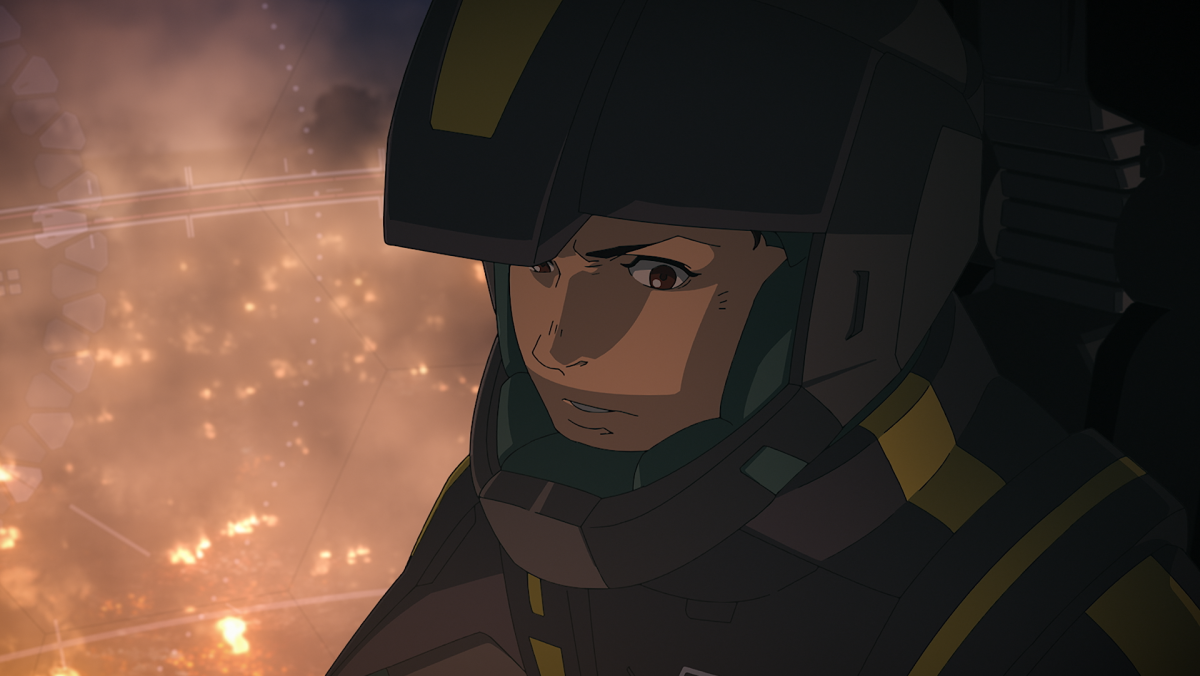
Murase described the first film as a foundation, with this installment focusing more directly on character motivations and internal struggles.
“The first chapter was basically setting the stage… in the second chapter we spend more time on what kind of backgrounds each character has.”
This shift allows the story to move beyond introductions and into emotional investment, setting up a more impactful final chapter.
“Going toward the third chapter, we wanted to dig deeper into those characters.”
Music as Continuity, Not Reinvention
Music has been a defining element of Hathaway, and Murase emphasized the importance of maintaining continuity across the trilogy.
Composer Hiroyuki Sawano returns, not to start from scratch, but to evolve what was already established.
“It wasn’t that he renewed the music for the second one… it was more of a continuation.”
That continuity helps reinforce both the tone and the emotional journey of the characters.
“Adding variation to the soundtrack… helped express more of the characters.”
The Final Chapter Is Already in Motion
For fans wondering about the future of the trilogy, Murase confirmed that progress on the third film is already underway.
“We did create the scenario for the third one as well… that scenario is complete.”
He also noted that early production steps have begun, signaling that the conclusion is actively moving forward.
“It feels officially like production has started.”
A Story That Continues to Evolve Gundam
Set within the Universal Century timeline, The Sorcery of Nymph Circe continues to follow Hathaway Noa as the leader of MAFTY, navigating a world shaped by political corruption and resistance.
What makes this chapter stand out is its commitment to treating Gundam not just as spectacle, but as a story about power, responsibility, and the human cost of change. For longtime fans and newcomers alike, it represents a modern evolution of the franchise while staying rooted in its core themes.
Key Details
Title: Mobile Suit Gundam Hathaway: The Sorcery of Nymph Circe
Director: Shukou Murase
Studio: Bandai Namco Filmworks / Sunrise
Release Date: May 15, 2026 (U.S. Theatrical)
Based On: Mobile Suit Gundam Hathaway (Universal Century timeline)

Editor-in-Chief | Owner
I’m a dedicated aficionado of all things movies, pop culture, and entertainment. With a passion for storytelling and a love for the silver screen, I’m constantly immersed in the world of cinema, exploring new releases, classics, and hidden gems alike. As a fervent advocate for the power of film to inspire, entertain, and provoke thought, I enjoy sharing my insights, reviews, and recommendations with fellow enthusiasts.