


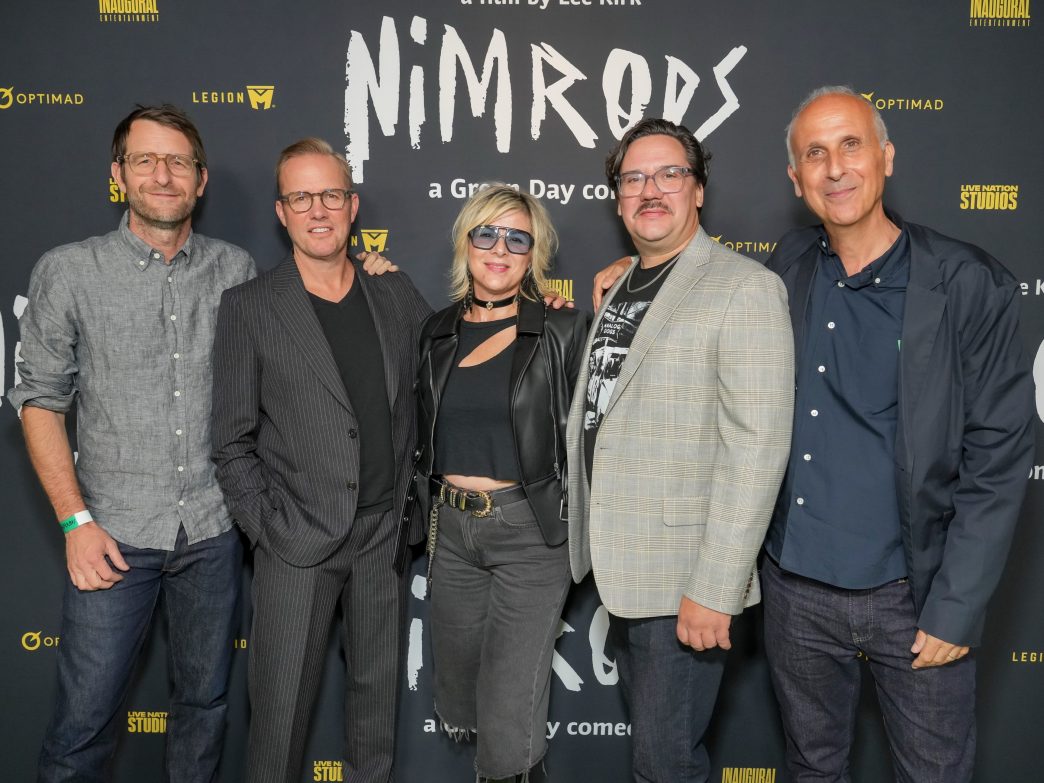
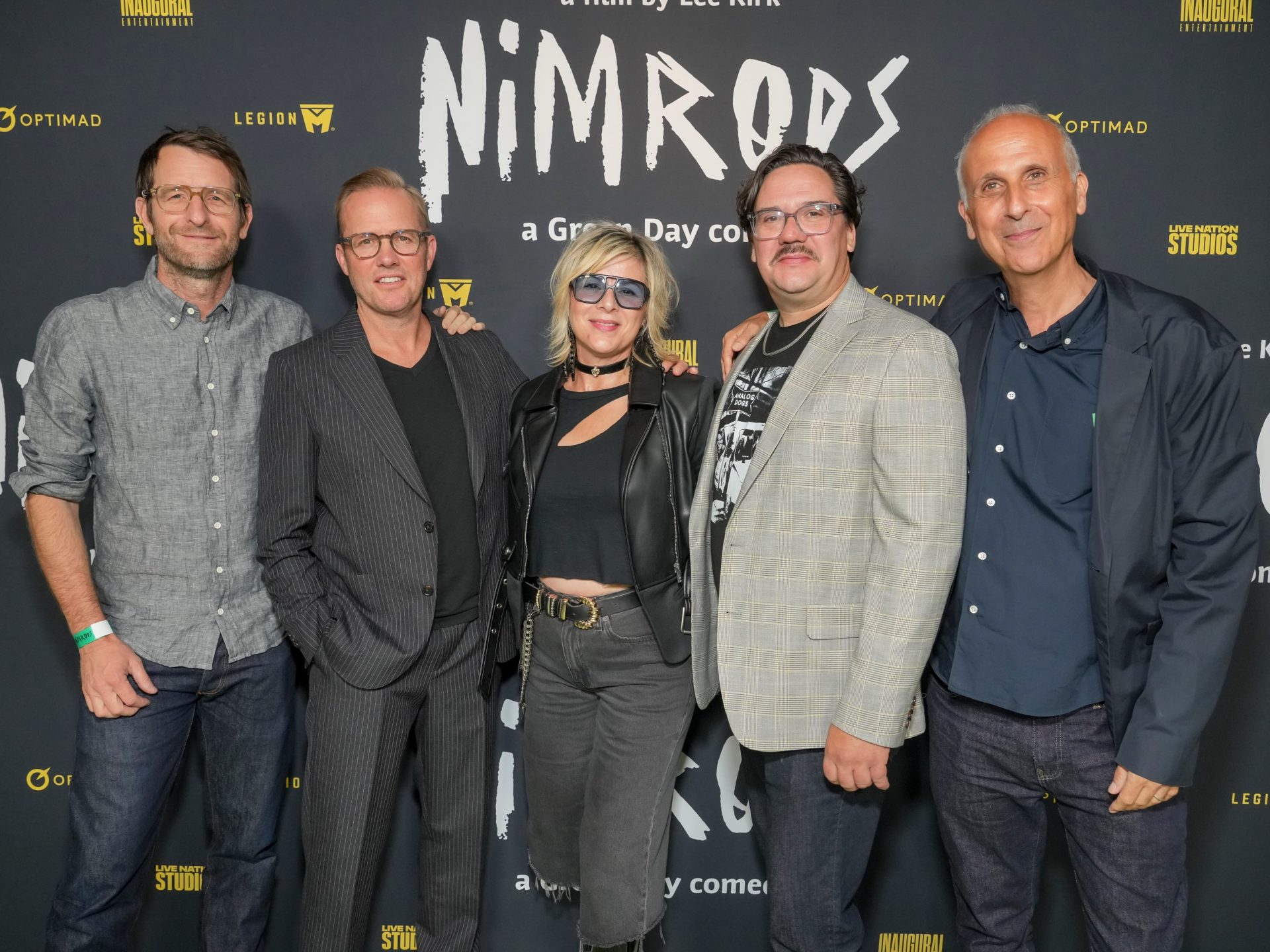

The ’90s are back, but for Emmy-nominated costume and fashion designer Stacy Caballero, the goal behind Nimrods was never to simply recreate an era.
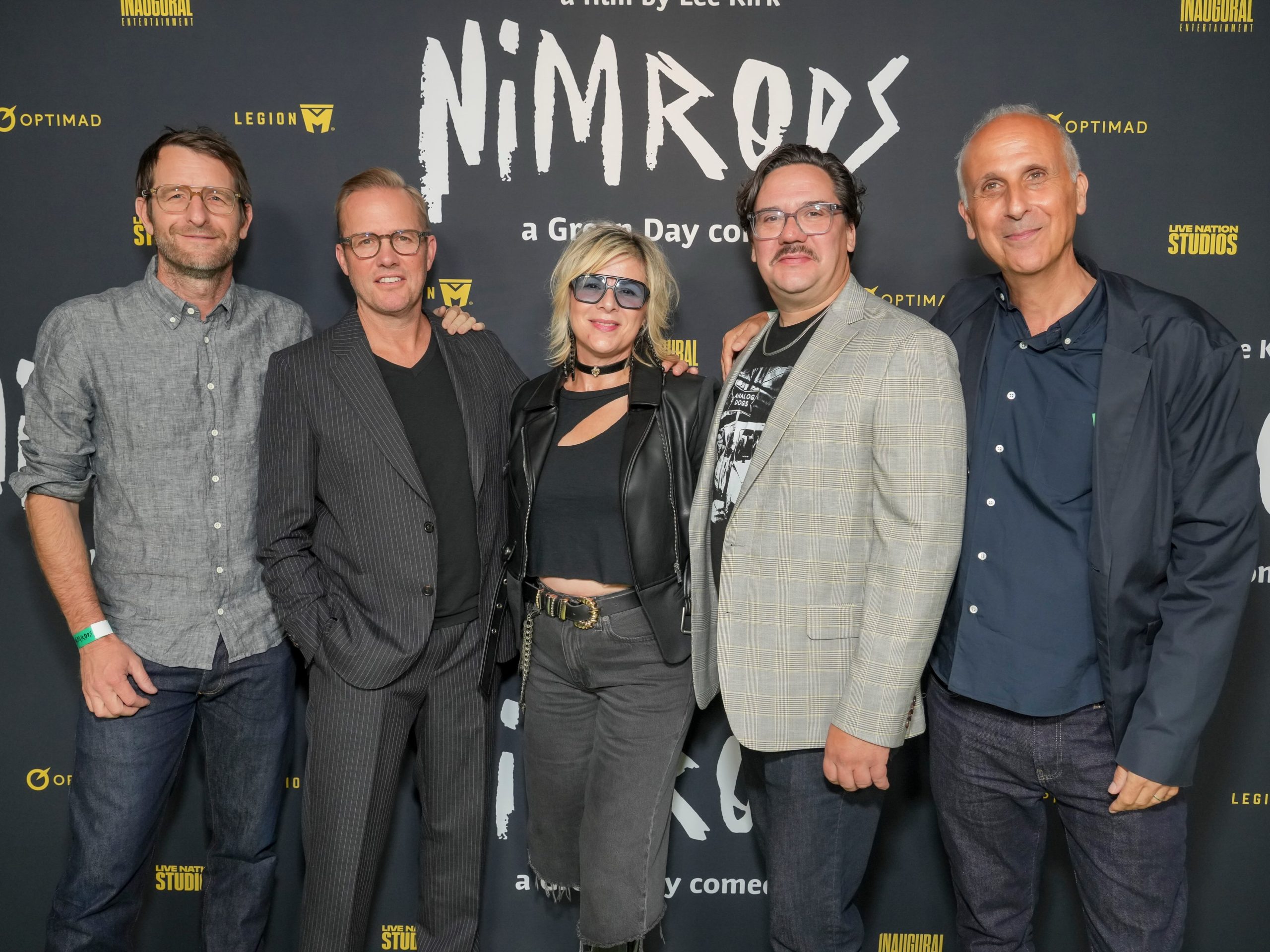
It was about making Green Day’s early punk spirit feel real, personal, and timeless.
Caballero, whose credits include Marvel’s Echo, Black Panther: Wakanda Forever, Harriet, Thor: Ragnarok, Man of Steel, Star Trek, and Coming 2 America, joined The Culture Collective to discuss her work on Nimrods, the Green Day-inspired comedy now in theaters.
The film follows Tommy, who receives a phone call inviting his band to open for Green Day on New Year’s Eve. What he does not realize is that the call is an elaborate prank by his older brother Wayne. Desperate to believe his life is about to change, Tommy steals Wayne’s car and begins driving his band from Kansas City to Los Angeles, determined to get there in three days. What follows is a rowdy road trip across America inspired by Green Day’s early days of touring in a van, years before the release of their breakout album Dookie.
For Caballero, that setup was a chance to use costume design as more than wardrobe. It became a way to show ambition, youth, music, class, and personality before the characters ever say a word.
Making Green Day’s Style Feel Timeless
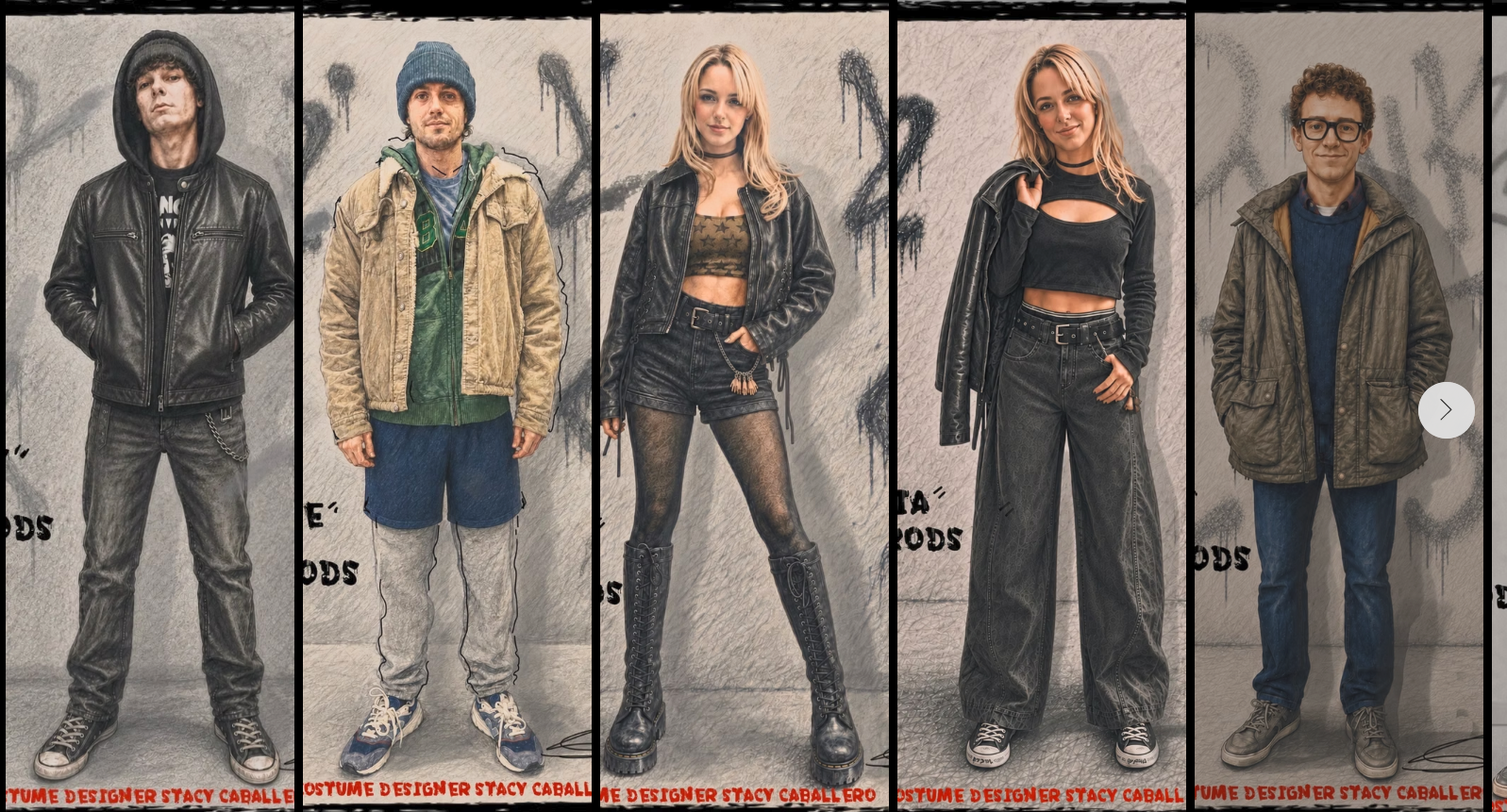
When asked about nostalgia and whether the ’90s ever really left, Caballero made an important distinction. She was not designing Nimrods to feel like a museum piece. She wanted it to feel timeless.
“What I was doing on Nimrods was more, I was trying to make it timeless,” Caballero said. “I was trying to make it relatable to so many generations.”
That is the trick with a film like this. It has to honor the Green Day era, the thrifted energy, the garage band chaos, and the punk attitude of the ’90s, but it also has to connect with younger audiences who may be discovering that style for the first time.
Caballero said many of the movie’s core stories came from real Green Day experiences, including the band’s early days on the road, traveling in a van and dealing with everything that comes with trying to make it before the world knows your name.
She also loved how Billie Joe Armstrong framed the film’s approach: a movie about Green Day, but not necessarily with Green Day as the center of the story. That allowed the costumes to pull from the band’s history without simply dressing the actors as direct copies.
It Starts With the Script
Even with her résumé of major studio projects and superhero films, Caballero said every project begins in the same place: the story.
“To me, it all starts with a story,” she said. “If I could get a good story and I want to tell that story, that’s how I want to spend my time. Doesn’t matter the budget.”
That mindset is why Nimrods interested her. A smaller contemporary film may look easier from the outside, but Caballero explained that the thought process can be just as demanding as a major Marvel production. The clothing still has to communicate clearly. Every shirt, pair of shoes, jacket, stain, and accessory has to make sense for the character.
She starts with the script, then moves into research, building a digital footprint for the world of the film. From there, she sketches ideas and begins finding the visual language for each character.
For Nimrods, that meant studying Green Day’s ’90s look, then pulling the essence of those references into the fictional band. A shirt Billie Joe wore in the ’90s might inspire something for Mason Thames’ character, but the final look still had to belong to the character on screen.
The “Band Graphic Here” Shirt
One of the best stories from the interview involved a simple white T-shirt that became one of the film’s most memorable costume details.
Caballero explained that Green Day was on tour in Japan during much of production, so she communicated with the band through director Lee Kirk. The band would send notes, and Billie Joe Armstrong gave her a key insight: musicians do not wear random band shirts just because they look cool.
“For a famous musician to wear another band’s T-shirt, it means something,” Caballero said. “It has to mean something.”
That note changed how she approached the characters’ wardrobes. These were high school seniors in a garage band. Their clothes had to reflect what they could afford, how they found pieces, what they modified, and what those choices said about them.
During a fitting with Kylr Coffman, who plays Fred, Caballero had him in a distressed white T-shirt. As he was being pulled away to rehearsal, she wrote “Band Graphic Here” on the shirt in Sharpie as a joke between herself and Kirk.
The joke stuck.
A photo was sent to Green Day and their team, and they loved it. What started as a placeholder gag became part of the movie. Caballero later had Coffman practice the handwriting because the shirt appears in a mud fight and needed several versions for multiple takes.
“What you saw on the screen was his handwriting,” she said.
It is a small detail, but it perfectly captures the handmade, messy, authentic feeling Caballero was chasing.
How to Bring ’90s Punk Style Into Your Wardrobe
Caballero’s work on Nimrods also offers a fun blueprint for anyone trying to bring ’90s punk style into everyday fashion.
Start with vintage tees, but make sure they mean something. Caballero made it clear that band shirts should feel personal. Do not just wear a shirt because it looks cool. Wear it because it connects to your taste, your memories, or the music you actually care about.
Texture matters too. The Nimrods wardrobe works because pieces feel lived in. A perfect T-shirt is not always the best T-shirt. Sometimes the worn, faded, dinged-up piece tells the better story.
Layering is also key. Denim, flannels, jackets, tees, and worn basics help create that effortless garage-band energy without feeling overdesigned.
And yes, thrifting matters.
Caballero explained the difference between thrift stores and vintage shops. Vintage shops usually have a higher price tag because the pieces are curated. Thrift stores, like Goodwill, Salvation Army, and Savers, require more hunting but can lead to better discoveries.
While working on Nimrods, Caballero shopped in both Oklahoma City and Los Angeles, building relationships with local vendors along the way. She said LA is her top city for thrifting and vintage shopping, with New York close behind.
Costume Design as Cultural Storytelling
The conversation also moved beyond Nimrods and into Caballero’s larger work in film and television.
She spoke about collaborating with Oscar-winning designers Paul Tazewell and Ruth E. Carter, including her work on Harriet, Coming 2 America, and Black Panther: Wakanda Forever. For Caballero, those projects were about telling the story properly and respecting the cultures being represented.
She said research is always the starting point, but the work goes beyond books and online references. On projects rooted in history and culture, she emphasized the importance of speaking with historians and cultural experts to make sure the details are accurate and meaningful.
That same standard carried into Marvel’s Echo, which Caballero described as a love letter to the Choctaw community. She traveled with department heads to the Choctaw Cultural Center in Durant, Oklahoma, stayed in contact with cultural advisers, and involved Choctaw artists in the design process.
“I wanted everything to be meaningful,” she said.
That approach shows how costume design can carry history, identity, and respect when the work is done with care.
Teaching the Next Generation
Beyond her work on screen, Caballero is also an adjunct professor at DePaul University, where she teaches From Sketch to Screen: Storytelling for Film, Television & Streaming.
She described teaching as her way of giving back and said she encourages students to stay focused, stay true to themselves, and remain open to learning.
“There’s never a time to not learn something,” Caballero said. “Be a sponge, take it in.”
Caballero also shared that she is working on her Fulbright Scholar plans, which will take her to the United Kingdom in 2028, where she will work with Roehampton University in London and the V&A Museum.
Nimrods Finds the Story in the Details
What makes Caballero’s work on Nimrods stand out is that it understands punk style is not about looking perfect. It is about personality, resourcefulness, attitude, and meaning.
A thrifted tee can tell a story. A jacket can show where someone comes from. A Sharpie joke can become a character detail. A garage band look can say everything about kids chasing a dream before anyone else believes in them.
That is the power of costume design when it is done right.
In Nimrods, the ’90s do not feel like a trend being revived. They feel lived in, messy, funny, and real.

Editor-in-Chief | Owner
I’m a dedicated aficionado of all things movies, pop culture, and entertainment. With a passion for storytelling and a love for the silver screen, I’m constantly immersed in the world of cinema, exploring new releases, classics, and hidden gems alike. As a fervent advocate for the power of film to inspire, entertain, and provoke thought, I enjoy sharing my insights, reviews, and recommendations with fellow enthusiasts.
