






There has always been something more dangerous underneath the tactical precision of Lioness.
The missions matter. The politics matter. The violence matters. But the thing that gives the series its real weight is what happens when human connection gets turned into a tool, then discarded once the objective is complete.
That is where Stephanie Nur’s Aaliyah Amrohi comes back into the picture.
When Aaliyah first appeared in Season 1, she was not positioned as an adversary. She was a young woman born into extraordinary wealth and influence, but living inside a world where nearly every meaningful part of her life had already been decided for her. Her family, her future, her marriage, even the people allowed close to her were shaped by expectations she did not create.
From the outside, she had the kind of life most people would assume comes without limits. Aaliyah knew better.
That contradiction became one of the most interesting pieces of Nur’s performance. Aaliyah could move through luxury, private jets, beautiful homes, and elite social circles while still feeling deeply confined by the life built around her.
Then Cruz Manuelos entered it.
What began as an intelligence operation became something emotionally real, and that is exactly why the fallout still matters three seasons later.
Aaliyah Was Always More Than the Mission
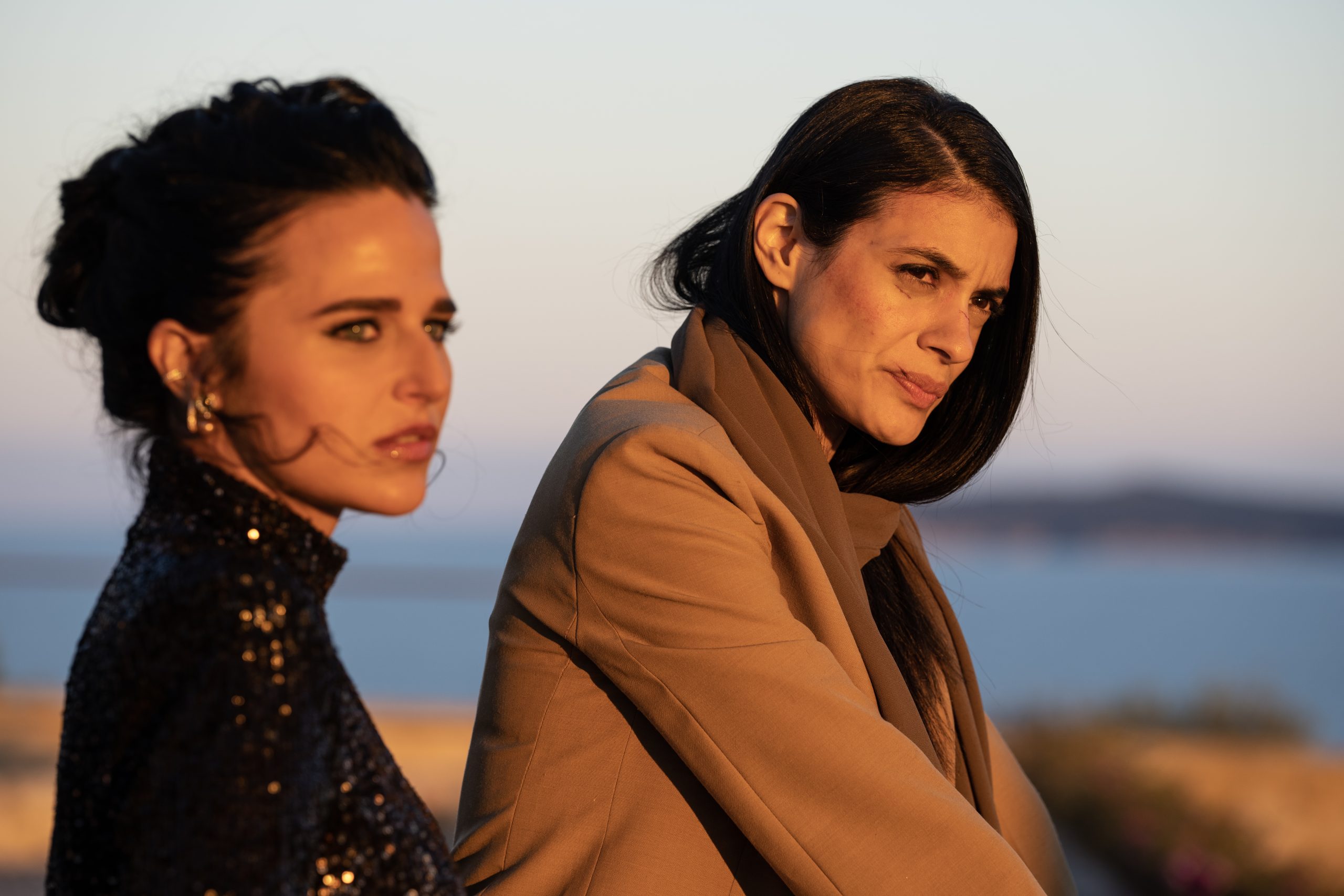
Cruz, played by Laysla De Oliveira, was sent into Aaliyah’s world under a false identity. The mission required proximity. Proximity became trust. Trust became intimacy.
Aaliyah believed she had finally found someone who saw her outside the machinery of her family, wealth, and obligations. Cruz became a way to imagine another version of her life, one in which she could choose who she loved and perhaps, eventually, who she wanted to become.
Nur has always understood that contradiction as central to Aaliyah.
In an earlier character breakdown, she described Aaliyah’s life as both lavish and restrictive, noting that the character lives differently when she is abroad than when she is back inside the world that controls her. That push and pull helped make her relationship with Cruz feel like more than a plot device. Cruz represented possibility.
Which made the betrayal catastrophic.
By the end of Season 1, Cruz had carried out the mission that destroyed Aaliyah’s family and shattered whatever future she thought she was moving toward. The operative left. The agency moved on.
Aaliyah had to live with what remained.
That is why her return in the Season 3 finale works so well. It is not simply a surprise cameo. It reframes what came before.
Betrayal Gives the Arc Its Shape
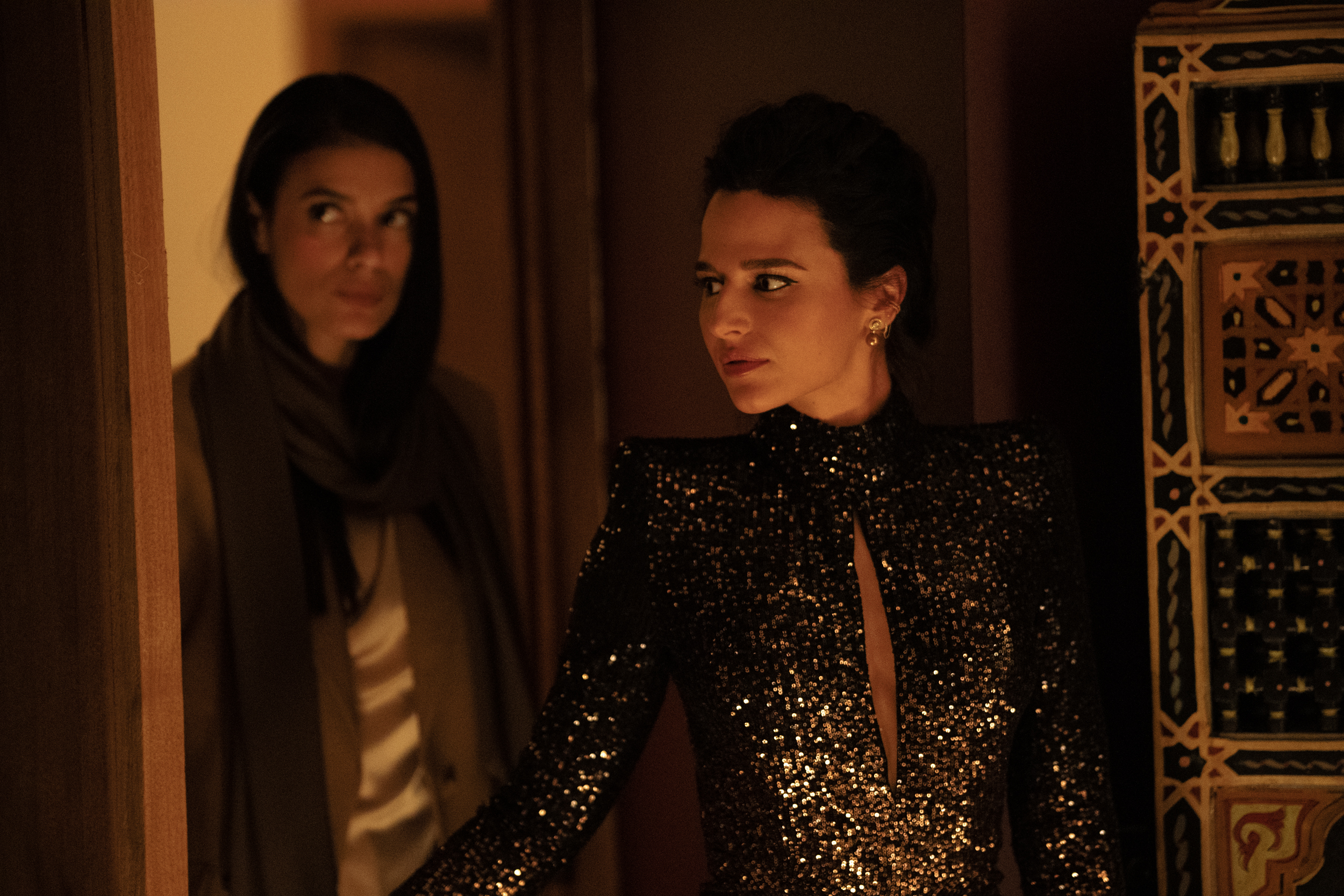
Nur is clearly fascinated by the fact that audiences are embracing Aaliyah even as the character moves into much darker territory.
“She didn’t start out as one,” she says of Aaliyah being viewed as a villain. “Which is the most interesting ones to watch because no villain is a villain for no reason.”
The reason, in Aaliyah’s case, is painfully clear.
“Betrayal is a pretty good one.”
That line gets to the heart of the character better than any elaborate backstory could.
Aaliyah was already trying to escape a life that had been “pre-prescribed” for her, as Nur puts it. She finally made herself vulnerable to someone who seemed capable of understanding that desire for freedom, only to discover that the relationship itself had been built inside another system designed to use her.
It gives the character an emotional logic that is far more compelling than a standard revenge plot.
Her anger does not come from nowhere. Neither does her transformation.
That is also why fans have stayed so attached to her. Nur says she continues seeing messages from viewers around the world, including fans who have built their own community around Aaliyah and call themselves the “Aaliyah’s Army.”
The character remains sympathetic because the audience watched the wound happen.
The Thin Line Between Love and Hate
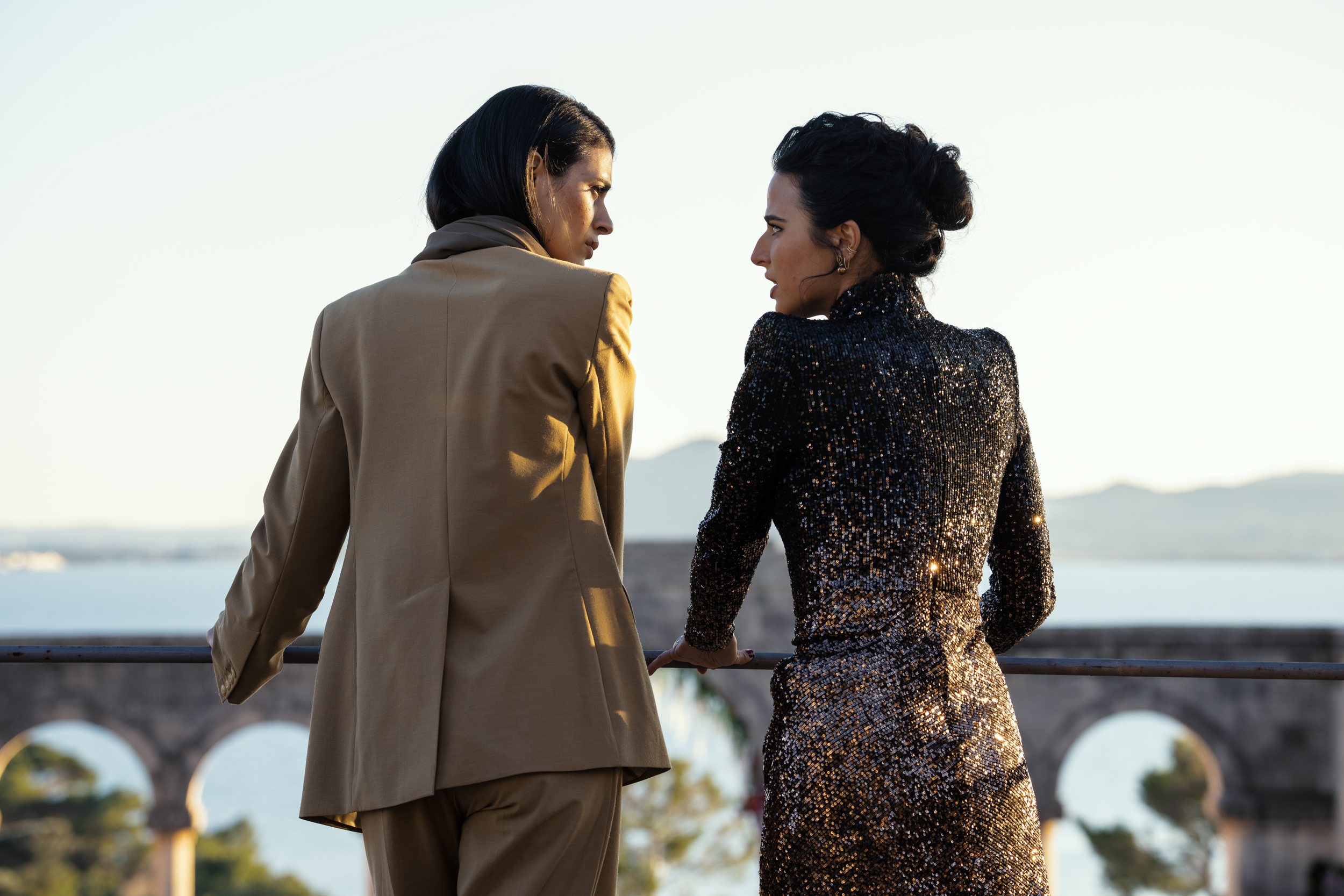
That makes the biggest question surrounding Aaliyah less about tactics and more about emotion.
Does she want revenge on Cruz?
Does she still love her?
Are those two things even mutually exclusive?
Nur does not think they have to be.
“There’s a very thin line between love and hate,” she says, pointing to the emotional duality that makes people far more interesting than a clean hero-versus-villain divide.
Hatred that intense usually has history underneath it. Someone has to matter before they can hurt you that deeply.
That is why the idea of Aaliyah simply wanting Cruz dead almost feels too easy for what Lioness has built between them.
Their relationship was genuine inside a situation that was fundamentally dishonest. Cruz lied about who she was, but the feelings that developed inside the lie were not necessarily false. That distinction matters, especially now.
The same tension exists on Cruz’s side.
Nur is careful not to speak definitively for another performer’s character, but she raises a more interesting possibility: people can love someone and still choose duty over them.
Purpose can be powerful enough to override emotion without erasing it.
“How many times have we left things that we also still love and left them behind?” she asks.
That may be the key to Cruz and Aaliyah going forward.
Cruz completed the mission. That does not mean she stopped caring.
Aaliyah may want revenge. That does not mean she stopped loving her.
If both things remain true, their eventual confrontation becomes far more dangerous than anything built around simple hatred.
From Pawn to Puppet Master

The Season 3 reveal also flips the original power dynamic completely.
Aaliyah once had someone enter her life, study her vulnerabilities, gain access through trust, and exploit that access for a larger objective.
Now she appears capable of doing the same thing on a much bigger scale.
That is what makes the idea of Aaliyah as a mastermind so effective. She has potentially taken the very logic used against her and learned how to apply it herself.
Nur did not spend the last three years secretly sitting on that twist. She learned about Aaliyah’s return this year, which means she had spent much of the time away from the series imagining the same possibilities fans were debating online.
Once she knew, however, keeping the secret became part of the fun.
She had watched viewers ask whether Aaliyah would return, speculate about what happened to her, and build theories around the unfinished relationship with Cruz. The character had never really disappeared from the conversation.
That makes the finale feel less like a resurrection and more like the moment the story finally catches up with something it left unresolved.
The woman who was once collateral damage has become an active force.
And perhaps the most unsettling part of that transformation is that the CIA may have helped teach her exactly how to think.
Was Joe Ever the Real Target?

The finale raises another question that could completely reshape how Season 3 is viewed in hindsight.
Was Joe the objective?
Or was Joe a means to an end?
If Aaliyah’s real goal was always Cruz, then the entire operation becomes far more intimate than anyone inside the Lioness program initially understood.
Nur is not giving that answer away, partly because she says she genuinely does not know.
“I’m as curious as you.”
That uncertainty actually makes the setup stronger.
The audience is now forced to reconsider everything through Aaliyah’s perspective, including how much planning went into drawing the team into the open and whether Joe was anything more than another piece on the board.
It also turns Aaliyah into a uniquely dangerous threat.
Governments operate through recognizable systems. Intelligence agencies have hierarchies, objectives, oversight, and political consequences. Aaliyah potentially operates outside all of that.
She has resources. She has patience. She has knowledge of the people involved.
Most importantly, she has a reason.
Walking Into the Judgment Room
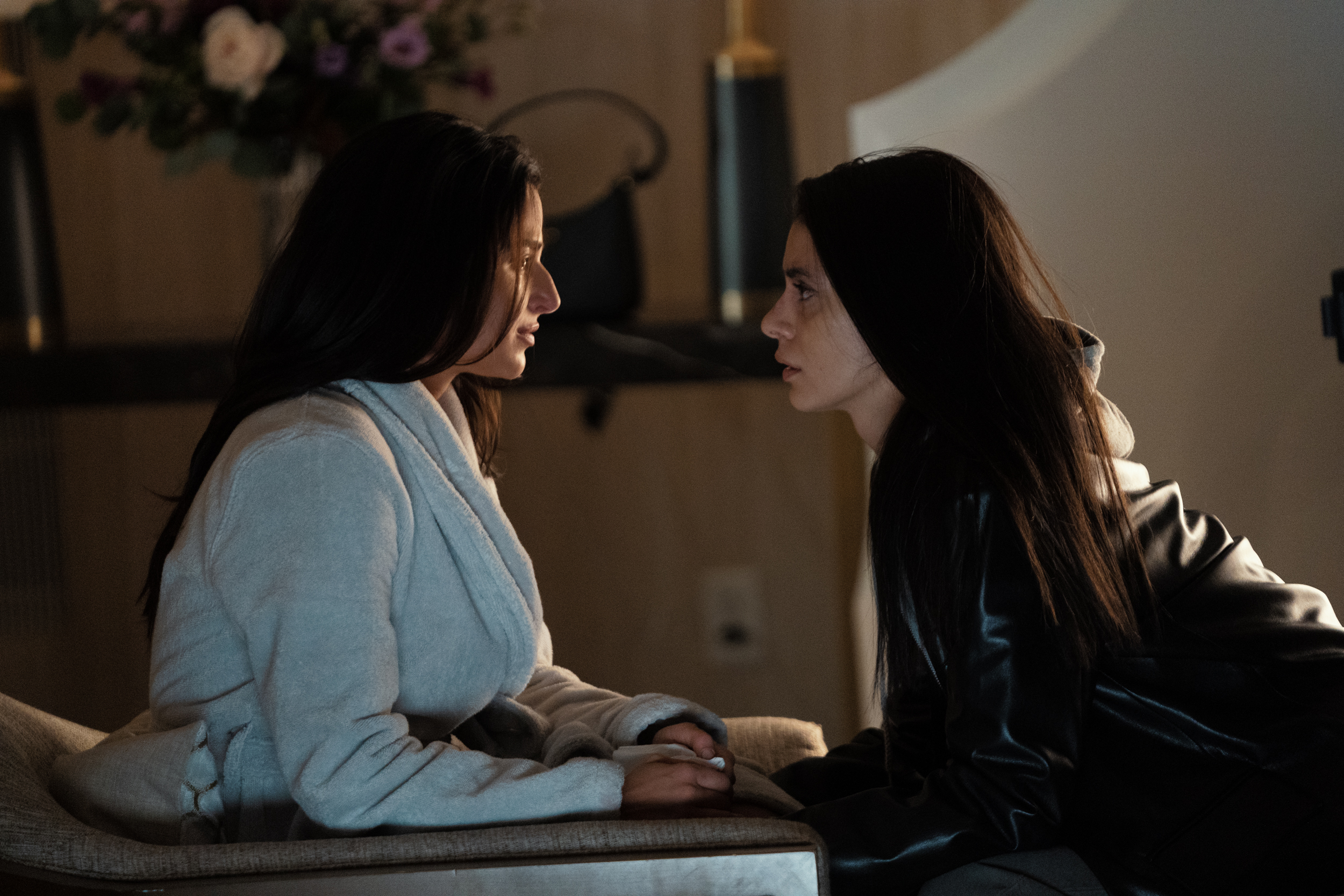
The actual filming of Aaliyah’s return matched the weight of the moment.
Nur shot the finale sequence in Texas inside a striking private home. The room was dimly lit with real candles, and the production placed Aaliyah inside an enormous solid marble tub, creating an image that felt almost royal.
Nur jokes that she felt like “Caligula or Queen Cleopatra” sitting in the bath.
But the most interesting part of the experience may have happened before the cameras rolled.
To reach the set, she had to walk through the same long corridor seen in the finished scene. After years away from the character, that physical journey began to feel strangely appropriate.
“It’s been a long time and this long walk,” she recalls, describing the destination as feeling almost like “the judgment room.”
That image captures Aaliyah’s return perfectly.
In Season 1, everyone else decided what would happen to her.
Her family dictated her future. Cruz manipulated her trust. The Lioness program decided what losses were acceptable.
By the end of Season 3, Aaliyah is no longer waiting for someone else to determine the outcome.
She is the one waiting at the end of the hallway.
The Emotional Engine of Lioness
The smartest thing Lioness can do with Aaliyah now is resist turning her into a conventional villain.
There are plenty of people in this world capable of firing a gun, ordering an operation, or destabilizing a government.
Aaliyah is interesting because the threat is inseparable from the woman viewers already knew.
Her innocence is part of it. Her isolation is part of it. Her love for Cruz is part of it. So is the betrayal, grief, rage, and whatever she has become in the years since.
That emotional history is what gives Nur something richer to play than simple revenge.
At the time of the conversation, there was no confirmed next chapter for the series, and Nur made it clear that whatever ideas she has for Aaliyah’s future remain her own. But when asked what she would personally like to see, she admitted she wants Aaliyah to even the score.
The fascinating part is deciding what “even” actually means.
Does Aaliyah want Cruz to suffer?
Does she want an explanation?
Does she want Cruz to choose her this time?
Or does she simply want the people who treated her life as collateral damage to understand what that damage created?
That is where Lioness has positioned its most compelling conflict.
The CIA once weaponized Aaliyah’s trust.
Now her heartbreak may be the most dangerous weapon in the room.
Watch Interview

Editor-in-Chief | Owner
I’m a dedicated aficionado of all things movies, pop culture, and entertainment. With a passion for storytelling and a love for the silver screen, I’m constantly immersed in the world of cinema, exploring new releases, classics, and hidden gems alike. As a fervent advocate for the power of film to inspire, entertain, and provoke thought, I enjoy sharing my insights, reviews, and recommendations with fellow enthusiasts.