


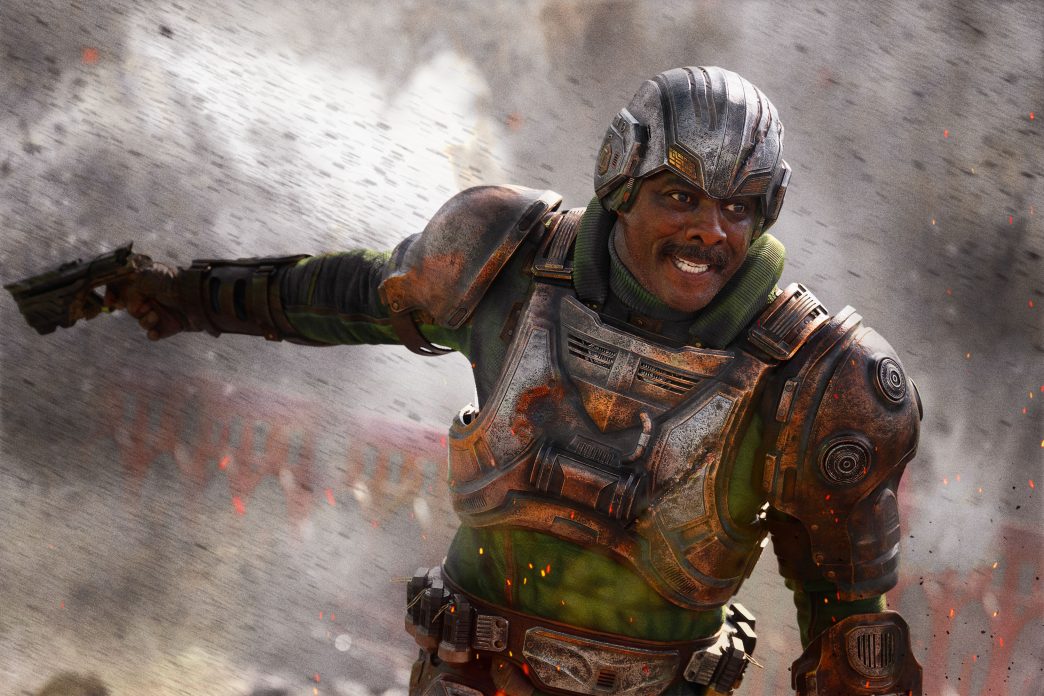


For all the massive action, fantasy spectacle, and cosmic battles inside Masters of the Universe, the film’s emotional center surprisingly comes from something much quieter: mentorship.
Not the kind rooted in power or authority, but the kind built on failure, protection, sacrifice, and reaching back to guide the next generation before they lose themselves completely.
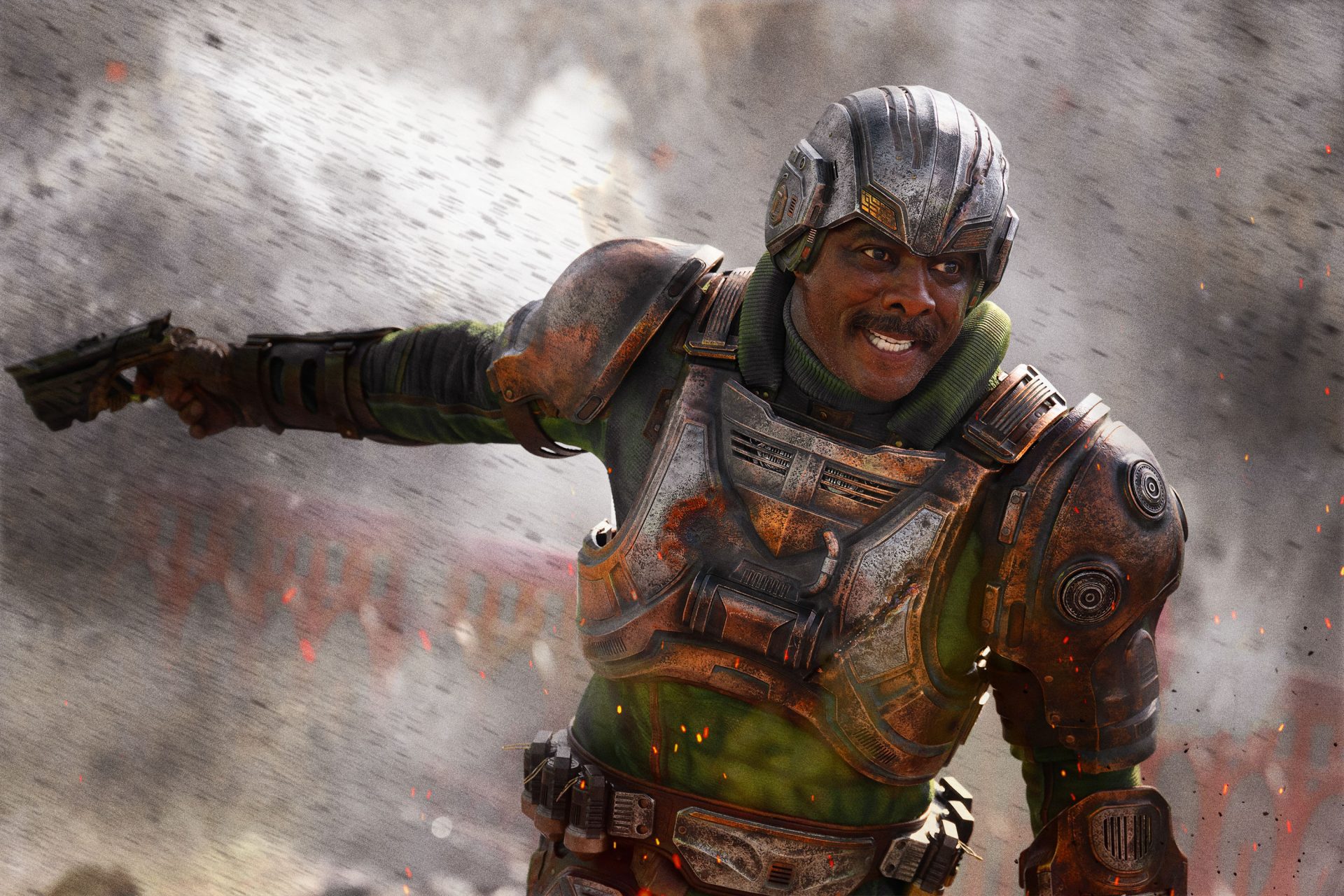
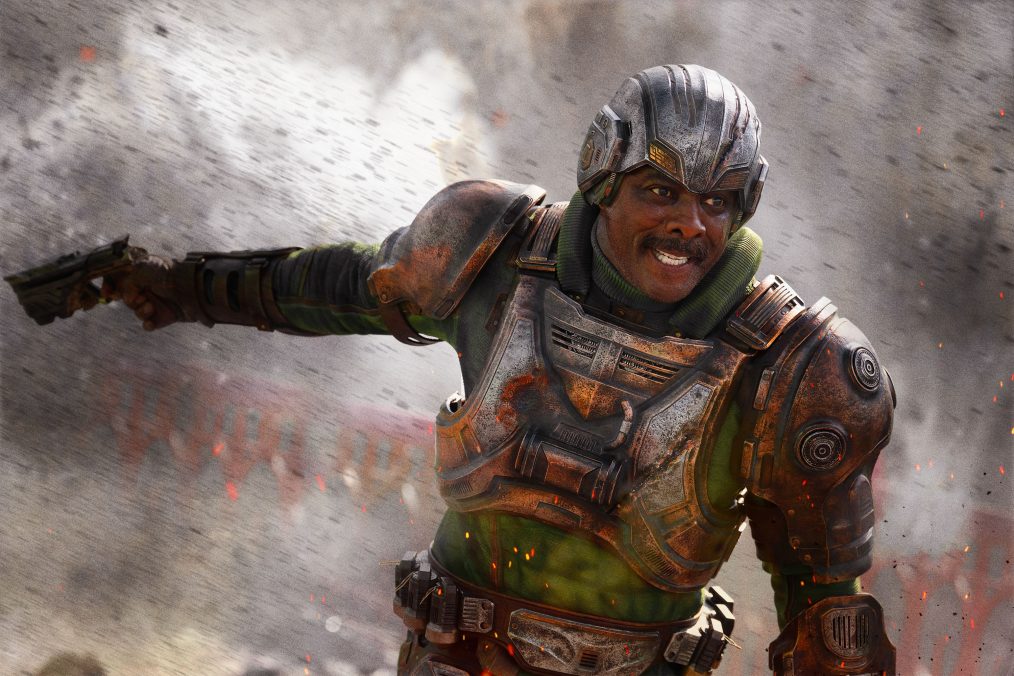
That emotional weight lives inside Idris Elba’s performance as Duncan, better known to fans as Man-At-Arms.
Directed by Travis Knight, Amazon MGM Studios and Mattel Films’ live-action adaptation reimagines Duncan as far more than He-Man’s loyal weapons master. In this version, he becomes the emotional and strategic backbone of the story — a broken mentor carrying guilt, fractured relationships, and the burden of promises he believes he failed to keep.
And honestly, that direction may be one of the smartest decisions the film makes.
Within Black culture, the mentor figure carries sacred importance. Whether it’s the uncle, the older brother, the coach, the father substitute, or the OG trying to help younger generations avoid the same mistakes, these characters often become emotional anchors within families and communities. They are the people who teach survival through wisdom, accountability, discipline, and compassion.
That energy radiates throughout Elba’s portrayal of Duncan.
This is not a flawless heroic archetype delivering perfect speeches from a throne room. Duncan is tired. He drinks. He struggles emotionally. He wrestles with confidence after years of believing he failed both Prince Adam and his daughter Teela when Eternia collapsed under Skeletor’s rise.
But despite all of that pain, he still keeps trying to stand up for the people he loves.
That emotional contradiction is what makes the performance resonate so strongly.
Rather than portraying Duncan simply as a hardened warrior, Idris Elba plays him like a man carrying decades of emotional scars while still understanding that younger generations need guidance, even when he no longer fully believes in himself. Every lesson he gives Adam feels grounded in lived experience rather than generic fantasy dialogue.
At one point, Duncan reminds Adam:
“A man stands up when he is needed.”
The line works because Duncan himself is struggling to live up to those words again.
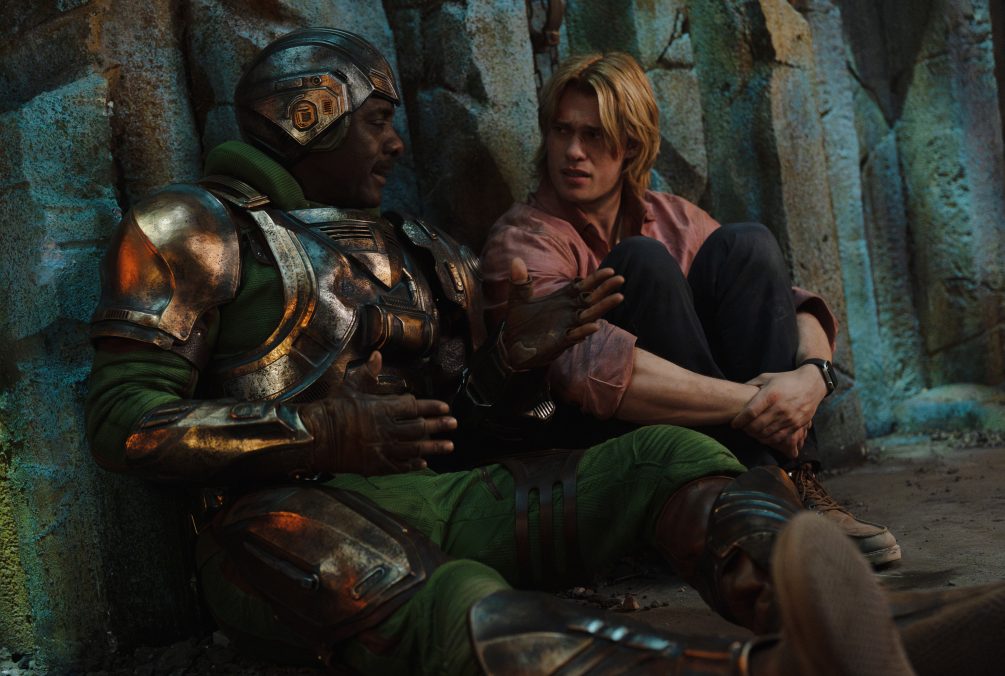
The film smartly positions Duncan as the mentor Adam desperately needs. Nicholas Galitzine’s Prince Adam enters the story still trying to understand what kind of man he wants to become. While Eternia’s older generation often values power, emotional restraint, and physical dominance, Adam approaches the world with more empathy and vulnerability. At its core, it is a realization that true manhood is defined by emotional maturity rather than physical muscle or toxic masculinity.
Duncan recognizes that difference immediately, anchoring himself as someone who has spent years battling his own demons in isolation for over 15 years.
Instead of trying to turn Adam into a colder warrior, he focuses on helping him grow into someone capable of carrying responsibility without losing his humanity. The mentorship becomes less about combat training and more about emotional maturity, accountability, and resilience after failure.
That distinction gives the relationship real emotional depth.
Duncan trained Adam when he was younger, affectionately calling him “sweet little Adam,” and throughout the film there’s a lingering sadness underneath their conversations. Duncan believes he failed the king’s promise to protect Adam and Eternia, and that guilt destroyed much of his self-worth. But Adam still looks toward him for guidance because Duncan represents something stability alone cannot replace: emotional safety.
He becomes the person Adam can be honest with.
And honestly, Idris Elba excels in those quieter scenes far more than the action itself.

The same emotional complexity shapes Duncan’s fractured relationship with Teela, played by Camila Mendes.
Rather than portraying them as emotionally polished, the film leans into the awkwardness and pain of a father and daughter struggling to reconnect after years of disappointment and emotional distance. Duncan clearly loves Teela deeply, but he’s not naturally good at expressing his feelings directly. Their bond rebuilds slowly through uncomfortable conversations, humor, old memories, and mutual vulnerability.
That realism makes their relationship feel lived-in.
Speaking with Wilson Morales of BlackFilmandTV.com, Idris Elba described the chemistry between himself and Mendes as something that developed naturally from the beginning.
“It was pretty effortless,” Elba explained. “From the first time I saw Cammy on set, it was a big hug like this is my dad.”
Camila Mendes echoed that warmth immediately.
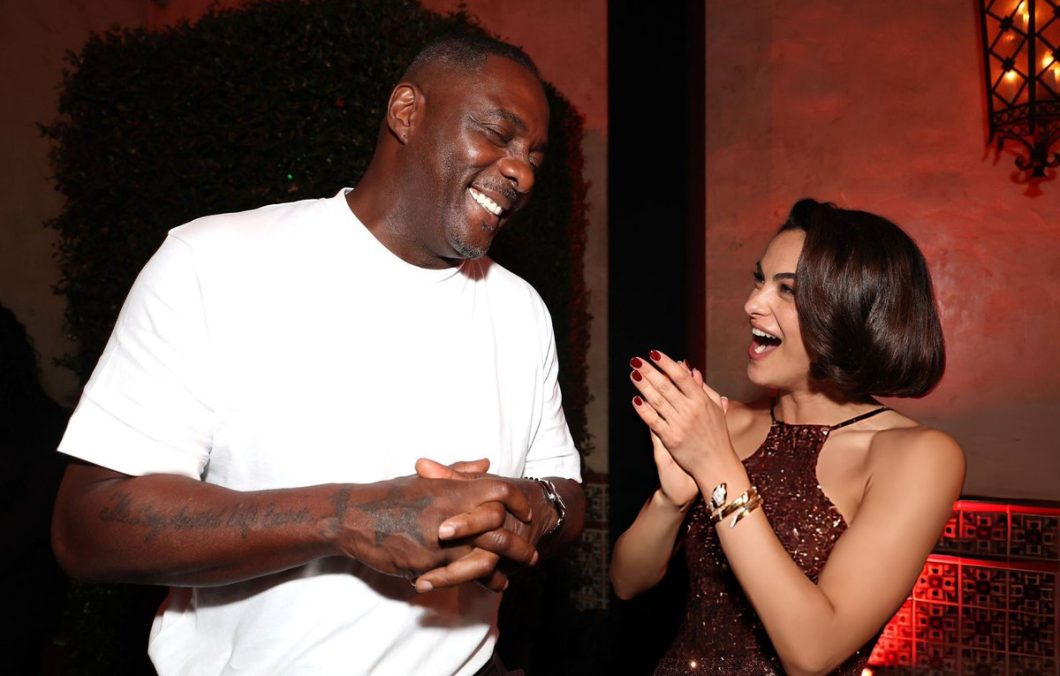
“I was nervous to meet you,” Mendes admitted during the interview. “I was like, ‘I hope he’s cool.’ And he was the most cool and grounded and down to earth that it was just so easy to get along with him.”
That comfort translates directly onto the screen. Their scenes together often become the emotional heartbeat of the movie because both actors understand the unspoken tension underneath the dialogue. Duncan wants to repair the damage between them but doesn’t always know how to communicate it cleanly.
So instead, he keeps showing up.
That’s the beauty of the performance.

Even physically, Idris Elba grounds Duncan differently from many modern fantasy characters. Instead of feeling overly polished or superhuman, Duncan fights like a seasoned soldier trying to protect his family long enough for them to survive another day. Elba reportedly performed much of his own stunt work, relying heavily on practical choreography and wirework rather than excessive CGI spectacle.
That physical exhaustion matters because Duncan constantly feels like someone carrying emotional and physical weight simultaneously.
And while Masters of the Universe absolutely delivers the epic fantasy audiences expect, the film works best when it slows down enough to let Duncan mentor the people around him. Whether he’s rebuilding trust with Teela, helping Adam rediscover confidence, or teaching lessons about purpose after failure, Duncan becomes the character who emotionally holds the story together.
Outside of Eternia, Elba frequently hits on themes of guidance and personal growth when discussing his career and manhood. In a recent profile interview, the actor shared a grounded philosophy that perfectly mirrors the journey of a true mentor:
“Work hard… find your rhythm, stay in your lane. And one day you’ll look up and realize you’ve become the man you used to admire.”
For Elba, thriving in any industry requires a deep understanding of your “terrain” and knowing exactly what your targets are, rather than just winging it. It’s a structured, disciplined mindset that proves he doesn’t just look the part—he’s already channeling the exact energy needed to step into the boots of Eternia’s top military tactician.
In many ways, that makes him the film’s real foundation.
Because underneath all the swords, monsters, and mythology, Masters of the Universe ultimately becomes a story about legacy. About what older generations pass down emotionally to the next ones. About learning how to stand back up after losing confidence in yourself.
And Idris Elba’s Man-At-Arms carries all of that with remarkable humanity.
Masters of the Universe In Theaters only June 5

Editor-in-Chief | Owner
I’m a dedicated aficionado of all things movies, pop culture, and entertainment. With a passion for storytelling and a love for the silver screen, I’m constantly immersed in the world of cinema, exploring new releases, classics, and hidden gems alike. As a fervent advocate for the power of film to inspire, entertain, and provoke thought, I enjoy sharing my insights, reviews, and recommendations with fellow enthusiasts.