



What happens when a child goes into a cage and steps out fifteen years later as a grown man? That is the crushing question at the heart of Ricky, the feature directorial debut from Rashad Frett. After earning the U.S. Dramatic Directing Award at Sundance, the film arrives as a deeply authentic, often agonizing look at life after incarceration, second chances, and the emotional violence of losing your formative years to a system that expects you to return home fully formed.
Ricky avoids the easy tropes of a standard recidivism drama. It is not interested in turning its central character into a lesson, a statistic, or a symbol. Instead, Frett crafts a devastatingly intimate character study about delayed adulthood, trauma, family pressure, and the impossible expectations placed on someone trying to rebuild a life they were never properly allowed to begin.
A Child in a Man’s Body
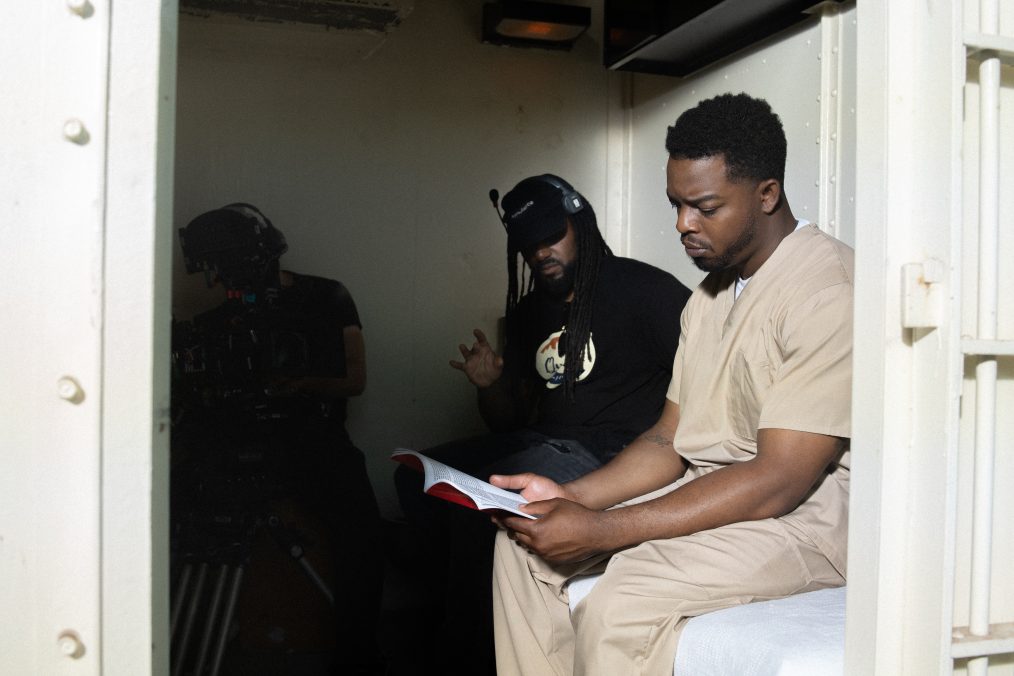
The film follows 30-year-old Ricardo “Ricky” Smith (Stephan James), who has just been released after serving 15 years for a crime committed when he was a teenager. At 15, Ricky was pressured by his childhood friend Terrence (Sean Nelson) into a botched convenience store robbery that ended with a cashier being shot. Terrence fled, Ricky was left to take the fall, and the court system treated him as an adult before he ever had the chance to become one.
That history gives the film its emotional core. Ricky may have the body of a grown man, but emotionally and socially, he remains frozen at the age he was when he went away. Frett focuses on the overwhelming anxiety of basic adult milestones: learning to drive, applying for work, using modern technology, navigating video calls, understanding intimacy, and trying to behave like a fully functioning adult when every part of his development was interrupted.
Stephan James delivers a career-best performance, balancing a prison-learned defense mechanism with the fragile innocence of a teenager who missed his entire youth. There are moments where Ricky’s body language carries the hardness of survival, especially when he feels threatened. But James is even stronger in the quiet moments, where Ricky’s lack of eye contact, sudden confusion, social awkwardness, and buried fear reveal the child still trapped inside him.
The High Cost of Freedom
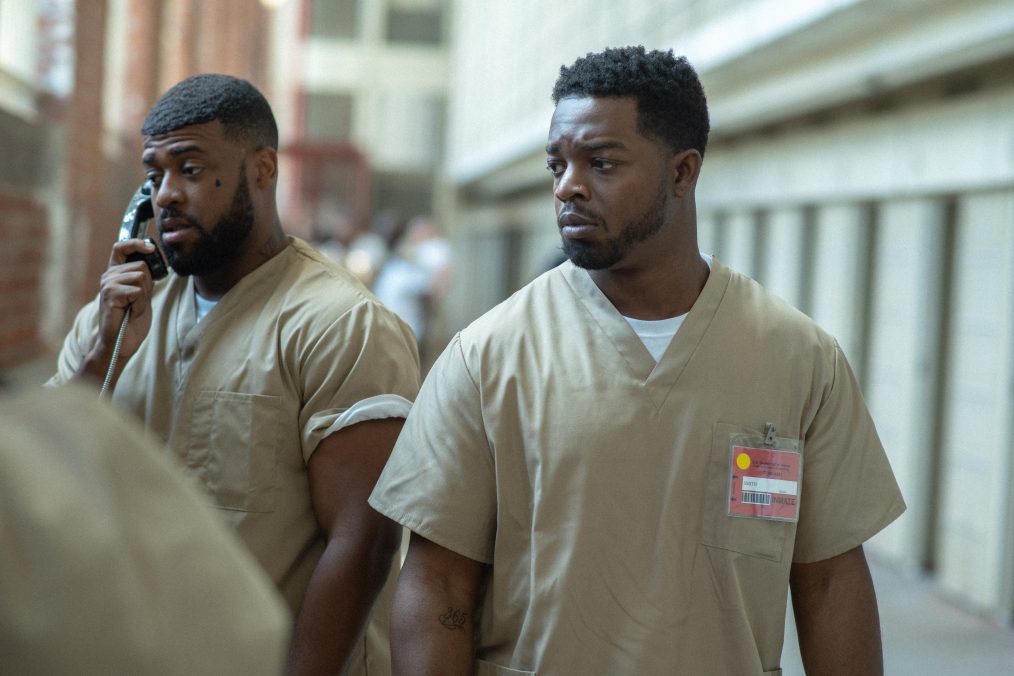
Rather than playing like a simple social lecture, Ricky dives deep into the administrative nightmare of parole. Ricky is buried under a brutal checklist: maintain employment, take prescribed medication, attend mandatory therapy, stay clean, show up on time, stay out of trouble, and somehow do all of that without reliable transportation, emotional stability, or money.
That is where the film becomes especially effective. Freedom is presented as a technicality, not a release. Ricky is out of prison, but every system around him still seems designed to remind him how easily he can be sent back. When he finds work, his record follows him. When he needs to attend appointments, he depends on others. When he tries to move forward, the world keeps shrinking the space around him.
Sheryl Lee Ralph is excellent as Joanne, Ricky’s tough, no-nonsense parole officer. The film wisely avoids making her a simple antagonist. Joanne is strict because she understands how little room Ricky has to fail. Ralph gives the role authority, pressure, and a surprising amount of humanity, making her scenes feel less like bureaucratic obstacles and more like warnings from someone who knows the system can swallow him whole.
Family, Faith, and Fractured Roles
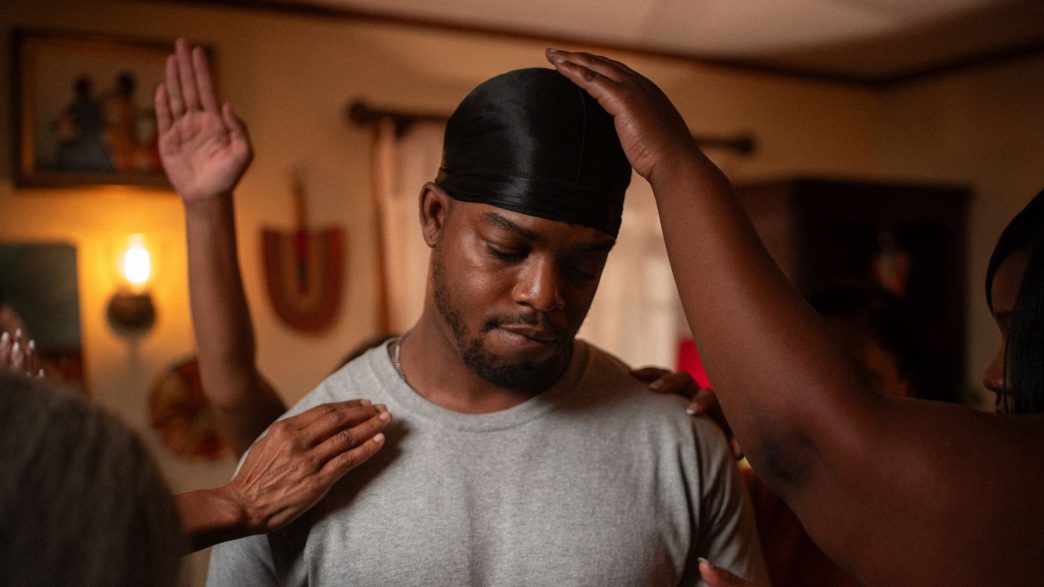
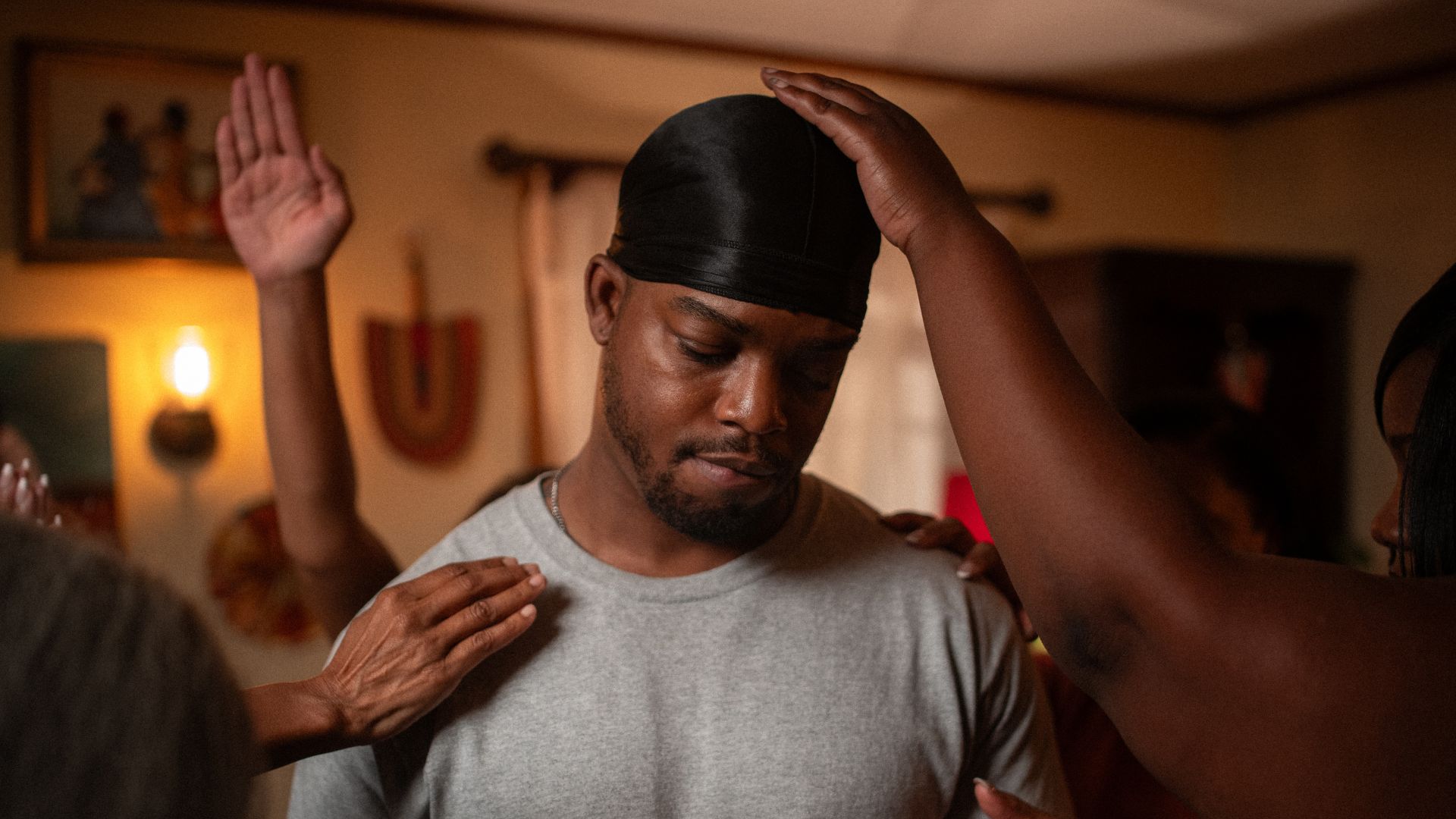
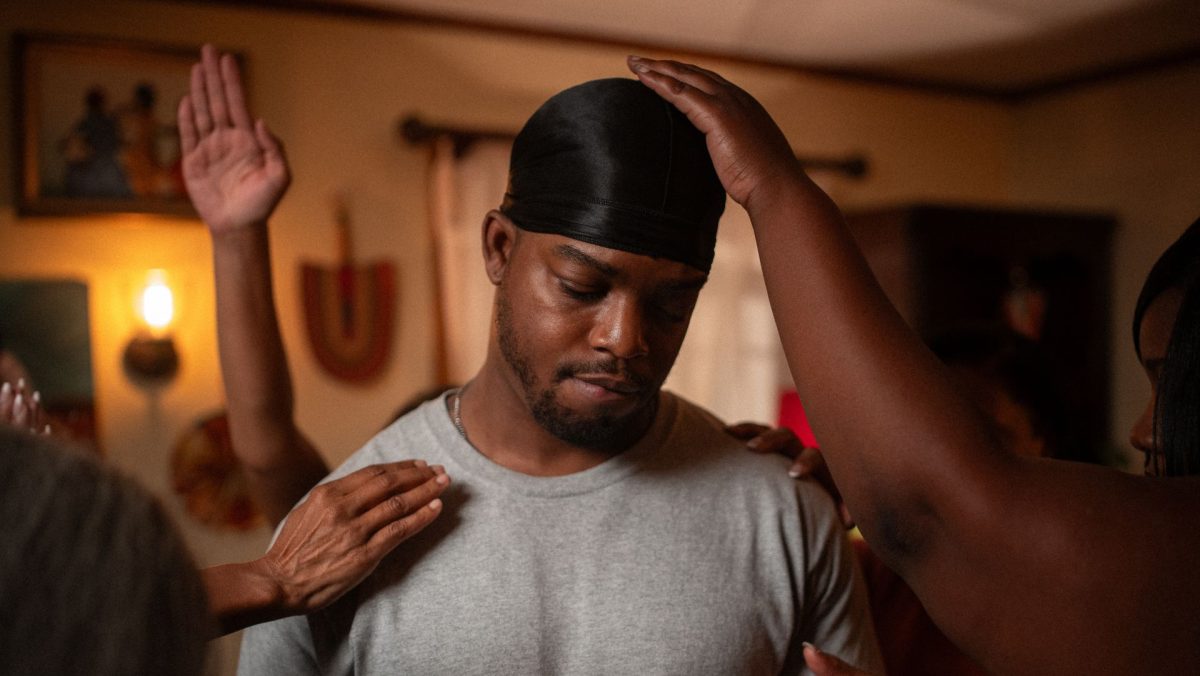
The family dynamic gives Ricky much of its emotional weight. Simbi Kali brings quiet heartbreak to Winsome, Ricky’s deeply religious mother, whose faith is tangled with fear, guilt, and desperate hope. The film opens with a striking image of Ricky being prayed over by his mother and her church community, immediately establishing the spiritual pressure surrounding his return home.
There is also a fascinating reversal between Ricky and his younger brother James (Maliq Johnson). Ricky may be the older sibling, but James has the car, the job, and the stability. That flips the family structure in a way that creates quiet resentment and realistic tension. James wants to help, but the burden of Ricky’s reentry slowly becomes another weight the family has to carry.
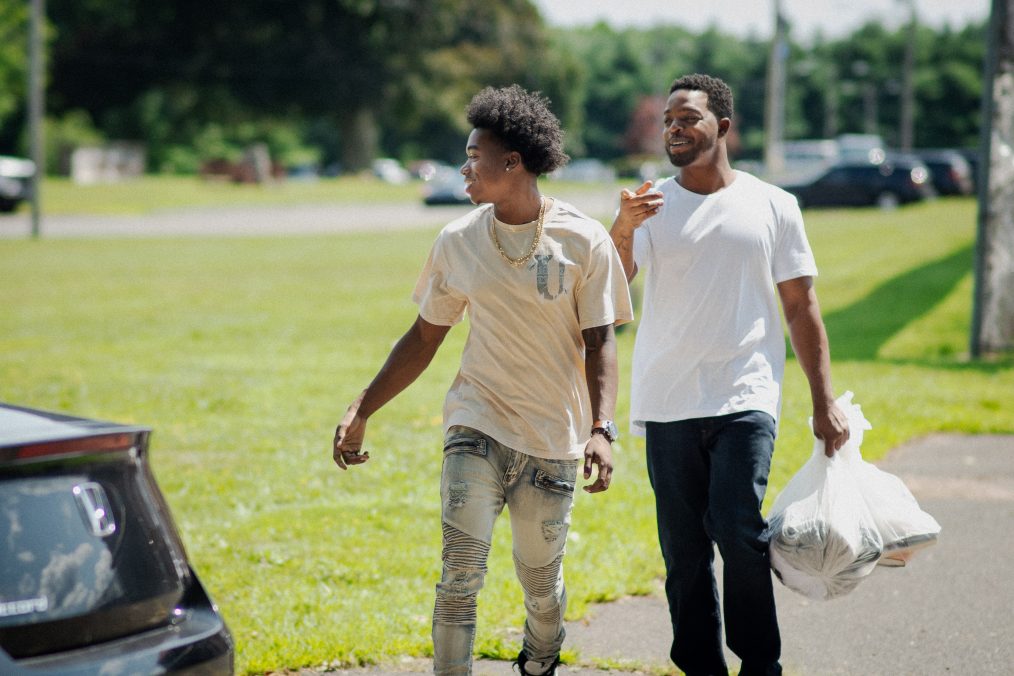
The film also uses Ricky’s romantic life to mirror his fractured emotional state. Jaz (Imani Lewis), a young single mother whose son Ricky gives a haircut to, represents tenderness and possibility. Their connection feels sweet, awkward, and almost teenage, which makes sense for a man experiencing adult romance with a stunted emotional foundation. Cheryl (Andrene Ward-Hammond), a fellow former felon from group therapy, pulls Ricky toward a messier and more unstable reality, forcing him into adult situations he is not equipped to handle.
A Visual Representation of PTSD
From a filmmaking standpoint, Ricky is remarkably controlled for a feature debut. Frett and cinematographer Sam Motamedi build a visual language around Ricky’s fragile sense of safety. When Ricky is in his comfort zone, especially while cutting hair, the camera is warm, stable, and grounded. Those moments allow the audience to see who Ricky could be if the world gave him enough space to breathe.
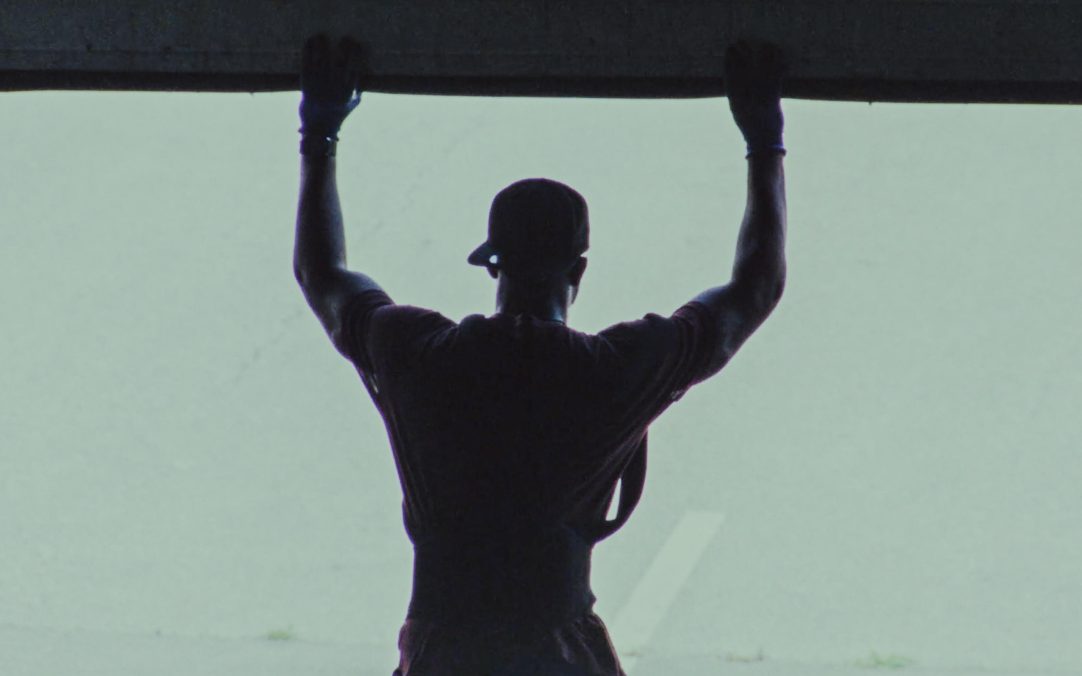
But when he steps into environments that trigger stress, threat, or uncertainty, the visual style shifts. The camera becomes shakier, tighter, hazier, and more claustrophobic, reflecting Ricky’s hyper-vigilance and PTSD. That contrast allows the audience to feel his instability without the film overexplaining it. The style is not flashy for its own sake. It places viewers directly inside Ricky’s nervous system.
That authenticity is one of the film’s greatest strengths. The Hartford and East Haven settings, the Caribbean-American community, the church presence, and the neighborhood textures all feel lived-in. Frett’s years working around the criminal justice system are felt in the details, especially in how the film captures the exhausting reality of trying to survive after release.
When the Film Pushes Too Hard
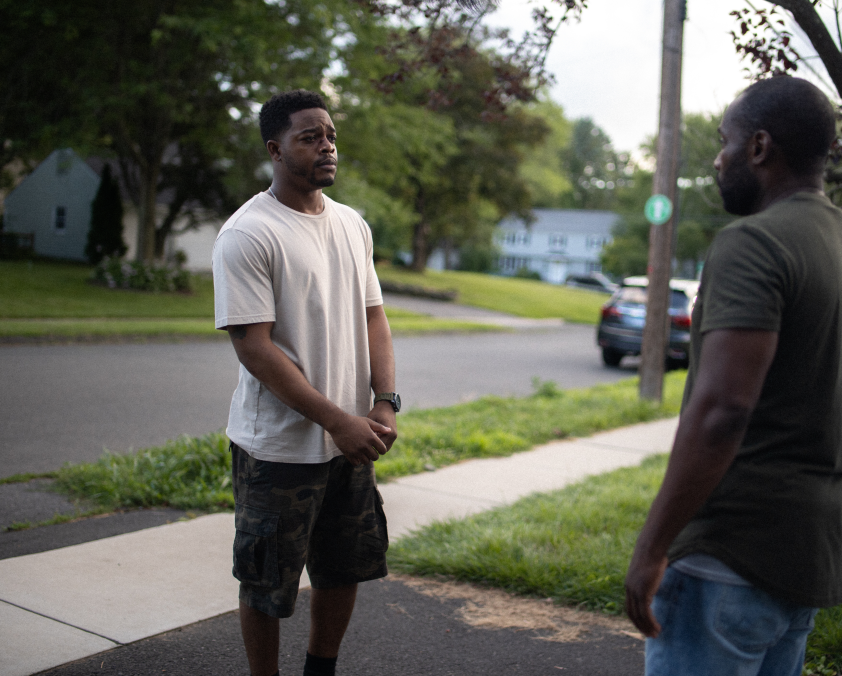
If Ricky stumbles, it is in its final stretch. After spending most of its runtime as a quiet, observational character study, the film leans into a more overtly melodramatic chain of events involving a stolen car and a late accident. The emotional stakes still work, but the sudden shift toward high-pressure thriller mechanics feels slightly more forced than the grounded realism that makes the earlier sections so powerful.
The same can be said for the film’s heavier religious imagery near the end. While faith is clearly an essential part of Ricky’s home life and community, some of the final choices feel a bit more pointed than necessary. The movie is strongest when it trusts the audience to sit with Ricky’s contradictions without underlining the lesson too heavily.
Still, those issues do not undo the film’s impact. If anything, they reveal how deeply invested the audience becomes in Ricky’s future. Even when he makes the wrong choice, the film has done enough emotional work to make his failure feel painfully understandable rather than simply frustrating.
The Weight of a Second Chance
What makes Ricky resonate is how clearly it understands that second chances are often offered with conditions designed to break the people receiving them. Ricky is told to rebuild his life, but the world he returns to has moved on without him. He is expected to be accountable, employable, emotionally regulated, socially adjusted, and independent, despite being denied the experiences that would have taught him how to become any of those things.
The film’s end credits, which include real interview vignettes with formerly incarcerated individuals, give the story an even deeper sense of purpose. Rather than ending as a fictional tragedy alone, Ricky expands into a larger conversation about people trying to reclaim their lives after incarceration.
Ricky is a vital, gut-wrenching and deeply empathetic film about the cost of incarceration after the sentence ends. Anchored by extraordinary work from Stephan James and a commanding turn from Sheryl Lee Ralph, Rashad Frett’s feature debut is imperfect, but unforgettable. It is not just a film about reentry. It is a film about a man trying to catch up to the life that moved on without him.

Editor-in-Chief | Owner
I’m a dedicated aficionado of all things movies, pop culture, and entertainment. With a passion for storytelling and a love for the silver screen, I’m constantly immersed in the world of cinema, exploring new releases, classics, and hidden gems alike. As a fervent advocate for the power of film to inspire, entertain, and provoke thought, I enjoy sharing my insights, reviews, and recommendations with fellow enthusiasts.