



Some documentaries inform. Others inspire. And then there are documentaries like 4000 Days, which leave you emotionally exhausted, angry, hopeful, and deeply reflective all at once.
Directed by Daniel E. Catullo III, 4000 Days tells the heartbreaking story of three families whose lives were forever changed by fraternity hazing. What begins as a story about unimaginable loss gradually transforms into something much larger: a years-long fight for accountability, transparency, and legislative reform within a system that too often prioritizes reputation over human life.
The documentary’s title refers to the nearly eleven years it took for grief to become action and action to become law. It is a staggering number when you stop and think about it. Four thousand days of phone calls, meetings, advocacy, disappointment, political roadblocks, and emotional exhaustion. Four thousand days spent making sure their sons would not be forgotten.
What makes 4000 Days so effective is that it never loses sight of the people behind the movement.
More Than Statistics and Headlines
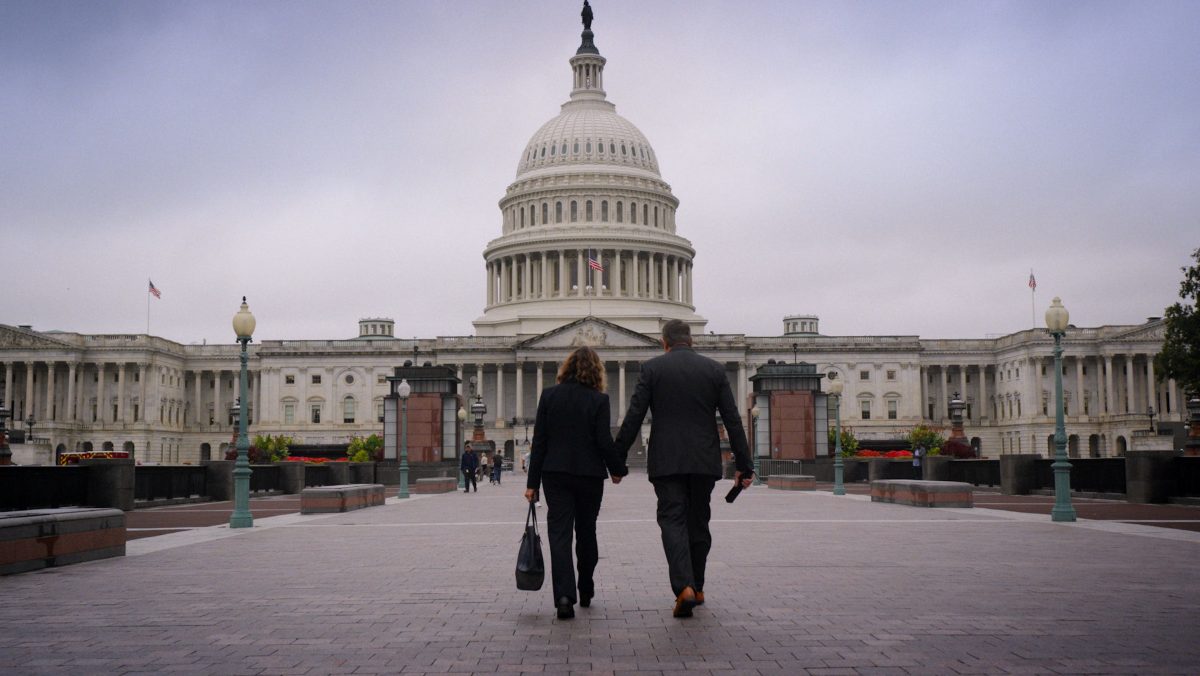
At the center of the documentary are the families of Gary DeVercelly Jr., Adam Oakes, and Nolan Burch, three young men who lost their lives due to fraternity hazing at different colleges and in different circumstances.
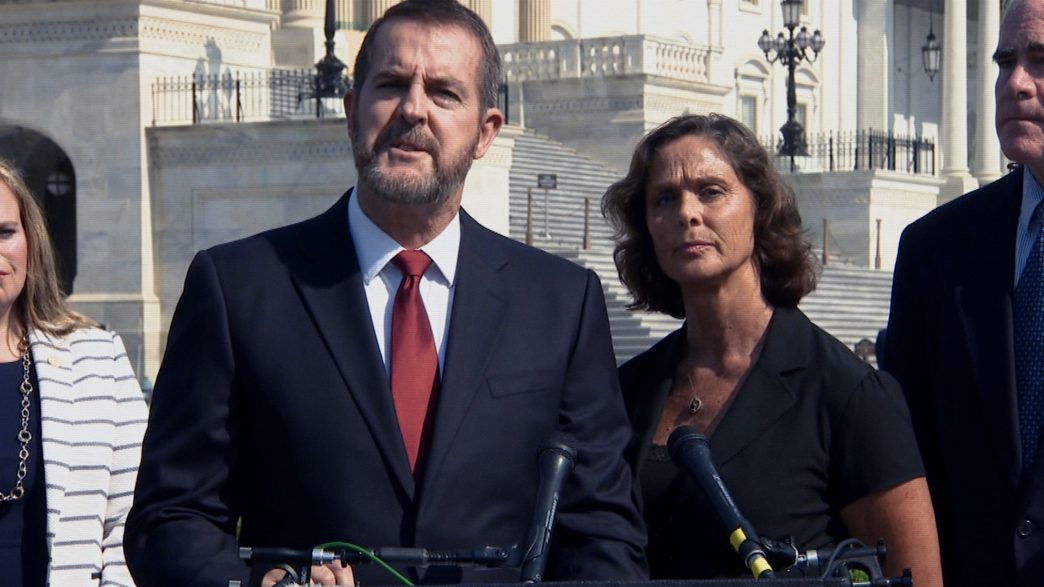
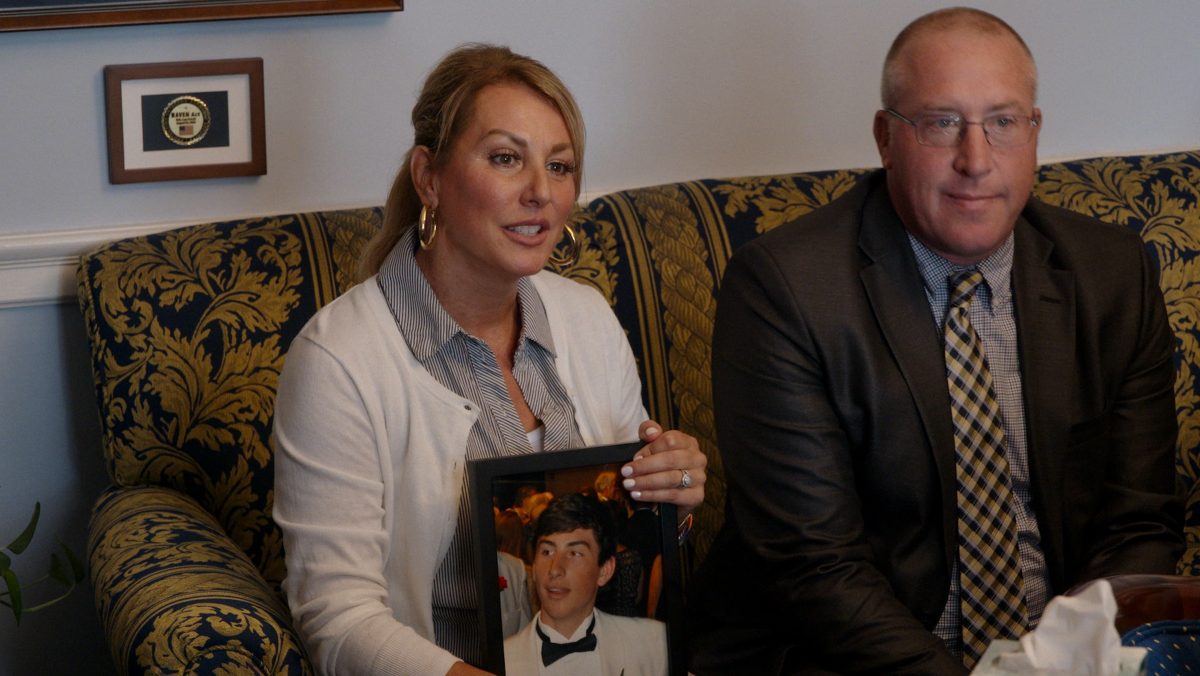
The film opens by highlighting the DeVercelly family’s long struggle to get lawmakers to listen. Nearly two decades after losing their son, Julie and Gary DeVercelly are still fighting for stronger oversight and accountability. Their persistence becomes one of the documentary’s driving forces, illustrating just how difficult it can be to create meaningful change when powerful institutions are reluctant to confront uncomfortable truths.
While the DeVercellys provide much of the documentary’s legislative backbone, the emotional core of the film often comes through the Oakes family. The documentary spends significant time with Eric and Linda Oakes, allowing audiences into deeply personal moments that reveal both the pain of their loss and the determination that fuels their advocacy.
The result is a documentary that never reduces these young men to victims. Instead, we come to understand who they were through the people who loved them most. We learn about their personalities, their ambitions, and the futures they never had the opportunity to experience.
That human element is what gives the documentary its power.
Following The Trail of Accountability
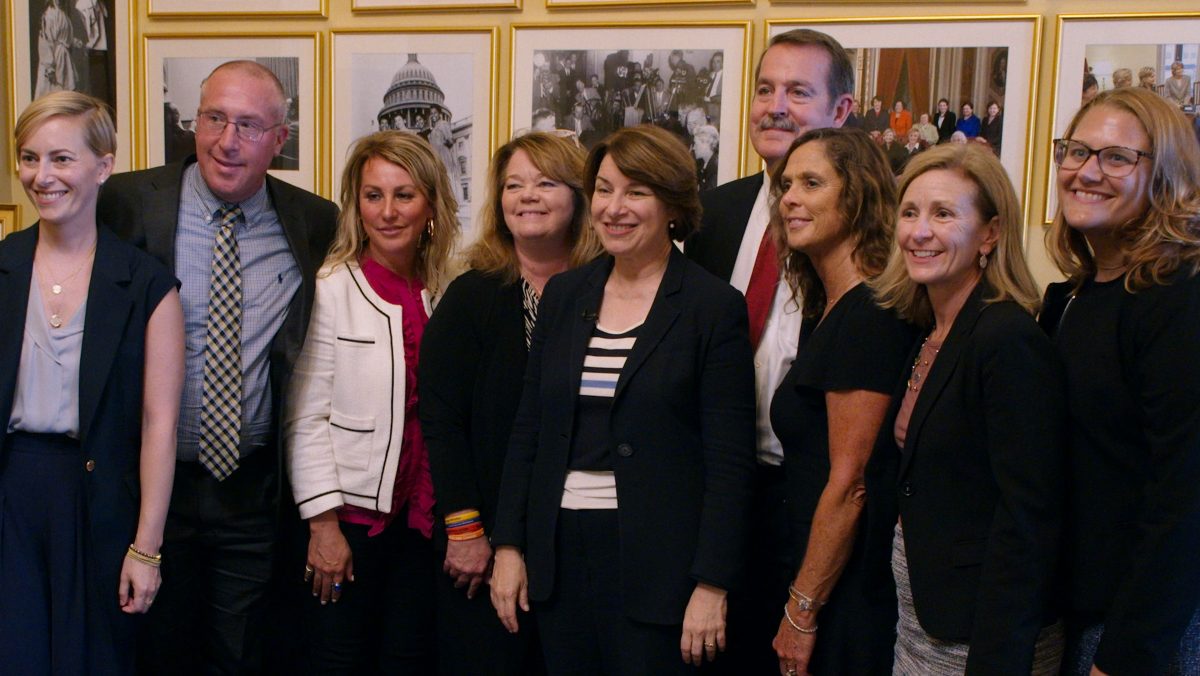
One of the film’s most effective choices is its willingness to explore how difficult accountability can be when powerful organizations are involved.
As the documentary progresses, viewers witness the numerous obstacles these families faced while pushing for reform. Universities, fraternity organizations, political interests, and institutional bureaucracy all become part of a system that often appears more concerned with protecting itself than addressing the root causes of hazing.
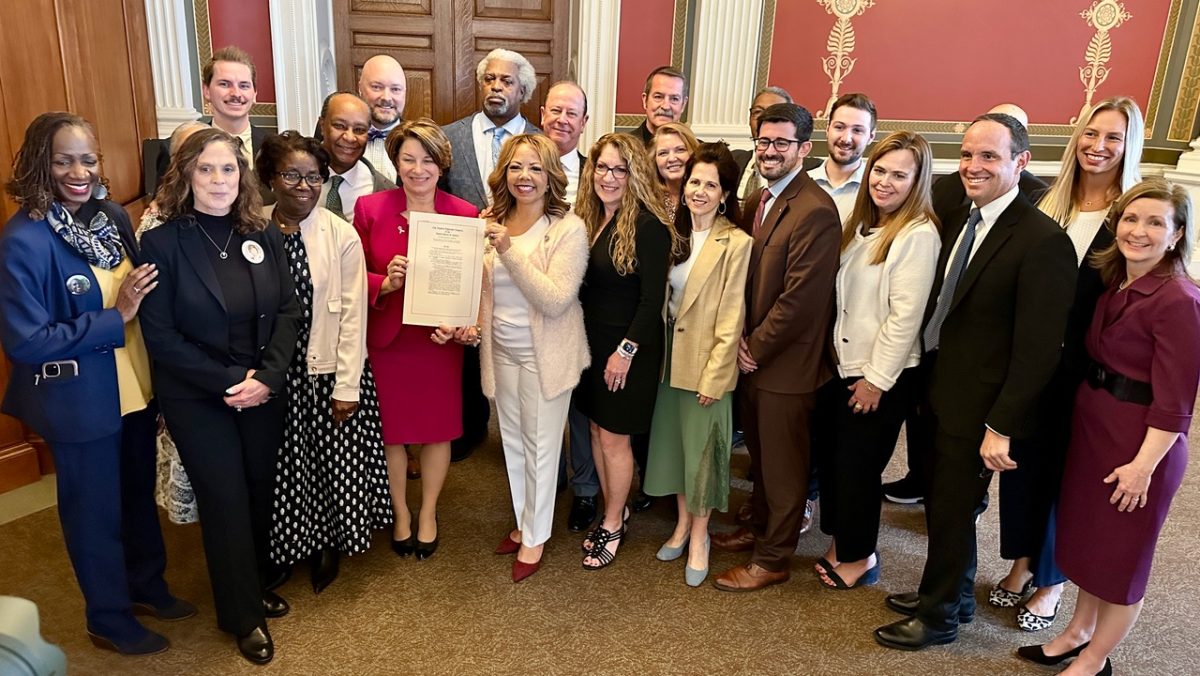
The documentary strongly suggests that longstanding connections between political figures and Greek organizations contributed to the lengthy delays surrounding the Stop Campus Hazing Act. While the film stops short of becoming overtly partisan, it paints a troubling picture of how influence and relationships can slow meaningful reform.
The legislation itself went through multiple revisions, setbacks, and challenges before finally becoming law after nearly 4,000 days of advocacy. Watching that process unfold becomes both inspiring and frustrating. The victories feel earned, but the amount of resistance encountered along the way often leaves viewers questioning why change took so long in the first place.
Perhaps most importantly, the documentary reminds audiences that the story does not end with the bill’s passage. We are now witnessing the implementation of those policies on campuses across the country, making the documentary feel both timely and relevant.
The Adam Oakes Story Hits Hardest
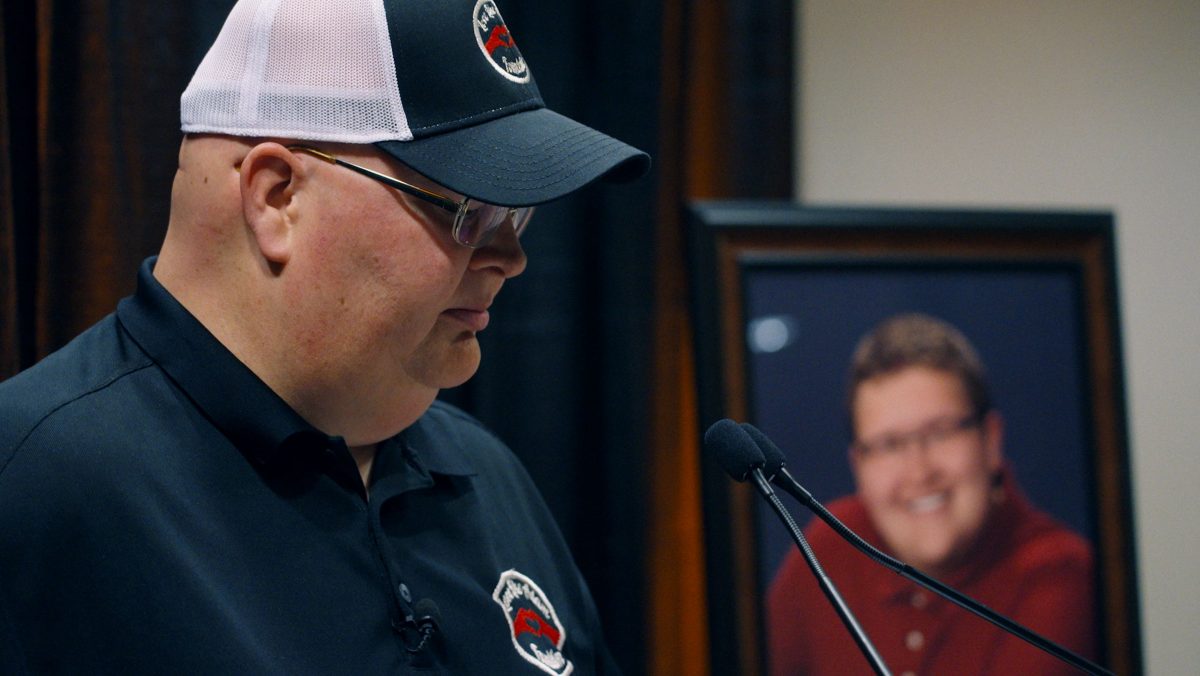
While every family’s story carries emotional weight, the Adam Oakes section stands out as particularly devastating.
The documentary examines not only the circumstances surrounding Adam’s death but also the shocking details that emerged during the investigation. Among the most disturbing revelations are text messages exchanged between fraternity members that suggest Adam was targeted and mocked because of his weight. References to him as “Piggy” transform an already heartbreaking story into something even more infuriating.
These moments are difficult to watch, not because the film sensationalizes them, but because it presents them with restraint.
The documentary trusts the facts to speak for themselves.
One especially revealing sequence involves Virginia Commonwealth University, where the Oakes family attends a memorial event in Adam’s honor. At one point, university representatives request that cameras stop filming. The moment is brief, but it speaks volumes about the tension that exists between institutional image management and public accountability.
It becomes one of several moments that quietly reinforce the documentary’s larger argument: transparency remains one of the greatest challenges in addressing hazing culture.
Daniel E. Catullo III Brings Compassion and Purpose
Director Daniel E. Catullo III approaches the material with a unique perspective.
A former fraternity member himself, Catullo understands both the positive ideals often associated with Greek life and the darker realities that can emerge when oversight disappears. His previous documentary, Breathe, Nolan, Breathe, explored the death of Nolan Burch and helped establish his relationship with many of the families featured here.
That trust is evident throughout 4000 Days.
The film never feels exploitative. Catullo consistently prioritizes the voices of the families and allows their experiences to guide the narrative. Rather than focusing solely on tragedy, he creates space for conversations about healing, resilience, advocacy, and the enduring love parents carry for their children.
The documentary also does an excellent job balancing emotional storytelling with broader social context. It explores fraternity culture, university responsibility, legislative reform, and systemic failures without losing sight of the individuals at the center of those conversations.
A Story of Loss, But Also of Hope
What ultimately separates 4000 Days from many issue-driven documentaries is its emphasis on perseverance.
This is certainly a film about grief, and there are moments that will leave viewers fighting back tears. Yet it is equally a story about resilience.
These families could have walked away.
They could have chosen privacy.
They could have accepted that the system would never change.
Instead, they spent more than a decade fighting for accountability, educating others, supporting fellow families, and ensuring that future students might be protected from similar tragedies.
That determination becomes the documentary’s beating heart.
The title may reference 4,000 days of struggle, but the film itself becomes a testament to what can happen when ordinary people refuse to stop fighting for something bigger than themselves.
4000 Days is a powerful, emotional, and necessary documentary that transforms unimaginable loss into a compelling story of resilience, accountability, and lasting change.
The Verdict
4000 Days is not always an easy watch, nor should it be. The stories it tells are heartbreaking, infuriating, and at times difficult to process. Yet director Daniel E. Catullo III handles the material with care, compassion, and purpose, creating a documentary that honors its subjects while demanding attention to a problem that continues to impact campuses across the country.
More than a documentary about hazing, 4000 Days is a story about parents who refused to let their children be forgotten and who transformed personal tragedy into meaningful action.
It is difficult, important, and ultimately inspiring filmmaking.
WATCH: Julie DeVercelly and Gary DeVercelly Interview

Editor-in-Chief | Owner
I’m a dedicated aficionado of all things movies, pop culture, and entertainment. With a passion for storytelling and a love for the silver screen, I’m constantly immersed in the world of cinema, exploring new releases, classics, and hidden gems alike. As a fervent advocate for the power of film to inspire, entertain, and provoke thought, I enjoy sharing my insights, reviews, and recommendations with fellow enthusiasts.