


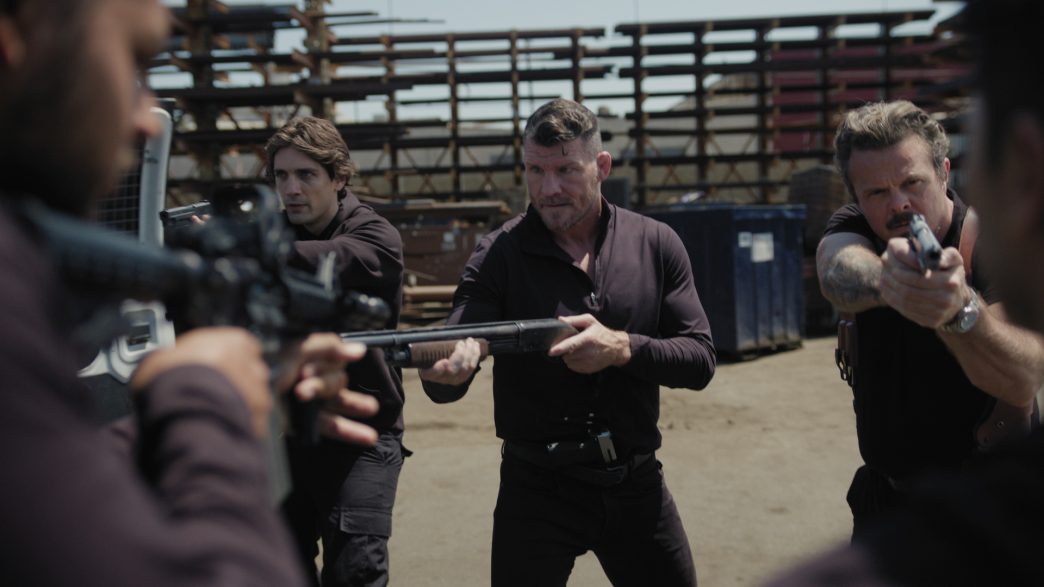

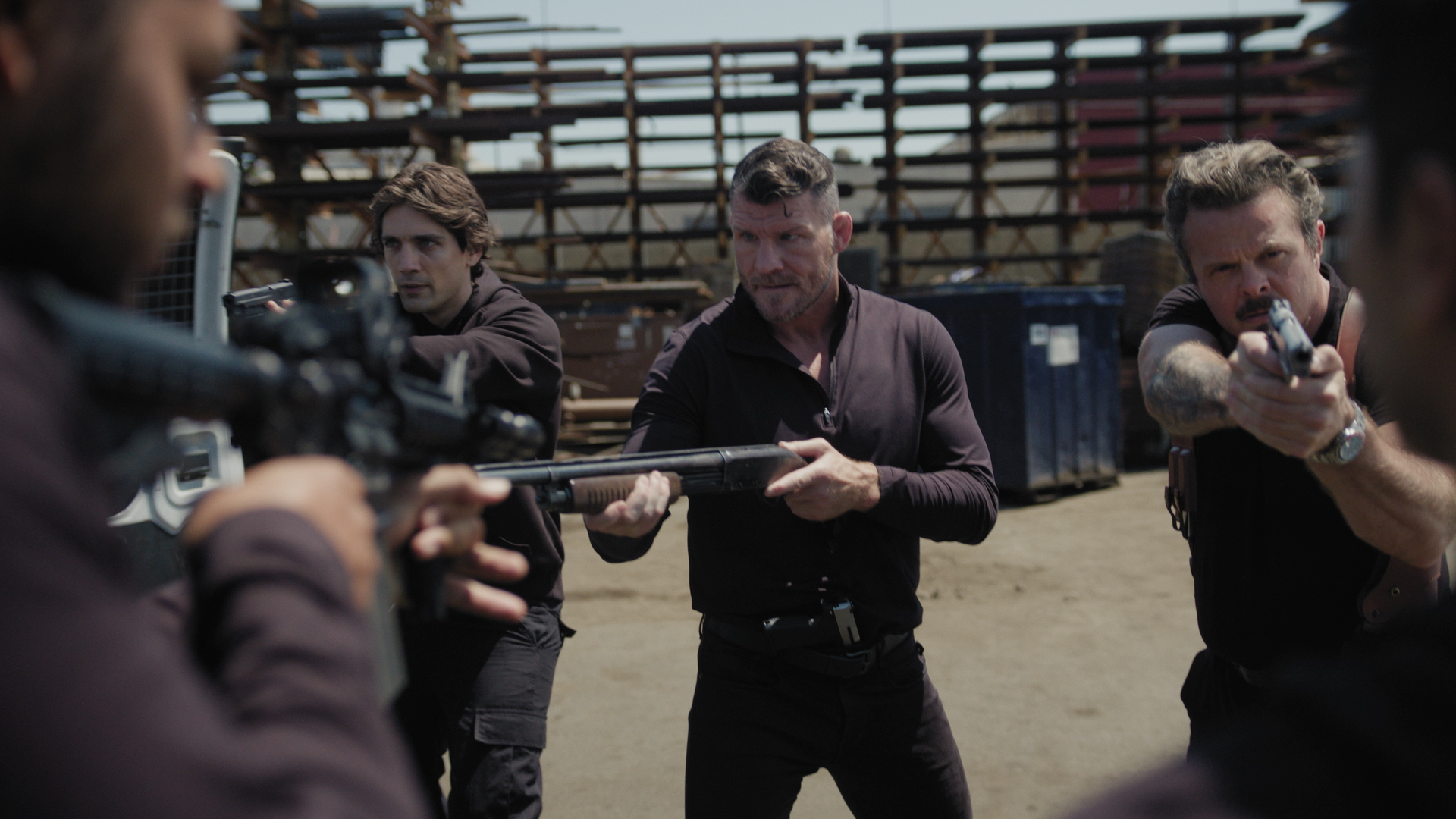
Atlas King knows exactly what kind of movie it wants to be. This is a gritty, fight-heavy action thriller built around UFC Hall of Famer Michael Bisping, and on that level, it delivers. It is not trying to reinvent the crime thriller or completely reshape the underground fight movie. Instead, it leans into familiar action territory with enough physicality, attitude, and momentum to make the ride enjoyable.
Directed and written by Nika Agiashvili, Atlas King follows Atlas King, played by Bisping, as he returns home to Los Angeles and finds the city’s fight game under the control of ruthless crime boss Clay Emerson, played by Cuba Gooding Jr. What starts as a return tied to loss and legacy quickly turns into a battle for control, with underground fights, criminal pressure, a high-stakes heist, and an explosive final showdown pushing Atlas back into a violent world he thought he had left behind.
The story operates in a lane action fans know well, but the film works because the people involved understand the appeal. The punches need to feel real. The fighters need to move like fighters. The villain needs bite. The world needs grime. Atlas King checks enough of those boxes to become a solid, entertaining action vehicle, but what makes it more surprising is the amount of heart wrapped around the violence.
Michael Bisping Looks Right at Home
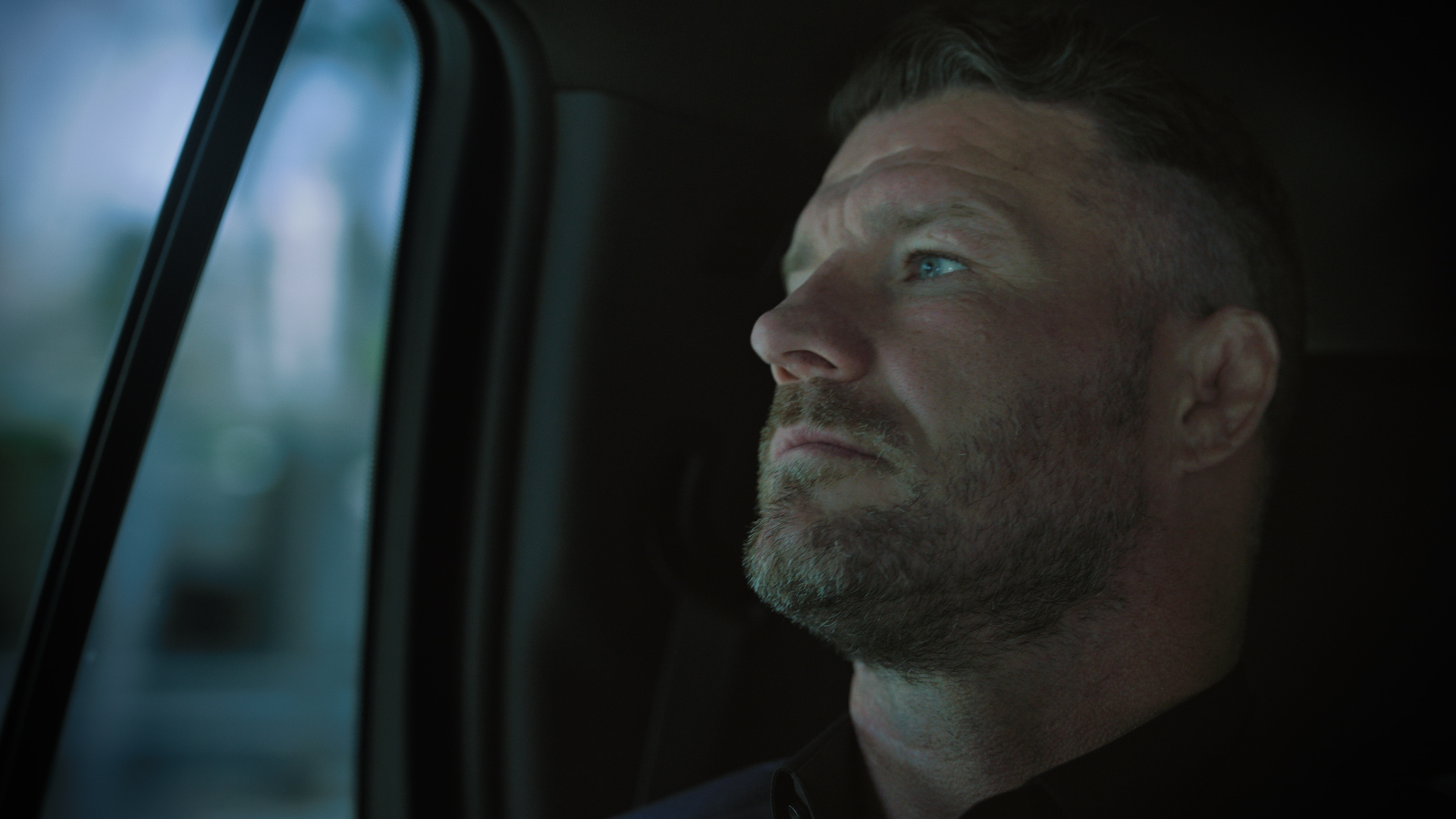
Bisping brings exactly what the movie needs: presence. As Atlas King, he feels believable the moment he steps into the fight world because that physical credibility is already there. You expect the fight choreography, stunt work, and ring sequences to hit harder when a name like Michael Bisping is attached, and the film does not waste that advantage.
What works best is that Bisping is not just standing around waiting for the next punch. He brings a weathered toughness to Atlas, playing him as a man carrying history, loyalty, and the burden of a violent past. The role does not ask him to disappear into something overly polished. It lets him use his natural intensity, physical confidence, and fighter’s instinct to anchor the movie.
There is a weariness to Atlas that fits the title. He is a man carrying the weight of an old empire, a mentor’s legacy, and a city that no longer belongs to him. That gives the movie enough emotional grounding to keep the action from feeling empty.
George Finn Steps Up in a Big Way
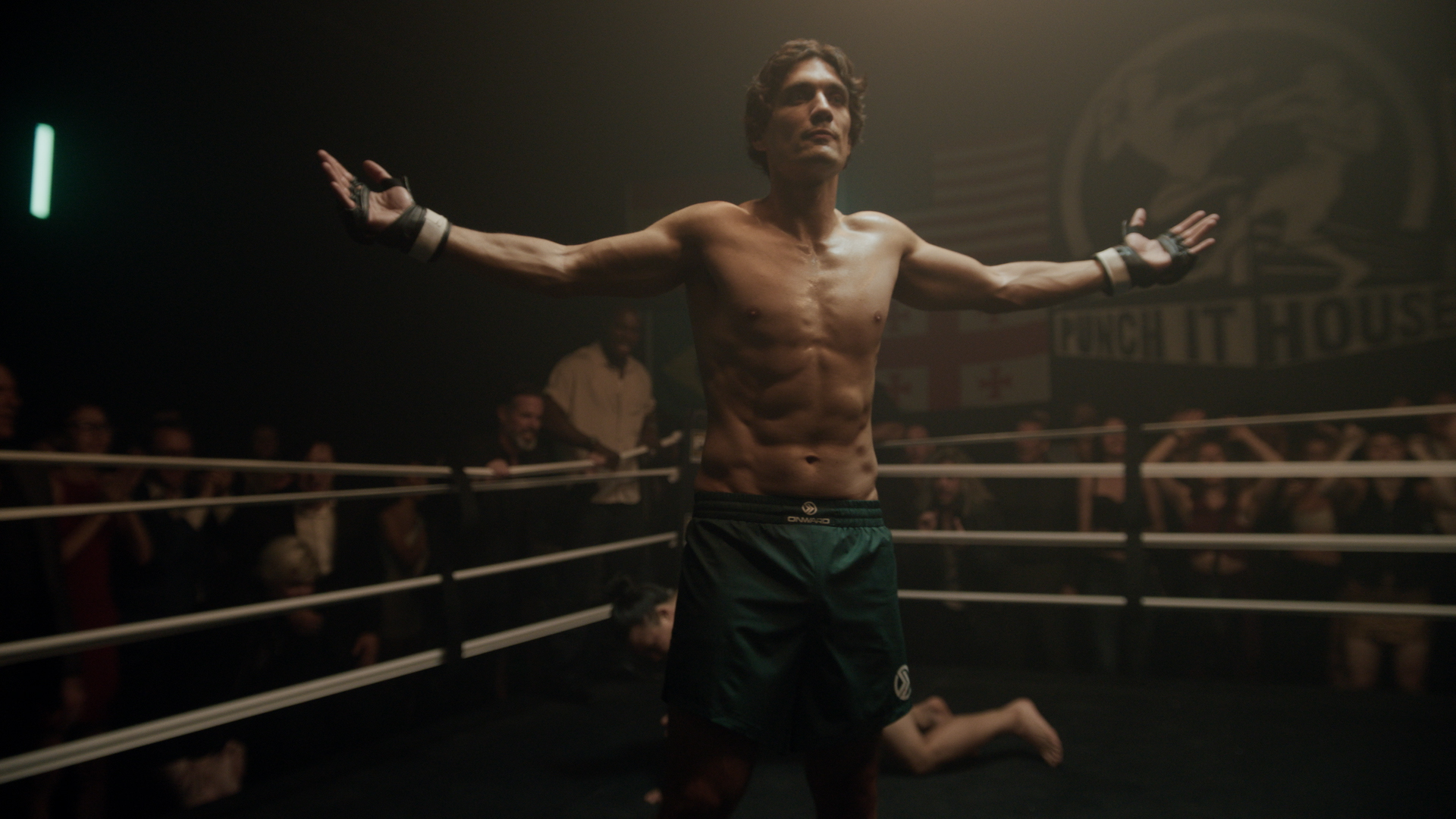
One of the biggest surprises of the film is George Finn. His transformation and performance are genuinely impressive, and he brings real energy to Tommy, the headstrong young fighter who gets pulled into danger through the larger battle over the city’s fight game.
Finn gives Tommy the right mix of fire, recklessness, and vulnerability. You believe he could be talented enough to matter in this world, but also impulsive enough to get himself in serious trouble. That balance is important because Atlas’ role as protector only works if Tommy feels like someone worth fighting for and someone capable of making the wrong decision at the worst possible time.
His fight work also stands out. The choreography around him feels sharp, and he holds his own physically in a movie where that matters. Bisping may be the headline draw, but Finn proves he is not just here to be protected. He gives the film another layer of fight credibility while still keeping Tommy rooted in emotion.
The Fight World Has a Human Side
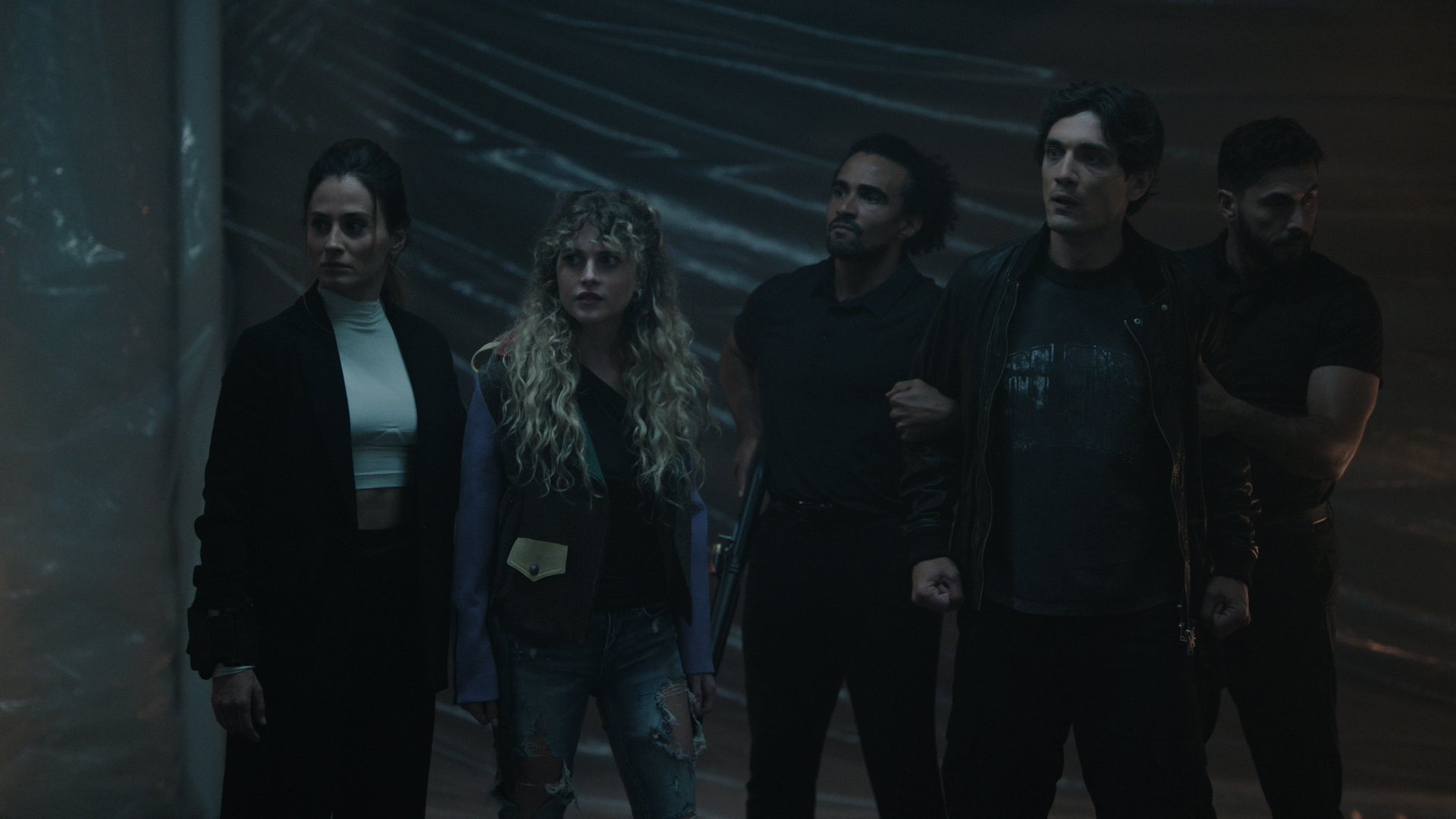
What surprised me most about Atlas King is that you expect the action, but the heart is what gives the movie extra weight. With Michael Bisping attached, there is already an expectation that the fights, choreography, and physicality will feel authentic. The film delivers on that. But what makes it more meaningful is how much it cares about the families, friends, and communities surrounding the fighters.
The movie understands that the fight world is not just about what happens in the ring. It is about the people waiting outside of it, the loved ones carrying the emotional damage, and the communities impacted by every bad decision, every loss, every win, and every attempt to escape a violent cycle. That perspective gives the film an added layer of appreciation for fighters as people, not just bodies built for combat.
That is especially clear through Atlas and Tommy. Atlas is not simply trying to protect a young fighter because the plot needs a mentor figure. He sees himself in Tommy. He sees the same anger, the same recklessness, and the same dangerous path waiting ahead. That makes their dynamic more emotional than expected, turning the movie into a story about family, responsibility, grief, survivor’s remorse, and trying to save someone before they become another casualty of the life around them.
Cuba Gooding Jr. Has a Blast as the Villain
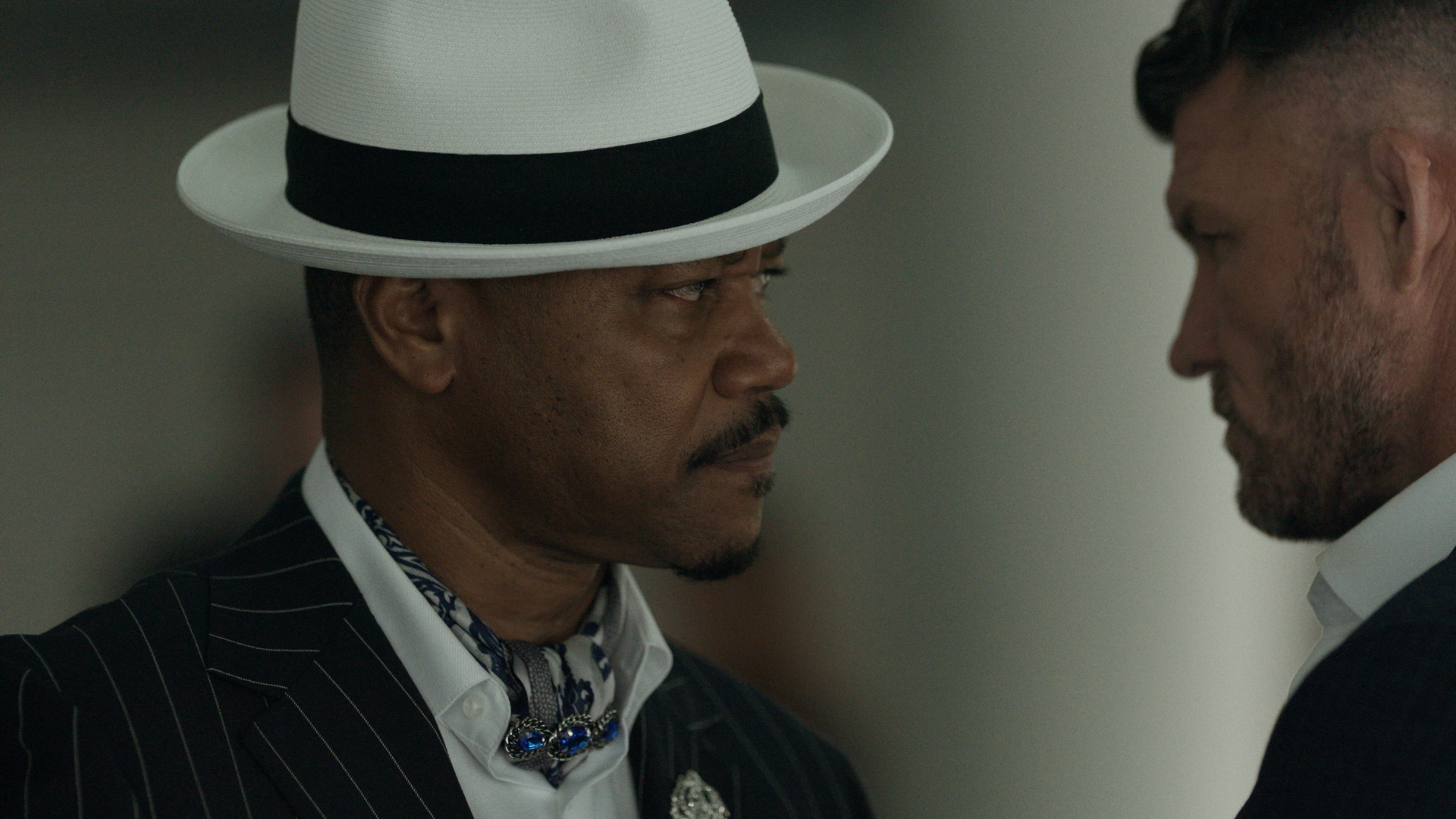
Cuba Gooding Jr. is clearly having fun as Clay Emerson, and that energy gives the movie a real spark. He plays Clay with theatrical villainy, charisma, and just enough humor to keep the character entertaining without making him feel harmless.
He is hilarious in the role, but not in a way that undercuts the threat. Clay has bite in his dialogue, and Gooding gets plenty of one-liners that make his scenes pop. He knows exactly how to play a crime boss who enjoys power, control, and intimidation. There is a natural villain energy to the performance that gives the film some of its most entertaining moments.
In a movie like this, the villain has to bring flavor. Gooding does that. Every time Clay enters the story, the movie gains personality.
The Action Hits Where It Needs To
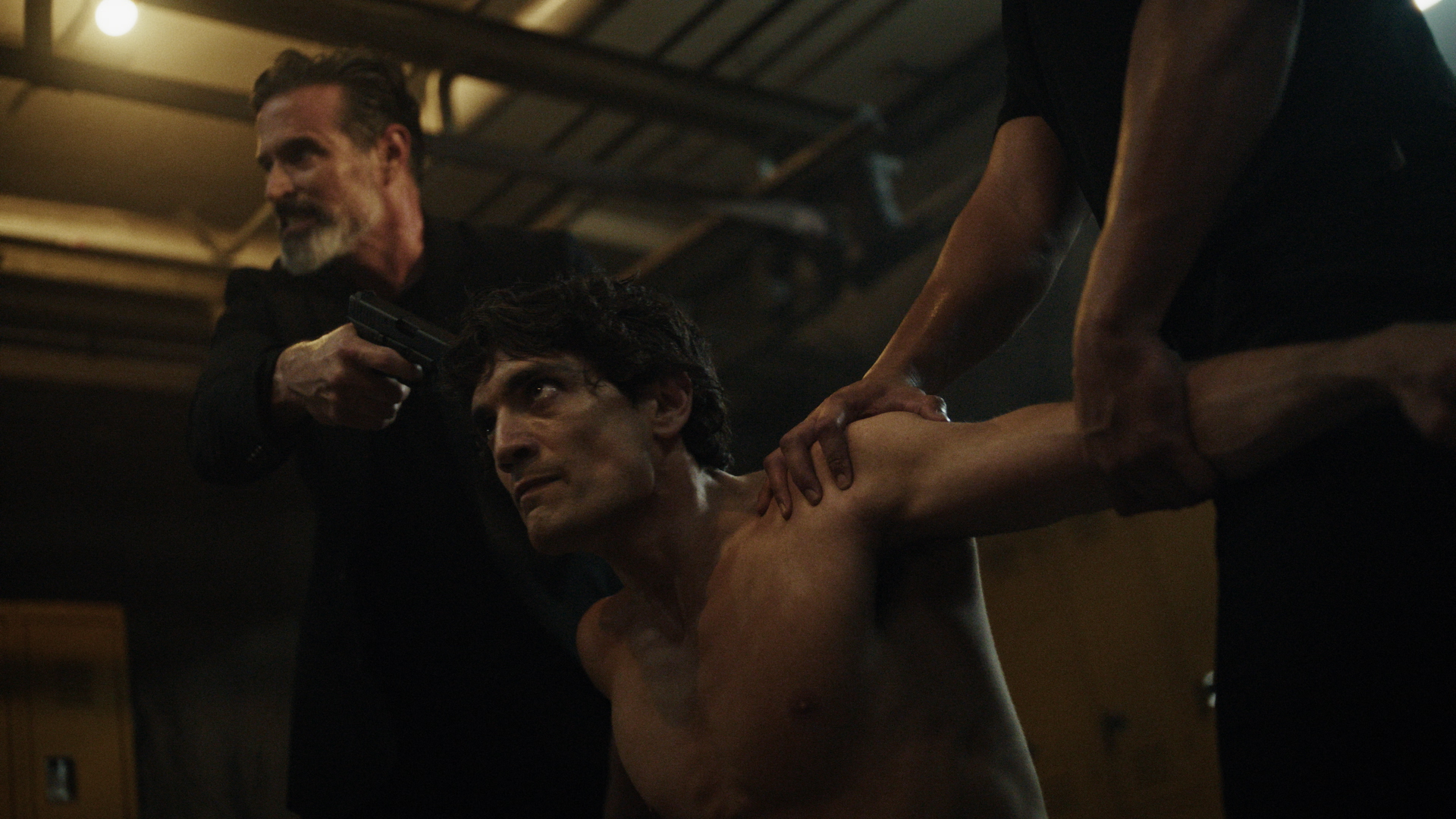
The fight choreography, stunt work, and action setups are easily among the film’s strongest elements. Atlas King is at its best when it drops the audience directly into the physical confrontations. The ring sequences feel tight, aggressive, and clear. The camera keeps you in the mix without losing the geography of the fight.
Alfonso Aguilar’s cinematography helps the action land. The film uses tight framing, gritty lighting, and close physical coverage to make the underground fight world feel dangerous and immediate. You feel the impact of the hits, the pressure of the room, and the tension of characters forced to survive with very little space to breathe.
The third act is also super solid. Once the film starts moving toward its final stretch, the pieces come together in a satisfying way. The heist and showdown elements give the movie a stronger finish, and the action keeps building with enough momentum to reward the setup.
A Familiar Story With Enough Style
The main limitation of Atlas King is that the story is familiar. There are crime-thriller beats here that action fans will recognize quickly: the former fighter pulled back in, the young hothead who needs saving, the ruthless boss trying to control the system, the mentor legacy, and the final confrontation that settles everything.
That familiarity does not ruin the movie, but it does keep it from feeling truly fresh. The middle stretch slows a bit when the plot leans into syndicate discussions and setup for the larger criminal operation. Those scenes are necessary, but the movie is more alive when it is focused on character tension, fight prep, and physical danger.
Still, the script has enough tough-guy banter, sarcasm, and grit to keep things moving. The dialogue around the fight world feels more natural than some of the heavier crime exposition, and the character dynamics help smooth out the predictable turns.
The Supporting Cast Adds Weight
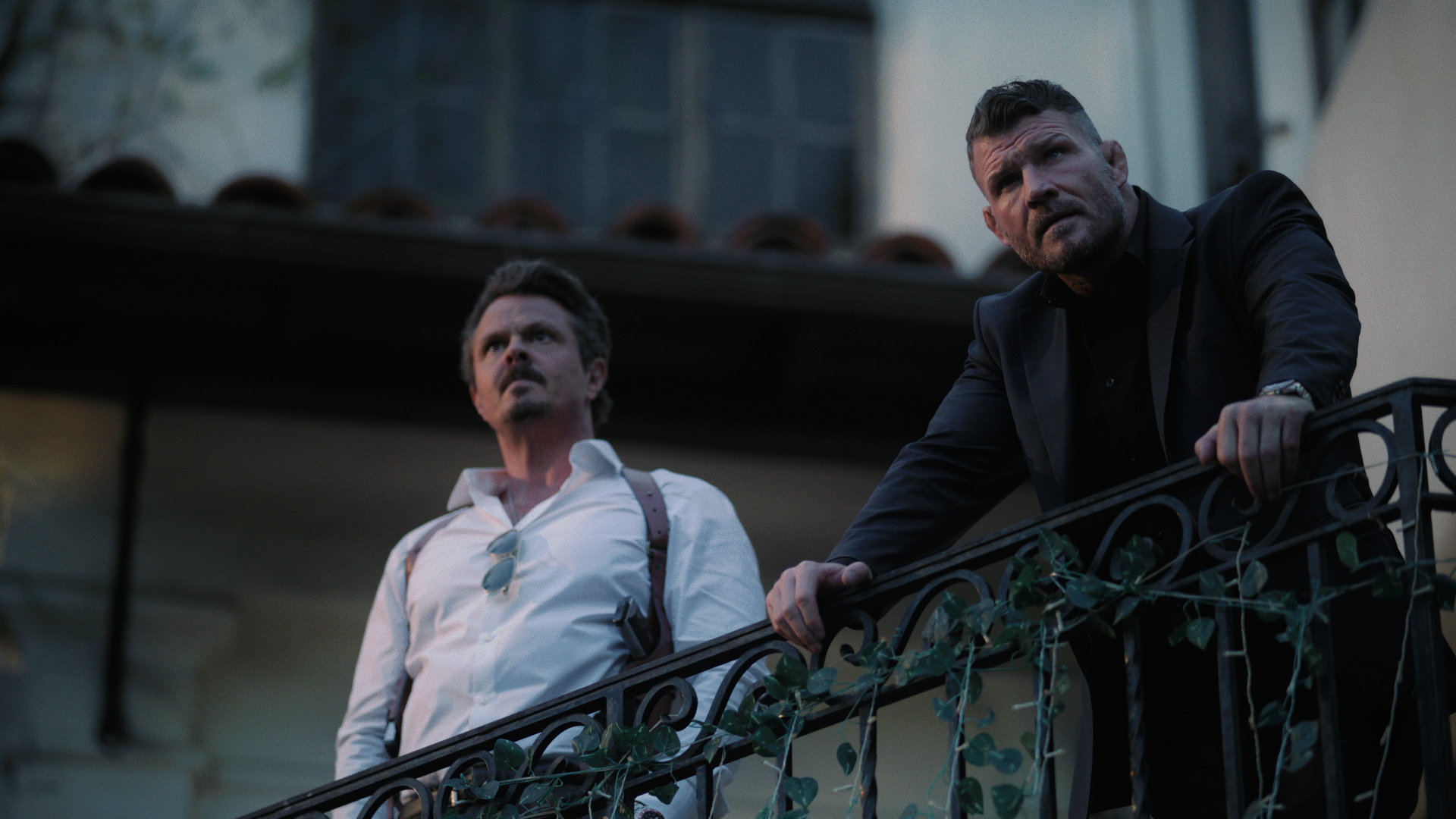
Anne Winters and Sarah Wayne Callies both bring strong supporting work to the film. Callies helps ground the dramatic side of the story, giving the movie more emotional texture outside the fights and criminal power plays. Winters adds another strong presence to the ensemble, helping make the world feel more lived in.
The supporting cast matters because Atlas King could have easily become too focused on punches and posturing. Instead, the film gives just enough space to the people around Atlas and Tommy to make the stakes feel more personal. It is still a fight-driven action thriller first, but those character pieces help the movie avoid feeling completely mechanical.
A Solid Action Vehicle Worth Watching
Atlas King is a solid, enjoyable action thriller that gives Michael Bisping a convincing lead vehicle and surrounds him with a cast that understands the assignment. The fight scenes hit, George Finn impresses, Cuba Gooding Jr. brings a fun villainous spark, and the third act brings the movie home with enough force.
It is not perfect. The story follows familiar crime-thriller patterns, and the middle section slows when it steps away from the fight energy. But the film delivers where it matters most. It has grit, personality, solid action, and enough humanity to make the world feel bigger than the fights themselves.
For MMA fans, action fans, and anyone looking for a lean, tough, fight-centered thriller, Atlas King is worth checking out. It knows its lane, throws hard punches, and leaves you curious to see what Bisping and this team do next.

Editor-in-Chief | Owner
I’m a dedicated aficionado of all things movies, pop culture, and entertainment. With a passion for storytelling and a love for the silver screen, I’m constantly immersed in the world of cinema, exploring new releases, classics, and hidden gems alike. As a fervent advocate for the power of film to inspire, entertain, and provoke thought, I enjoy sharing my insights, reviews, and recommendations with fellow enthusiasts.