



Every once in a while, a movie comes along that completely catches you off guard. You walk in expecting something good, maybe even something special, but leave wondering if you just watched one of the best films of the year. That was my experience with Clayface. James Watkins has delivered a disturbing, emotional, visually stunning horror thriller that feels unlike anything DC Studios has attempted before. It is brutal, unsettling, tragic, and, above everything else, an extraordinary character study.
DC Studios has spent years bringing audiences iconic heroes, villains, and larger than life conflicts, but Clayface proves that some of the most compelling stories in this universe do not need a superhero anywhere near them. This is a standalone horror film that happens to exist within the madness of Gotham City, and it thrives because of that creative freedom.
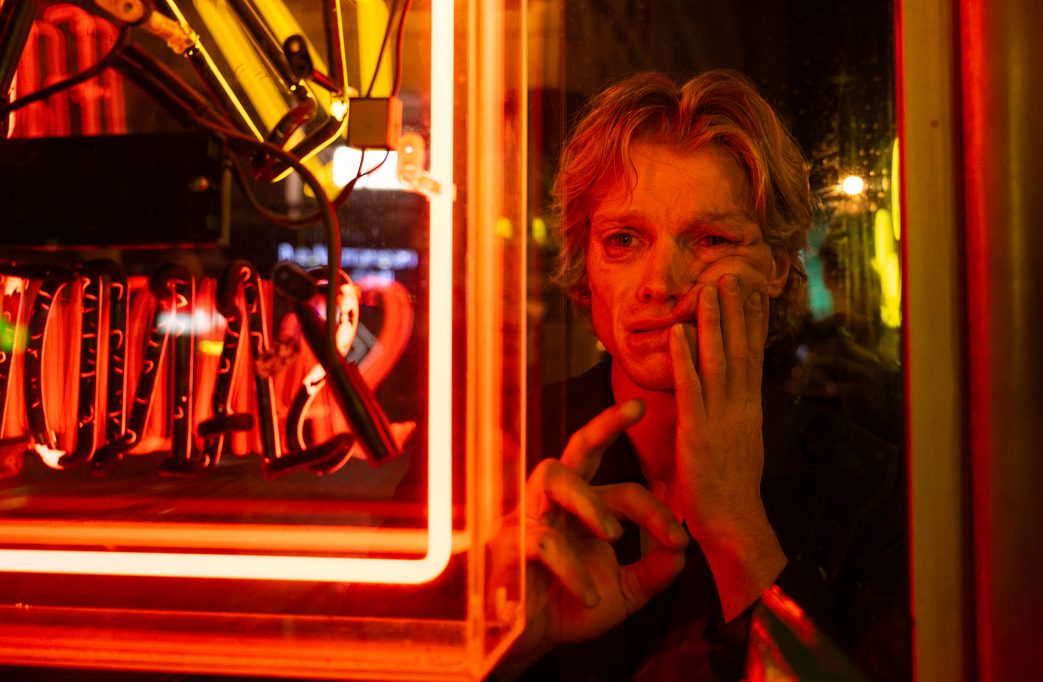
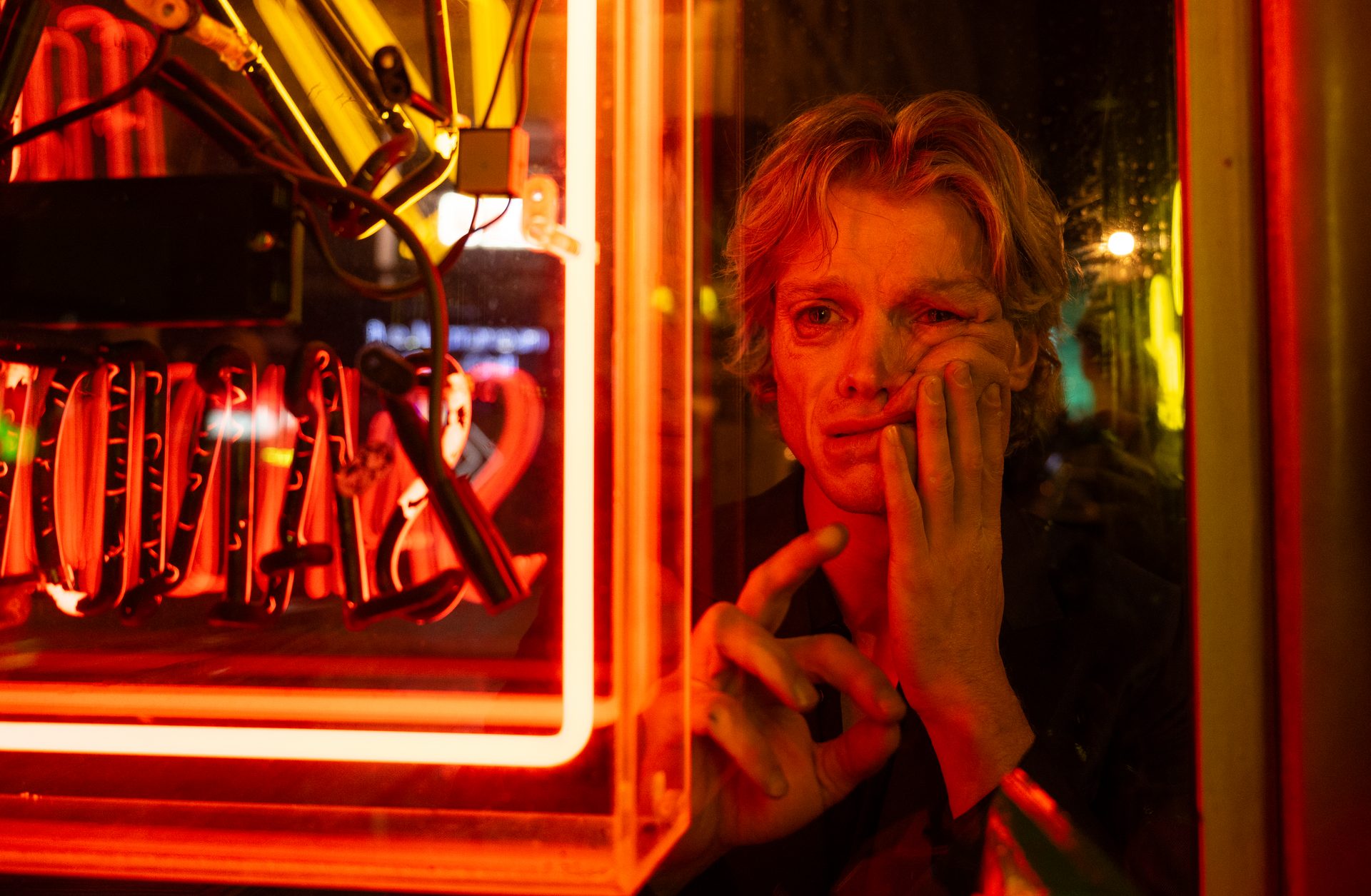
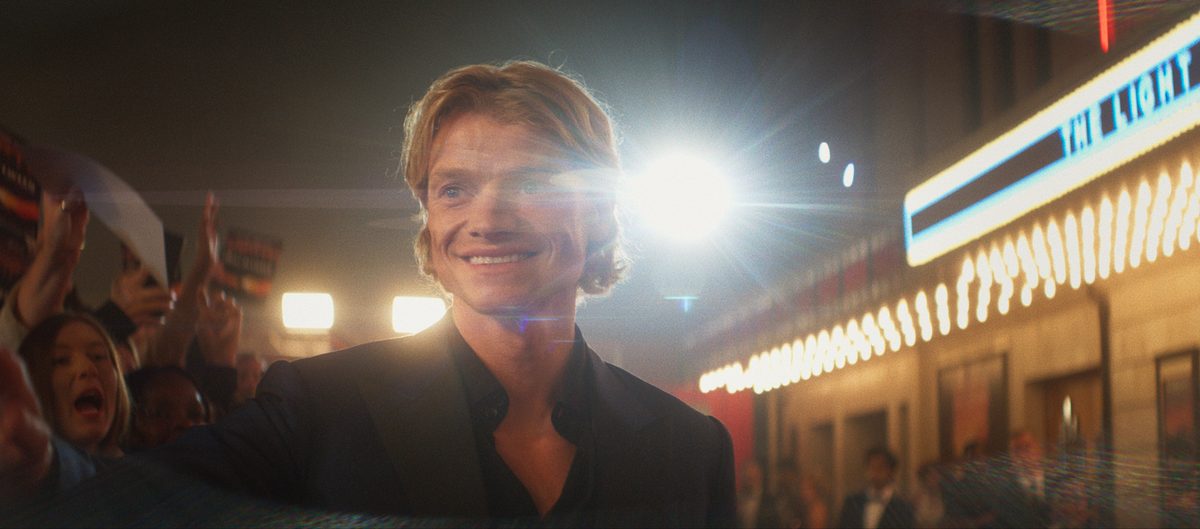
Starring Tom Rhys Harries as Matt Hagen, the film follows a rising actor whose promising career is destroyed after a violent encounter with a local crime boss leaves him horribly disfigured. Desperate to reclaim his appearance and the life he lost, Matt undergoes an experimental treatment that restores his face but begins unraveling his physical and psychological stability. What follows is a devastating descent into obsession, identity loss, and revenge.
I expected the horror and was excited about the concept, but I did not expect Clayface to be this emotionally captivating. Everything came together, from the performances and character development to the filmmaking and grotesque practical effects. This could very well be my favorite movie of the year.
Tom Rhys Harries Delivers a Breakout Performance
There is no question that Clayface belongs to Tom Rhys Harries. His performance is the foundation of everything that makes this film work, and it deserves to be remembered as a potential breakout moment in his career.
Matt Hagen is not simply a villain waiting to become a monster. He is an ambitious man whose identity has become inseparable from his appearance, talent, and the promise of stardom. When that identity is taken away, Harries makes you feel the devastation long before the physical transformations become the center of the story.
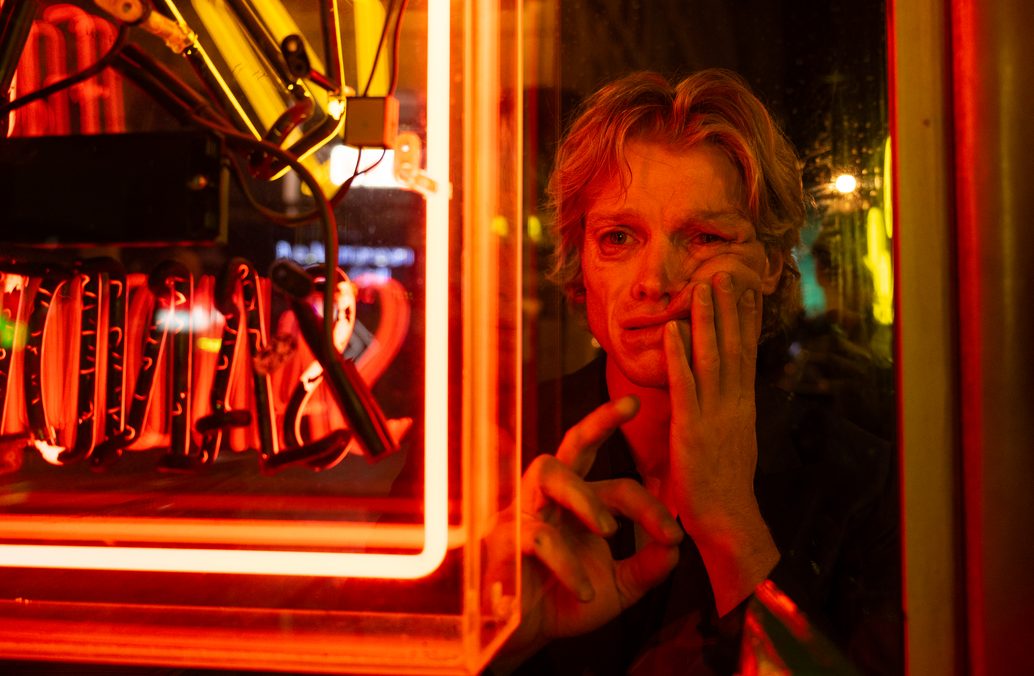
His performance moves through desperation, humiliation, rage, vulnerability, and psychological collapse without losing sight of the humanity underneath. Even as Matt becomes increasingly unpredictable, there is something heartbreaking about watching him struggle to hold onto the person he once was.
That emotional commitment makes the horror significantly more effective. The transformations are frightening, but the real tragedy is seeing someone become consumed by the very thing he believes will save him.
Tom Rhys Harries delivers a breakout performance that transforms Clayface from a terrifying comic book villain into one of DC’s most emotionally devastating characters.
For a character defined by his ability to change faces, Harries makes sure we never forget the person beneath them.
Naomi Ackie Is the Perfect Counterbalance
As impressive as Harries is individually, his chemistry with Naomi Ackie is what truly elevates Clayface.
The two are fantastic together. Their scenes carry an incredible amount of emotional weight, allowing audiences to experience every stage of the relationship’s emotional roller coaster. There is genuine vulnerability between them, but also tension, uncertainty, and the growing pain of watching someone spiral beyond recognition.
Ackie provides the perfect complement to Harries’ chaos. Where his performance becomes increasingly volatile, she brings a grounded emotional presence that keeps the film connected to something recognizable and human. She does not simply react to his transformation. Her performance gives those changes greater meaning because we see their emotional consequences through her perspective.

That balance is essential. Without it, Clayface could have become an elaborate showcase for impressive makeup effects and grotesque imagery. Instead, their performances turn the film into something far more affecting.
The emotional connection between Harries and Ackie is what makes the horror linger. You are not just watching a monster emerge. You are watching the impact that transformation has on the people caught in its wake.
Tom Rhys Harries brings the chaos, but Naomi Ackie gives Clayface its emotional heartbeat. Together, they make every transformation feel as heartbreaking as it is horrifying.
Body Horror That Gets Under Your Skin
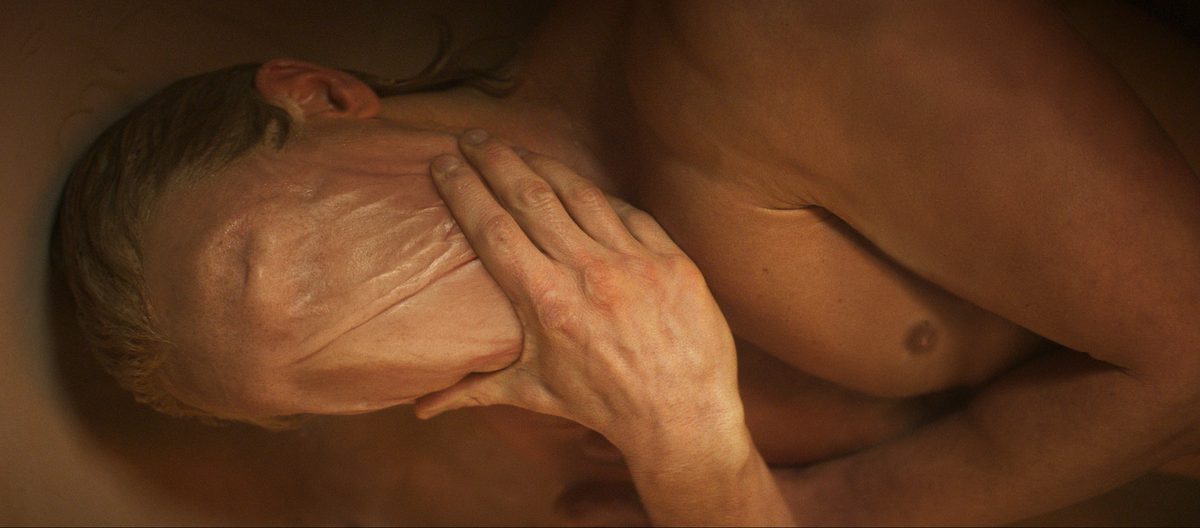
If the performances are the heart of Clayface, the body horror is its most unforgettable visual achievement.
James Watkins fully embraces the disturbing possibilities of Matt Hagen’s transformation. The film delivers a level of physical horror that feels painful, intimate, and deeply uncomfortable. The practical effects are extraordinary, creating transformations that appear frighteningly tangible rather than feeling like another computer generated spectacle.
And when I say the body horror goes there, I mean it REALLY goes there. This is not the kind of horror where you simply admire a creepy design and move on. There are moments that will have audiences cringing, groaning, squirming in their seats, or making those involuntary sounds that only come when something on screen looks almost too painful to watch. If you are squeamish, consider this your warning. You may spend a good portion of this movie watching through your fingers, and I cannot promise what you see between them will make you feel any better.
What I especially appreciate is that all this grotesque creativity never comes at the expense of the character’s iconic appearance. There are fantastic shots and moments that feel pulled directly from the comics and animated adaptations, including one particularly striking look at Clayface that leaves absolutely no doubt about who you are seeing. Sometimes filmmakers become so determined to reinvent an established character that they forget what made the original design memorable. Watkins avoids that trap. The film delivers its own terrifying interpretation while still giving fans a version of Clayface they will immediately recognize.
Watching Matt struggle with his changing body produces genuine dread. The horror comes from more than grotesque imagery. It comes from the loss of control, the desperation to maintain a recognizable appearance, and the realization that the treatment designed to restore his life is gradually destroying it.
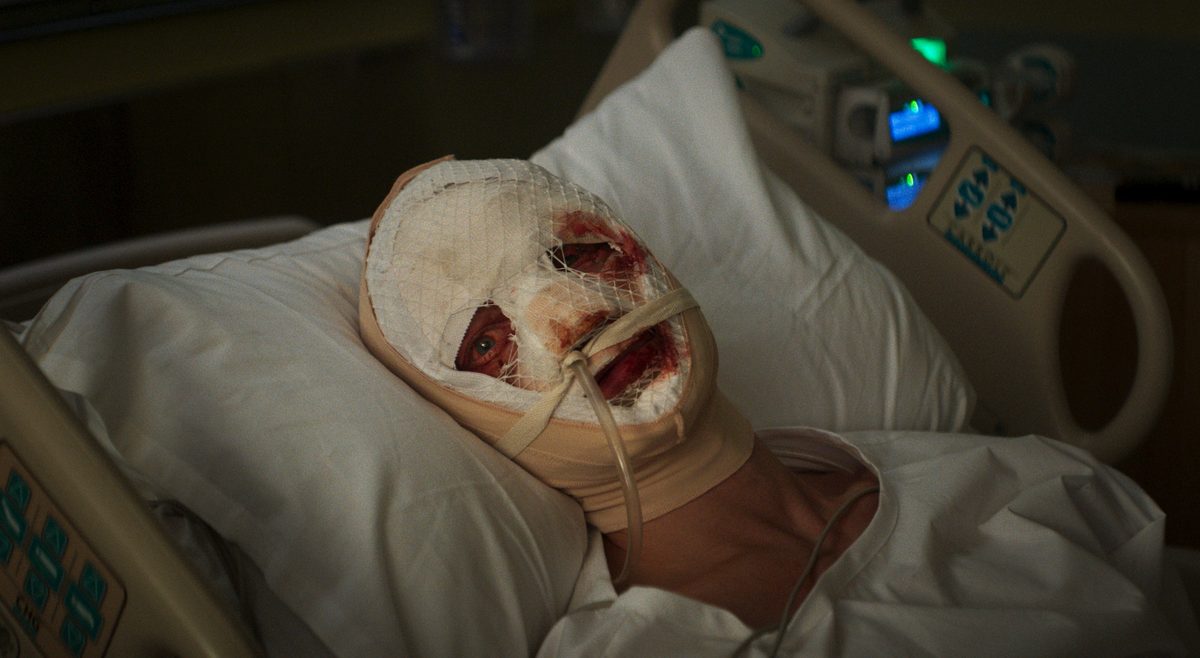
The film’s visual approach reinforces that discomfort. Cinematographer Rob Hardy gives Gotham an atmosphere that feels oppressive and unpredictable, while the closer, more intimate shots make Matt’s physical deterioration impossible to ignore. There is beauty in the filmmaking, but that beauty is frequently interrupted by imagery designed to make audiences squirm.
Production designer James Price also deserves recognition for creating spaces that support the film’s psychological descent. The environments reflect a world where glamour, ambition, desperation, and corruption exist side by side.
Volker Bertelmann’s score adds another disturbing dimension, building an atmosphere of unease that makes even quieter moments feel threatening. The music and sound design work together with the cinematography and effects to create a complete sensory experience.
It is the kind of horror filmmaking that understands spectacle means very little unless the audience feels something beneath it. Clayface delivers both.
Gotham Didn’t Need Batman to Tell a Great Story
One of the most impressive things about Clayface is how confidently it exists within Gotham City without relying on Batman.
Gotham has always been defined by corruption, crime, desperation, and extraordinary people driven toward dangerous extremes. Watkins understands that environment and uses it as the foundation for Matt Hagen’s story rather than simply treating it as recognizable comic book scenery.
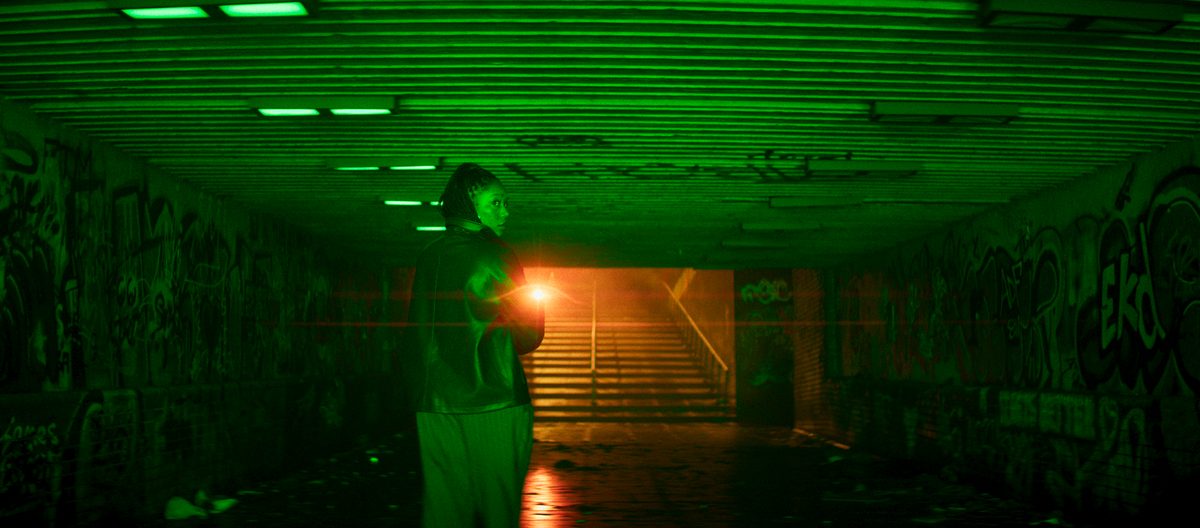
The city is chaotic enough to create its own monsters. Matt’s ambition, the violence that destroys his career, and the dangerous treatment that promises to restore his identity all feel connected to a world where exploitation and desperation are constantly feeding one another.
Mike Flanagan and Hossein Amini’s screenplay approaches the material as a tragic psychological horror story first. The comic book origins remain important, but the film never feels obligated to interrupt itself with superhero references or franchise setup.
That is exactly why it works.
Clayface doesn’t need Batman to make Gotham terrifying. Its greatest strength is recognizing that the city’s most disturbing monsters can emerge from deeply human tragedies.
Going into this film with an understanding that it is a standalone story about a DC Comics villain, rather than expecting a conventional superhero adventure, allows you to appreciate everything it accomplishes. The film has its own identity, its own emotional stakes, and its own reason to exist.
A New Face for DC Horror
What makes Clayface such a triumph is how completely its creative elements work together. James Watkins delivers atmospheric direction, the practical effects are extraordinary, and the cinematography creates a world that is both beautiful and deeply unsettling. The screenplay gives the grotesque spectacle genuine psychological weight, while the cast ensures that the tragedy never gets lost beneath the horror.
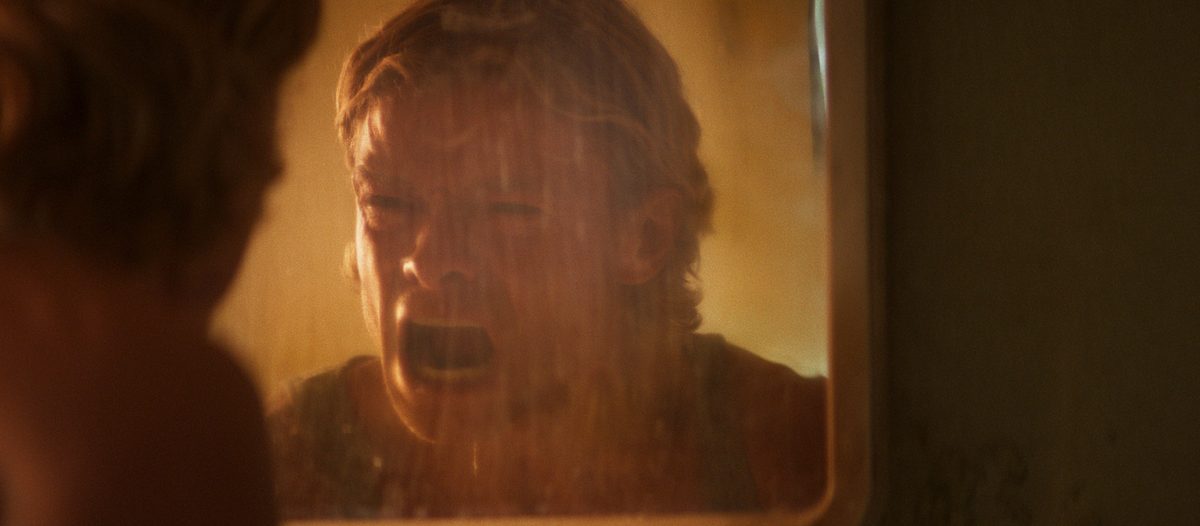
The supporting ensemble, including David Dencik, Max Minghella, and Eddie Marsan, adds texture to a Gotham world where ambition and exploitation can become equally destructive. Yet the film’s greatest achievement remains the emotional connection between Tom Rhys Harries and Naomi Ackie.
Harries could be looking at a career defining performance, and Ackie matches him with the kind of emotional conviction that makes their scenes unforgettable. Together, they provide the humanity that transforms this origin story into something far more powerful than a traditional comic book adaptation.
I went into Clayface expecting a solid horror film and walked away with one of my favorite movies of 2026. It is intense, disturbing, beautifully crafted, and surprisingly heartbreaking. More importantly, it proves that DC Studios can explore its villains through entirely different genres without sacrificing the qualities that make these characters compelling.
Clayface is not simply a great DC movie. It is an exceptional horror film that deserves to be celebrated on its own terms.
Clayface opens exclusively in theaters October 23, 2026.
DC Studios’ Clayface Tom Rhys Harries & Naomi Ackie on Body Horror, Villainy & Practical Effects

Editor-in-Chief | Owner
I’m a dedicated aficionado of all things movies, pop culture, and entertainment. With a passion for storytelling and a love for the silver screen, I’m constantly immersed in the world of cinema, exploring new releases, classics, and hidden gems alike. As a fervent advocate for the power of film to inspire, entertain, and provoke thought, I enjoy sharing my insights, reviews, and recommendations with fellow enthusiasts.