


Some films are judged by craft. Others are judged by whether they leave a mark. Fireflies at El Mozote falls into the latter category.
Written and directed by the late Ernesto Melara, the Salvadoran Civil War drama opens in theaters April 17 and revisits one of the most horrific atrocities in modern Latin American history: the 1981 massacre at El Mozote. Rather than tell the story through politicians or military strategy, Melara narrows the lens to a child survivor and the emotional wreckage left behind.
That choice gives the film its greatest strength. Fireflies at El Mozote is not always polished filmmaking, but it is purposeful filmmaking — the kind driven by remembrance, pain and the need to make sure history is not quietly forgotten.
A Personal Story Inside a National Tragedy
The film follows Mateo, a 10-year-old boy played by Mateo Honles, who survives the destruction of his village and the murder of his family during the Salvadoran Civil War. What follows is less a revenge story than a journey through trauma, grief and the search for justice in a world that has collapsed around him.
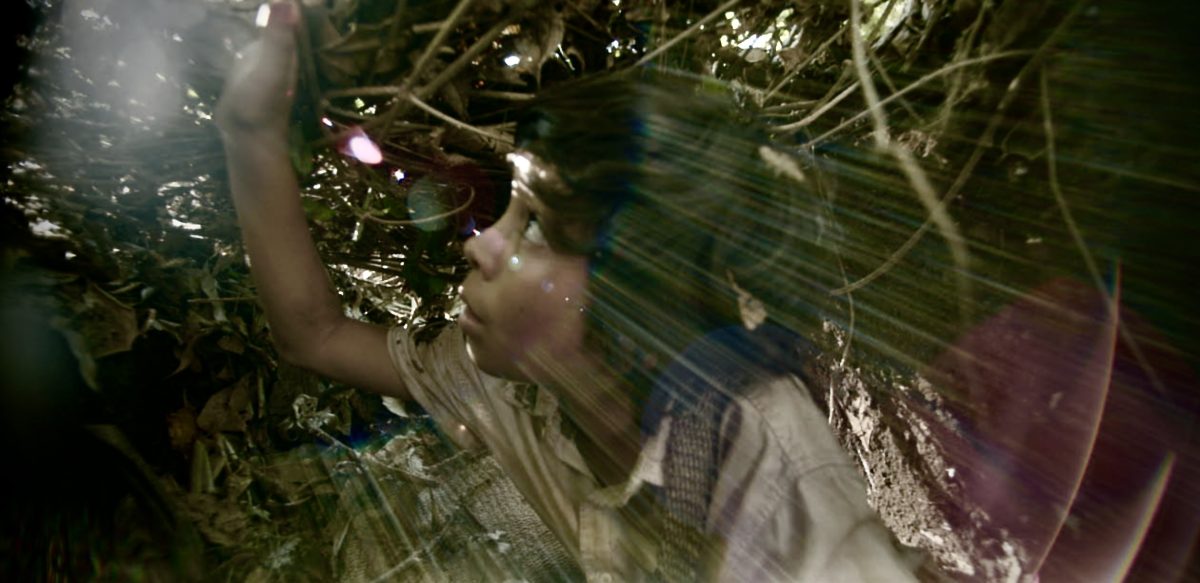
By filtering the tragedy through a child’s perspective, the film avoids becoming a dry historical reenactment. The violence feels immediate because it is personal. The fear feels real because it is experienced through someone too young to understand why any of it is happening.
For viewers unfamiliar with El Mozote, the film can be an eye-opener. For those who know the history, it becomes a cinematic act of memory.
More Than One Historical Moment
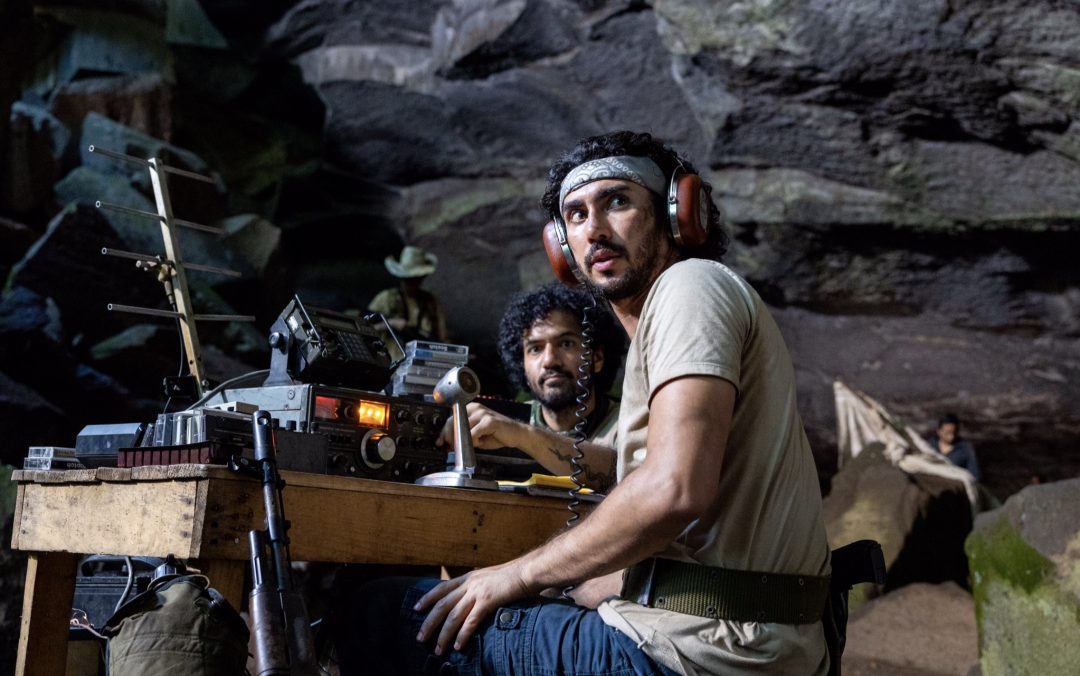
While the massacre is the emotional catalyst, the film reaches beyond that single atrocity to portray several defining chapters of the Salvadoran Civil War. It explores the guerrilla resistance movement, the use of underground radio networks inspired by the real Radio Venceremos, and the efforts to expose government death squads to the outside world through journalists and international witnesses.
That broader scope gives the film additional relevance. Rather than presenting tragedy as an isolated event, it shows how violence, propaganda, resistance and truth-telling all intersect during wartime.
The story also uses Mateo’s personal arc to connect these larger political moments, making history feel lived-in rather than academic.
Mateo Honles Carries the Emotional Core
Much of the film rests on Mateo Honles, and he handles the burden impressively. It is no small task for a young actor to anchor material this heavy, yet Honles gives the film sincerity whenever it risks drifting into melodrama.
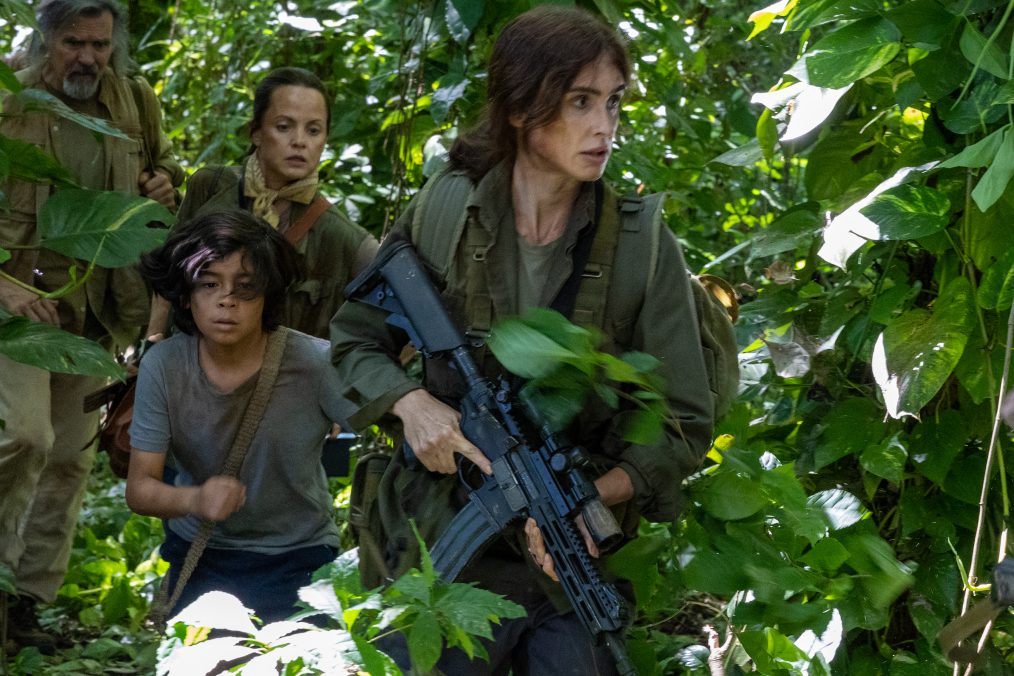
Some of the strongest moments come when the script allows him to say nothing at all. His silence, expressions and physical presence often communicate more effectively than dialogue could. There is a vulnerability to the performance that feels authentic, particularly as the character processes trauma in real time.
The film also appears mindful of protecting its young lead, often framing the harshest emotional beats through reaction rather than exploitation. That restraint works in the movie’s favor.
A Veteran Ensemble Gives the Story Weight
The supporting cast helps widen the emotional and political frame surrounding Mateo’s journey. Paz Vega brings warmth and steadiness as Alma, grounding several of the village scenes with humanity and compassion. Jeff Fahey adds veteran authority as Randall Walker, while Juan Pablo Shuk supplies controlled intensity as Aurelio during some of the film’s more volatile stretches.
Mena Suvari appears as Sarah, an American journalist whose presence gives the story an outside lens and allows the film to touch on truth-telling, accountability and the importance of documenting atrocities before they are rewritten or denied.
No one performance overwhelms the film, nor should it. This is an ensemble supporting a tragedy larger than any single character.
Rough Craft, Real Emotion
There is no denying the film’s rougher edges. Some scenes lack technical crispness, certain performances feel uneven, and the pacing occasionally struggles to maintain momentum. There are moments where reactions or line deliveries feel less organic than the material deserves.
Yet the story consistently supersedes those limitations. The emotional force of what happened at El Mozote is powerful enough that viewers often move past concerns about polish and focus instead on the humanity being depicted.
This is where the film earns respect. It may not always be elegant, but it is earnest.
Why It Matters Now
Historical dramas often succeed or fail based on whether they feel relevant beyond the events they portray. Fireflies at El Mozote does. It speaks to state violence, civilian suffering, generational trauma and the danger of forgetting uncomfortable truths.
It may also start conversations — with families, communities or younger viewers unaware of this history. That social value gives the film a weight many slicker productions never achieve.
The Big Picture
Fireflies at El Mozote is not flawless filmmaking, but it is meaningful filmmaking. Anchored by a committed young lead and supported by a seasoned ensemble, the film transforms a historical atrocity into something immediate, human and emotionally resonant.
Its craft may falter at times, but its purpose never does
Fireflies at El Mozote opens in theaters nationwide on April 17, 2026.

Editor-in-Chief | Owner
I’m a dedicated aficionado of all things movies, pop culture, and entertainment. With a passion for storytelling and a love for the silver screen, I’m constantly immersed in the world of cinema, exploring new releases, classics, and hidden gems alike. As a fervent advocate for the power of film to inspire, entertain, and provoke thought, I enjoy sharing my insights, reviews, and recommendations with fellow enthusiasts.