


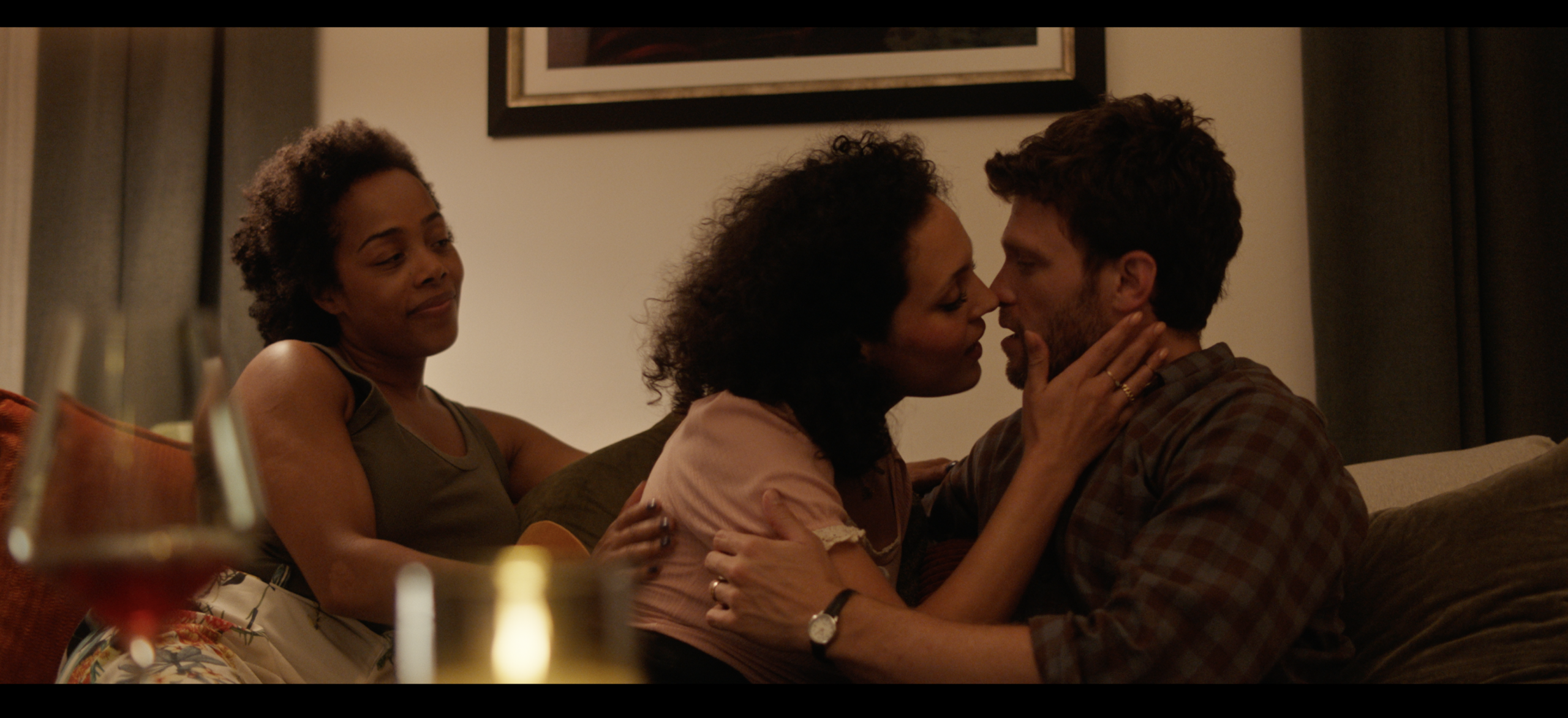
Floating Carousel is the kind of independent film that reminds you why the space matters. It is messy, specific, funny, strange, personal, and refreshingly hard to categorize. Co-written, co-directed, edited by, and starring Delilah Napier and Lucy Powers, the film takes the exhaustion of modern dating and turns it into something that starts as recognizable NYC relationship chaos before swerving into a surreal, revenge-fueled farce.
That genre shift is the point. Floating Carousel is not simply another app-dating comedy about terrible men, awkward dates, and overeducated twenty-somethings trying to figure out what intimacy even means anymore. It is that, but it is also something much stranger. The movie feels like Napier and Powers are building their own lane, taking a world of Hinge nightmares, transactional romance, sugar baby dynamics, professional cuddling, and emotional avoidance, then spinning it until the whole thing mutates into something new.
That freshness is what makes the film stand out. It has the essence of independent filmmaking at its best: personal inspiration, a distinct creative voice, a community built around the work, and the feeling that everyone involved showed up because they believed in the world being created.
A Dating Comedy Built From Real Chaos
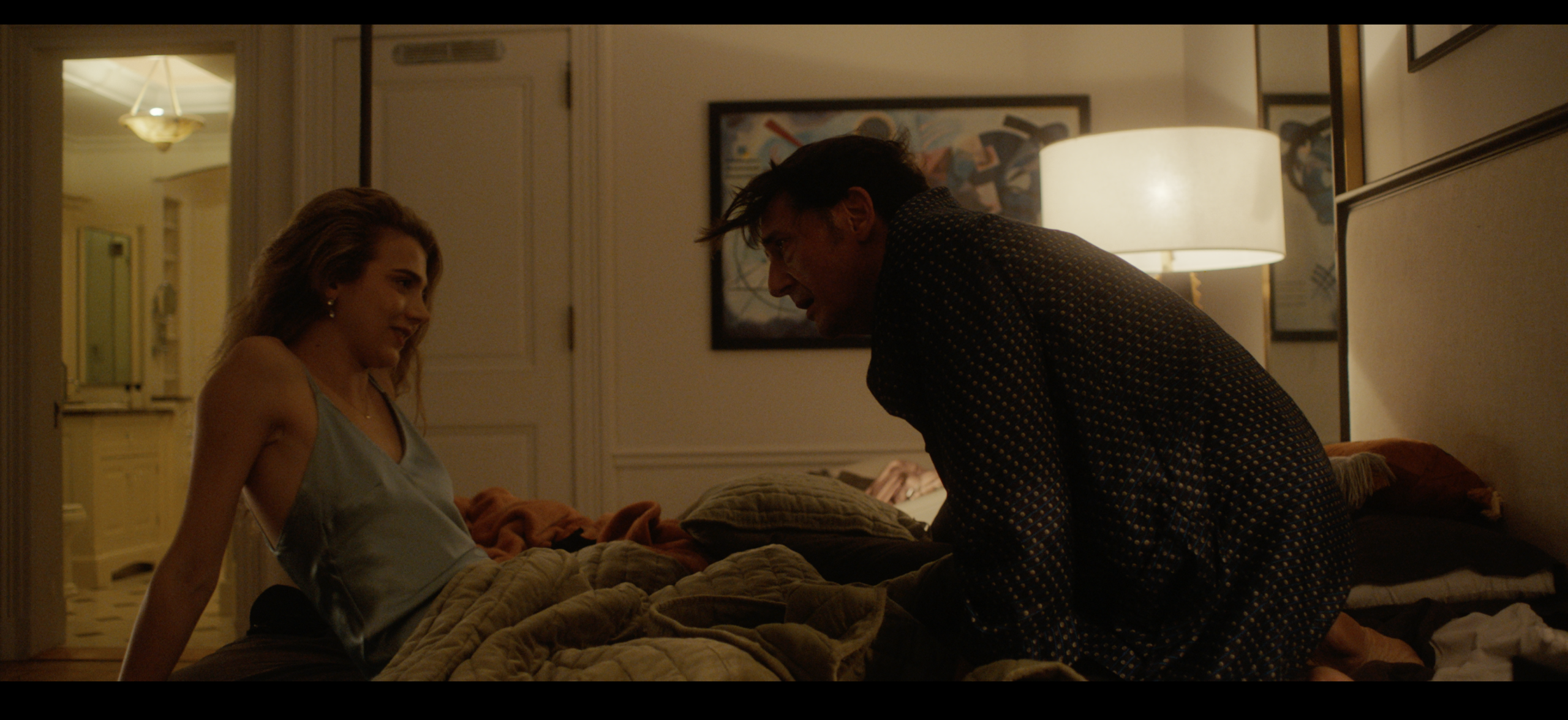
The central hook is painfully familiar. Olivia, played by Delilah Napier, and Ruby, played by Lucy Powers, are best friends navigating the exhausting carousel of modern dating in New York. They soon realize they have been played by the same manipulative serial dater, using the same script, the same moves, and the same emotional routine.
That piece of the story comes from a real experience. In the interview, Napier and Powers explained that the central date was something that happened to both of them almost “verbatim,” after they matched with the same guy on Hinge and realized he had followed the exact same script with each of them. Powers joked that the motivation was “revenge.”
That honesty gives the first half of Floating Carousel its bite. The movie understands the strange humiliation of modern dating, not in a broad sitcom way, but in the tiny repeated details: recycled lines, curated vulnerability, performative charm, and the feeling that everyone is trapped in a system where intimacy has become both endless and disposable.
The best satire in the movie comes from how recognizable those patterns are. The dates may be heightened, but the emotional exhaustion is real.
Delilah Napier and Lucy Powers Have a Voice
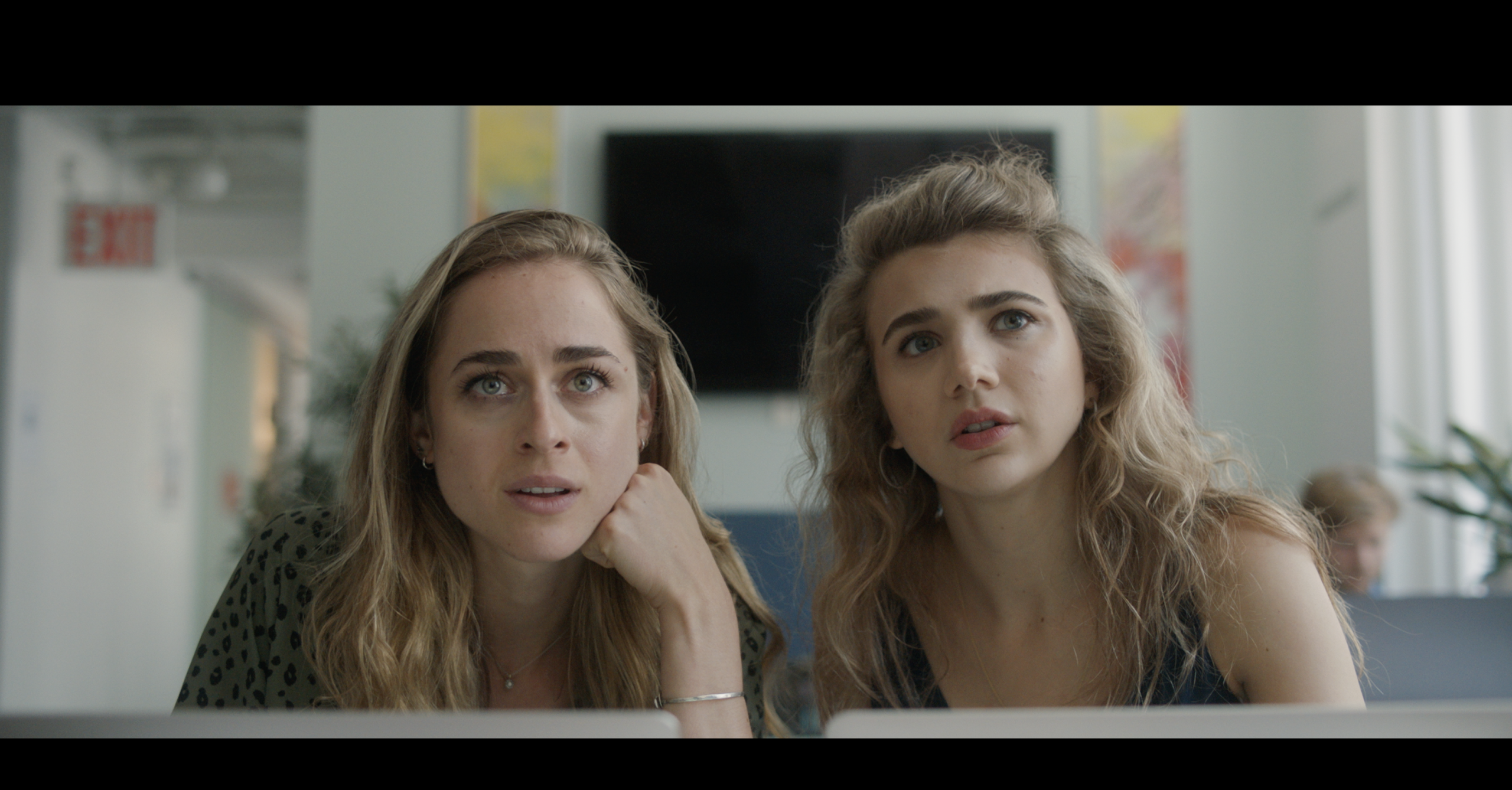
Napier and Powers have terrific chemistry, which makes sense because the film’s rhythm depends on their shared voice. Their scenes together feel lived-in, casual, and chaotic in the way close friendships often are. They do not play Olivia and Ruby as polished romantic-comedy avatars. They play them as people who are funny, impulsive, insecure, sharp, selfish, loyal, and still trying to figure out how much of their own damage they are willing to admit.
That is one of the film’s smartest choices. Floating Carousel is not interested in perfect victims and obvious villains. Its characters make bad choices, pursue bad ideas, misread situations, and react emotionally before they fully understand what they are doing. That makes the film feel alive.
Jon Rudnitsky described the film as something that feels like Napier and Powers have “created their own genre,” adding that there is “nothing quite like it.” That is exactly what makes Floating Carousel exciting. It resembles a lot of things, from NYC indie comedies to surreal revenge stories, but it never feels fully locked into one familiar box.
The Ensemble Makes the World Bigger
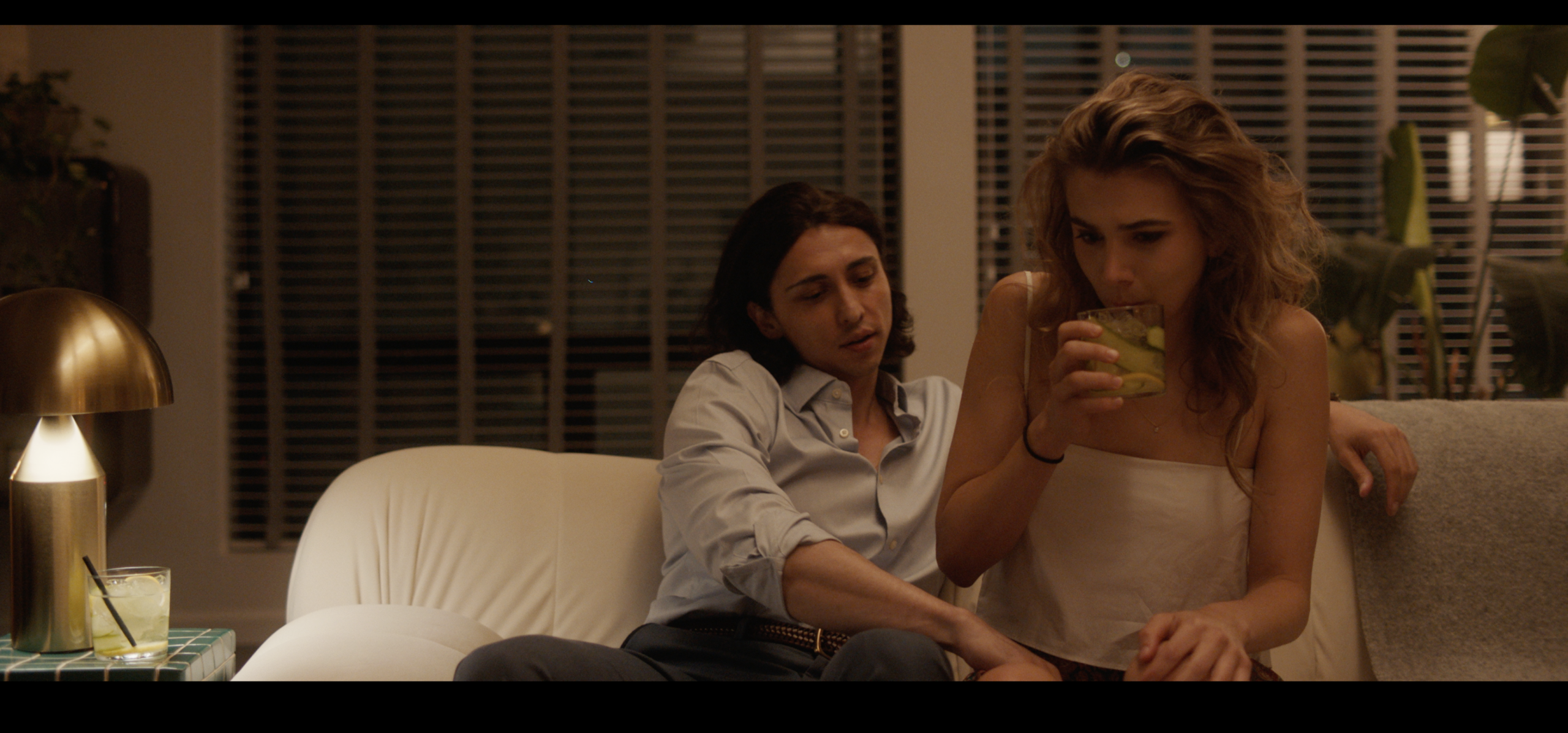
One of the most impressive things about Floating Carousel is how full the world feels. The film has a massive ensemble, but it does not feel like a parade of empty cameos. Even people who appear briefly feel specific, weird, and lived-in.
That comes from the filmmakers’ approach to casting and collaboration. Napier said she and Powers love finding interesting people for even small parts because every character should feel specific and have an internal life. She pointed to Dylan Baker adding his own line and being willing to play with them as part of that collaborative spirit. Across the board this cast is diverse and truly embodies what it means to have repersentation in a film.
That philosophy is visible on screen. The movie is packed with characters who could easily spin off into their own strange little stories. Michael Cyril Creighton brings warmth. Julian Cihi gives the serial dater figure a funny, infuriating charm. Elsie Hewitt is one of the film’s biggest surprises as Sasha, a professional cuddler whose storyline becomes one of the movie’s most genuine explorations of human connection.
The professional cuddling subplot is where Floating Carousel finds some of its most thoughtful material. It could have been treated as a cheap joke, but instead, it becomes a surprisingly warm look at loneliness, boundaries, and the way people try to purchase comfort when real intimacy feels too risky.
When the Carousel Spins Too Far
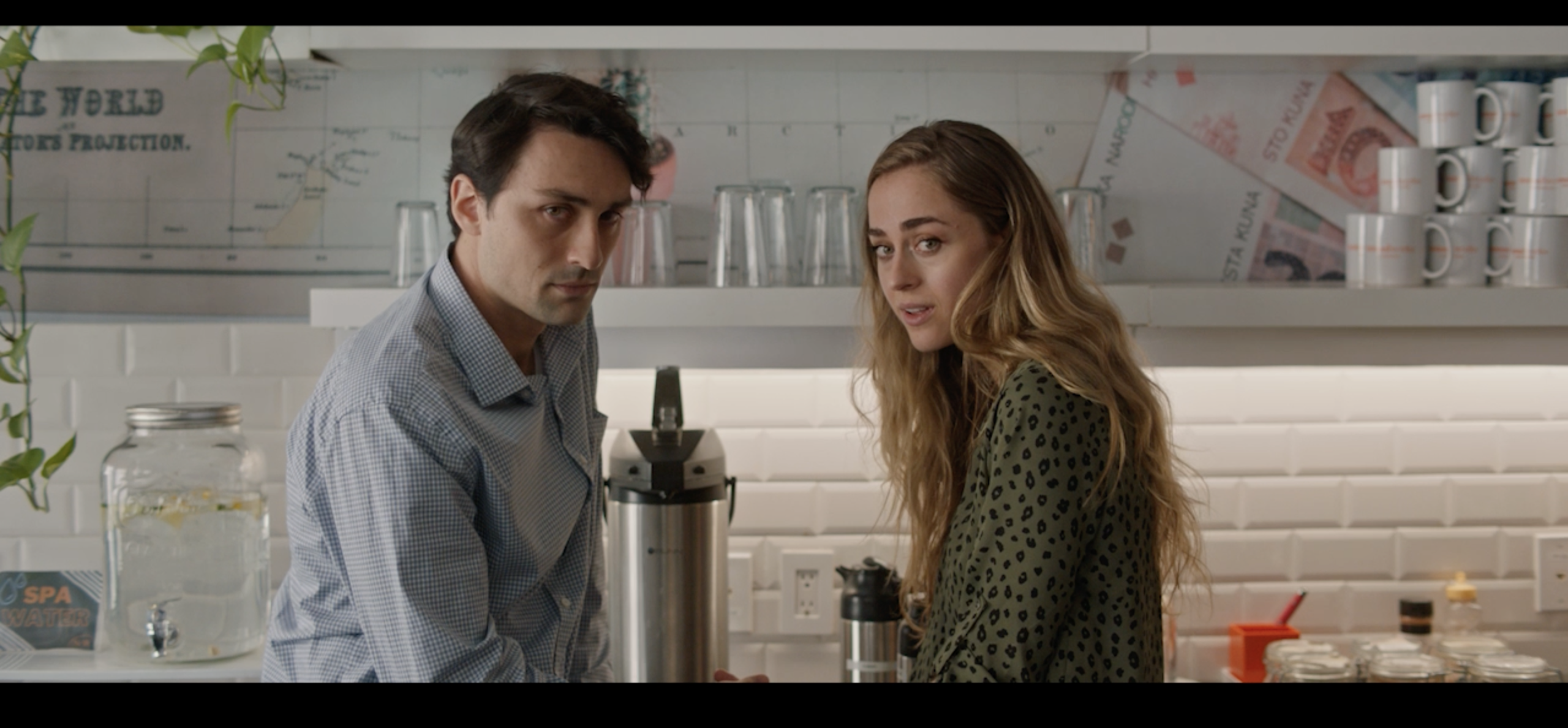
The film’s biggest creative risk is also its biggest challenge. The first half is so strong as a grounded, raunchy, observational dating satire that the later pivot into a more surreal infestation-revenge farce can feel jarring. The movie does not simply escalate, it mutates.
That wild swing will work for some viewers more than others. I respected it because the film is clearly not trying to be safe. Napier and Powers are not interested in making the most predictable version of this story. They push the material into stranger territory, and there is real value in watching a movie commit to its own bizarre instincts.
Still, that tonal shift does cost the film some emotional grounding. The earlier relationship material is so sharp that the more exaggerated genre turn can make the character accountability feel slightly delayed. I wanted Olivia and Ruby to have some of the harder, more uncomfortable conversations about their own patterns a little earlier, before the film’s chaos fully takes over.
But even when the film gets messier, it remains engaging because the voice is so clear. You can feel the filmmakers chasing something personal, not just trying to hit familiar indie-comedy beats.
A Theatrical Comedy That Needs a Crowd
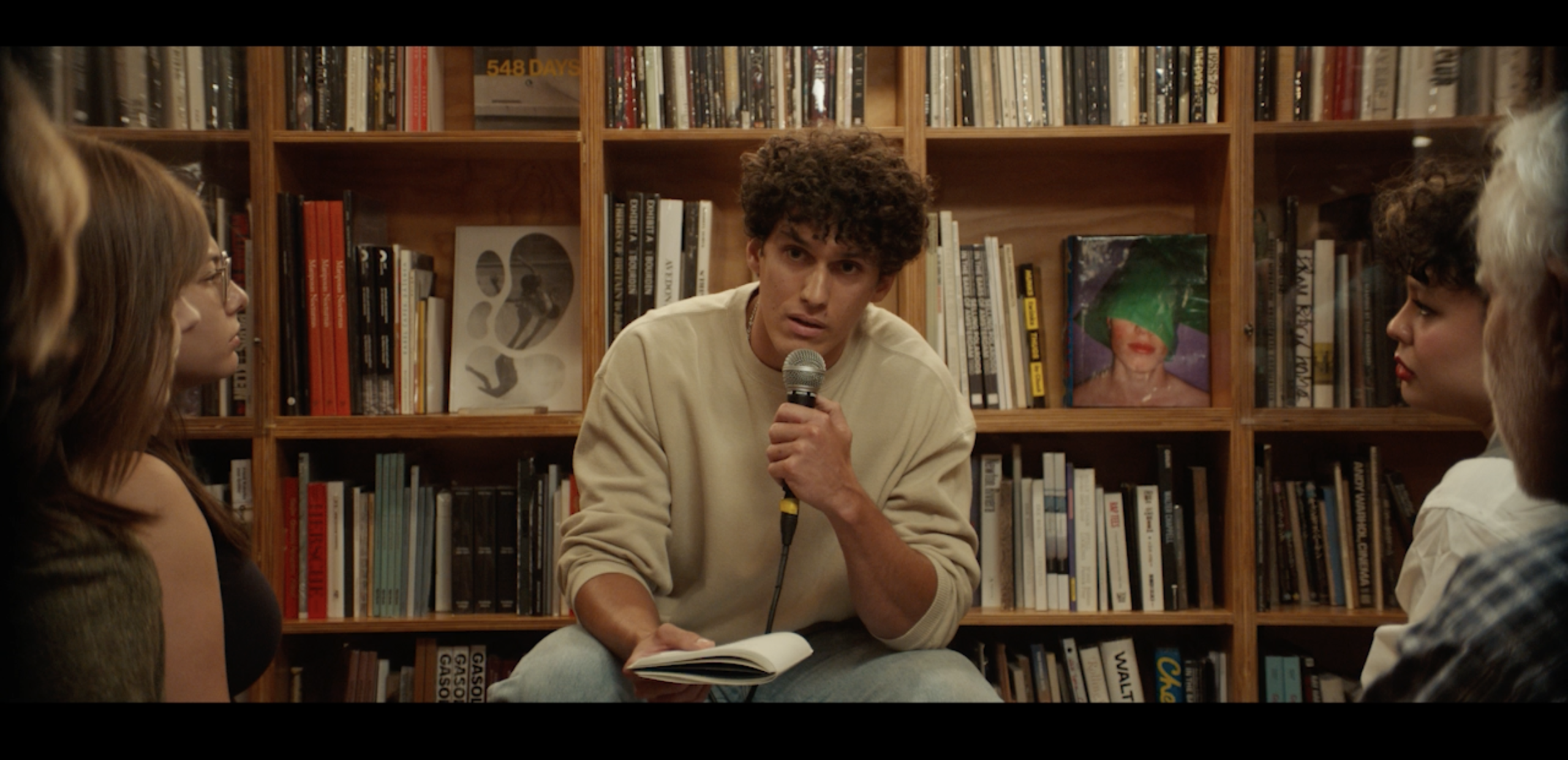
Floating Carousel feels built for an audience. Rudnitsky talked about seeing it with a festival crowd and described it as a communal theatrical experience, where people were not just laughing but physically reacting with the strangers around them. That makes sense. This is the kind of movie that benefits from a room full of people recognizing themselves, their friends, their dating lives, and maybe a few of their worst decisions.
Napier and Powers also see the movie as something that can play differently depending on who you bring. They said people in relationships may feel happy they are in relationships, single viewers may feel seen, and the film can become a kind of litmus test for what people take from it.
That is part of the fun. Floating Carousel is a date movie, a friend-group movie, and maybe even a dangerous movie to see with someone you are unsure about. It is funny enough to entertain, specific enough to sting, and strange enough to keep people talking after it ends.
A Fresh Voice Worth Following
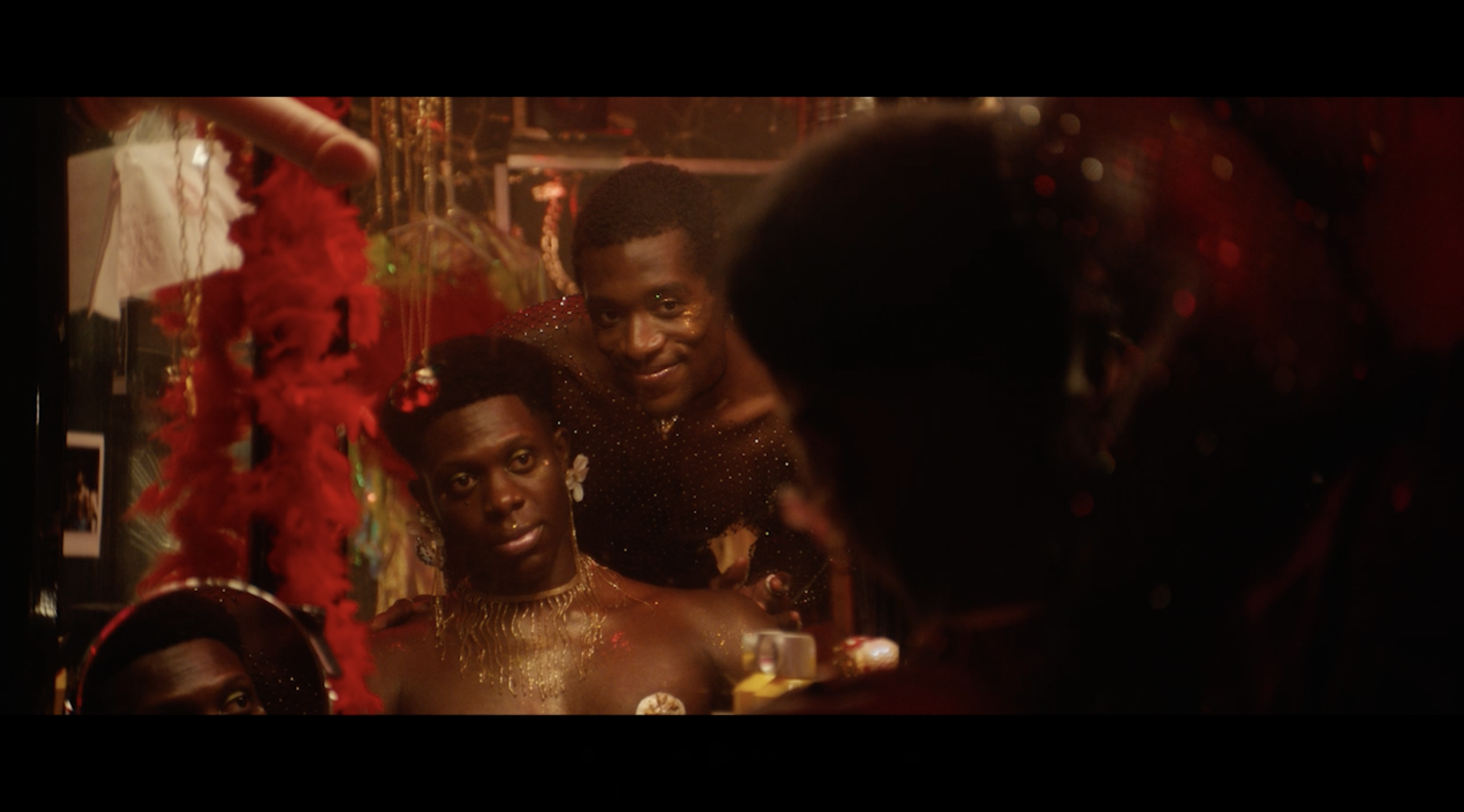
Floating Carousel is not perfect, but it is exciting in the way truly independent cinema should be. It has personality. It has a pulse. It has jokes that feel written from experience instead of algorithm. It has characters who make terrible choices but still feel human. Most importantly, it feels like a movie made by people with a real point of view.
Napier and Powers understand how to make a film that means something to them while still making room for others to find themselves in it. That is the heart of the movie. It is about dating, yes, but it is also about the stories we collect, the wreckage we survive, and the strange beauty that can remain after things fall apart. In the interview, they described the floating carousel image as a metaphor for relationships and experiences that may be wrecked but still beautiful.
That idea lingers. Floating Carousel is sharp, messy, inclusive, raunchy, and deeply personal. It may not always land cleanly, but it never feels ordinary. For audiences looking for a fresh NYC comedy with its own rhythm, its own genre, and its own community, this is absolutely worth the ride.
Delilah Napier, Lucy Powers & Jon Rudnitsky Interview

Editor-in-Chief | Owner
I’m a dedicated aficionado of all things movies, pop culture, and entertainment. With a passion for storytelling and a love for the silver screen, I’m constantly immersed in the world of cinema, exploring new releases, classics, and hidden gems alike. As a fervent advocate for the power of film to inspire, entertain, and provoke thought, I enjoy sharing my insights, reviews, and recommendations with fellow enthusiasts.