


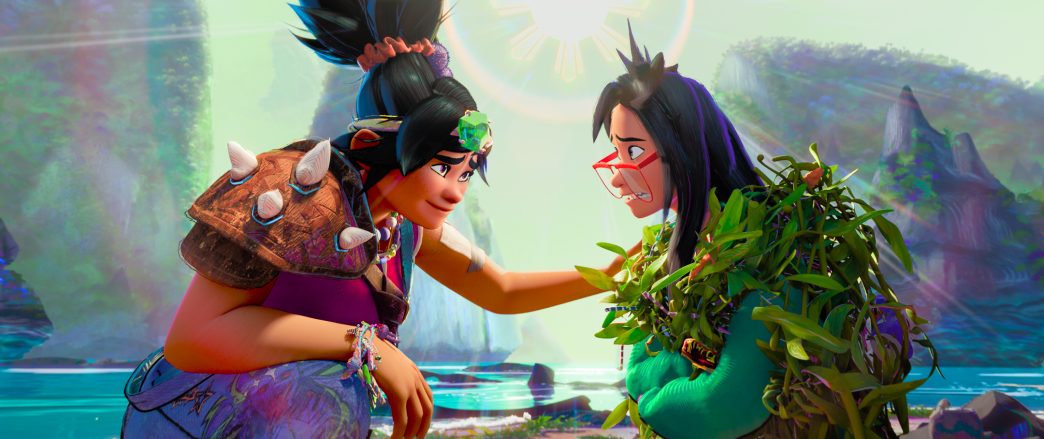

Forgotten Island is one of those movies I have been waiting for the world to see since CinemaCon. I saw the full film there, and it immediately stood out as one of the most exciting animated movies on the way. Now, having sat with it, the feeling has not changed. DreamWorks Animation delivers an absolute thrill ride packed with heart, humor, jaw-dropping animation, and a powerful story about friendship, memory, and the people who shape us.
Written and directed by Joel Crawford and Januel Mercado, the filmmaking team behind Puss in Boots: The Last Wish, Forgotten Island continues DreamWorks’ recent creative hot streak. The film has the bold visual energy, fast-paced action, and emotional sincerity audiences expect from that team, but this is not simply another stylish animated adventure. This is something culturally specific, deeply felt, and proudly its own.
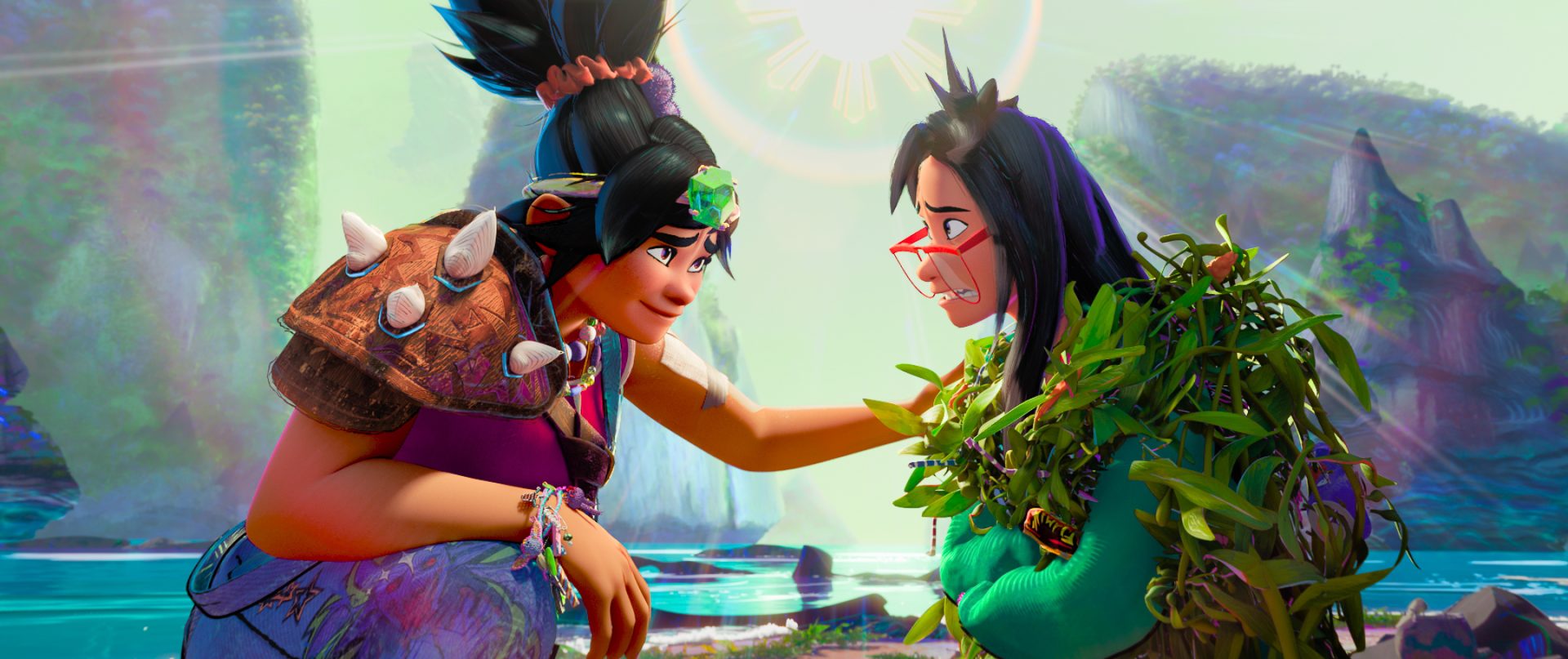
At its center, Forgotten Island is a story about two lifelong best friends, Jo, voiced by H.E.R., and Raissa, voiced by Liza Soberano, who are preparing to move into different chapters of life. Their last night together takes a wild turn when they stumble into Nakali, a forgotten island filled with magical creatures tied to Filipino mythology. To get home, they must face The Dreaded Manananggal, voiced by Lea Salonga, while confronting the heartbreaking possibility that escaping could cost them every memory of their friendship.
A Friendship Worth Fighting For
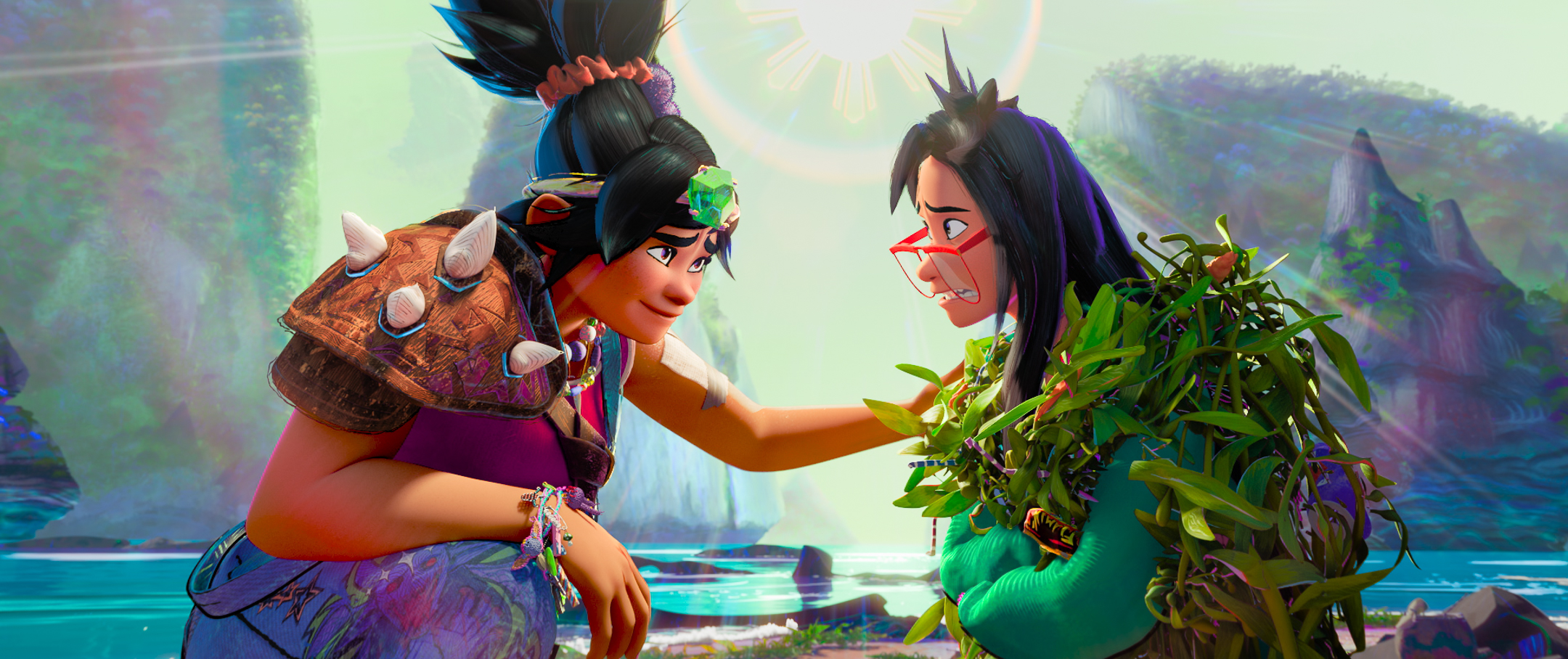
The emotional hook of Forgotten Island is simple but powerful: what happens when the most important friendship of your life becomes something you might lose, not just physically, but from memory entirely? That idea gives the film weight beyond its adventure setup. This is not only about getting home. It is about holding onto the moments, jokes, pain, family memories, and shared history that make a friendship real.
The film does a beautiful job showing how growing up can be exciting and heartbreaking at the same time. Jo and Raissa are not ending their friendship because they stopped caring about each other. They are facing the reality that life changes, people mature, paths split, and even the strongest bonds can be tested by distance and time. That is what makes the movie work for both kids and adults. Younger viewers will connect to the fantasy and comedy, while older audiences will feel the ache of friendships that changed because life moved forward.
H.E.R. and Liza Soberano bring real warmth to the characters. Their chemistry makes Jo and Raissa feel like people with years of history between them. The jokes land because the bond feels lived in. The emotional moments hit because you believe these two have shaped each other’s lives.
Filipino Culture Takes Center Stage
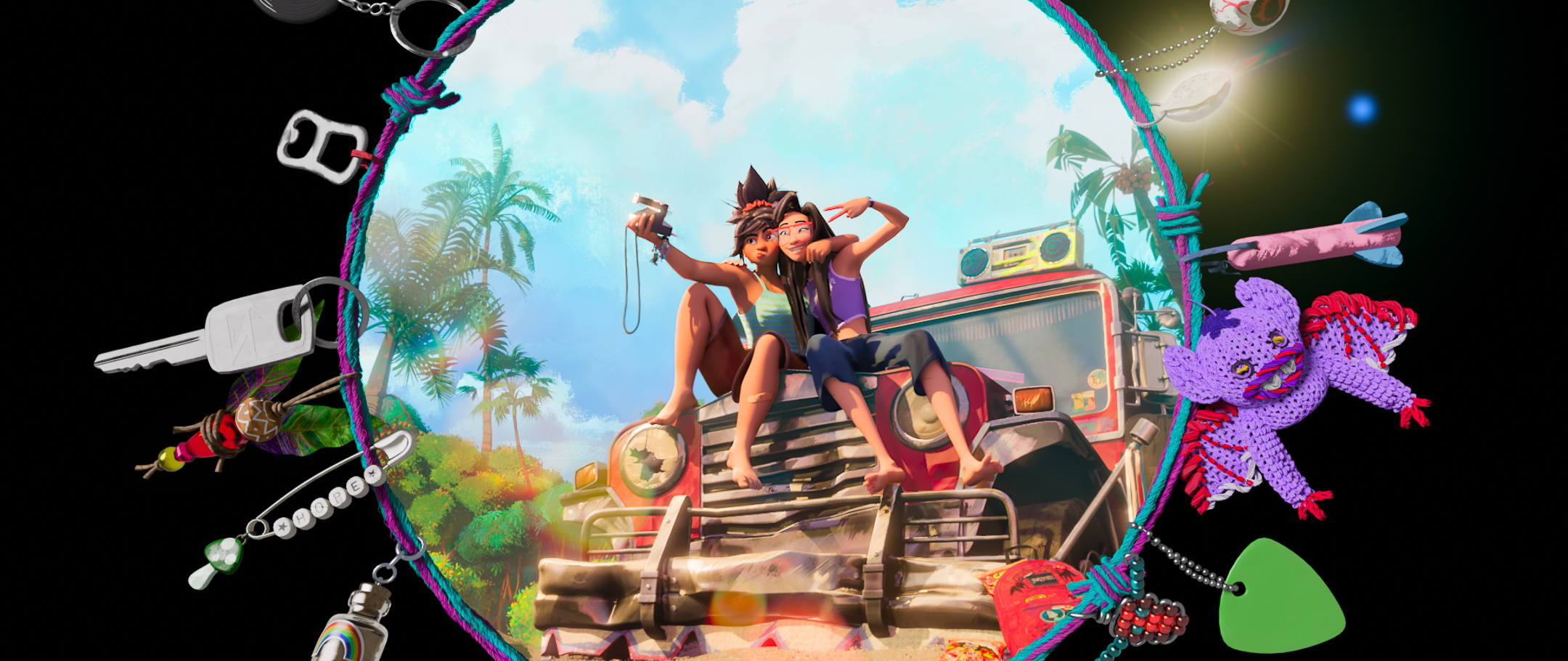
What makes Forgotten Island truly special is the way it displays culture, community, family, and identity. This is not representation sitting in the background. Filipino and Pinoy-American culture are built into the film’s emotional pulse, visual language, music, humor, and mythology.
Nakali is filled with creatures from Filipino folklore, but the movie never treats that mythology like surface-level decoration. The island feels like it was built from family stories, childhood warnings, community memory, and cultural imagination. The Manananggal becomes more than just a villain or monster. She represents the kind of mythic presence that makes the world feel specific, rooted, and different from anything DreamWorks has done before.
The smaller cultural details matter just as much as the big fantasy elements. The movie understands the importance of food, family gatherings, karaoke, music, humor, hand gestures, and the way stories get passed down. Those details give the film texture. They make the world feel lived in rather than borrowed.
That is why the Pinoy pride shines in such a fresh and unforgettable way. Forgotten Island is a landmark animated adventure because it centers Filipino culture with joy, care, and confidence while still telling a story anyone can understand.
The Music Carries Memory
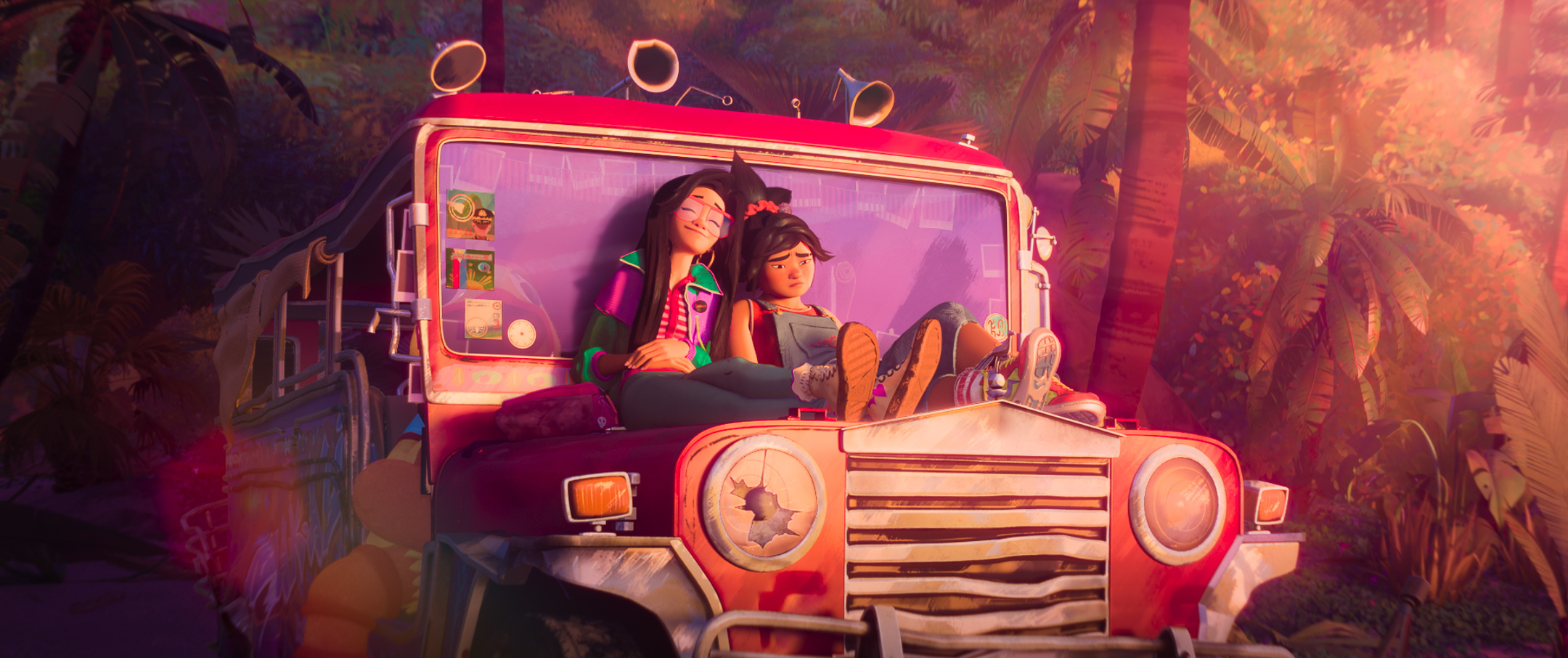
Music is one of the strongest parts of the movie. Forgotten Island uses sound as a bridge between generations, between home and fantasy, and between the people Jo and Raissa are and the memories they are fighting to keep.
BINI’s “A Parallel World,” produced by Nathan Matthew David and Shawn Wasabi, is one of the film’s emotional centerpieces. The song works because it does not feel like a random soundtrack moment. It feels connected to the whole purpose of the movie. It captures friendship, separation, identity, and the fear of losing something that helped define you.
Having spoken with Shawn Wasabi about his work on the film, it is clear how personal this music is. He described the movie as a love letter to the experiences, memories, family gatherings, and cultural details that shaped his childhood. That feeling comes through. The soundtrack blends modern P-Pop energy, Original Pilipino Music influence, and traditional cultural sounds into something that feels both fresh and deeply rooted.
The music does not just support the film. It becomes part of its emotional storytelling.
DreamWorks Animation Keeps Leveling Up
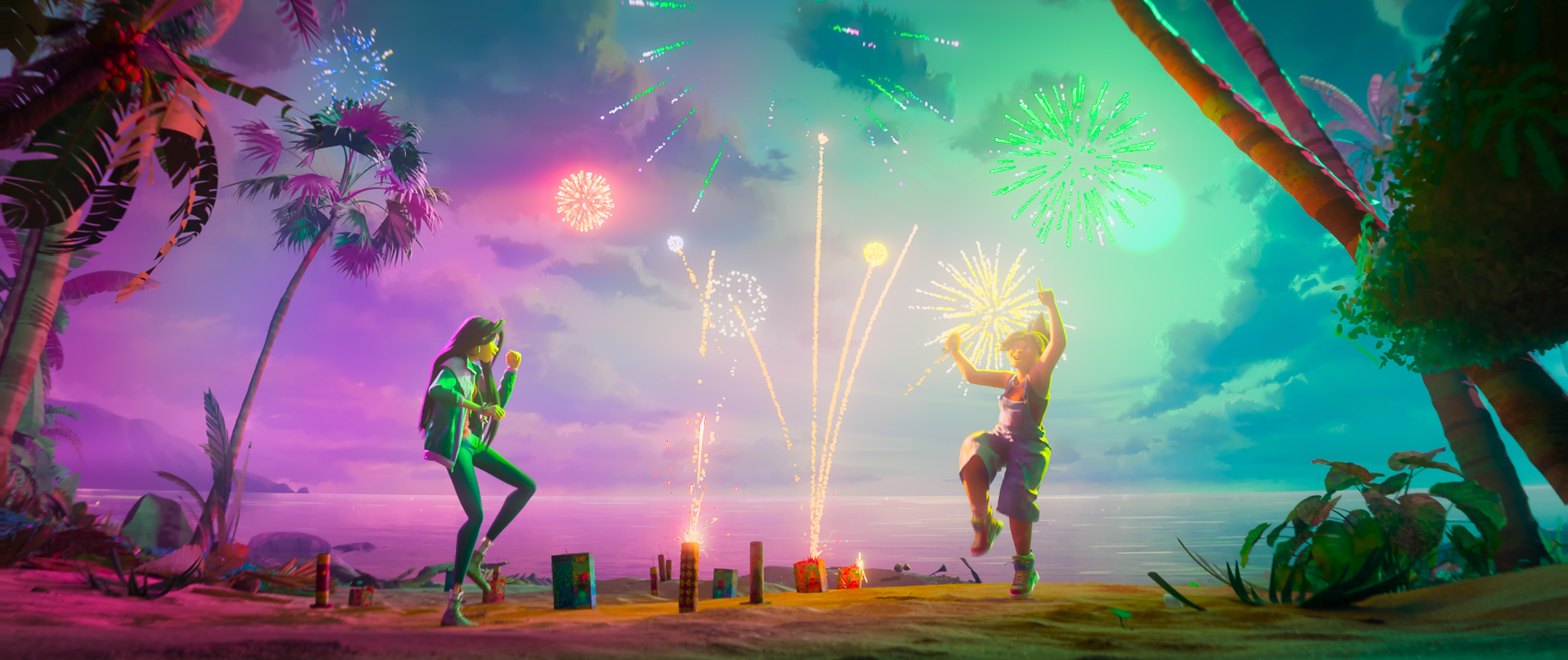
The animation is jaw-dropping. Forgotten Island has the painterly, kinetic, expressive quality that made Puss in Boots: The Last Wish feel like such a game-changer, but it uses that visual language in a way that fits this story. The real-world scenes have warmth and nostalgia, while Nakali explodes with color, texture, movement, danger, and imagination.
The action sequences are bold, fast, and full of personality. The film moves with confidence, never letting the adventure feel flat or overly familiar. Creature designs are memorable, the comedy is sharp, and the fantasy elements have enough visual surprise to keep the world exciting.
But what makes the animation really work is that it always circles back to emotion. The action is not just there to be loud. The colors are not just there to be pretty. Everything is connected to Jo and Raissa’s friendship, their fear of growing apart, and the memories that keep pulling them back to each other.
That is where the movie becomes more than just a fun animated ride. It is visually stunning, but it also knows why those visuals matter.
A Supporting Cast Full of Personality
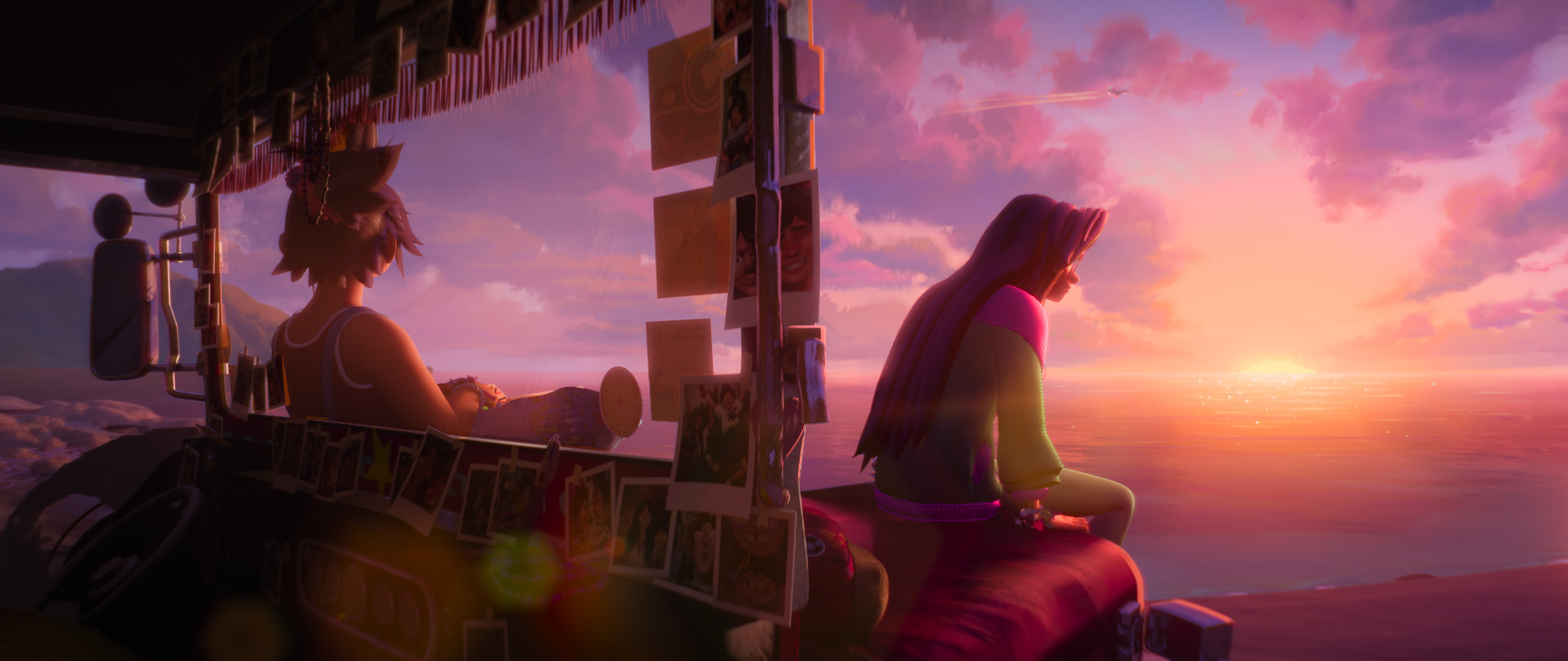
The supporting voice cast gives the movie even more life. Dave Franco’s Raww, the well-meaning but chaotic weredog, brings a lot of comedy to the adventure. Manny Jacinto, Jenny Slate, Dolly de Leon, Jo Koy, and Ronny Chieng all add color and rhythm to the world, helping the island feel packed with personality.
Lea Salonga’s presence as The Dreaded Manananggal is a major highlight. Her voice carries power, theatricality, and menace, giving the film a villain who feels worthy of the story’s mythological scale. Casting her in a DreamWorks film rooted in Filipino culture also adds a cross-generational weight that feels meaningful. The movie understands the power of placing legendary Filipino talent alongside modern global voices.
That mix of past, present, and future is one of the film’s greatest strengths. Forgotten Island is not just celebrating a culture. It is showing how that culture continues through music, family, storytelling, and younger generations finding themselves in what came before.
A Fresh, Emotional DreamWorks Winner
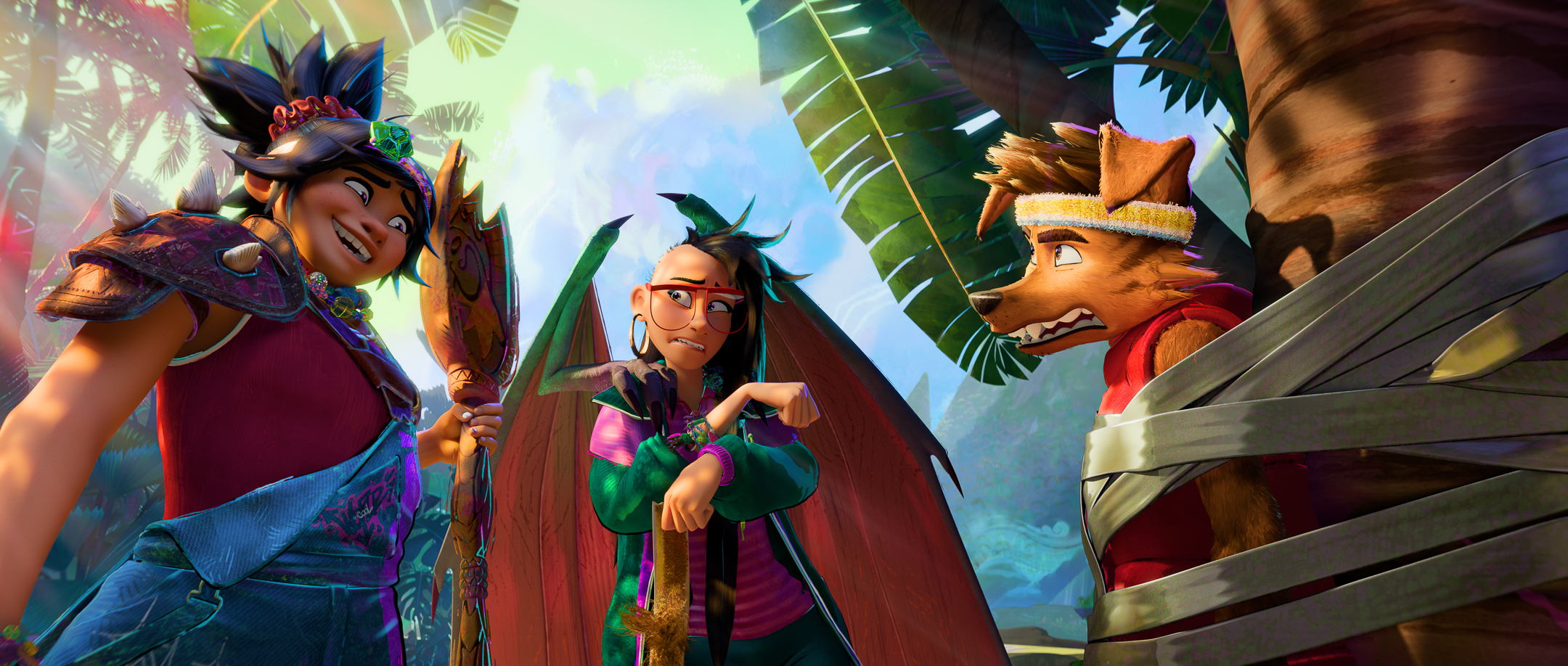
Forgotten Island is funny, moving, exciting, and visually incredible. It is also one of the strongest examples of what major studio animation can be when it fully commits to cultural specificity. The film never feels like it is trying to explain Filipino culture from the outside. It feels like it is inviting audiences into a world built from memory, love, folklore, and community.
The display of culture, family, growing up, maturing, and even growing apart is handled so well. That is the part that gives the movie its lasting power. The adventure is thrilling, the humor works, and the animation is beautiful, but the heart of the film is the idea that memories shape who we are. Losing them would mean losing pieces of ourselves.
DreamWorks has delivered another winner. Forgotten Island is an absolute thrill ride, but it is also a deeply emotional tribute to friendship, identity, and Pinoy pride. It is bold, heartfelt, and unforgettable in a way that deserves to connect with audiences everywhere.

Editor-in-Chief | Owner
I’m a dedicated aficionado of all things movies, pop culture, and entertainment. With a passion for storytelling and a love for the silver screen, I’m constantly immersed in the world of cinema, exploring new releases, classics, and hidden gems alike. As a fervent advocate for the power of film to inspire, entertain, and provoke thought, I enjoy sharing my insights, reviews, and recommendations with fellow enthusiasts.