



Na Hong-jin’s Hope is the kind of movie that reminds you why Korean cinema continues to operate on a different level when it comes to genre storytelling. It starts with the shape of a creature feature, then slowly expands into something bigger, stranger, meaner, and more emotionally chaotic. What begins as a mysterious attack in the remote South Korean village of Hope Harbor becomes a brutal sci-fi action thriller about fear, ignorance, paranoia, and the way human conflict can turn disaster into something much worse.
This is not a small movie. Hope is long, intense, violent, and packed with moments that make you sit up and say, “Oh my God.” At 160 minutes, the runtime is felt, but the world is so intriguing that I still walked away wanting more. More of the village. More of the aliens. More of the mythology. More of the chaos. The film builds enough mystery and scale that even when it feels massive, it also feels like we are only seeing part of a much larger nightmare. Ever since seeing a glimpse of Hope at CinemaCon, this has been one of the films I was most waiting to experience. Thankfully, it did not disappoint. If anything, it delivered more than I expected, not just as a sci-fi monster movie, but as a brutal, ambitious, and constantly evolving genre epic.
A Monster Movie That Keeps Expanding
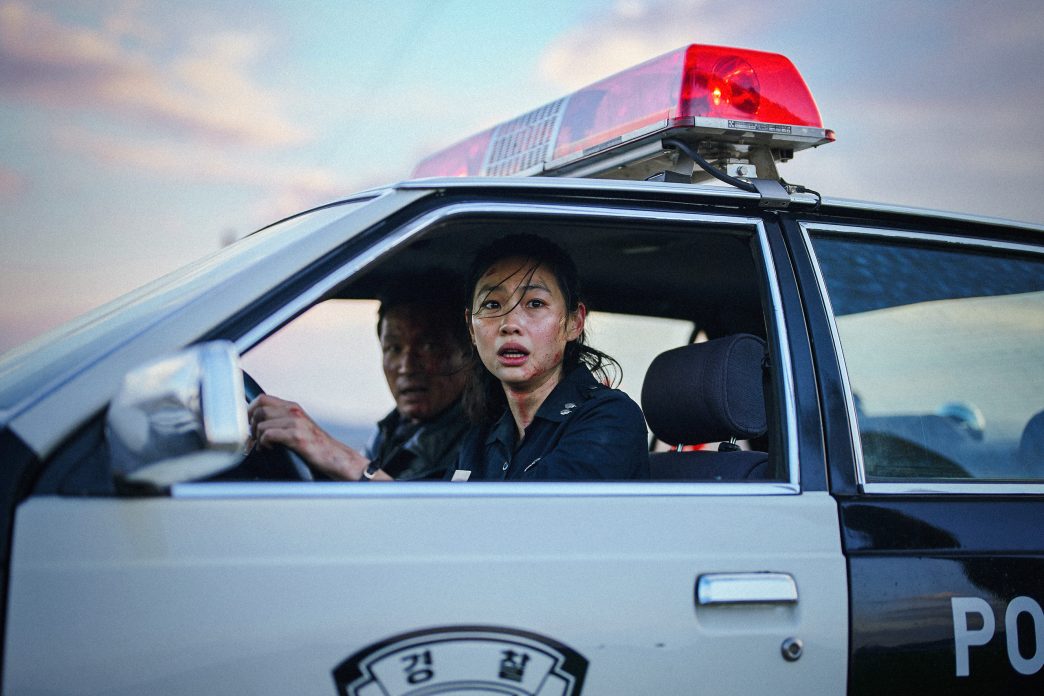
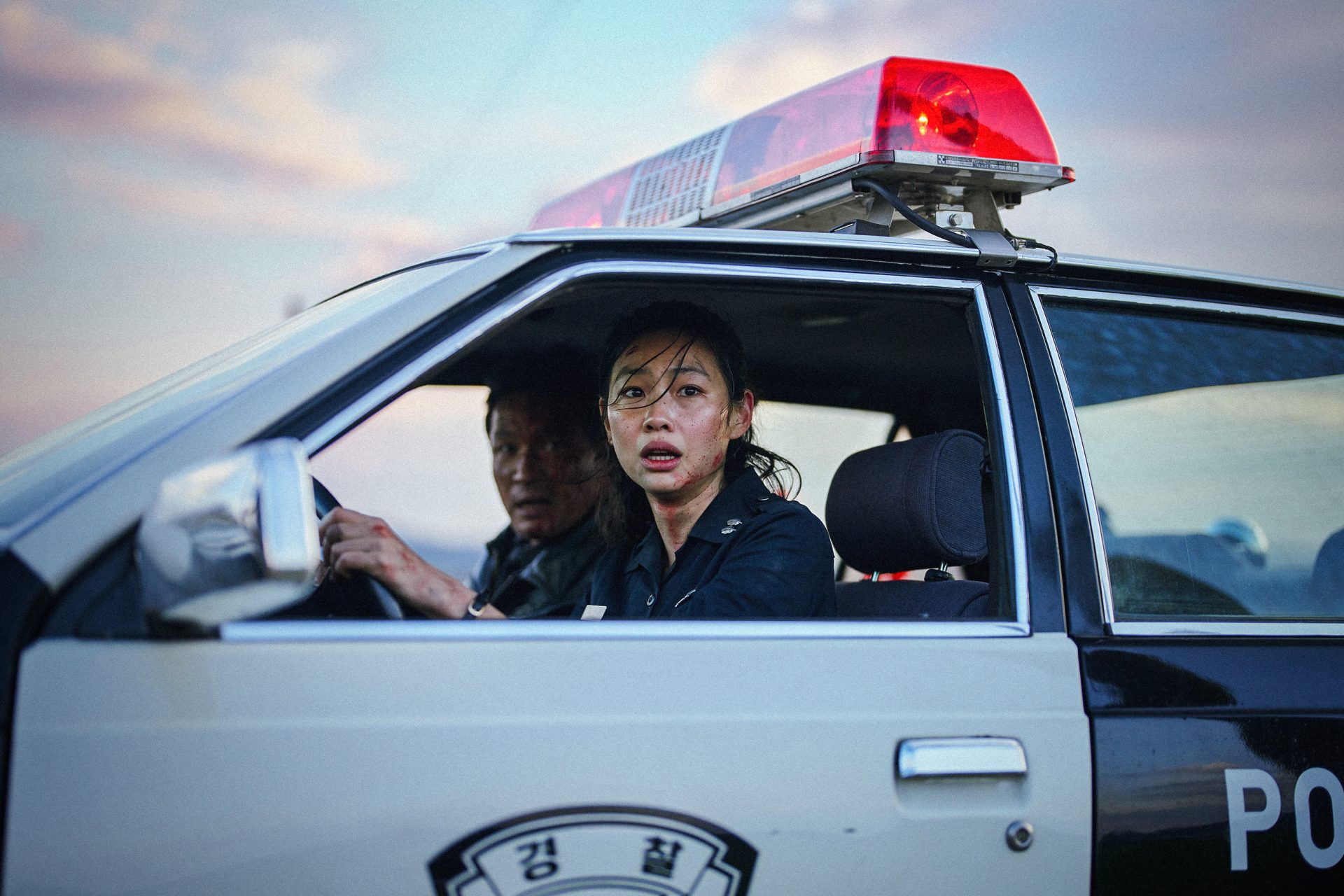
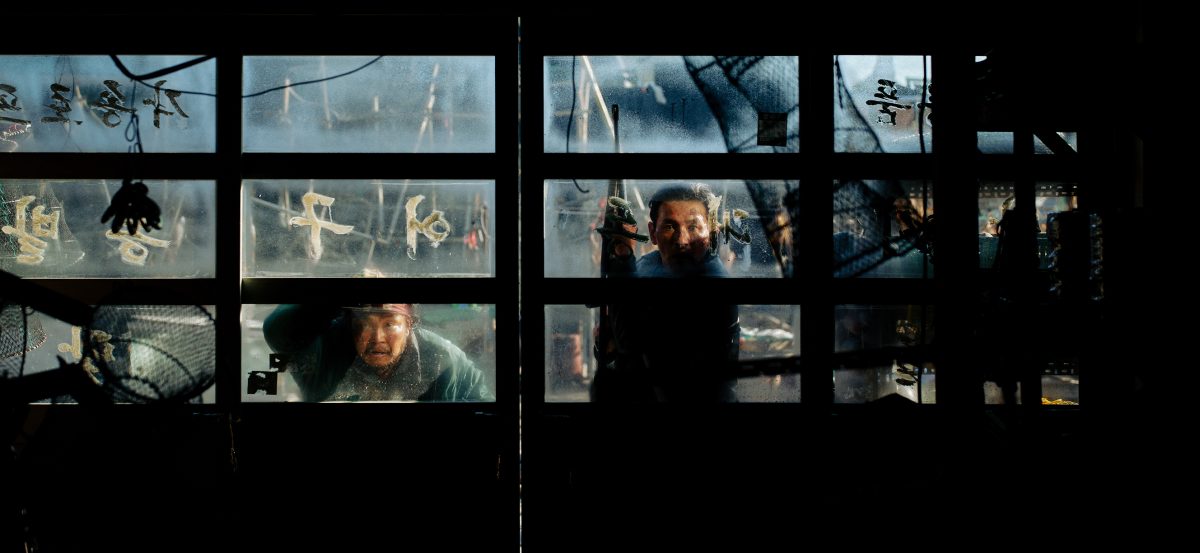
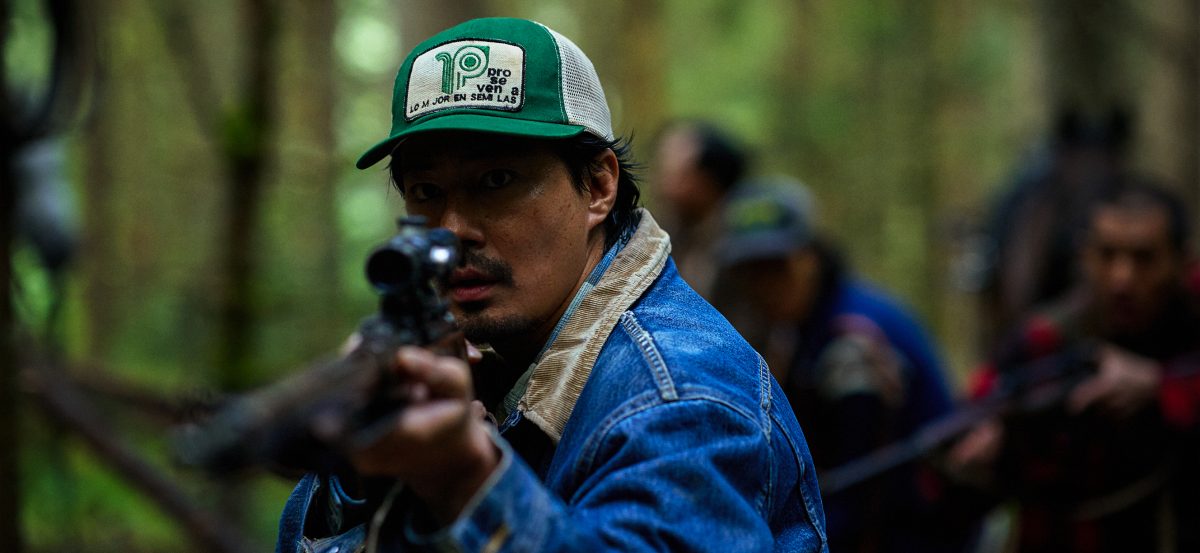
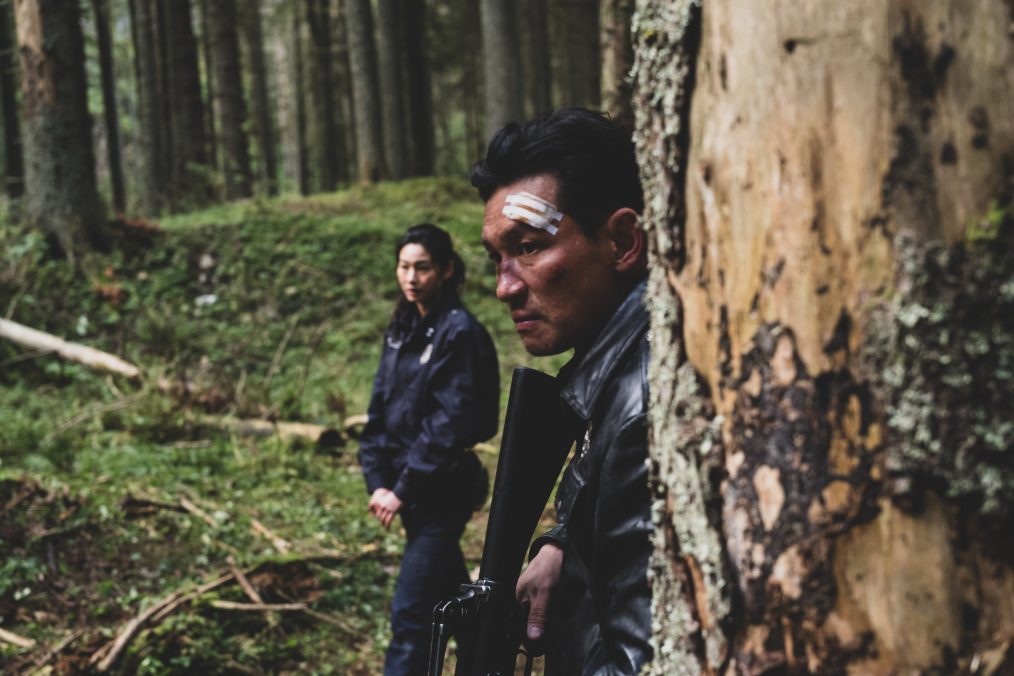
On the surface, Hope follows police outpost chief Bum-seok, played by Hwang Jung-min, and officer Sung-ae, played by Hoyeon, as they respond to a mysterious creature wreaking havoc on Hope Harbor. In the nearby forest, Sung-ki, played by Zo In-sung, joins a group of hunters trying to track the beast, only for the hunters to become hunted themselves.
That setup could have easily played like a straightforward monster movie. Na Hong-jin has no interest in making it that simple. The film constantly shifts what you think it is about. A creature hunt becomes an alien encounter. An alien encounter becomes a survival thriller. A survival thriller becomes a study of how people destroy each other when fear takes over.
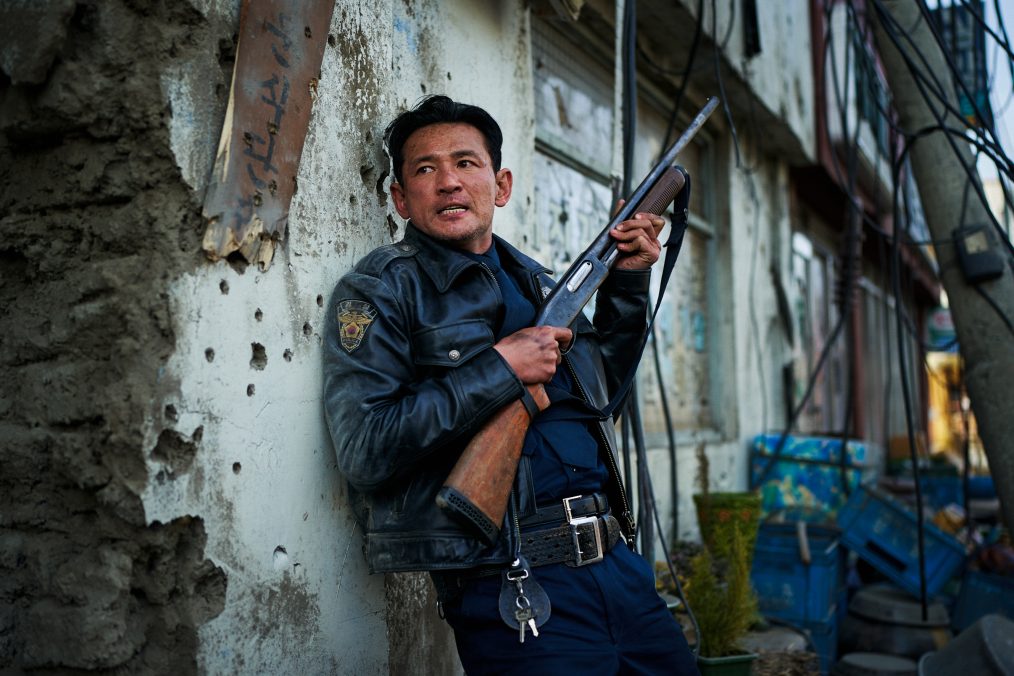
That escalation is where Hope feels most alive. Na Hong-jin turns ignorance, fear, and human conflict into a sci-fi tragedy of cosmic proportions. The title may suggest optimism, but the movie is often built around panic, bloodshed, miscommunication, and the terrifying idea that people can make a horrifying situation even worse by refusing to understand what is happening in front of them.
What makes that escalation even more impressive is how complete the first act feels on its own. Around the one-hour mark, Hope has already delivered enough tension, action, mystery, and character conflict that it could have easily functioned as an entire film. Instead, Na Hong-jin uses that first hour as a foundation, then keeps expanding the scope into something bigger, stranger, and more devastating. It is rare to watch a film this long and still feel like you want more, but Hope builds its world with enough intrigue that every new act opens another door.
Hwang Jung-min, Zo In-sung, and Hoyeon Carry the Chaos
The film is strongest when it locks into its Korean leads. Hwang Jung-min, Zo In-sung, and Hoyeon each carry different sections of the film before their stories begin to collide, and that structure helps give the movie momentum across its long runtime.
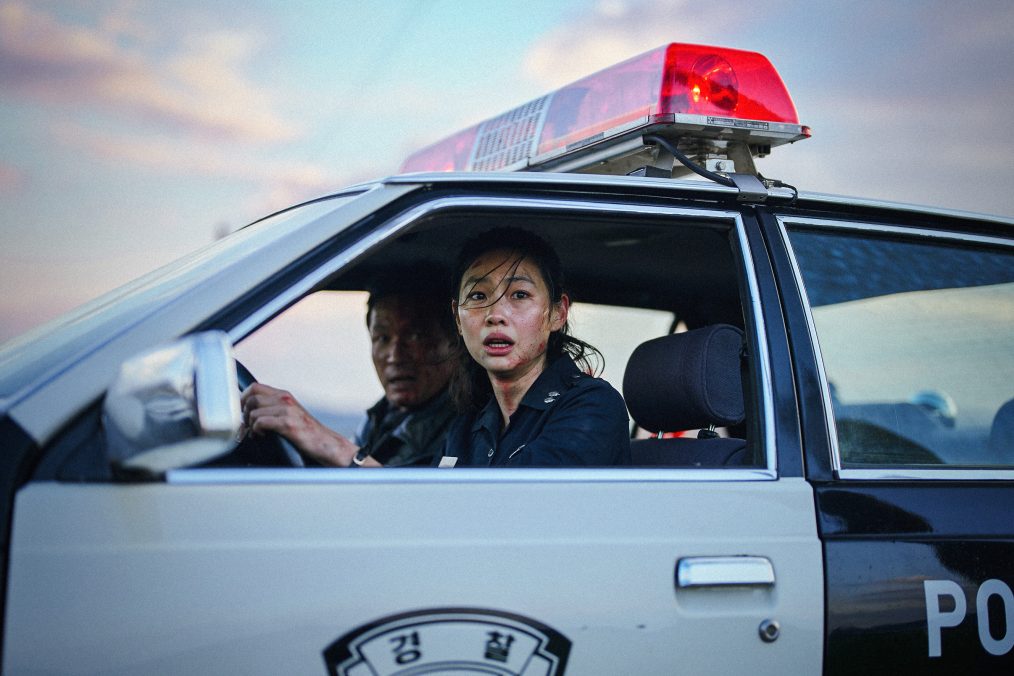
Hwang Jung-min brings authority and exhaustion to Bum-seok, grounding the story in the confusion and pressure of a local official facing something far beyond his control. Hoyeon gives Sung-ae a sharp, emotionally alert presence, making her feel capable but never disconnected from the fear around her. Zo In-sung brings physicality and tension to Sung-ki, especially once the hunters realize they are not in control of the hunt.
Together, they give the film its human pulse. For all the spectacle, violence, and sci-fi mystery, Hope needs people who can make the chaos feel immediate. These performances do that. They carry the film separately at different points, then come together in a way that makes the madness feel even more powerful.
Brutal, Funny, and Full of OMG Moments
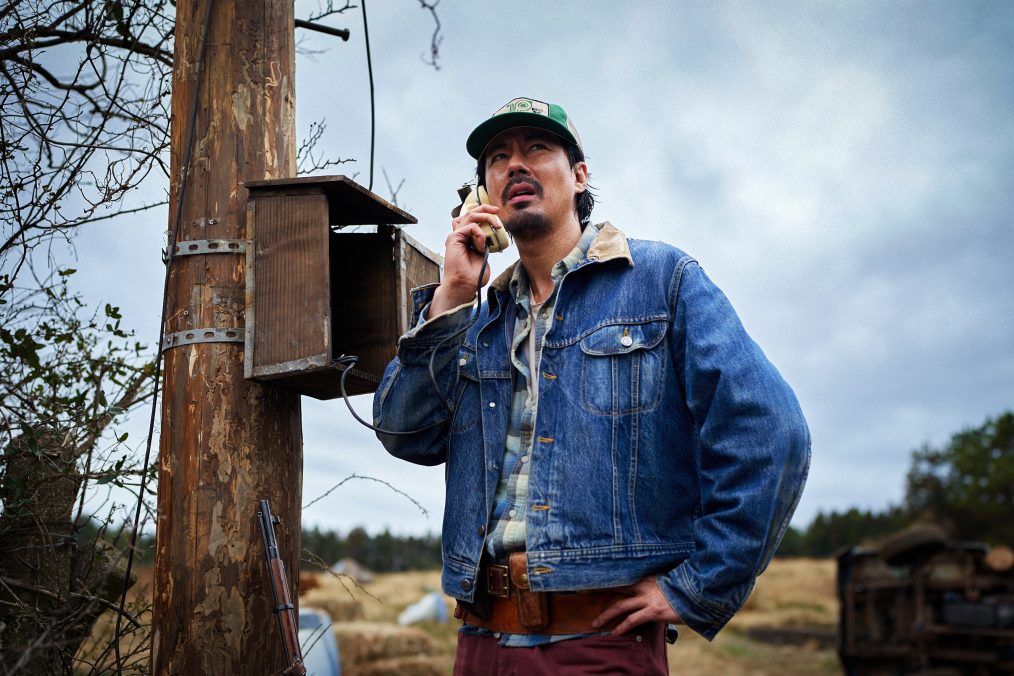
One of the biggest surprises is how much tonal control Na Hong-jin has over the madness. Hope is brutal, but it is not one-note. There are moments of dark humor and absurdity that cut through the terror without making the danger feel cheap. That balance is hard to pull off, but it fits Na Hong-jin’s style. He understands that panic can be funny until it suddenly becomes horrifying.
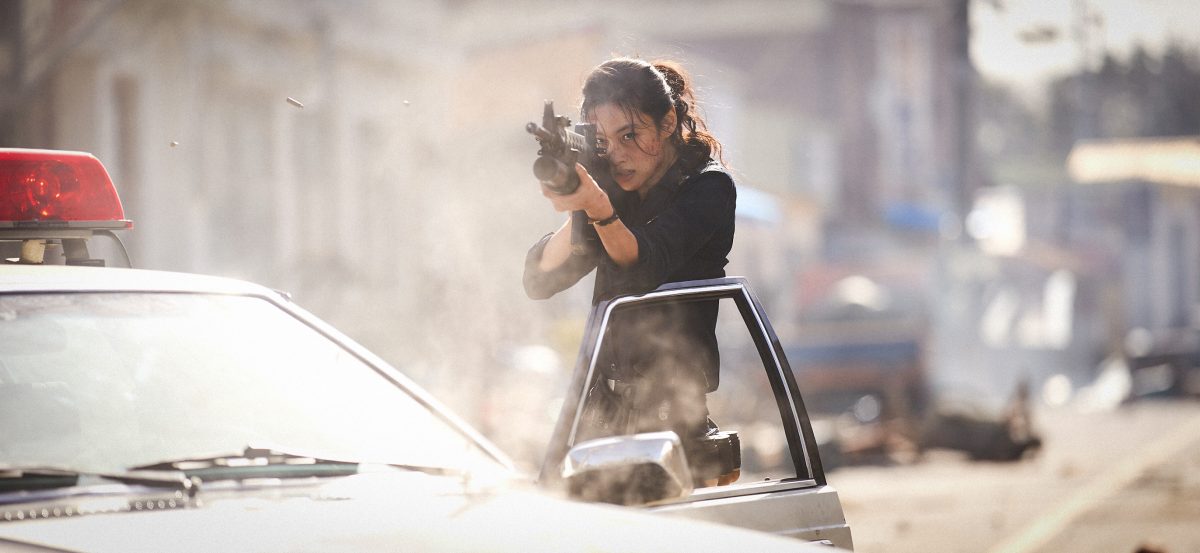
The action scenes are intense and often vicious. There are tons of strong shots, striking compositions, and set pieces that build real momentum. The violence can be shocking, not because the film is chasing cheap gore, but because the brutality feels sudden and ugly. When things go wrong in Hope, they go very wrong.
This is also where the movie becomes a must-see theatrical experience. Hope is brutal, chaotic, and built for the biggest screen possible. The scale, sound design, creature movement, and bursts of action all demand a premium presentation. This is absolutely a movie to see on the best screen available.
Michael Abels Understands the Assignment
Michael Abels is the man. His score is one of the film’s biggest weapons, helping Hope move between dread, action, mystery, and cosmic terror. The music never feels like background decoration. It actively shapes the tension.
Abels understands how to make the village feel unsafe even before the biggest threats arrive. The score adds weight to the unknown, then expands with the film as the story becomes more massive and otherworldly. In a movie this long and tonally ambitious, the music has to help guide the audience through the shifts. Abels does that beautifully.
Hong Kyung-pyo’s cinematography also deserves real praise. The film has a lot of memorable images, from broad-daylight terror to chaotic action and moments where the village itself feels swallowed by dread. The camera captures both the intimacy of people trying to survive and the larger scale of something beyond human understanding closing in.
The Aliens Create More Questions Than Answers
The American actors in Hope are an interesting part of the film because their presence is not used in the way some viewers may expect. Taylor Russell, Cameron Britton, Alicia Vikander, and Michael Fassbender are part of the larger sci-fi texture of the movie, but this is not a film that shifts its center away from the Korean characters just because international stars are involved.
That choice works because the mystery stays focused on the village and the people trying to process what is happening. At the same time, the alien elements are so intriguing that I wanted much more from that side of the movie. The film gives enough to pull you in, but not always enough to fully satisfy the curiosity it creates.
That may be intentional, but it is also one of the reasons the long runtime feels strange. At 160 minutes, the movie gives itself a lot of room, yet I still wanted more context, more world-building, and more understanding of the extraterrestrial presence. The mystery works, but the intrigue is so strong that it leaves you hungry for answers.
A Long Ride Worth Taking
The biggest issue with Hope is the runtime. There are stretches where the middle act could feel tighter, especially as the movie shifts between tones, characters, and scales of conflict. It is not that the film becomes boring. It is that the movie is so loaded with ideas and incident that you can feel its size pressing against the experience.
Still, I would rather watch a movie that gives me too much ambition than one that plays everything safe. Hope is messy in places, but it is also bold, brutal, and alive. It is the kind of genre film that swings big, trusts its filmmaker, and gives audiences something that feels dangerous and unpredictable.
Na Hong-jin has made a sci-fi action thriller that refuses to be boxed into one lane. It is a monster movie, an alien encounter story, a survival thriller, a human tragedy, and a darkly funny portrait of people making terrible decisions under pressure. Not every piece lands perfectly, but the experience is unforgettable.
Hope is an intense, brutal, and visually striking genre epic that deserves to be seen on the biggest screen possible. It may leave you wanting more answers, but it also leaves you wanting more of this world, and that is not a bad problem to have.

Editor-in-Chief | Owner
I’m a dedicated aficionado of all things movies, pop culture, and entertainment. With a passion for storytelling and a love for the silver screen, I’m constantly immersed in the world of cinema, exploring new releases, classics, and hidden gems alike. As a fervent advocate for the power of film to inspire, entertain, and provoke thought, I enjoy sharing my insights, reviews, and recommendations with fellow enthusiasts.