


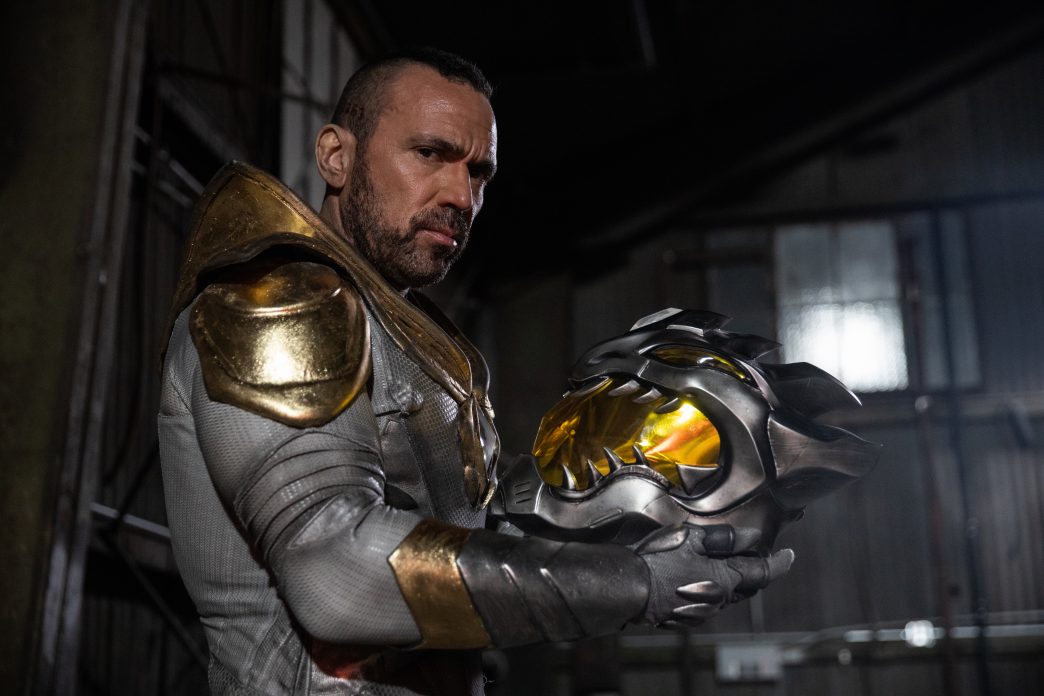
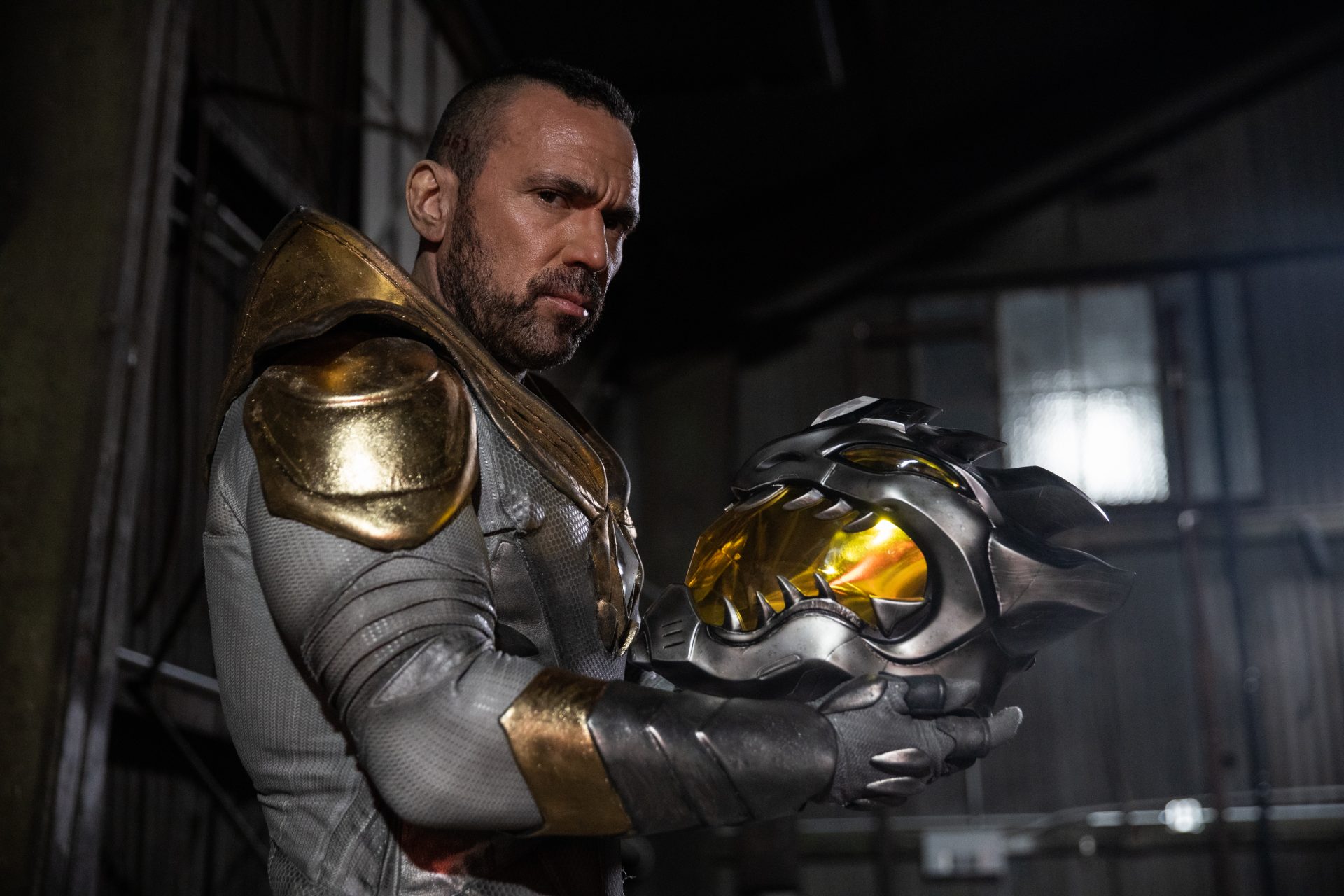

Legend of the White Dragon is the kind of movie that cannot be judged only by the usual superhero checklist. Yes, it has armored heroes, martial arts battles, sci-fi lore, revenge, family drama, and a city in crisis. But more than anything, this is a passion project that evolved into a legacy film. It is independent filmmaking pushed by fandom, perseverance, and love for an actor who meant a lot to generations of fans.
Directed by Aaron Schoenke and Sean Schoenke, Legend of the White Dragon stars Jason David Frank as Erik Reed, a former hero living in hiding after a catastrophic battle leaves Virtuo City damaged and his identity exposed. Three years later, Erik returns to reclaim what was taken from him, clear his name, reconnect with his family, and face Dragon Prime, a vengeful enemy tied to the same heroic legacy he is trying to understand.
This film has been through a lot to reach audiences. Fan funding, delays, controversy, additional photography, and the tragic passing of Jason David Frank all turned Legend of the White Dragon into something bigger than its original concept. The fact that it is finished, released, and now heading to Digital and physical media is a big win for everyone who supported it from the beginning.
A Legacy Film First, a Superhero Movie Second
At its core, Legend of the White Dragon works best as a tribute. It is a love letter to Jason David Frank, to the fans who followed him from Power Rangers to Bat in the Sun’s Super Power Beat Down, and to the tokusatsu-inspired superhero stories that shaped so many childhoods.
The movie is clearly made for an audience that understands the language of suited heroes, dramatic transformations, high-emotion battles, and larger-than-life villains. It leans into the DNA of classic Power Rangers and 1990s cult superhero storytelling, but ages it up with a grittier tone, heavier consequences, and more grounded emotional stakes.
That passion is felt throughout the film. You can see Aaron Schoenke and Bat in the Sun trying to take everything fans loved about their earlier work and push it to a full feature level. The result is not flawless, but it is deeply sincere. This is a movie made by people who care about the genre and understand why fans care about Jason David Frank.
Jason David Frank Shows a New Side
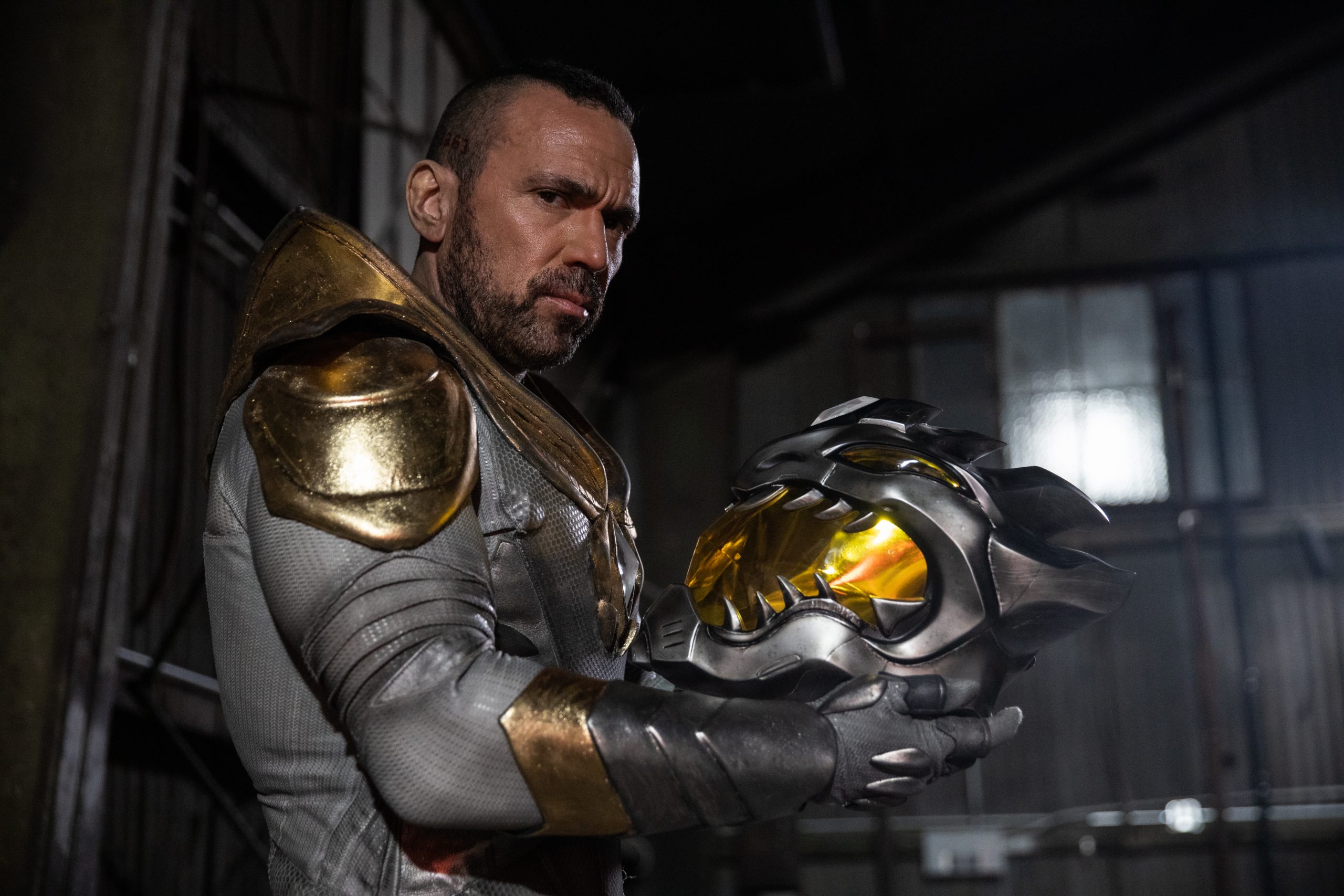
The biggest reason to watch Legend of the White Dragon is Jason David Frank. As Erik Reed, he gets to show a darker, more vulnerable side of himself than many fans may expect. This is not the bright, confident hero most people first connected with decades ago. Erik is tired, wounded, ashamed, and carrying the emotional weight of a life that has cost him almost everything.
Frank brings real intensity to the role. The martial arts and physical presence are there, of course, but what stands out more is the vulnerability. The film gives him space to play grief, regret, family pain, and the burden of being seen as both a hero and a failure. There are moments where the story feels personal in a way that goes beyond the script, especially because this is his final performance.
That emotional weight gives the film a power it might not have had otherwise. Jason David Frank’s final performance turns Legend of the White Dragon into more than an indie superhero film, it becomes a heartfelt tribute to a fan-favorite icon.
Family, Redemption, and Personal Pain
The film’s best emotional material comes from Erik’s desire to reconnect with his family. Cerina Vincent brings real feeling to Rebecca Reed, Erik’s wife, grounding the domestic side of the story and showing the toll superhero life takes on the people left behind. Their scenes give the movie some of its strongest human moments because they are about trust, absence, disappointment, and whether love can survive years of damage.
Michael Madsen also brings a grounded presence as Max Reed, Erik’s estranged father. His scenes with Frank have a rough, lived-in energy that helps bring the film down from the sci-fi spectacle into something more personal. The movie is at its best when it connects the superhero mythology to themes of family, regret, redemption, and legacy.
The emotional layer becomes even heavier with Jason David Frank’s real-life daughter, Jenna Rae Frank, appearing in the film as Ashley Reed. Her role is limited, but knowing the real-world connection makes those moments impossible to separate from the film’s larger legacy. You feel the added weight of a daughter sharing the screen with her father in what would become his final performance. It gives the movie another layer of tenderness, especially in a story already built around family, absence, redemption, and what a hero leaves behind.
There are also pieces of the story that feel connected to Jason David Frank’s own public life and personal journey, which makes some of the emotional beats hit harder. The film is not just asking what it means to be a hero in a suit. It is asking what it means to carry a legacy, fail people, keep fighting, and still try to leave something meaningful behind.
Bat in the Sun Levels Up the Action
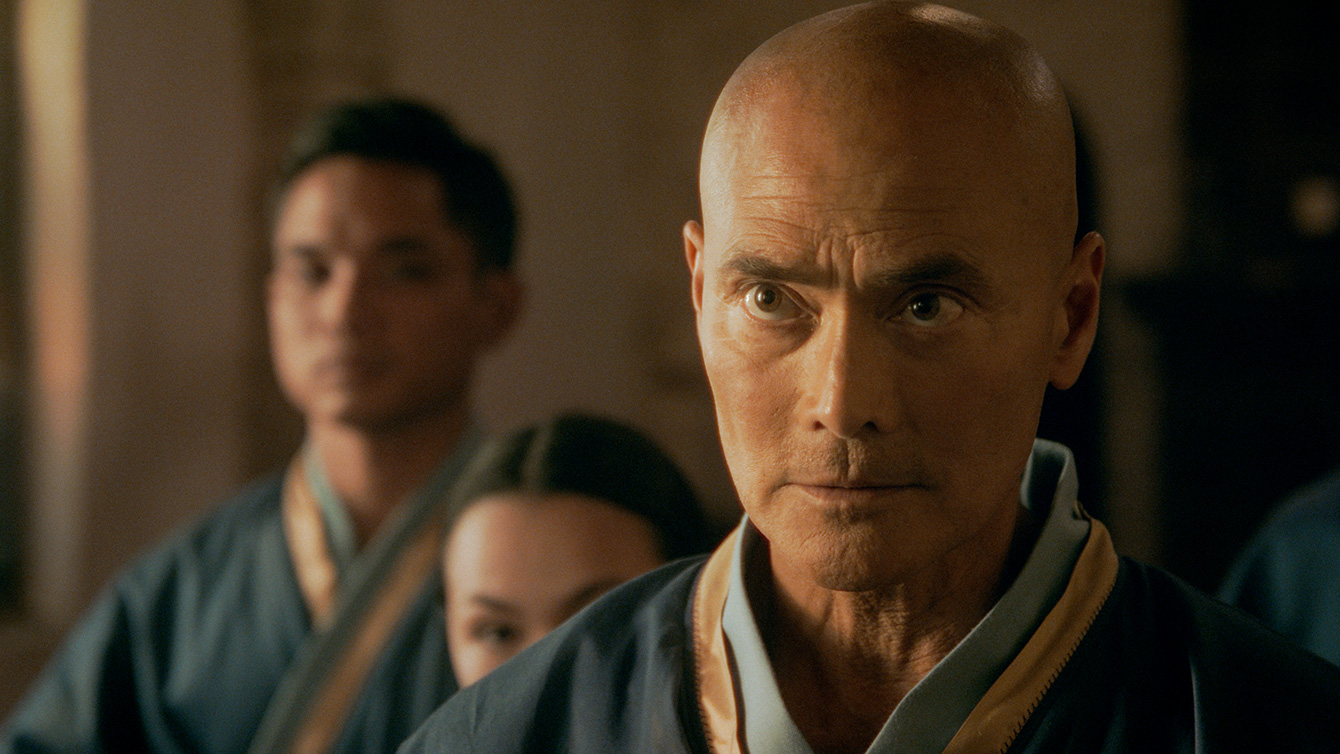
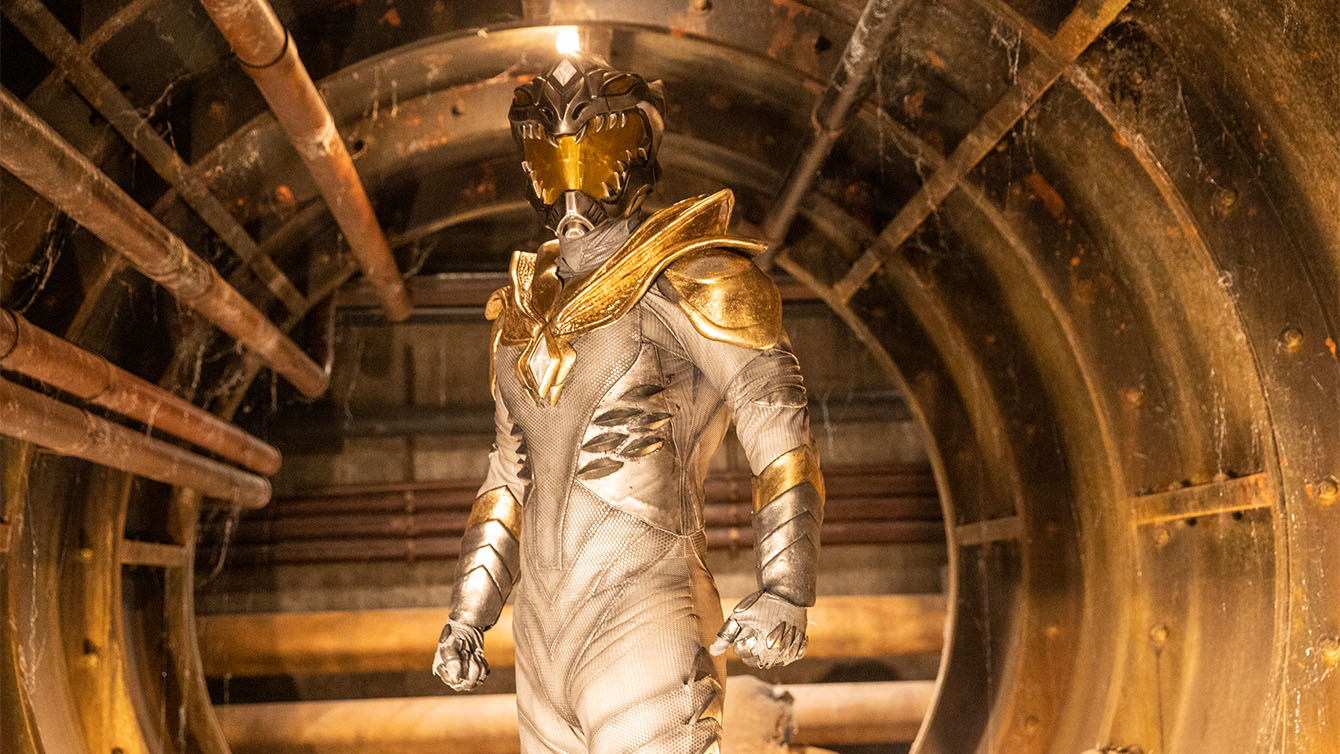
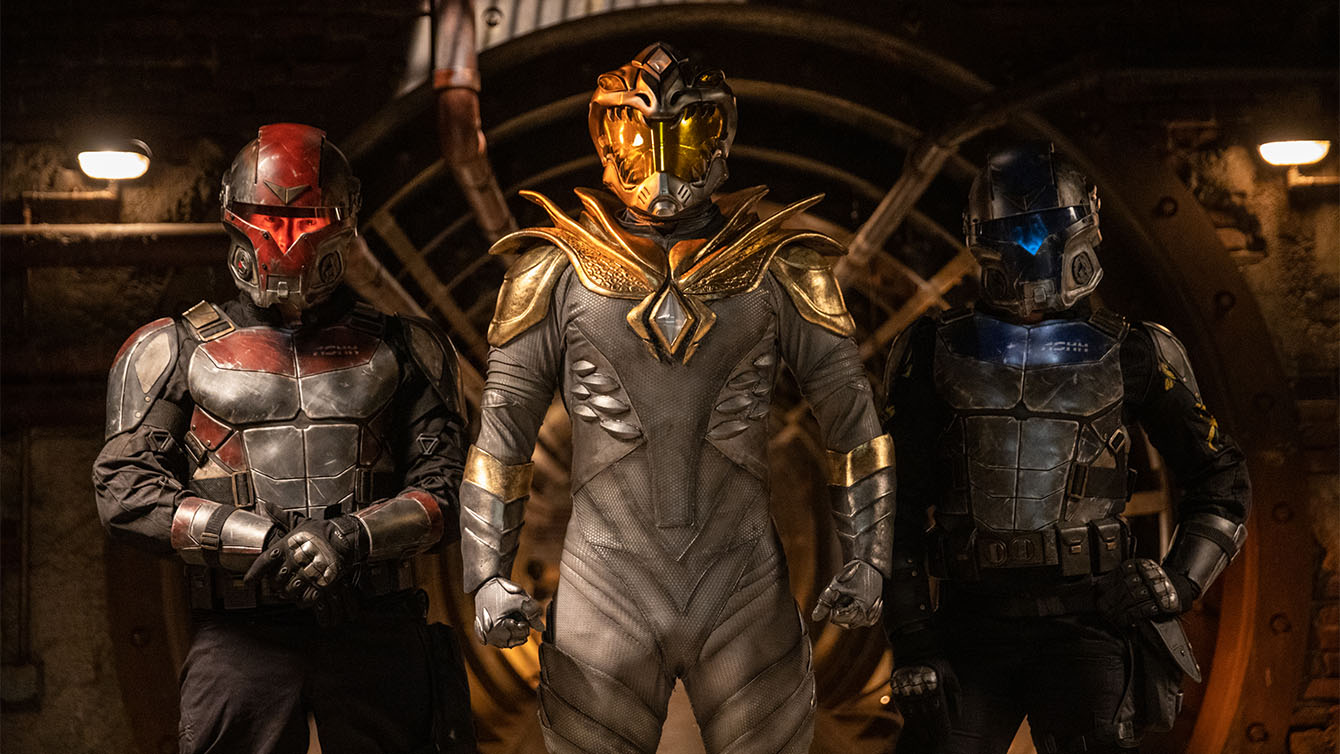
For fans of Bat in the Sun and Super Power Beat Down, the action is a major part of the appeal. Legend of the White Dragon delivers the kind of martial arts and suited combat fans have been waiting for. The fights have energy, the armor looks strong on screen, and the production clearly puts a lot of pride into its suit designs.
The White Dragon suit looks amazing, and the overall design work gives the movie a cool, gritty superhero identity. The film’s visual DNA pulls from tokusatsu, cult sci-fi action, and darker 1990s superhero fare. It is not trying to look like Marvel or DC. It has its own fan-made, armor-heavy, martial arts-driven personality.
Mark Dacascos and David Ramsey bring immediate genre credibility, even in limited roles. Jason Faunt also has an easy chemistry with Frank, and that real-life connection helps their scenes feel natural. Fans who came to see beloved genre faces together will get plenty of satisfaction from the ensemble.
The music also deserves credit. It gives the movie a bad-ass energy and helps sell the heroic tone. For an indie feature, the score adds a lot of momentum and makes the action feel bigger.
Indie Ambition With Visible Limits
At the same time, Legend of the White Dragon is still an independent film, and you can feel that in places. The exposition can be heavy, the worldbuilding sometimes moves faster than the movie can fully support, and the visual effects have moments where the ambition is clearly bigger than the budget.
Some performances land stronger than others, and the film occasionally leans into dialogue and villain tropes that feel closer to Saturday morning superhero storytelling than prestige drama. But that also feels like part of the movie’s identity. This is not trying to be a polished studio superhero machine. It is a fan-backed genre film wearing its heart on its armored sleeve.
The final act is where I wanted more. It is serviceable, and it gives fans the kind of heroic payoff they came to see, but the movie builds enough emotion and mythology that I wanted the ending to go even bigger. More action, more impact, more time with the world, and more weight behind the final conflict could have elevated it even further.
Still, the fact that it leaves you wanting more is not a bad thing. It means the world has potential.
A World Worth Expanding
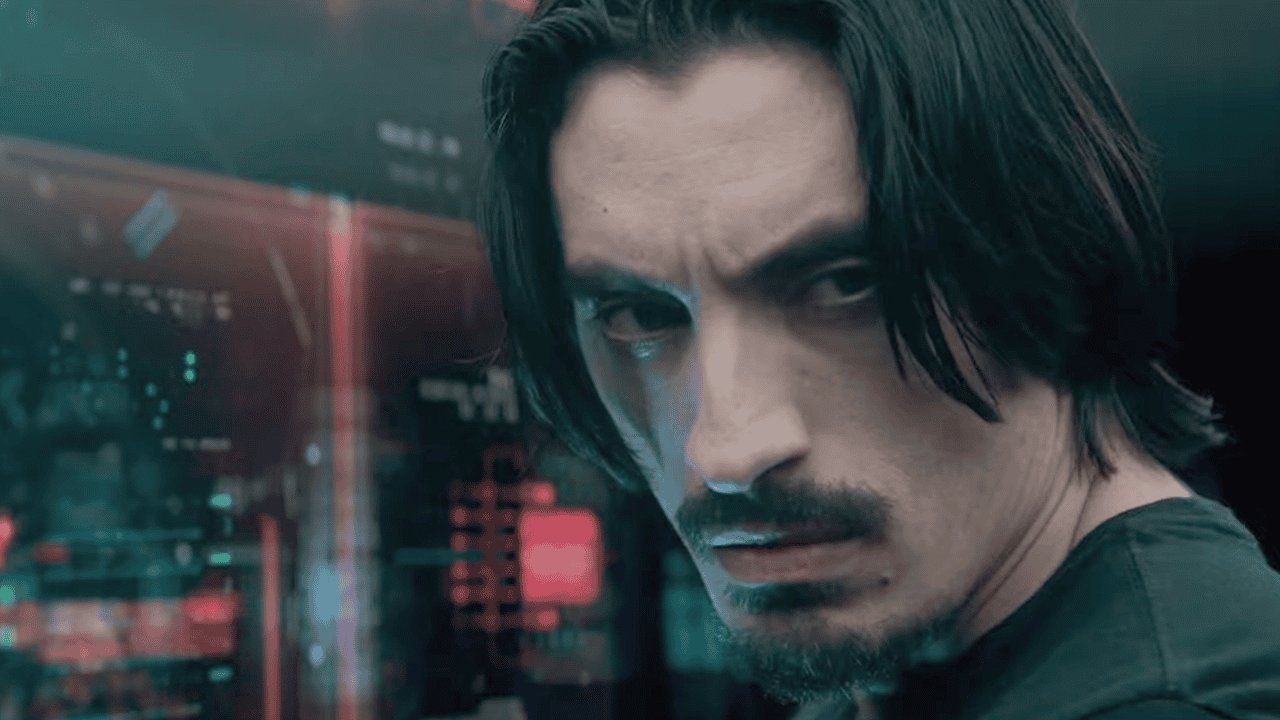
One of the more interesting things about Legend of the White Dragon is that it feels like the beginning of a larger universe. The mid-credit scene points toward more stories, and I am genuinely curious how this world could continue without Jason David Frank at the center.
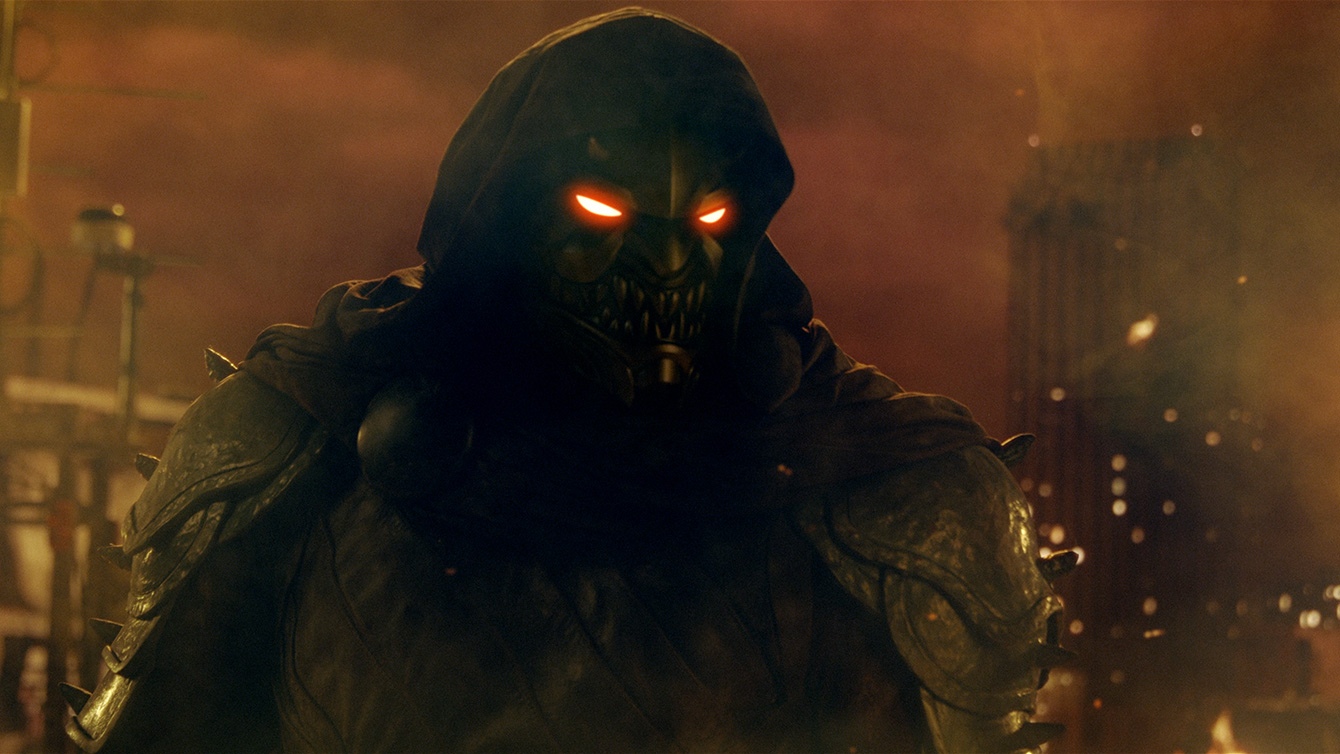
That is the challenge and the opportunity. Erik Reed is the emotional heart of this film, and Frank’s presence cannot simply be replaced. But the world itself has enough characters, mythology, suits, rivalries, and fan-driven passion to keep expanding if handled with care.
Aaron Schoenke and Bat in the Sun took their production to the next level here. You can see the growth from online fan films into feature filmmaking, and while the movie has rough edges, it also has a real sense of purpose. It exists because fans wanted it, because creators fought for it, and because Jason David Frank believed in giving that audience one more heroic ride.
The White Dragon’s Final Flight
Legend of the White Dragon is not a perfect film, but it is a meaningful one. It is gritty, emotional, ambitious, and absolutely built for the fans who have been waiting years to see it. The indie seams are visible, but so is the heart. The action delivers, the suit designs are strong, the music gives it attitude, and Jason David Frank’s final performance gives the entire movie a layer of emotion that cannot be manufactured.
This is the epitome of independent filmmaking turning into legacy filmmaking. It is a passion project, a fan celebration, a superhero action movie, and a tribute all at once.
For longtime Jason David Frank fans, Power Rangers alumni followers, tokusatsu fans, and anyone who grew up loving armored heroes who fought with heart, Legend of the White Dragon delivers what it needed to deliver. It gives fans one last chance to see Jason David Frank fight, lead, hurt, heal, and stand tall as a hero.

Editor-in-Chief | Owner
I’m a dedicated aficionado of all things movies, pop culture, and entertainment. With a passion for storytelling and a love for the silver screen, I’m constantly immersed in the world of cinema, exploring new releases, classics, and hidden gems alike. As a fervent advocate for the power of film to inspire, entertain, and provoke thought, I enjoy sharing my insights, reviews, and recommendations with fellow enthusiasts.