



Horror has been having a remarkable year, particularly in the independent space. From inventive supernatural stories to deeply personal character studies disguised as genre films, some of the most compelling movies of 2026 have come from filmmakers willing to use horror as a vehicle for something larger.
That’s exactly what Adrian Chiarella accomplishes with Leviticus.
While the film premiered in Sundance’s Midnight section and has been marketed as a horror movie, audiences expecting a traditional creature feature or jump-scare-driven thriller may be surprised by what they find. At its core, Leviticus is less interested in terrifying viewers with monsters than it is in exploring what happens when love, identity, and desire are weaponized against the people experiencing them.
The result is a deeply affecting psychological thriller, a heartbreaking romance, and one of the most emotionally resonant genre films of the year.
A Love Story Trapped Inside a Nightmare

The premise is immediately compelling.
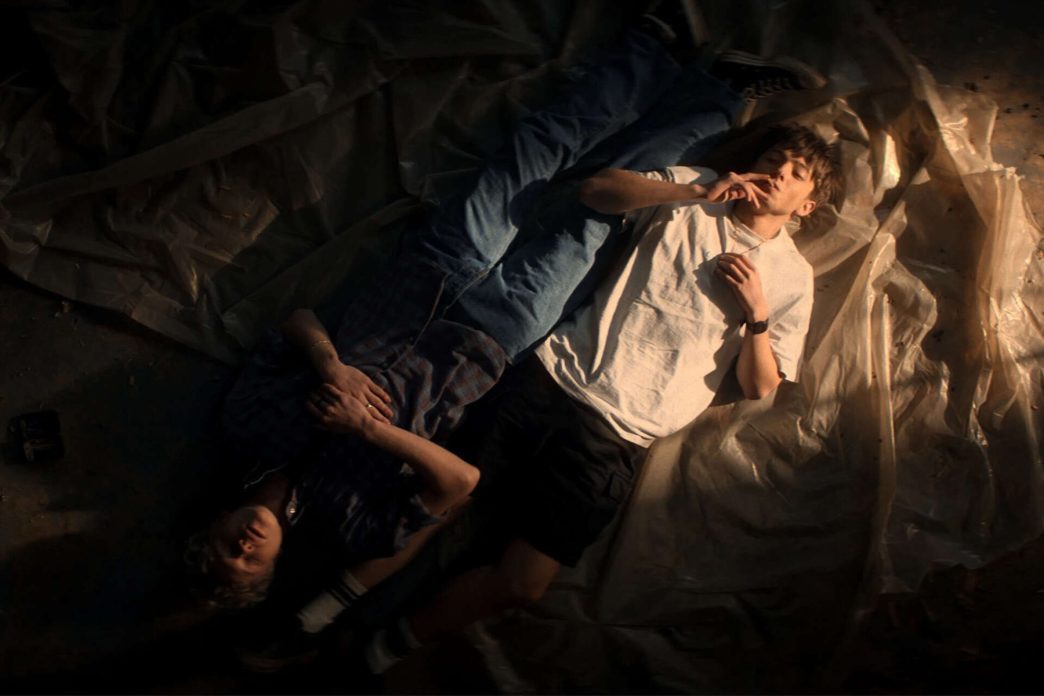
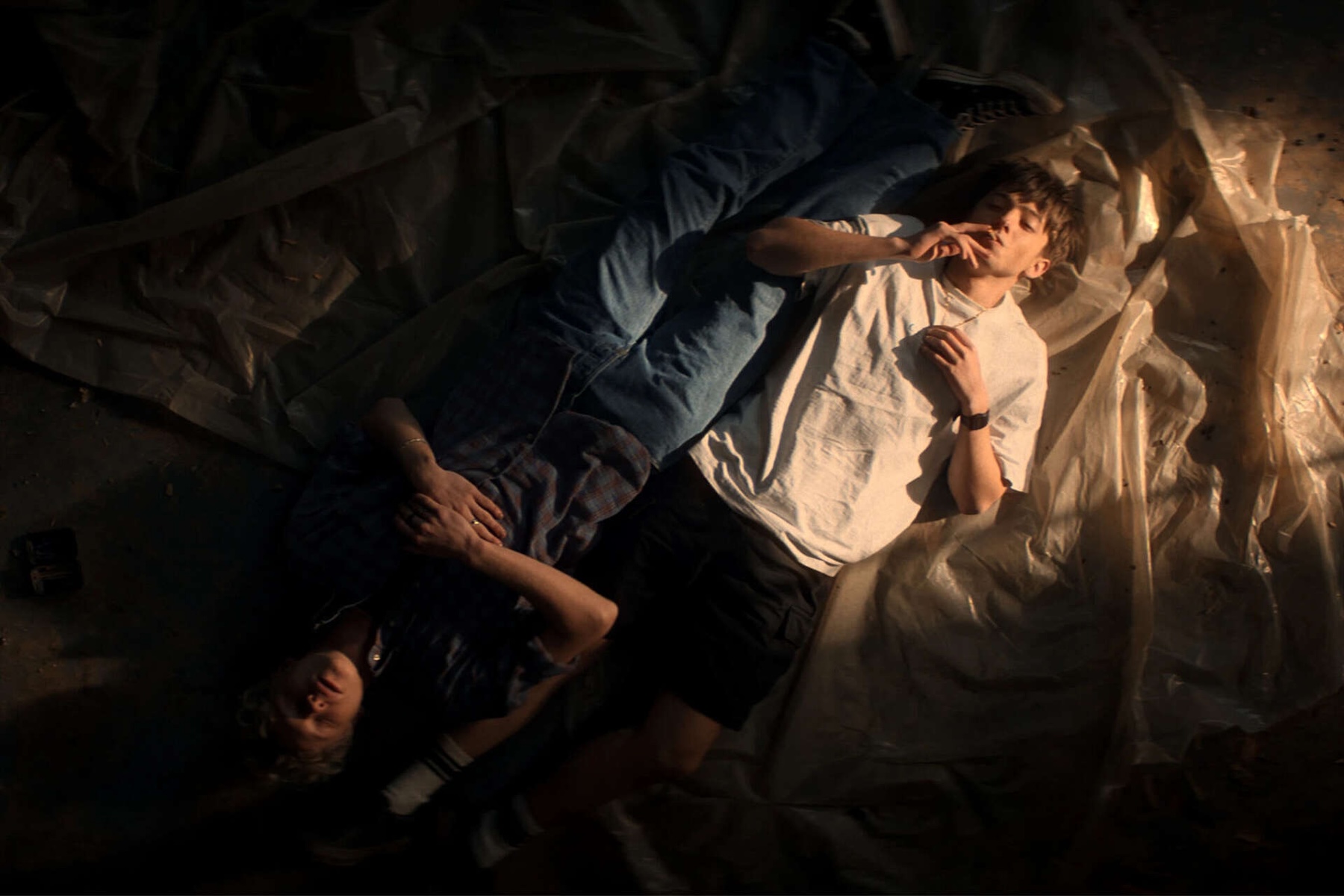
Two teenage boys, Naim (Joe Bird) and Ryan (Stacy Clausen), find themselves hunted by a violent supernatural entity capable of taking the form of the person they desire most. It’s a concept that initially recalls films like It Follows, but Adrian Chiarella uses that familiar framework to tell a completely different story.
The horror isn’t simply that something is chasing them.
The horror is that the thing chasing them looks like the person they love.
Every encounter becomes psychologically devastating because neither the audience nor the characters can immediately distinguish between a genuine moment of connection and a potential death sentence. A glance, a touch, or even the sight of someone walking toward you suddenly carries both longing and terror.
That tension transforms Leviticus from a standard horror film into an aching psychological thriller where desire itself becomes a source of fear.
That’s also where Leviticus may divide audiences. Viewers walking in expecting a creature-heavy horror film packed with body horror, brutal kills, or constant supernatural escalation may find themselves disconnected from what Adrian Chiarella is actually trying to accomplish. In some ways, the film’s themes are so deeply woven into the narrative that portions of the audience may completely miss what it’s really saying, focusing instead on what it isn’t doing rather than what it is. The horror here isn’t primarily built around violence or shock value. It’s built around fear, shame, identity, and the psychological toll of being taught that your own feelings are something dangerous.
While I do think there are moments where the balance between metaphor and horror could have been stronger, with a few additional supernatural scares or visual horror sequences helping broaden its appeal, the emotional and thematic goals ultimately feel more important than simply delivering another monster movie. Even when the film occasionally leaves you wanting more from its creature mechanics, it never loses sight of the story it actually wants to tell.
Joe Bird Continues His Rise
Following his breakout performance in Talk to Me, Joe Bird once again proves why he is one of the most exciting young actors working today.
What’s particularly impressive is watching Bird continue to grow in front of audiences. His performance as Naim is remarkably restrained, relying less on dramatic outbursts and more on subtle expressions, physical tension, and emotional vulnerability. He convincingly captures the uncertainty of adolescence while carrying the weight of a character forced to navigate both first love and overwhelming psychological trauma.
Bird’s work here feels entirely different from what audiences saw in Talk to Me, demonstrating a range that suggests a very bright future ahead.
Equally impressive is Stacy Clausen as Ryan. The chemistry between the two leads is what makes the entire film work. Their relationship never feels manufactured or exaggerated for dramatic effect. Instead, it feels authentic, awkward, tender, and deeply human. Chiarella wisely avoids many of the glossy tropes often found in young adult romances, allowing the connection between Naim and Ryan to develop naturally.
Because of that authenticity, the emotional stakes become just as important as the supernatural ones.
The Real Horror Comes From the Community
One of the film’s greatest strengths is its refusal to hide what it’s actually about.
Set within a deeply conservative, religious Australian community, Leviticus uses its supernatural premise as an explicit metaphor for the real-world damage caused by intolerance, shame, and conversion practices. The entity may be terrifying, but the film makes it abundantly clear that the true threat comes from the people who willingly create it.
The movie presents a world where young queer people are taught to fear their own emotions, distrust their own identities, and view love itself as something dangerous. By transforming desire into a literal monster, Chiarella creates a powerful visual representation of that psychological damage.
For American audiences, the setting may initially feel distant. However, one of the film’s most effective qualities is its reminder that these experiences are not isolated to one country or culture. While the story unfolds in a bleak Australian Bible Belt town, the fear, judgment, and hostility depicted here are sadly recognizable around the world.
The film never treats these realities as abstract concepts. Instead, it grounds them within the daily lives of its characters, making every moment feel personal and painfully real.
Mia Wasikowska Delivers a Quietly Devastating Performance
As Naim’s deeply religious mother, Mia Wasikowska delivers one of the film’s most unsettling performances.
Rather than portraying her character as a simplistic villain, Wasikowska finds something far more disturbing. Her character genuinely believes she is protecting her son, making her actions infinitely more tragic and frightening. The quiet certainty behind her convictions becomes one of the film’s most effective sources of dread.
It’s a nuanced performance that reinforces one of the movie’s central ideas: sometimes the people causing the most harm genuinely believe they’re doing the right thing.
That complexity elevates the film far beyond simple good-versus-evil storytelling.
Atmosphere Over Gore

Anyone expecting a blood-soaked horror spectacle should adjust their expectations.
While Leviticus contains moments of tension and violence, its greatest weapon is atmosphere. Chiarella and his creative team build a constant sense of unease through location, sound design, and visual storytelling. The industrial landscapes, abandoned structures, gray skies, and isolated environments create a world that feels suffocating long before the supernatural elements fully emerge.
The abandoned mill where Naim and Ryan initially find moments of peace becomes one of the film’s most important visual symbols. It’s one of the few places where they can briefly escape the pressures of the outside world. Once the entity enters the picture, even that sanctuary is compromised.
The result is a film where paranoia gradually replaces comfort, and every safe space begins to feel vulnerable.
Adding to the emotional impact is the film’s excellent use of music. The inclusion of Frank Ocean’s “Self Control” isn’t simply a needle-drop designed to generate applause. It serves as an emotional extension of the story itself, perfectly complementing the film’s themes of longing, vulnerability, and young love.
My biggest criticism comes from the entity itself. The concept is brilliant, but I occasionally found myself wanting a clearer understanding of the rules governing how it operates. The film intentionally embraces ambiguity, which often works in its favor, but there are moments where certain encounters feel slightly outside the boundaries of what the audience has been led to expect. A bit more clarity surrounding the mechanics of the entity could have strengthened some of the tension and made the psychological cat-and-mouse game even more effective.
I also found myself wanting a slightly stronger balance between the film’s thematic ambitions and its physical horror elements. The emotional storytelling is ultimately the priority, but a few additional moments of body horror or supernatural escalation could have strengthened the film’s already compelling premise.
More Than a Monster Movie
Perhaps the most surprising aspect of Leviticus is how confidently it prioritizes its romance.
The film understands that audiences won’t care about escaping the monster unless they first care about the people being chased. Chiarella invests heavily in developing Naim and Ryan’s relationship, allowing viewers to become emotionally attached before the thriller elements fully take hold.
That investment pays off enormously.
By the time the story reaches its final act, the question is no longer simply whether the characters will survive. It’s whether they can hold onto each other despite a world seemingly designed to pull them apart.
The emotional weight of that conflict lingers long after the credits roll.
What makes Leviticus special isn’t its creature design or its supernatural mythology. It’s the way it uses genre storytelling to explore something profoundly human.
The film takes the experience of being young, queer, and afraid in an unwelcoming environment and transforms it into a tangible, terrifying threat. Yet despite the darkness surrounding its characters, Adrian Chiarella never loses sight of the hope at the center of the story.
The film understands that survival isn’t just about escaping monsters.
Sometimes survival means refusing to let fear define who you are.
In a year already filled with standout independent horror films, Leviticus distinguishes itself by being something more than horror. It’s a beautifully acted, emotionally devastating psychological thriller and romantic drama that uses genre conventions to tell a story about identity, resilience, and the courage required to love openly in a world determined to make that love feel dangerous.
And thanks to outstanding performances from Joe Bird and Stacy Clausen, it’s a journey that stays with you long after the credits roll.

Editor-in-Chief | Owner
I’m a dedicated aficionado of all things movies, pop culture, and entertainment. With a passion for storytelling and a love for the silver screen, I’m constantly immersed in the world of cinema, exploring new releases, classics, and hidden gems alike. As a fervent advocate for the power of film to inspire, entertain, and provoke thought, I enjoy sharing my insights, reviews, and recommendations with fellow enthusiasts.