



FLAWLESS VICTORY!
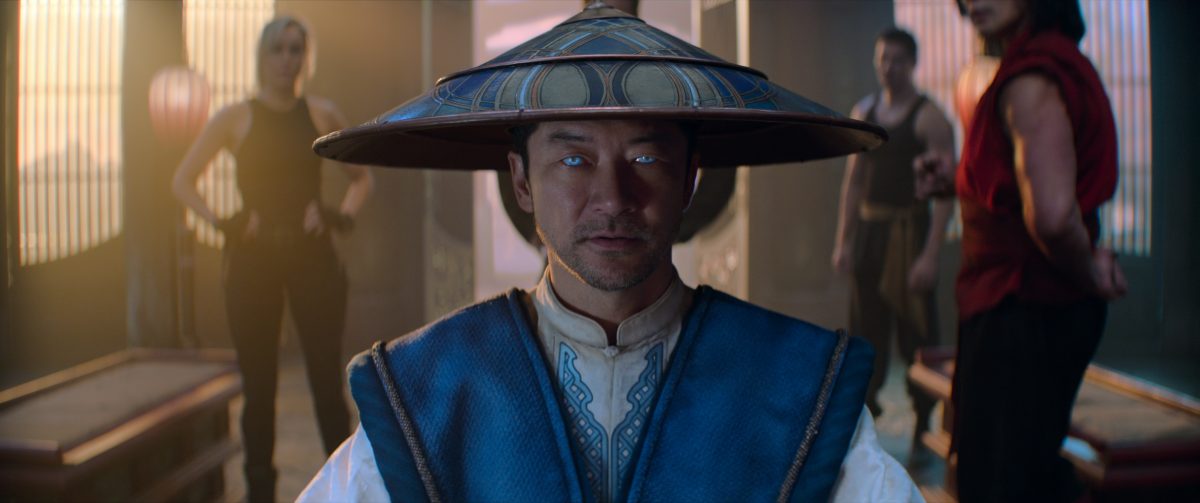
Mortal Kombat II wastes no time letting you know exactly who this movie is for. Before a single fight even begins, the opening credits and studio logos are fully decked out in classic Mortal Kombat colors, immediately setting the tone and pulling fans right into its world. It’s a small but intentional touch that signals this sequel understands the assignment from frame one.
Directed by Simon McQuoid, the sequel builds on the foundation of the 2021 film but takes a noticeable step back into what fans have been asking for. The focus shifts toward more familiar storytelling, deeper character integration and a stronger embrace of the franchise’s identity. This time, the stakes feel clearer, the direction more confident and the payoff far more aligned with what Mortal Kombat should be.
Fight First, Ask Questions Later
The action is where this film truly levels up.
From choreography to execution, the fights are sharper, more fluid and far more engaging. Fatalities are back and designed with care, landing with the kind of reaction you expect from a Mortal Kombat film. They are brutal, creative and feel pulled straight from the games.
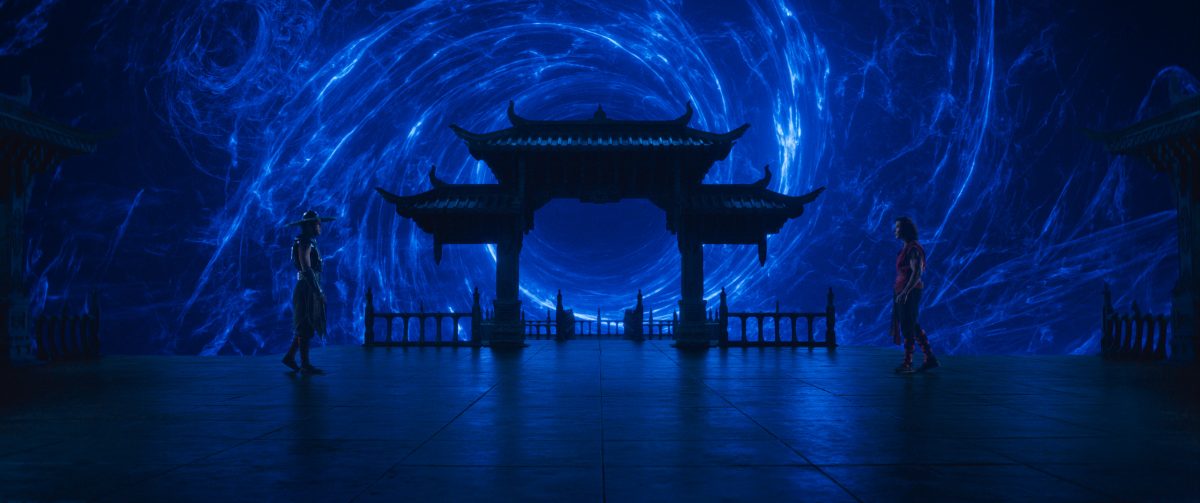
One of the standout sequences features Ludi Lin as Liu Kang and Max Huang as Kung Lao, delivering one of the best fight sequences in the film. The stage design, particularly the Blue Portal setting, feels like a direct translation from the games and is visually incredible to watch. It’s one of those moments where everything clicks.
The stunt work is strong throughout. There’s a mix of practical choreography and wire-assisted moments that, while occasionally exaggerated, still feel appropriate within the tone of the film. In fact, some of that exaggeration works in its favor, leaning into the video game feel in a way that enhances the experience rather than distracting from it.
While I didn’t get the chance to experience it in IMAX, there are definitely moments where you can see how the scale would elevate things even further. A few of the fight sequences feel like they were designed with premium formats in mind, and there are even flashes where some of the action looks like it could translate well into a 3D experience. It’s not overwhelming, but it’s just enough to make you curious about how those formats could enhance the overall presentation.
Johnny Cage and Kano Carry the Energy
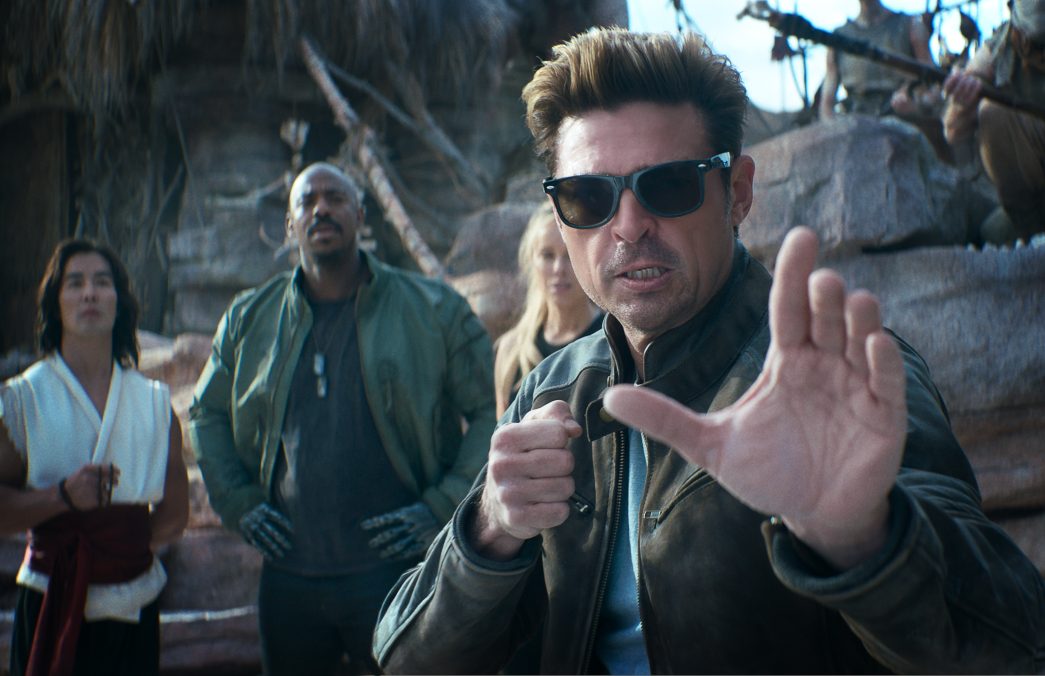
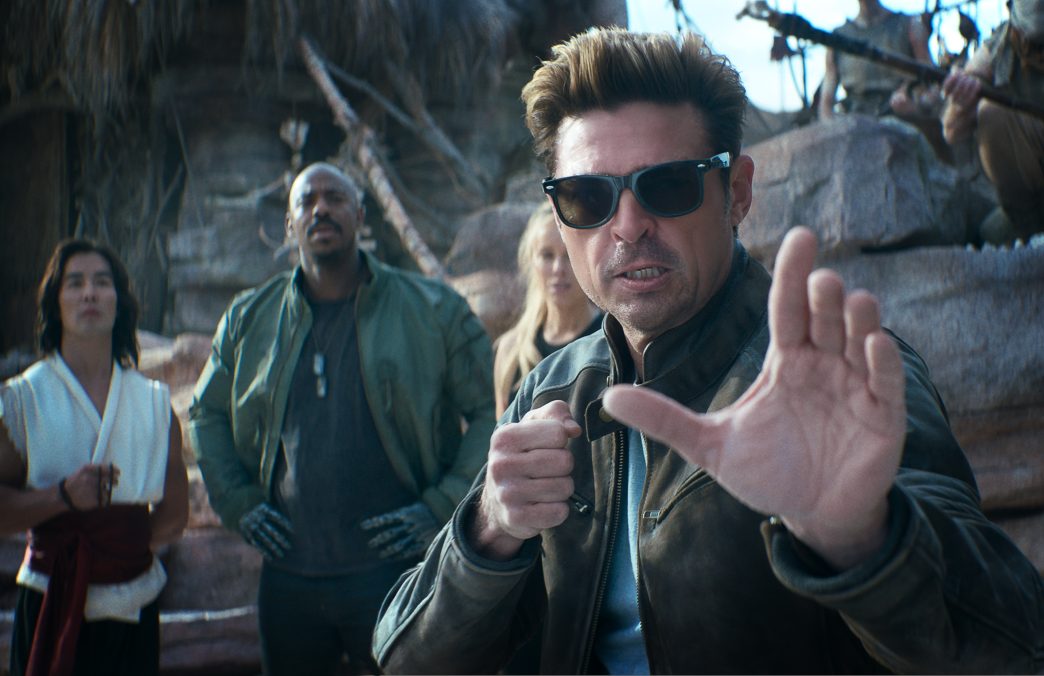
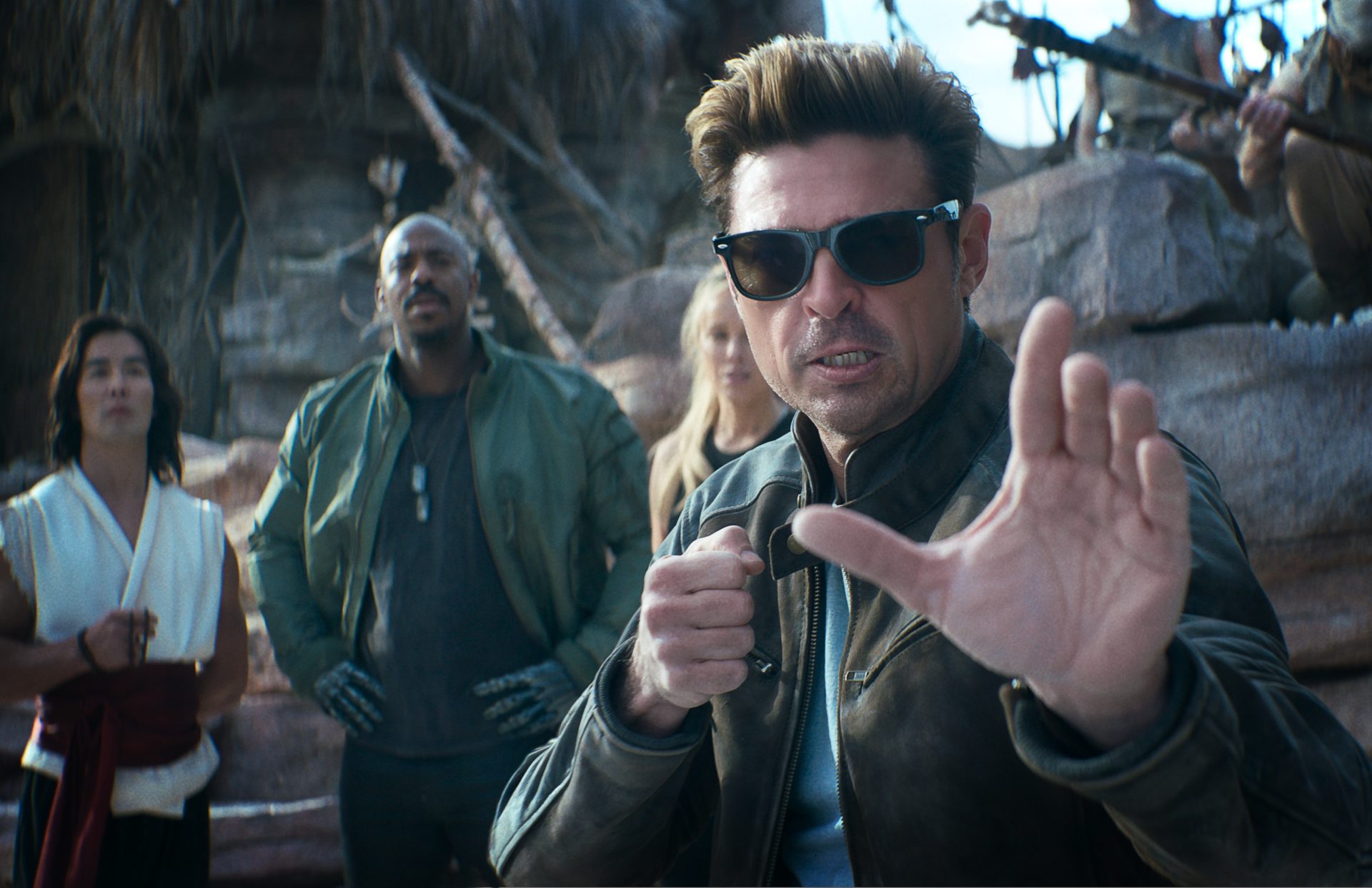
Karl Urban as Johnny Cage is a major win and trust me I had my doubts!
Urban fully leans into the role, bringing ego, humor and unpredictability to the character. His take on Cage as a washed-up action star trying to prove himself works incredibly well and adds a fresh dynamic to the film. The humor lands more often than not, and his pop culture references and one-liners bring a new layer of personality.
Josh Lawson as Kano once again proves to be one of the most entertaining characters in the film. He’s completely unhinged, delivering chaotic energy and comedic moments that consistently land. Together, Kano and Johnny Cage form the comedic backbone of the film, balancing out the intensity of the action. Their quips deserved all the screen time given and left you wanting more.
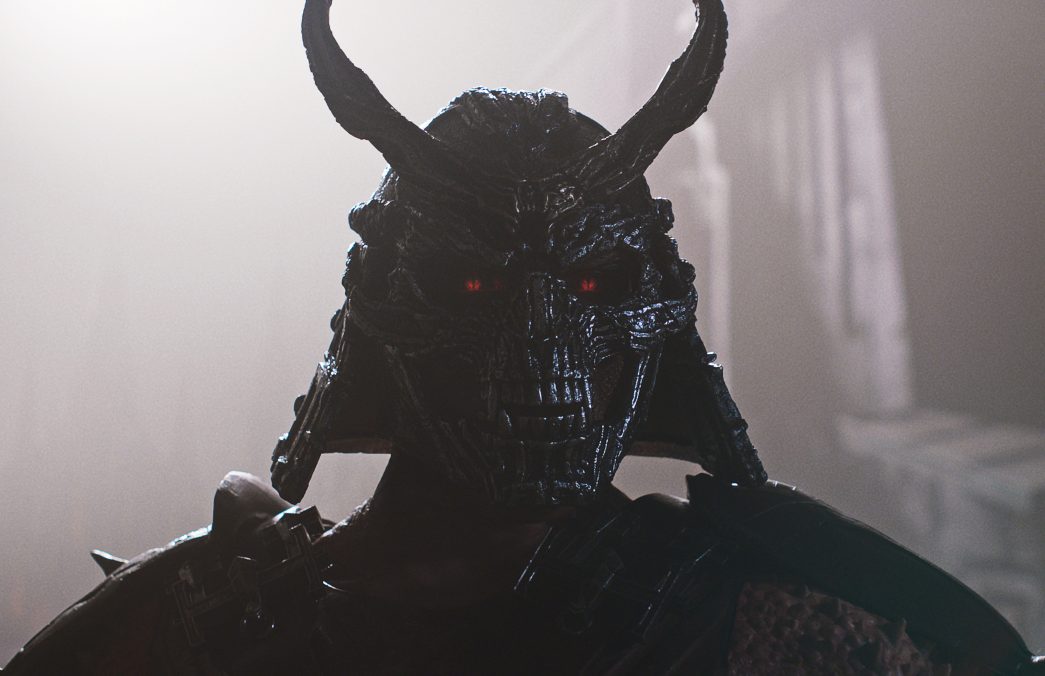
Adeline Rudolph as Kitana and Tati Gabrielle as Jade bring strong presence, while Martyn Ford as Shao Kahn commands attention from the moment he appears. Ford delivers exactly what you want from the Emperor of Outworld, with the physical presence and intimidation to match. This is a villain that feels worthy of the title.

Returning characters, including Lewis Tan as Cole Young, Jessica McNamee as Sonya Blade, Mehcad Brooks as Jax, Ludi Lin as Liu Kang, Hiroyuki Sanada as Scorpion and Joe Taslim as Noob Saibot, help ground the film in continuity, even as the focus shifts more toward the broader ensemble.
A Better Look, Bigger World and More to Come
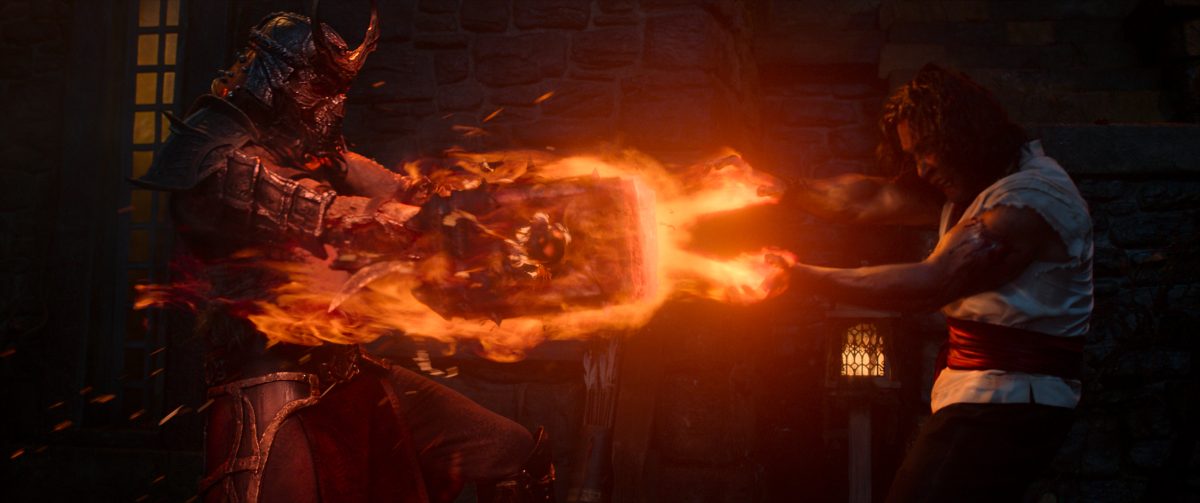
The CGI is noticeably improved from the previous film, with cleaner effects, stronger character designs and a more polished overall look. It helps elevate the scale of the film, particularly when bringing Outworld, Edenia and these iconic environments to life.
At the same time, it’s clear the film is still building. There are several characters fans are waiting to see that haven’t been fully introduced yet, leaving a clear path for future films to expand the roster. The foundation is being set, and this installment feels like a step toward something bigger.
The film does hit a few emotional moments, but nothing too heavy. It plays very much like the games themselves. You’re rooting for the good guys, hoping they win, and the story keeps things moving without slowing down too much. It strikes a solid balance between action and emotion, though there’s still room to push things further, especially in terms of grit and intensity.
Fan Service, Familiar Paths and What’s Missing
This is absolutely a film made for the fans, and you feel that in almost every frame.
From the stage designs to the costumes, the film is packed with Easter eggs, references and recognizable moments pulled straight from the games. It reminds you why Mortal Kombat has had the staying power it does. The environments, the characters and even the way certain moments are staged all feel intentional and built with that legacy in mind.
At the same time, that familiarity does come with a trade-off.
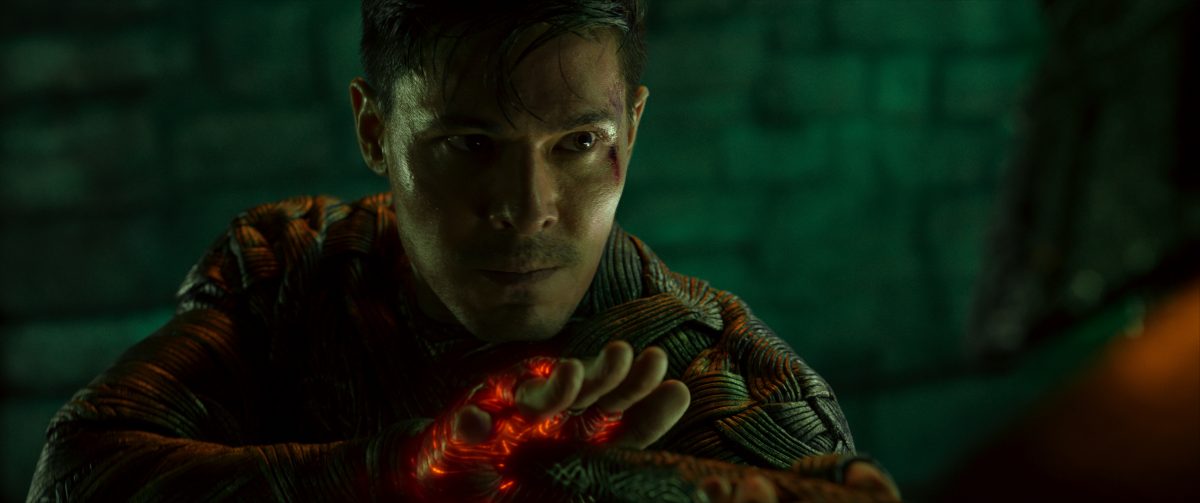
With the way the film was promoted, a lot of the audience already had expectations going in, especially surrounding Lewis Tan as Cole Young. Being an original character created for the 2021 reboot and not part of the actual game lore, there’s already a certain anticipation around his role and his fate. You can feel the crowd leaning into those moments, almost waiting for something to happen, and because of that, some of the storytelling beats feel a bit telegraphed.
Even with that, the film makes a clear effort to step back into more traditional Mortal Kombat storytelling. It leans more into the established characters and lore, which works in its favor overall, even if some of the narrative setup feels predictable at times.
There are also a few changes to character origins and story elements that hardcore fans will definitely notice. They don’t necessarily take away from the experience, but they’re there, and depending on how deep you are into the games, it may stand out more.
Where the film slightly misses the mark is in fully delivering on some of the moments fans are waiting for. Many of the iconic moves, catchphrases and signature character beats are teased or hinted at, but not always executed to their full potential. You find yourself anticipating those big, defining moments, and when they don’t fully land, it leaves you hoping the next film goes all the way with it.
The dialogue also leans heavily into exposition at times, almost as if reintroducing the world for new audiences. It serves its purpose, but for longtime fans, it can feel repetitive and a bit forced.
Fight Design, Crowd Energy and the Missing X-Factor
Where the film really shines is in how it builds and presents its fights.
The way characters are selected, the pacing leading into each matchup and even the camera positioning before the action starts all feel deliberate. There’s a real sense of anticipation in those moments, almost like the game itself when you’re waiting for the fight to begin. That energy translates well on screen and gives the battles a strong presence.
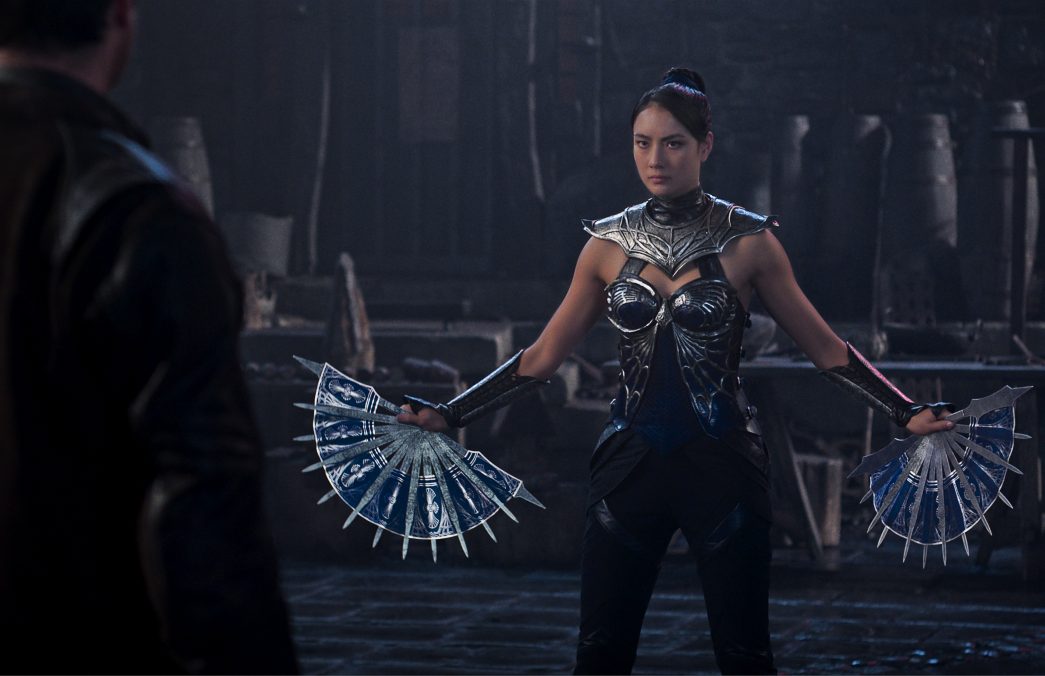
You can also feel the audience engagement in certain moments, especially when it comes to character interactions and outcomes that fans have been speculating about. There’s a natural crowd anticipation built into the film, where people are reacting not just to what’s happening, but to what they think is about to happen.
One thing that continues to stand out about Mortal Kombat as a franchise is its ability to balance brutality with entertainment, and this film leans into that. The gore is there, the violence is there, but it still feels like there was room to push things even further.
And that brings up one of the biggest missed opportunities.
One of the most iconic elements from the games, the X-Ray attacks, is not present here. Known for those bone-crushing, internal damage sequences that show every break and impact in brutal detail, it feels like a natural fit for this version of the franchise. It’s something that would have elevated the fights even more and taken the brutality to another level.
It’s not a deal-breaker, but it’s definitely something you notice, especially as a fan. And it’s one of those features that feels almost inevitable for future installments.
Game Over? Not Even Close
Mortal Kombat II is a clear step in the right direction.
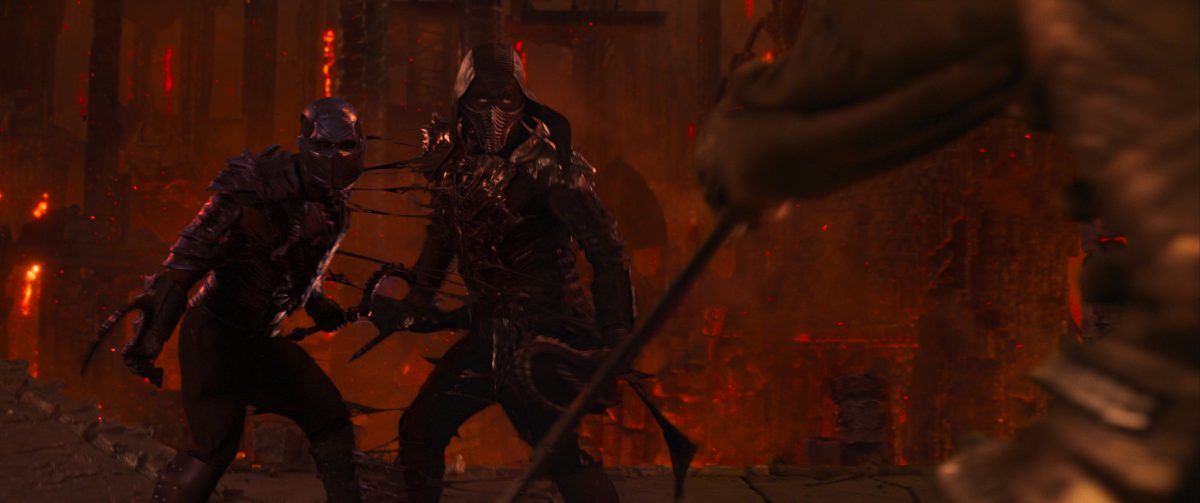
It delivers stronger fights, better character integration and a more confident understanding of what fans want. While it still leaves some things on the table, including deeper character moments, more iconic move payoffs and even more intensity, it sets the stage for what could be a very strong future for the franchise.
This is a film that understands its audience and works to win them back.
Mortal Kombat II hits theaters May 8, 2026.

Editor-in-Chief | Owner
I’m a dedicated aficionado of all things movies, pop culture, and entertainment. With a passion for storytelling and a love for the silver screen, I’m constantly immersed in the world of cinema, exploring new releases, classics, and hidden gems alike. As a fervent advocate for the power of film to inspire, entertain, and provoke thought, I enjoy sharing my insights, reviews, and recommendations with fellow enthusiasts.