



RZA delivers a raw, uncomfortable revenge thriller that fuses grindhouse violence, social commentary, martial arts cinema, and a standout Shameik Moore performance into something impossible to ignore.

One Spoon of Chocolate is not built to go down easy. Written and directed by RZA, the film is violent, angry, stylish, politically charged, and proudly divisive in a way that feels rare for modern genre filmmaking. It pulls from 1970s exploitation cinema, Shaw Brothers martial arts, blaxploitation, southern revenge thrillers, and hip-hop sampling culture, then filters all of that through a story about racism, corruption, violence, and the exploitation of Black bodies.
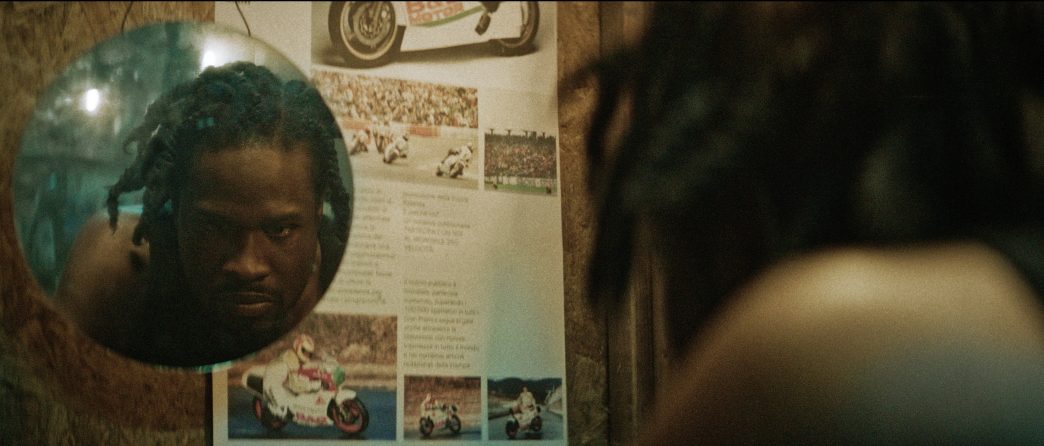
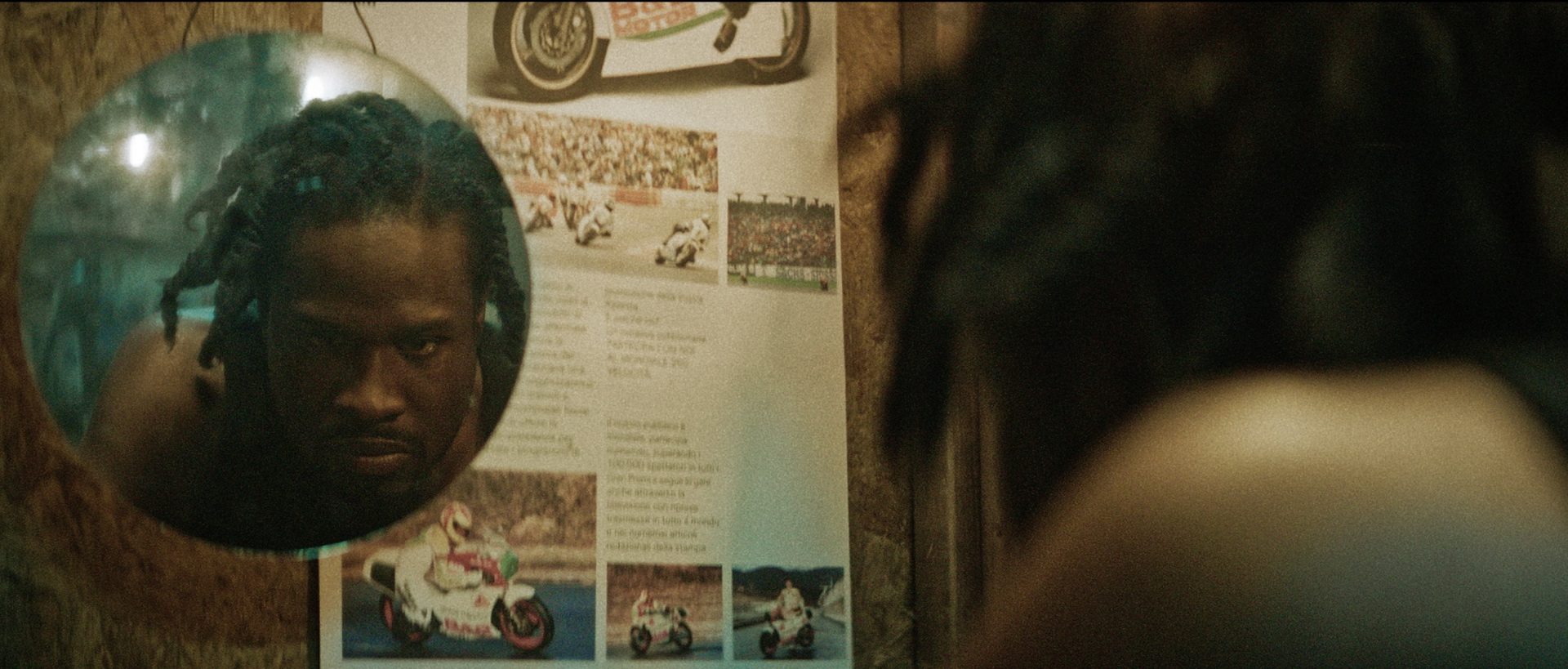
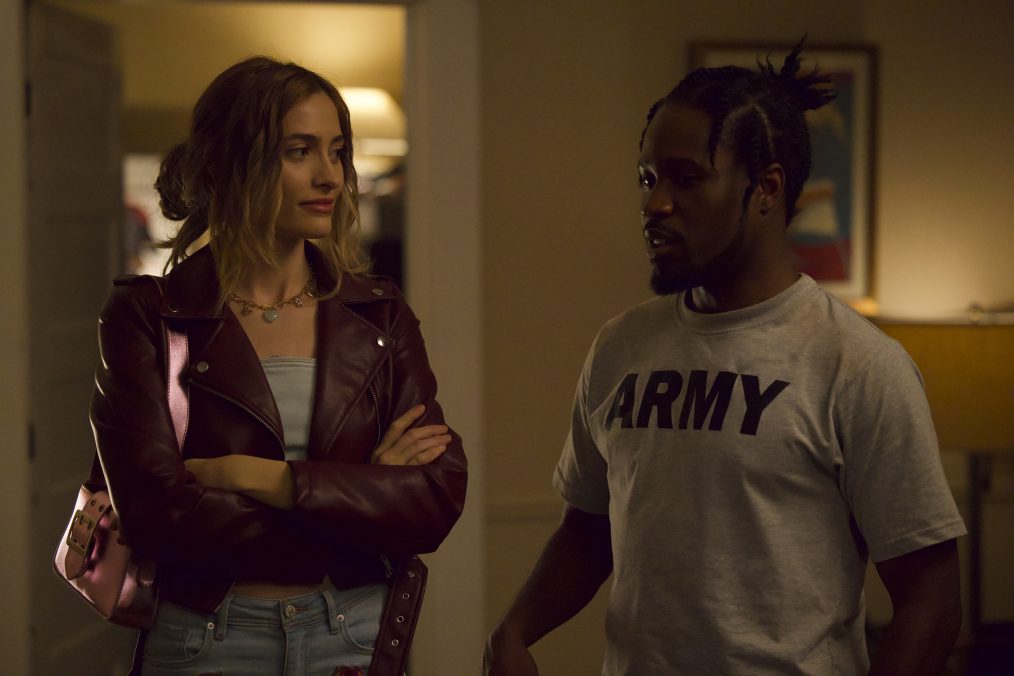
Shameik Moore stars as Randy “Unique” Jackson, a veteran and ex-convict looking for a fresh start in a hostile small town that never truly gives him a chance. What starts as a familiar story about a man trying to mind his business in a place that immediately marks him as an outsider slowly becomes something darker and more disturbing. After an altercation with a gang of locals, Unique begins investigating the disappearance of young men in the area, including his cousin, and the truth leads him into a conspiracy involving a corrupt sheriff’s office, a local doctor, and a gruesome organ-harvesting operation.
That plot point is where the film becomes more than a straightforward revenge thriller. RZA uses the horror of organ harvesting as a blunt but effective metaphor for the commodification, exploitation, and destruction of Black bodies in America. It is not subtle, and it is not trying to be. The film wants you uncomfortable, angry, and fully aware of the ugliness sitting underneath its grindhouse surface.
A Grindhouse Revenge Story With Something Bigger on Its Mind
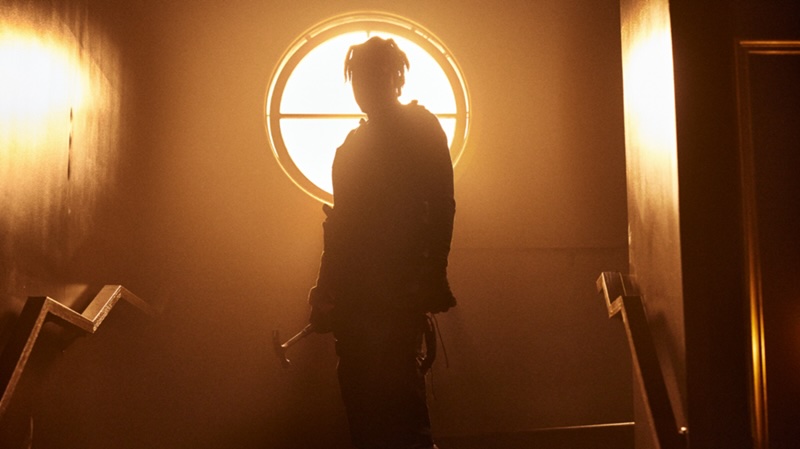
What makes One Spoon of Chocolate work is how intentionally RZA blends exploitation cinema with real social grounding. The film behaves like a 1970s vigilante picture, but it carries a modern rage that gives the violence more purpose. The town of Karensville is exaggerated, hostile, and suffocating, yet the racial tension inside it never feels random. Every stare, every threat, every act of casual cruelty builds toward a larger feeling that Unique is trapped inside a system designed to erase him.
The movie’s structure is intentionally uneven in a way that may divide audiences. The first act moves fast, introducing the danger and the rotten small-town power structure with aggressive style. The middle section slows down, becoming more of a socially conscious character drama as Unique begins to understand what is really happening around him. Then the final act goes completely for broke, turning the film into an ultra-violent revenge blowout that delivers the release the story has been building toward.
That tonal shift will not work for everyone. Some viewers will find the villains too exaggerated or the ending too abrupt, especially after the film spends so much time building its rage. But the rough edges are also part of the movie’s identity. One Spoon of Chocolate is messy in the way many cult films are messy, where the seams show but the vision still hits hard.
RZA turns righteous anger into a brutal, stylish revenge thriller that earns its explosive final act.
Shameik Moore and RJ Cyler Give the Violence Real Weight
Shameik Moore has already proven he can move between genres, but One Spoon of Chocolate makes a strong case for him as a legitimate action lead. Unique is not played as an invincible killing machine. Moore gives him exhaustion, trauma, restraint, and a quiet sense of danger that grows as the film pushes him closer to violence.
That progression matters because the final act only works if you believe everything Unique has been carrying. Moore sells that pain without overplaying it, allowing the rage to build slowly until the movie finally lets him unleash it. By the time the action fully takes over, the audience is not just watching revenge happen. The audience wants it.
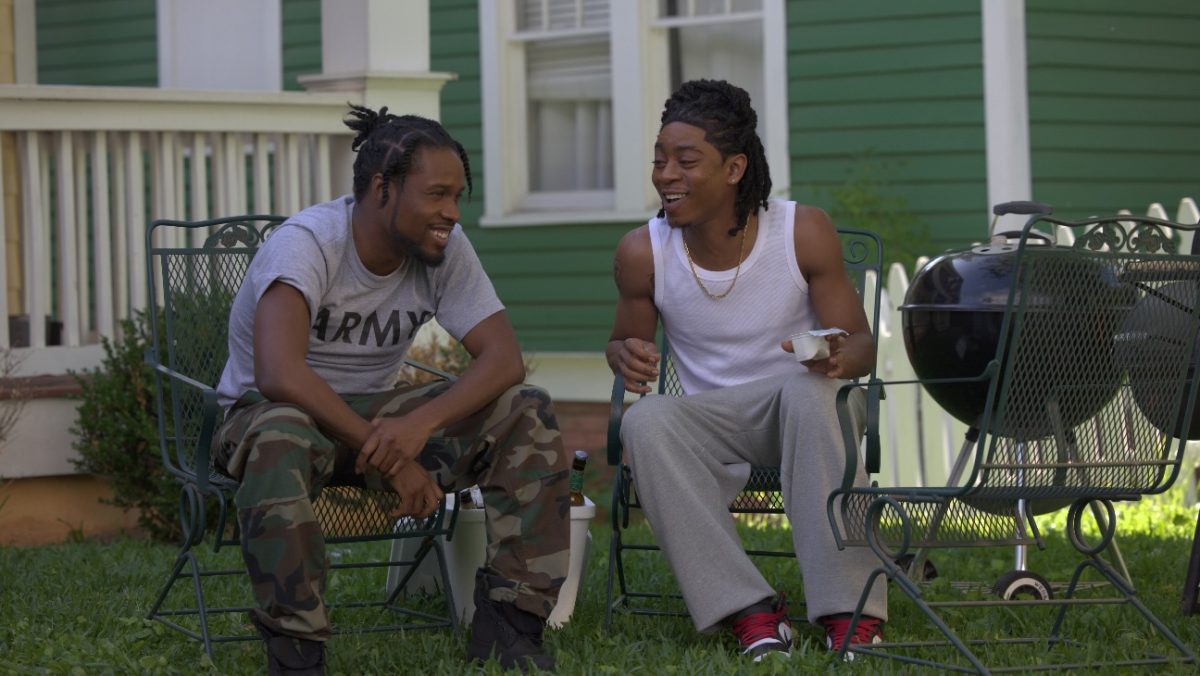
RJ Cyler also brings needed texture to the film, giving the story a stronger emotional base and helping balance the ugliness around Unique. Together, Moore and Cyler keep the movie from becoming only an exercise in style. Their performances add humanity to a film that could have easily disappeared into grindhouse excess.
Shameik Moore proves he can carry any genre, and One Spoon of Chocolate makes him look like an action star ready for more.
RZA Samples Cinema the Way He Samples Music
The most fascinating thing about One Spoon of Chocolate is how clearly it reflects RZA’s artistic language. He directs like a producer building a beat, sampling pieces of cinema history and layering them into a new composition. You can feel the influence of First Blood in the story of a traumatized veteran pushed too far by a corrupt town. You can feel Walking Tall in the vigilante framework. You can feel old Shaw Brothers films in the grounded martial arts revenge arc. You can feel Quentin Tarantino’s grindhouse sensibility hovering around the edges.
But the movie does not feel like a copy-and-paste homage. It feels like RZA taking the movies that shaped him and bending them through his own rhythm. The headlight effects, the sudden shifts in tone, the exaggerated villains, the swordplay, the needle drops, and the vintage texture all feel like cinematic samples being stitched together into one violent mixtape.
That same philosophy carries into the soundtrack. RZA and Tyler Bates create a score that shifts between brutal percussion, tense minimalism, and emotional atmosphere, while the Wu-Tang catalog and solo needle drops give the film another layer of identity. Tracks like “Brooklyn Zoo” carry extra weight because Unique’s name itself honors Ol’ Dirty Bastard, making the music feel personal rather than decorative.
The soundtrack does not just support the movie. It moves like a second bloodstream underneath it.
Brandon Cox’s Cinematography Gives the Film Its Soul
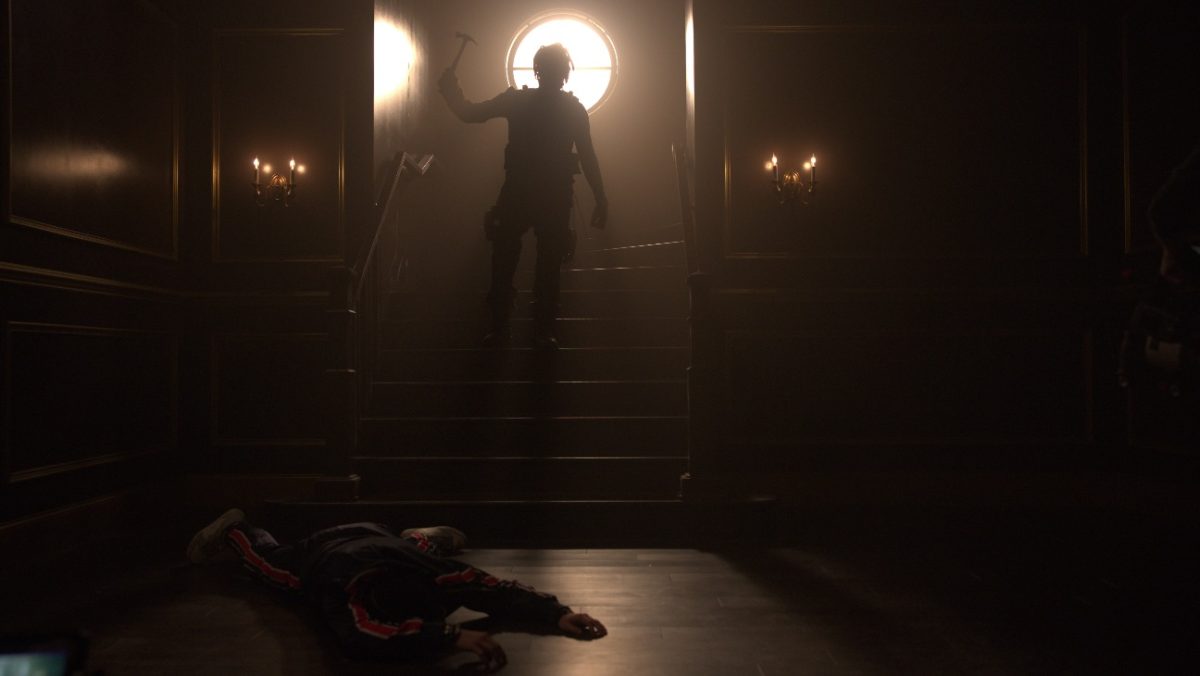
For all the attention the violence and social commentary will receive, Brandon Cox’s cinematography may be the film’s strongest weapon. One Spoon of Chocolate has a gritty, textured look that immediately separates it from cleaner digital action films. The heavy grain, saturated colors, high contrast, vintage anamorphic lenses, and soft retro distortions give the movie the feeling of something pulled from a battered 1970s print and dragged into the present.
The use of Hawk V-Lite Vintage 74 anamorphic lenses gives the frame real personality. Flares bend, colors bleed, and enclosed spaces feel heavier than they should. Even simple locations, like a backyard shed or a small-town street, carry suspense because of how the lighting and framing build pressure around the characters.
The action photography is just as expressive. Instead of treating the camera like a passive observer, RZA and Cox throw it into the violence. The handheld movement during fights gives the combat a rough, immediate quality, and the physical shaking of the lens during impact moments makes the blows feel uglier and more forceful. When the film breaks into black and white during key psychological beats, it adds another layer of visual punctuation rather than feeling like empty style.
Organs, exploitation, and anamorphic lenses are not just pieces of the movie. They are the movie’s language.
The Final Blow
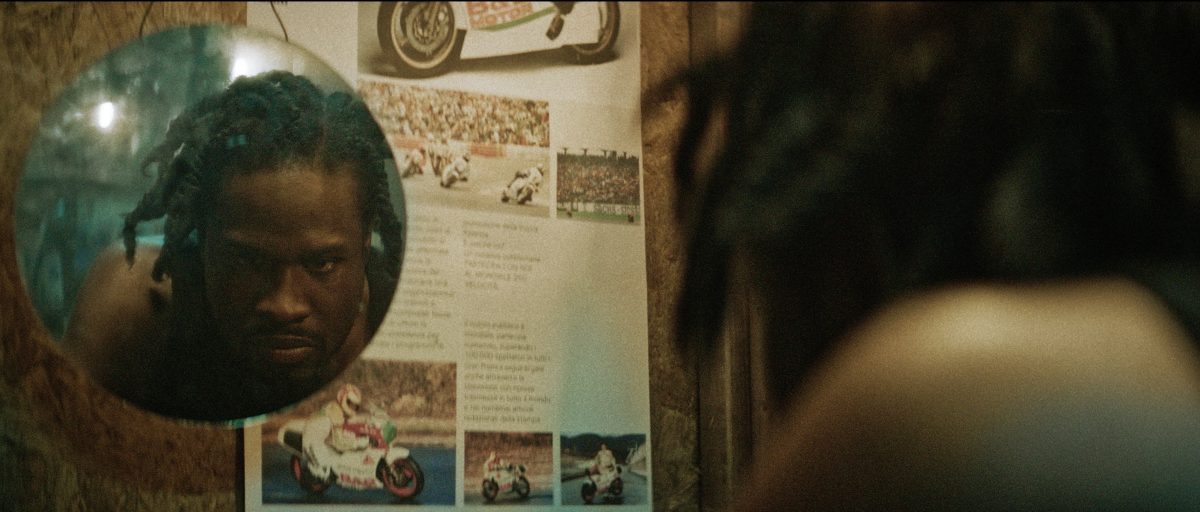
One Spoon of Chocolate will be too rough, too angry, and too extreme for some audiences, but that is also why it feels alive. RZA is not making a safe revenge movie. He is making a confrontational genre film about exploitation, history, violence, and the cost of survival, then dressing it in the visual grammar of grindhouse cinema and martial arts revenge storytelling.
The film does have flaws. The ending could use more room to breathe, the tonal swings are sharp, and the villains sometimes lean so far into cartoonish evil that they risk overwhelming the heavier themes. Still, those imperfections do not erase the force of the filmmaking or the satisfaction of the final act.
As the first release from RZA’s 36 Cinema Distribution banner, One Spoon of Chocolate feels like a statement of purpose. It is raw, bold, visually striking, and unwilling to sand down its edges for broader appeal. In an era where too many genre films feel overly polished and committee-made, this one has personality, anger, and purpose.
One Spoon of Chocolate is divisive by design, but its fearless direction, stunning cinematography, and cathartic revenge payoff make it impossible to dismiss.

Editor-in-Chief | Owner
I’m a dedicated aficionado of all things movies, pop culture, and entertainment. With a passion for storytelling and a love for the silver screen, I’m constantly immersed in the world of cinema, exploring new releases, classics, and hidden gems alike. As a fervent advocate for the power of film to inspire, entertain, and provoke thought, I enjoy sharing my insights, reviews, and recommendations with fellow enthusiasts.