






Splash City is the kind of independent crime drama that feels less interested in polishing the streets and more interested in placing you directly inside them. Directed by Alex Ferrufino and Gilbert Anthony Milam Jr., better known as Berner, the film carries a raw, gritty energy that feels specific to the Bay Area while still speaking to themes that many urban communities will recognize. Whether you call home Splash City, Chocolate City, Charm City, or any other city where survival, loyalty, and street pressure shape young lives, the emotional language is familiar.
The film is not perfect, and it does move through some familiar crime-drama territory. But there is something necessary about a movie that treats local culture as more than a backdrop. Splash City understands that every city has its own rhythm, slang, rules, codes, pain, and pride. That authenticity gives the film its strongest identity.
A City That Feels Lived In

One of the best things about Splash City is how deeply rooted it feels in its environment. The film is not using San Francisco as a postcard location. It is not chasing the usual tourist image of the Bay. Instead, it leans into a more grounded and street-level version of the city, one shaped by local movement, crime culture, music, style, and pressure.
That is where Berner’s presence as co-director, co-writer, and producer feels important. The movie carries a specific cultural eye, and that authenticity matters. There are moments here that do not feel like scenes built from the outside looking in. They feel lived in, chaotic, dangerous, and familiar. The film immerses you in the wildness of what is happening without needing to over-explain every detail.
Some themes may go over viewers’ heads if they are not connected to the culture or familiar with similar environments. But for those who understand that world, the film speaks a recognizable language. It captures how street decisions ripple through families, friendships, neighborhoods, and futures.
Reed Shannon Steps Up

Reed Shannon gives Splash City its emotional center, and he proves he is not afraid to step in as the number one on the call sheet. As Juju, Shannon brings a balance of vulnerability, frustration, and quiet urgency to a story built around brotherhood, pressure, and the desire to make it out before the streets take too much.
There is a strong emotional pull in the dynamic of the brother everyone knows is too close to trouble and the one people hope can get out. That is a story a lot of communities understand deeply. It is not just about crime. It is about potential, fear, loyalty, and the painful reality of watching someone you care about move closer to a life you know may not let them go.
Shannon carries that weight well. He does not overplay Juju’s struggle. He lets the character feel human, conflicted, and reachable, which helps keep the film grounded even when the story moves through familiar genre beats.
Culture as Character

What makes Splash City stand out is not just the plot, but the cultural atmosphere surrounding it. The wardrobe, music, language, neighborhood energy, and Bay Area-specific details all give the film a personality that feels authentic. This is important because stories like this often get flattened into generic urban crime dramas. Splash City avoids that by making the culture feel present in almost every frame.
The film shows how people move, talk, joke, posture, and survive. It understands how environments shape identity. It also understands how pride and danger can exist in the same space. That is where the movie feels most alive.
The soundtrack and visual rhythm help build that energy. There is a music-video-adjacent momentum to parts of the film, but that works for the world it is trying to capture. The sound and style keep the movie moving, and the brisk runtime helps prevent the weaker narrative elements from dragging too long.
Familiar Crime Beats, Strong Local Flavor

The biggest issue with Splash City is that the story itself can feel familiar. The film hits many of the expected beats of a street crime drama: brotherly tension, dangerous crews, bad decisions, loyalty being tested, and tragedy hovering over every choice. None of that makes the movie ineffective, but it does make certain turns easier to predict.
The film could have also benefited from more depth around some of its supporting characters, especially the women in the story. Hazel Green brings presence, but the film’s emotional world is largely built around male street dynamics. Giving the family and community around Juju and Slim more space would have made the stakes hit even harder.
There are also moments where the film’s brand presence can feel noticeable. It does not completely take you out of the movie, especially because the lifestyle and culture being presented are connected to the world of the film, but there are times when the integration is hard to miss.
Still, the authenticity helps cover a lot. Even when the narrative feels familiar, the local texture gives the movie value.
A Necessary Indie Crime Story
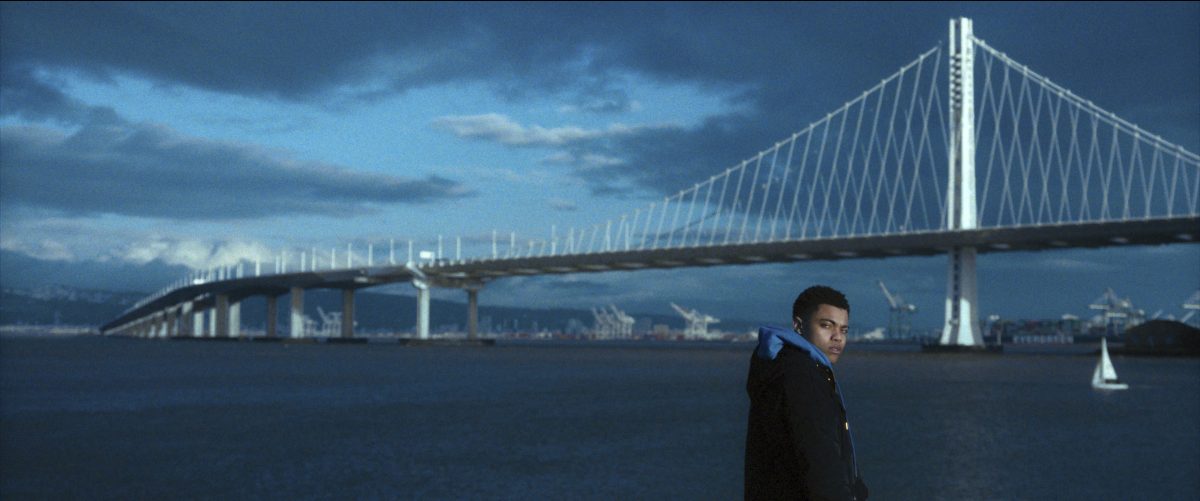
Splash City works best when it trusts its own cultural specificity. The more the film leans into the Bay Area, the brotherhood, the pressure, the music, and the realities of trying to survive in a place that can love you and swallow you at the same time, the more powerful it becomes.
This is not a flawless film, but it feels necessary. Stories from urban communities should not all be forced into the same shape, and Splash City understands that every city has its own story worth telling. The movie may follow some familiar crime-drama patterns, but its local authenticity, raw energy, and Reed Shannon’s grounded lead performance give it a real reason to exist.
For fans of gritty indie thrillers, West Coast crime cinema, Bay Area culture, and character-driven street dramas, Splash City is worth watching. It is raw, imperfect, and authentic in ways that matter.
Reed Shannon Talks Splash City, Bay Area Culture and His First Leading Role

Editor-in-Chief | Owner
I’m a dedicated aficionado of all things movies, pop culture, and entertainment. With a passion for storytelling and a love for the silver screen, I’m constantly immersed in the world of cinema, exploring new releases, classics, and hidden gems alike. As a fervent advocate for the power of film to inspire, entertain, and provoke thought, I enjoy sharing my insights, reviews, and recommendations with fellow enthusiasts.