


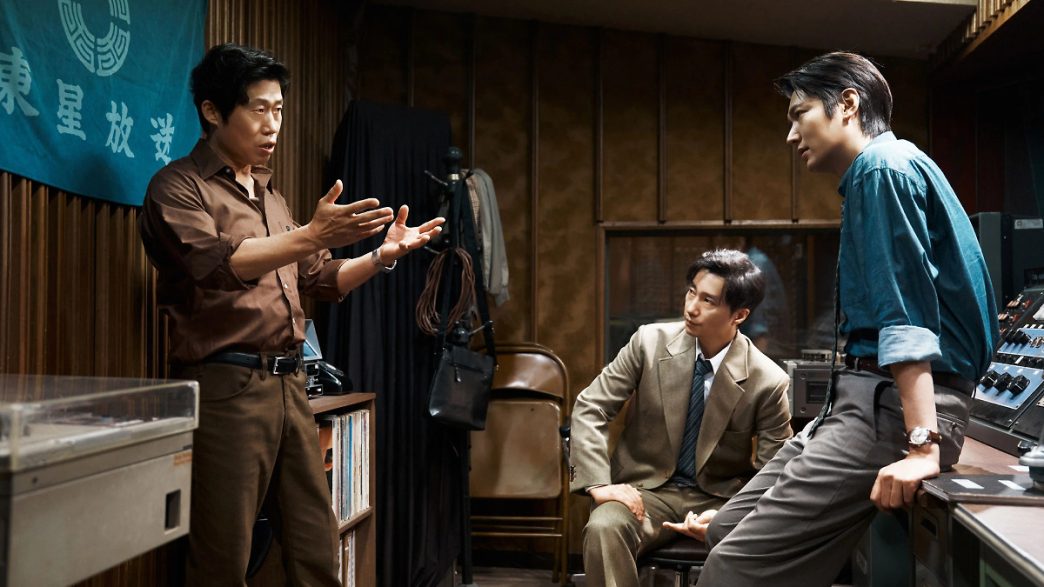

August 15 is Liberation Day in Korea, commemorating the liberation of the Korean Peninsula from Japanese rule in 1945 after 35 years of occupation. It’s a day observed in both North and South Korea. On August 15, 1974, South Korean President Park Chung-hee was delivering a speech at the National Theater of Korea when suddenly, gunshots rang out from the audience. The gunman fired several shots before being subdued by security. President Park managed to evade the gunfire. First Lady Yuk Young-soo wasn’t as lucky. She died later that day. Another victim was a student, Jang Bong-hwa, who was killed amid the gunfire.
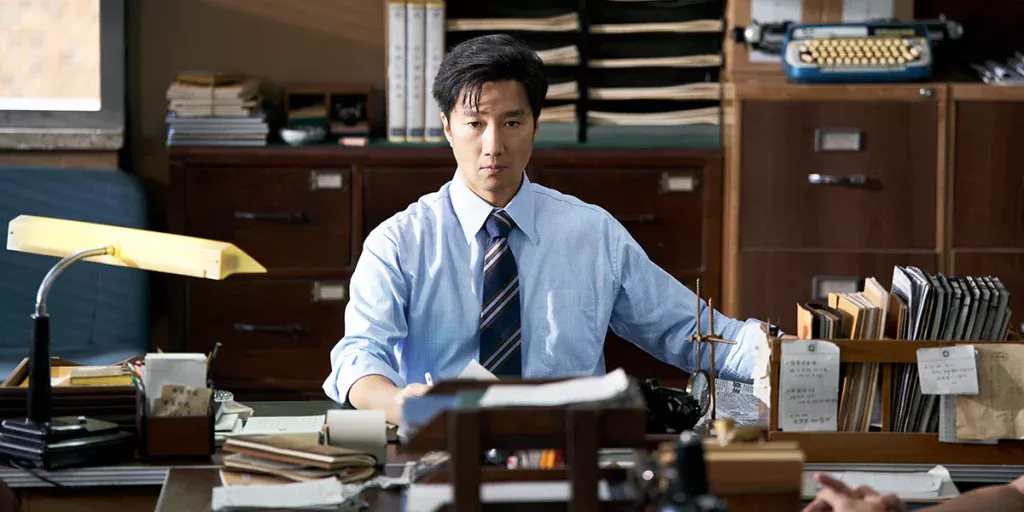
The authorities conducted their investigation. They had the gunman and the weapon, which seemed to make this a pretty open and shut case of a brazen threat to national security. That’s where the official account and the film begin to differ.
A Whodunnit in the Middle of Political Chaos
The title The Assassin(s) suggests that there’s more to the story. In territory familiar to All the President’s Men, the film keeps a brisk pace in catching you up with the political climate of 1970s South Korea while developing the idea that there’s a more traditional whodunnit afoot. The context of the day requires a lot of exposition. At 131 minutes, the film gets off to a slow start if you’re expecting more action. But it’s a necessary exercise when you consider how many moving parts are in play at any moment.
The film opens with text declaring that it is based on true events and that names have been changed for the story. A less than subtle wink to the audience that the film isn’t going to shy away from history you’ve heard about.
We’re dropped into the middle of the political chaos. In a newsroom working under the thumb of censorship, with Korean Central Intelligence Agency agents interfering with the fictional Dongseong Ilbo, journalists walk a tightrope between reporting the facts and drawing the ire of the government.
Then, the unthinkable happens. In the aftermath of the Liberation Day shooting, the movie really shines. The constant finger pointing, scapegoating, and false flags kept me guessing where the film was going next, without slowing down to explain every complexity. The characters are along for the ride with the audience, which is largely thrilling.
An Ending Without Easy Answers
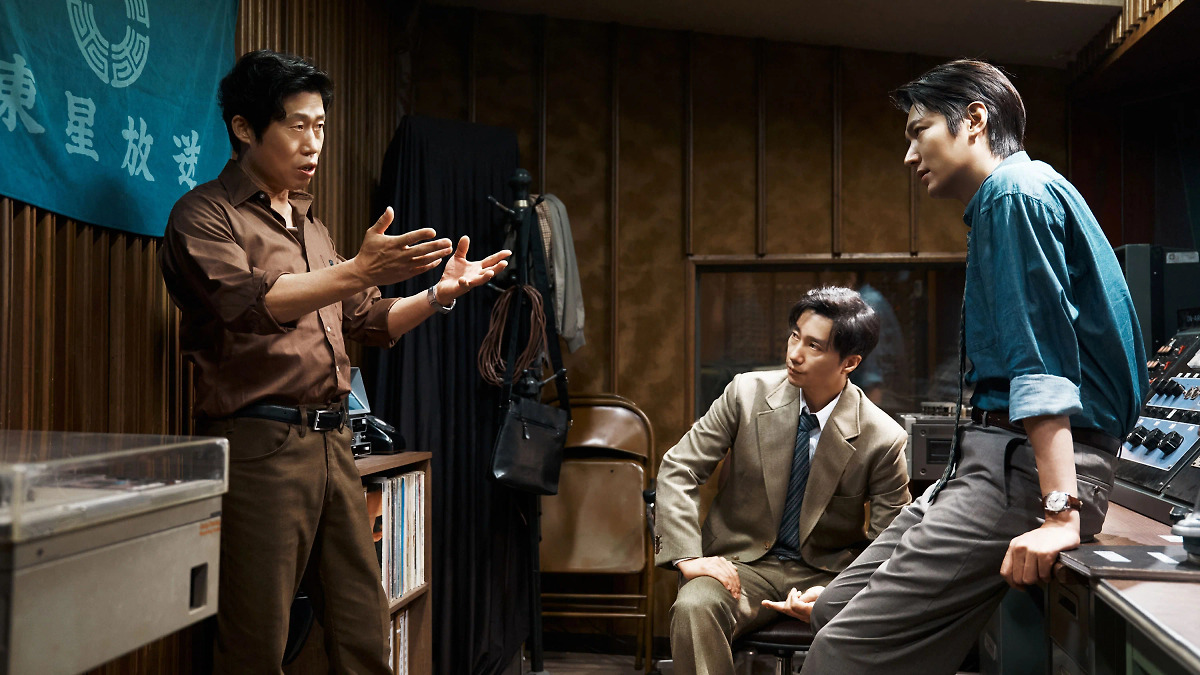
It’s thrilling until the fairly preachy ending about freedom of the press, which brings the film to a pretty abrupt close. The resolution is that there isn’t a true resolution. That could’ve been handled better, though it fuels the conspiracy theories to the very end. While it won’t hold up to similar films like The Post (2017), The Assassin(s) did enough to keep me engaged throughout.

Reporter / Film Critic
I have always loved stories. Whether it’s in books or movies, I’m a sucker for a compelling story. Compared to watching television, seeing movies in a theater has always been a visceral experience. There’s just something about having the full IMAX experience or sharing an unspoken moment of anguish, joy and laughter with complete strangers. Movies have always had a special place in my heart and that’s what brings me back to the theater. As the amount of prequels, sequels and spinoffs increase, I’ve increased my efforts to see more different, and compelling stories. I hope the reviews that follow reflect my efforts to take my moviegoing off the beaten path.
When I’m not in your local theater, I’m probably at a baseball game or wrestling event. Do drop me a line on the Twitter Machine @GiantKrabb