



There are action movies that entertain, and then there are action movies that remind you why practical stunt work remains one of cinema’s greatest art forms. The Furious firmly belongs in the latter category.
Directed by legendary action choreographer and filmmaker Kenji Tanigaki, whose credits include the Rurouni Kenshin franchise and action design work on John Wick: Chapter 4, The Furious is an adrenaline-fueled showcase of world-class martial arts choreography, inventive action filmmaking, and old-school stunt craftsmanship. While its revenge-driven story may sound familiar on paper, the execution elevates the film into something special.
In an era increasingly dominated by CGI-heavy action and digital spectacle, The Furious feels refreshingly tangible. Every punch lands with impact. Every throw feels painful. Every fight sequence is constructed with a level of care and creativity that reminds audiences why practical action cinema remains unmatched when done at the highest level.
A Simple Story Built for Maximum Momentum
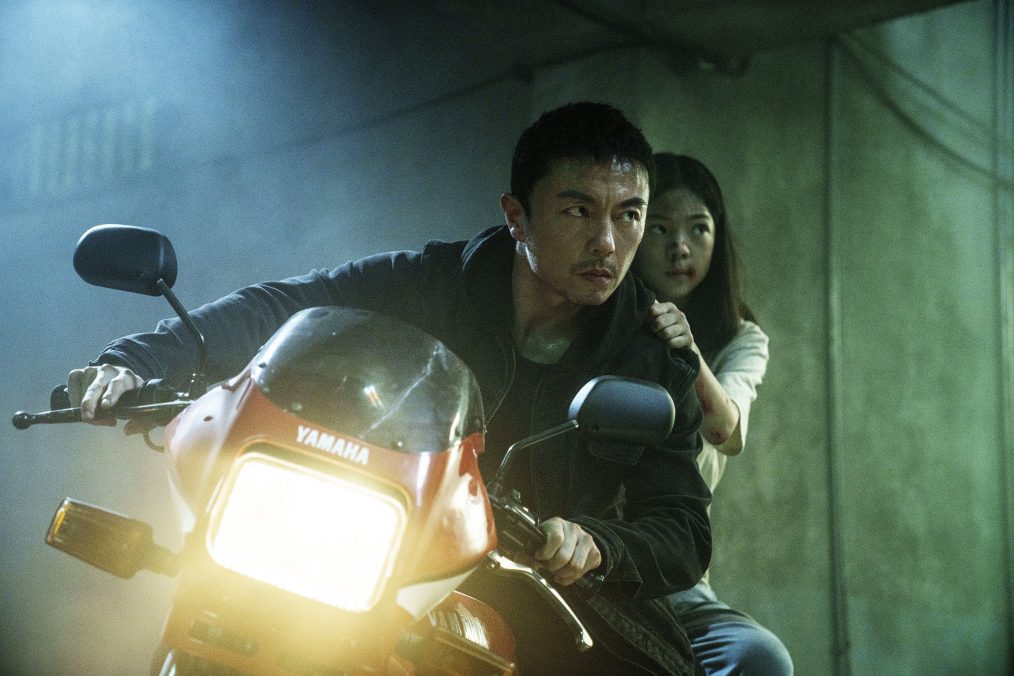
The story follows Wang Wei (Xie Miao), a father whose life is shattered when his daughter is kidnapped by a powerful human trafficking network. When corrupt authorities fail to provide answers, Wei takes matters into his own hands and begins tearing through the criminal underworld in search of her.
His path soon crosses with Navin (Joe Taslim), a relentless journalist investigating the mysterious disappearance of his wife. Realizing they are fighting the same enemy, the two form an uneasy alliance fueled by grief, determination, and a shared desire for justice.
The narrative itself remains intentionally lean. The Furious understands exactly what audiences came to see and wastes little time getting there. Rather than overcomplicating the plot with unnecessary subplots or exposition, the film uses its story as a framework to propel viewers from one incredible set piece to the next. The result feels remarkably similar to a classic arcade beat-’em-up or a video game gauntlet, where each new location introduces a fresh challenge, new enemies, and another opportunity for the filmmakers to raise the stakes.
Xie Miao’s Star-Making Showcase
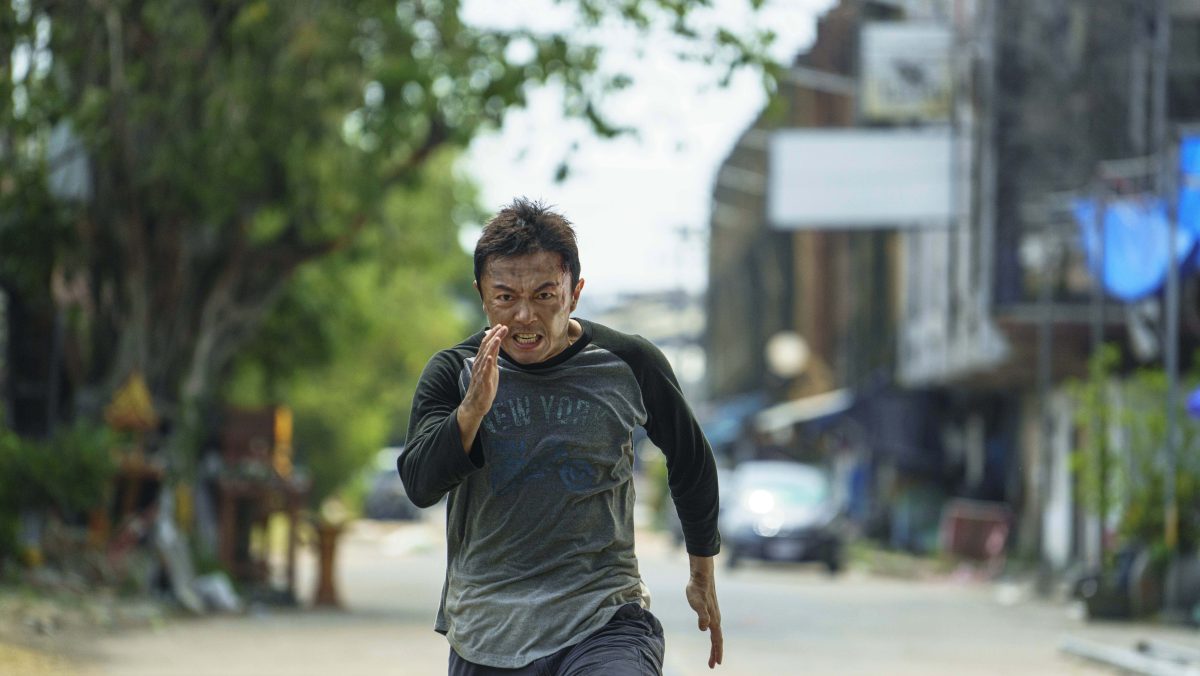
For longtime martial arts fans, one of the film’s greatest pleasures is watching Xie Miao fully embrace leading-man status.
Many viewers first discovered Miao decades ago when he appeared alongside Jet Li as a child actor in classics like The New Legend of Shaolin and My Father Is a Hero. Over the years, he has quietly built an impressive résumé within the Chinese action scene, but The Furious feels like the project that finally places him on a global stage.
Miao carries the emotional core of the story while simultaneously handling some of the film’s most physically demanding action. He brings a quiet intensity to Wang Wei, making him easy to root for even when the film is operating at full-throttle action-movie speed. Whether he is fighting through impossible odds or desperately searching for his daughter, Miao anchors the film with a sincerity that prevents it from becoming just another revenge thriller.
His performance proves that he is no longer simply remembered as the child who worked with Jet Li. He has evolved into a formidable leading man in his own right.
The Dynamic Duo of Xie Miao and Joe Taslim
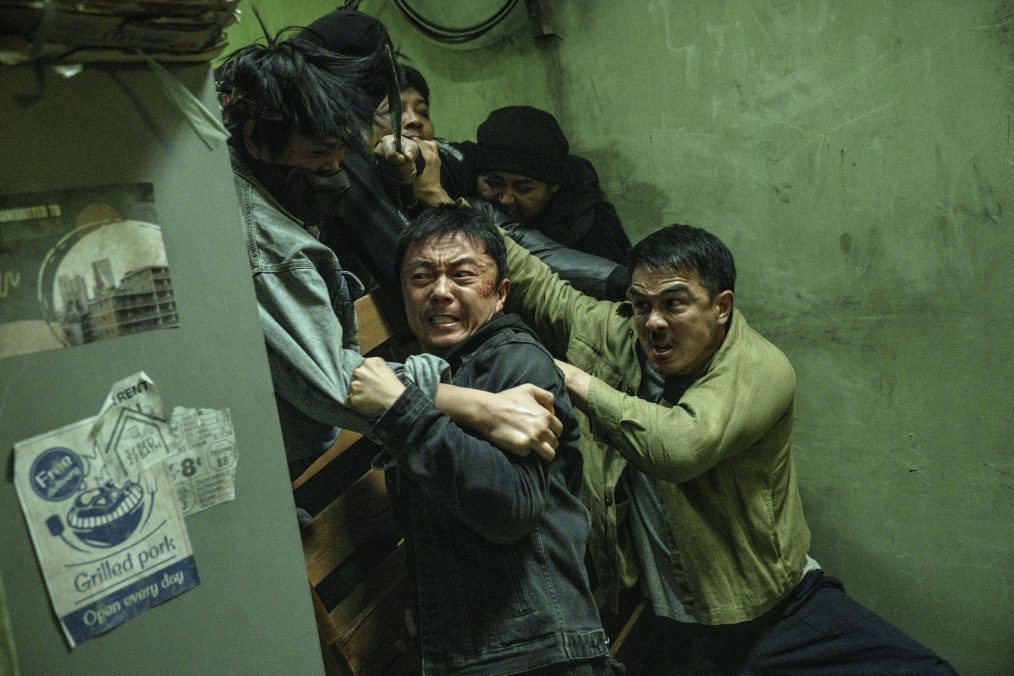
As strong as Miao is individually, the film truly reaches another level once Joe Taslim enters the picture.
One of the smartest creative decisions in The Furious is pairing two action stars with completely different martial arts disciplines and allowing those differences to become part of the choreography. Miao attacks opponents with explosive speed, rapid-fire combinations, and traditional kung fu precision. Taslim approaches combat through devastating judo throws, sweeps, grappling exchanges, and positional control.
The contrast creates a brilliant “fire and ice” dynamic throughout the second act.
Rather than simply fighting side by side, the two actively complement one another’s styles. In several standout encounters, Taslim intercepts attackers with perfectly timed throws and sweeps before launching them directly into range for one of Miao’s punishing combinations. The choreography often feels less like two heroes sharing screen time and more like a carefully coordinated martial arts partnership.
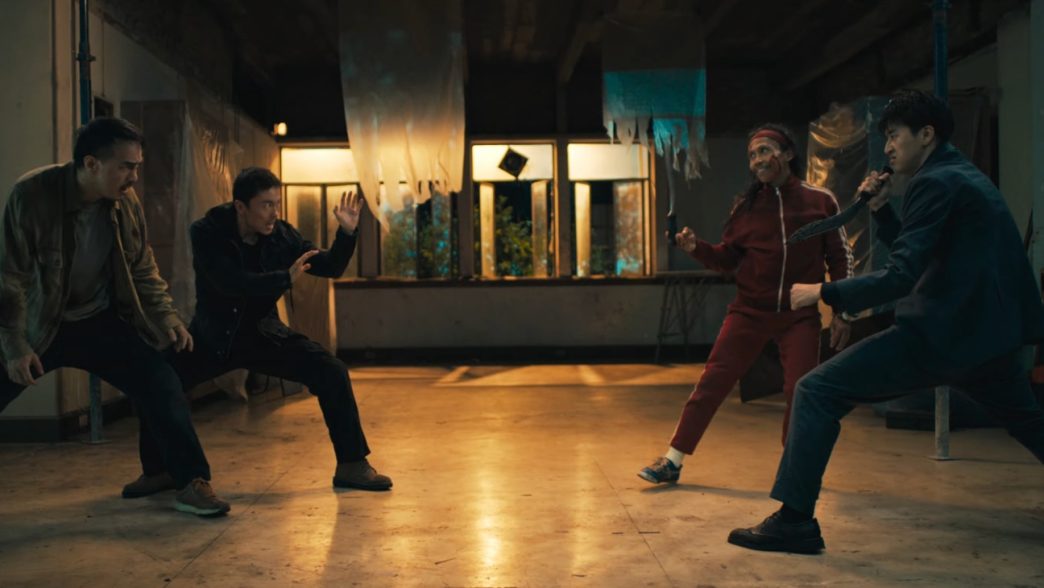
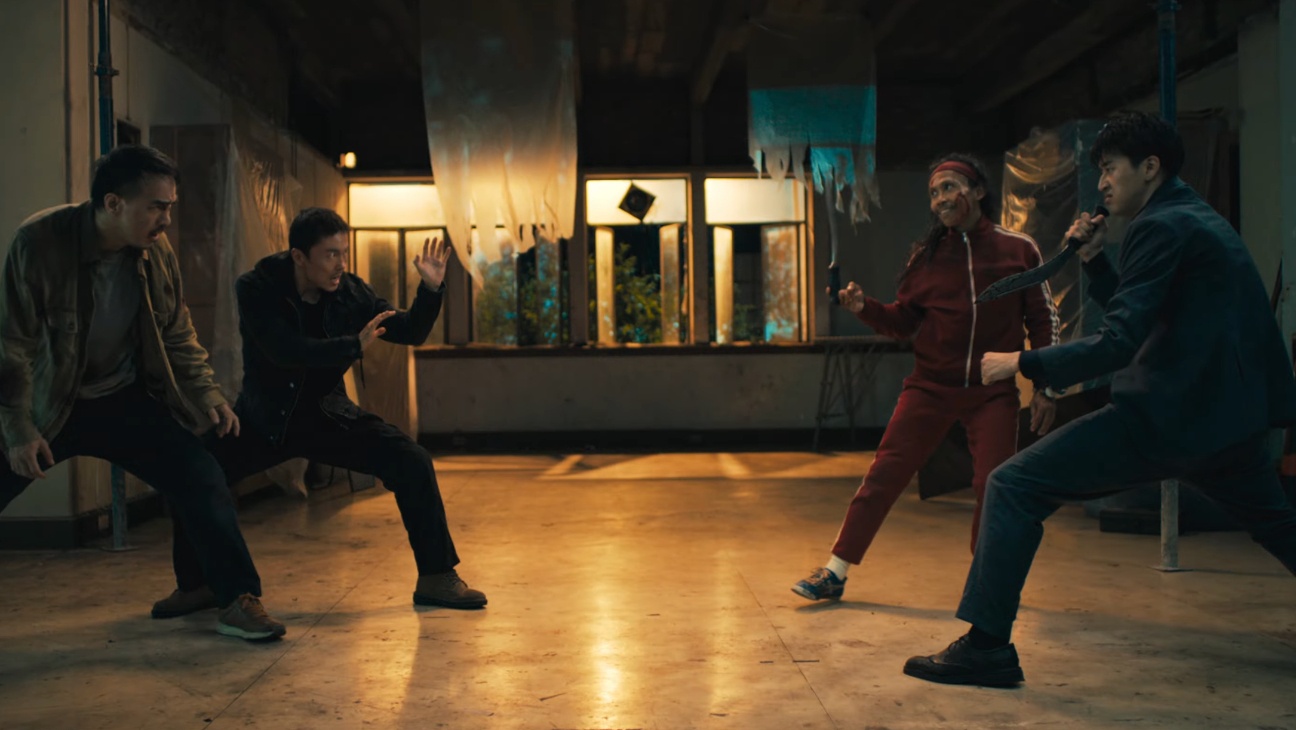
Their chemistry becomes especially apparent during the film’s numerous 2v2 and 2v3 encounters. Unlike many modern action films that rely on rapid editing to create the illusion of complexity, Tanigaki frequently allows the camera to hold wider frames long enough for viewers to appreciate the timing, positioning, and athleticism required to execute these sequences. You can actually see the performers doing the work, which makes the action far more impressive.
Every Fight Feels Distinct
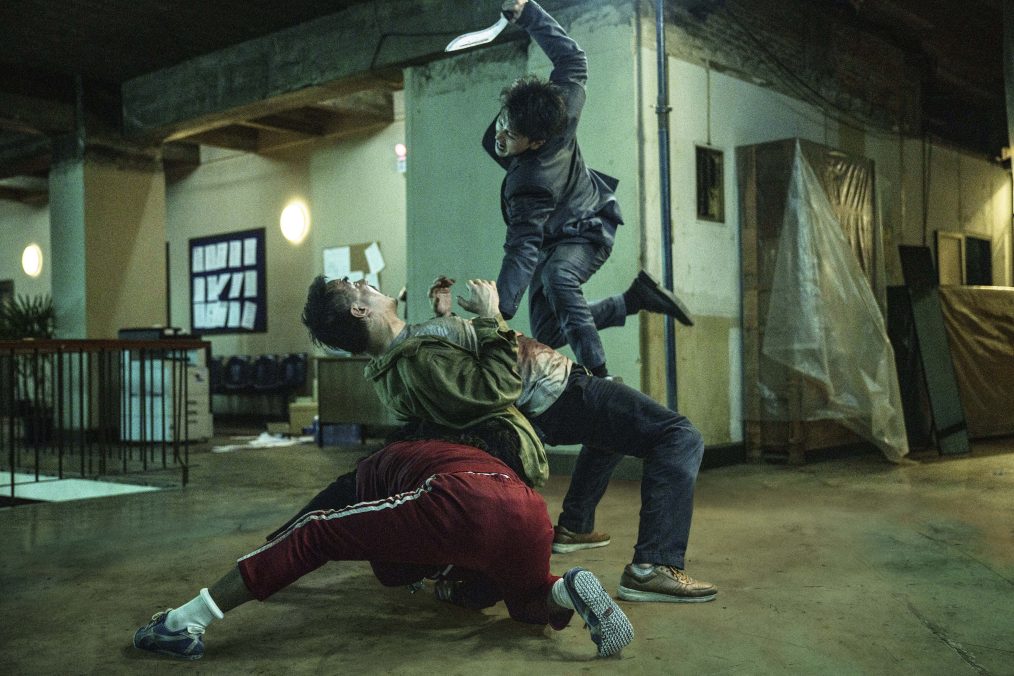
Another area where The Furious excels is its commitment to variety.
Too often, action movies begin to blur together because every fight feels identical. That is never a problem here. Every major combatant brings a unique fighting style and personality to the screen, creating encounters that constantly evolve and surprise.
Joey Iwanaga becomes a human kicking machine, using distance and timing to frustrate opponents. Brian Le nearly steals the film as an unstoppable powerhouse whose combination of brute force and athleticism makes him a constant threat. Yayan Ruhian brings the same dangerous unpredictability that made him such a memorable presence in The Raid, utilizing weapons and close-quarters combat with frightening efficiency.
Because every fighter operates differently, each confrontation develops its own rhythm and identity. The film never falls into repetition, constantly finding new ways to challenge its heroes and keep audiences engaged.
Kenji Tanigaki’s Action Direction Is Elite
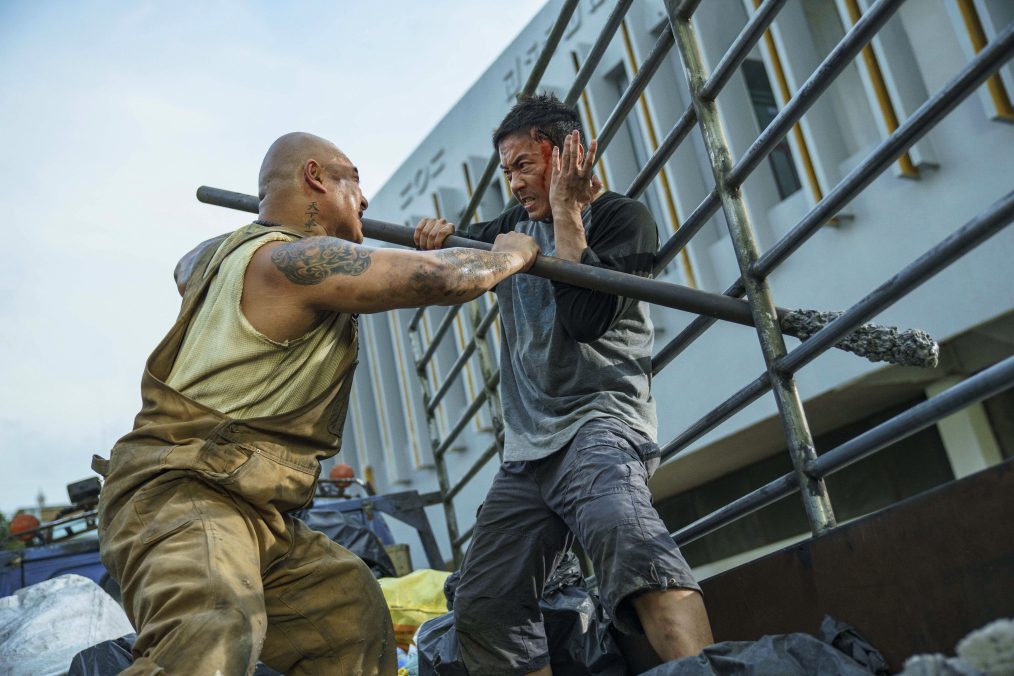
What truly separates The Furious from many action films is the confidence of its direction.
Tanigaki understands that great action is about more than simply showing people fight. Geography matters. Rhythm matters. Environment matters. Every action sequence is carefully constructed to maximize those elements.
The film transforms locations into active participants in the choreography. Underground fight clubs, apartment hallways, moving vehicles, industrial facilities, and frozen warehouses all become playgrounds for the action team. Characters interact with their surroundings in meaningful ways rather than simply punching each other in empty spaces.
Tanigaki also demonstrates a remarkable understanding of pacing. The fights are not just endless waves of chaos. They breathe. Moments of explosive violence are followed by brief pauses that allow tension to build before the action erupts once again. This rhythm prevents action fatigue and keeps every sequence feeling fresh.
Most importantly, the film delivers the kind of visceral action that makes audiences react physically. You wince at the impacts. You cheer at the counters. You marvel at the stunt work. It is the kind of filmmaking that reminds viewers why practical martial arts cinema remains so beloved.
A Third Act That Belongs Among the Genre’s Best
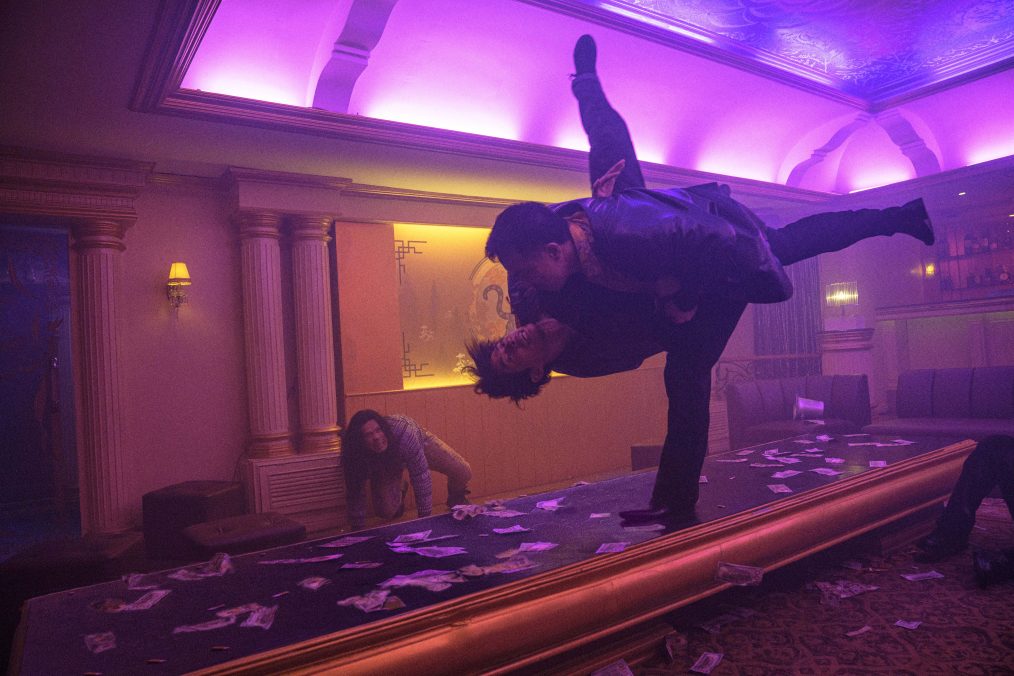
By the time the film reaches its climactic showdown, audiences have already been treated to several outstanding action sequences. Somehow, Tanigaki and his team still manage to raise the bar.
The final act becomes an escalating showcase of choreography, stunt work, athleticism, creativity, and visceral action that feels almost impossible to believe was captured on film. Every strike carries weight. Every throw feels dangerous. Every movement contributes to an increasingly chaotic yet perfectly controlled spectacle.
What makes the finale so remarkable is its structure. Rather than building toward a traditional hero-versus-villain confrontation, The Furious orchestrates a sprawling five-way battle that brings together multiple martial arts disciplines simultaneously. Xie Miao’s precision striking, Joe Taslim’s grappling expertise, Joey Iwanaga’s devastating kicks, Brian Le’s powerhouse brawling, and Yayan Ruhian’s weapon-based combat collide in a constantly shifting battlefield.
The fight never settles into a predictable pattern. Characters separate, reunite, change opponents, lose weapons, recover weapons, and adapt on the fly. What begins as a straightforward confrontation evolves into an elaborate showcase of controlled chaos.
To help maintain clarity, Tanigaki even employs comic-book-inspired split-screen techniques that allow viewers to track multiple confrontations without losing sight of the geography. It is an ambitious creative choice that pays off beautifully.
The finale evokes memories of the great ensemble action climaxes from classic Hong Kong cinema while still feeling entirely modern in its execution.
The Furious delivers some of the most inventive, visceral, and exhilarating martial arts action seen on screen in years.
Why This Film Matters

Beyond its entertainment value, The Furious arrives at an important moment for the genre.
Modern audiences have become increasingly accustomed to digital action sequences, computer-generated spectacle, and heavily edited fight scenes that often obscure the performers doing the work. The Furious serves as a reminder of what makes practical action cinema so powerful.
Every movement feels earned.
Every stunt feels dangerous.
Every performer feels fully invested in the physical demands of the role.
The result is a theatrical experience that computers simply cannot replicate.
The Verdict
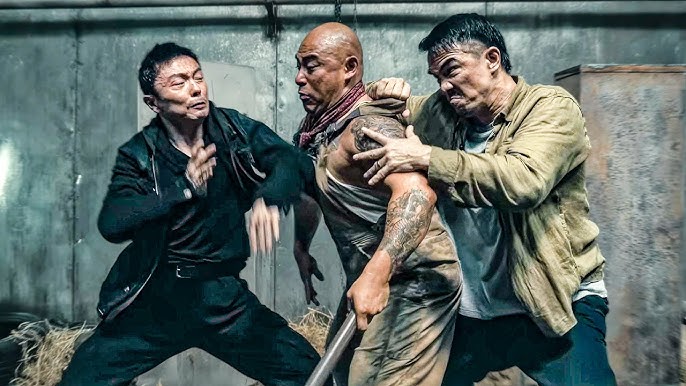
The Furious may utilize a familiar revenge framework, but its execution places it among the strongest martial arts action films of recent years. Kenji Tanigaki directs with precision and confidence, Xie Miao delivers a career-defining leading performance, and Joe Taslim proves once again why he remains one of the genre’s most reliable stars.
Combined with exceptional stunt work, inventive choreography, memorable villains, and a finale that deserves to be discussed alongside the best action sequences of the decade, The Furious is a thrilling reminder of what martial arts cinema can still achieve at the highest level.
For action fans, this isn’t simply recommended viewing.
It’s required viewing.
The Furious Interview | Xie Miao, Joe Taslim, Brian Le, Bill Kong & Kenji Tanigaki

Editor-in-Chief | Owner
I’m a dedicated aficionado of all things movies, pop culture, and entertainment. With a passion for storytelling and a love for the silver screen, I’m constantly immersed in the world of cinema, exploring new releases, classics, and hidden gems alike. As a fervent advocate for the power of film to inspire, entertain, and provoke thought, I enjoy sharing my insights, reviews, and recommendations with fellow enthusiasts.