


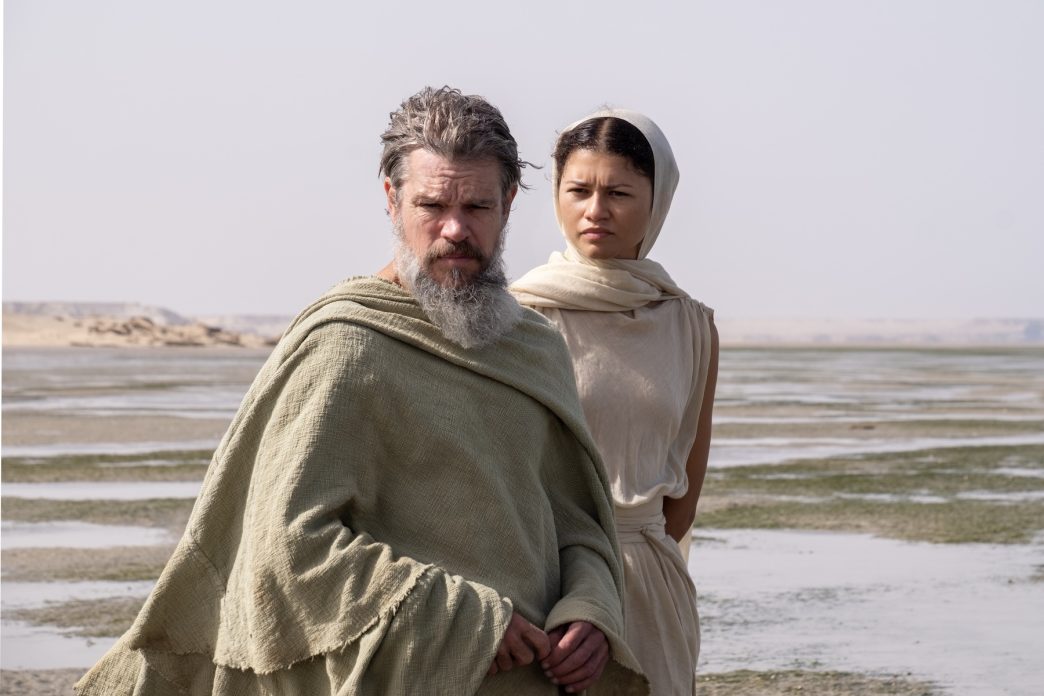

Christopher Nolan’s The Odyssey is exactly the kind of film that demands to be discussed as one of the biggest cinematic events of the year. It is massive in scale, loaded with one of the most impressive casts assembled for a modern blockbuster, and shot with the kind of technical ambition that only a handful of filmmakers would even attempt. As the first feature film shot entirely with IMAX Film Cameras, it is clearly designed to be experienced on the largest screen possible.
That is also what makes the film slightly frustrating. On a technical level, The Odyssey is operating at an elite level. The craft is undeniable, the production scale is staggering, and Ludwig Göransson’s score may be the film’s greatest achievement. Yet as a full emotional and narrative experience, the film never completely swept me away. It is not bad by any means. It is grand, skillful, and often impressive. But for a nearly three-hour mythic epic from Christopher Nolan, I left respecting it more than I loved it.
A Long Journey Home
At its core, The Odyssey is a story about home. Not simply as a location, but as an idea, a memory, a responsibility, and a spiritual destination. Matt Damon’s Odysseus is not just trying to return to Ithaca. He is trying to reclaim the life, identity, and family that war has nearly stripped away from him.
That theme is where Nolan’s adaptation is strongest. The film finds real poetry in the irony of Odysseus desperately trying to return to his own home while repeatedly entering the homes and domains of others, only to be met with danger, hostility, temptation, or disaster. Whether he is stepping into the space of a monster, a witch, a goddess, or a rival power, every detour reinforces the same idea: home is not something easily recovered once violence, pride, and time have changed you.
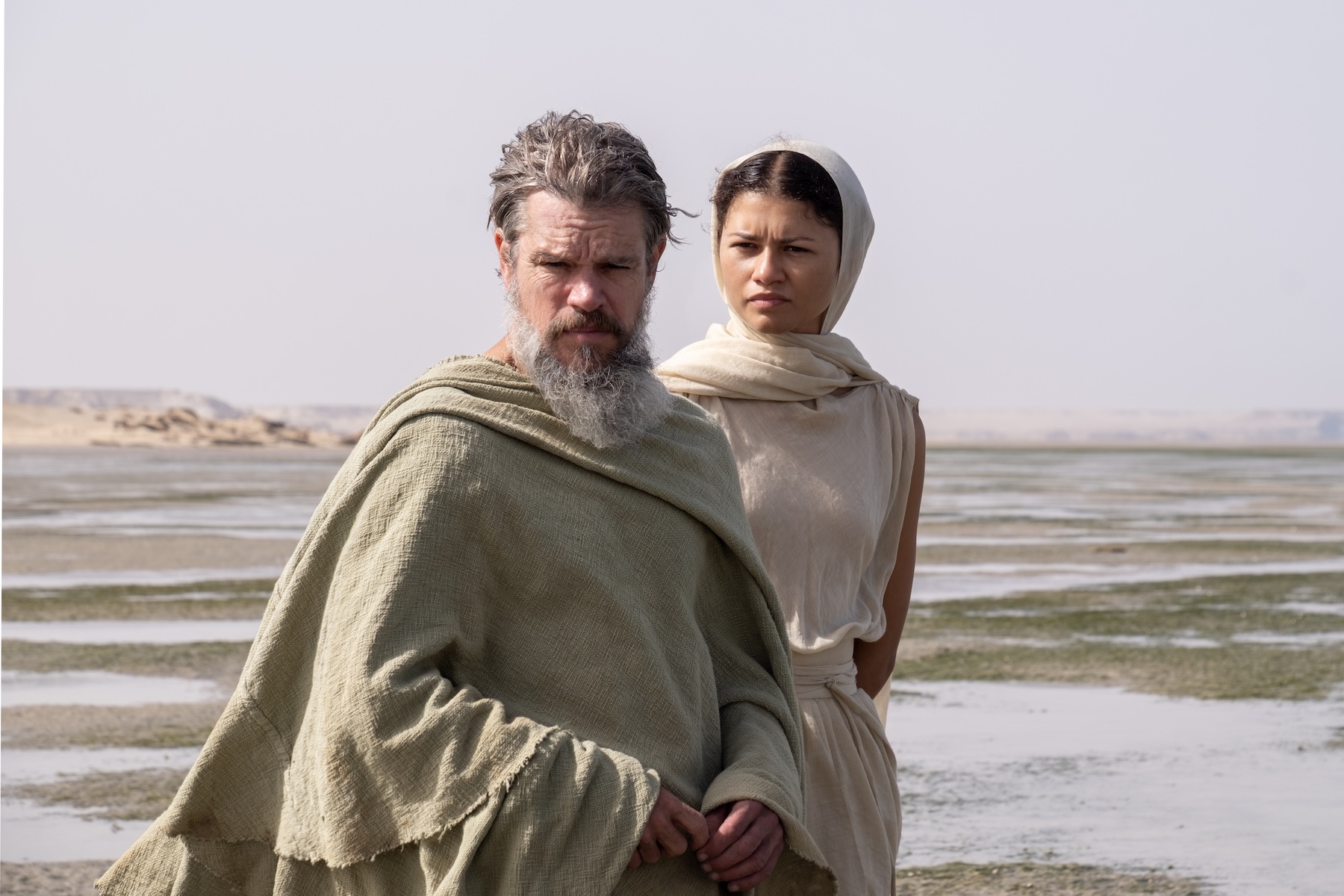
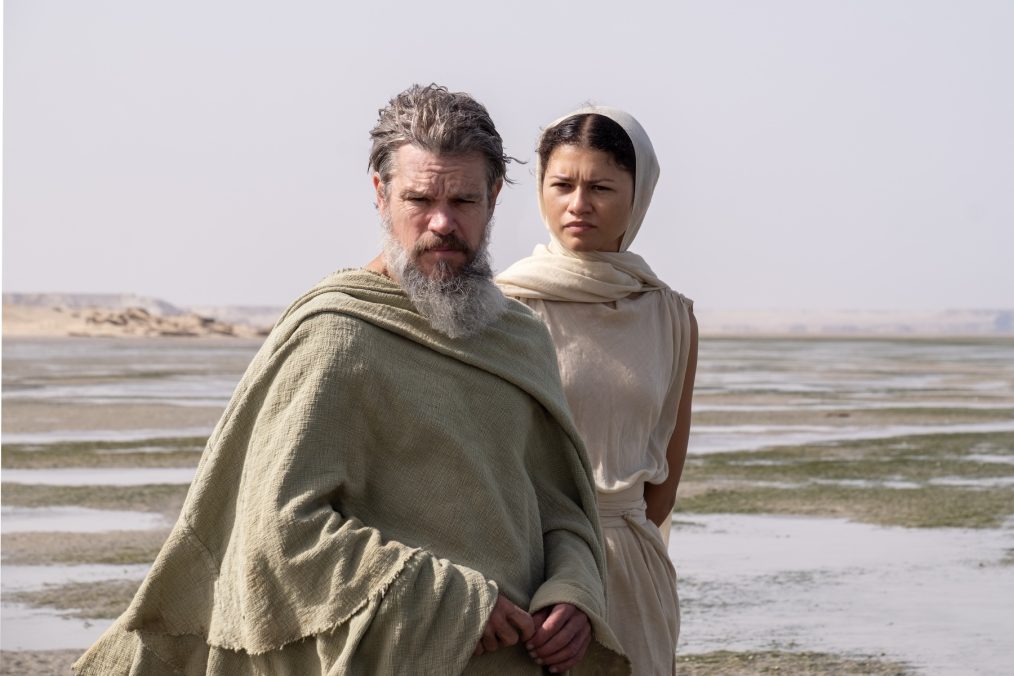
Damon is strong in the role, carrying Odysseus with exhaustion, grief, cunning, and stubborn resolve. This is not a heroic figure presented as spotless or untouchable. He is weary, flawed, brilliant, and haunted. Damon gives the film its human center, and when the movie slows down long enough to sit with his longing, regret, and need to return to Penelope and Telemachus, it finds its most meaningful emotional current.
Nolan’s IMAX Mythmaking Is No Small Feat
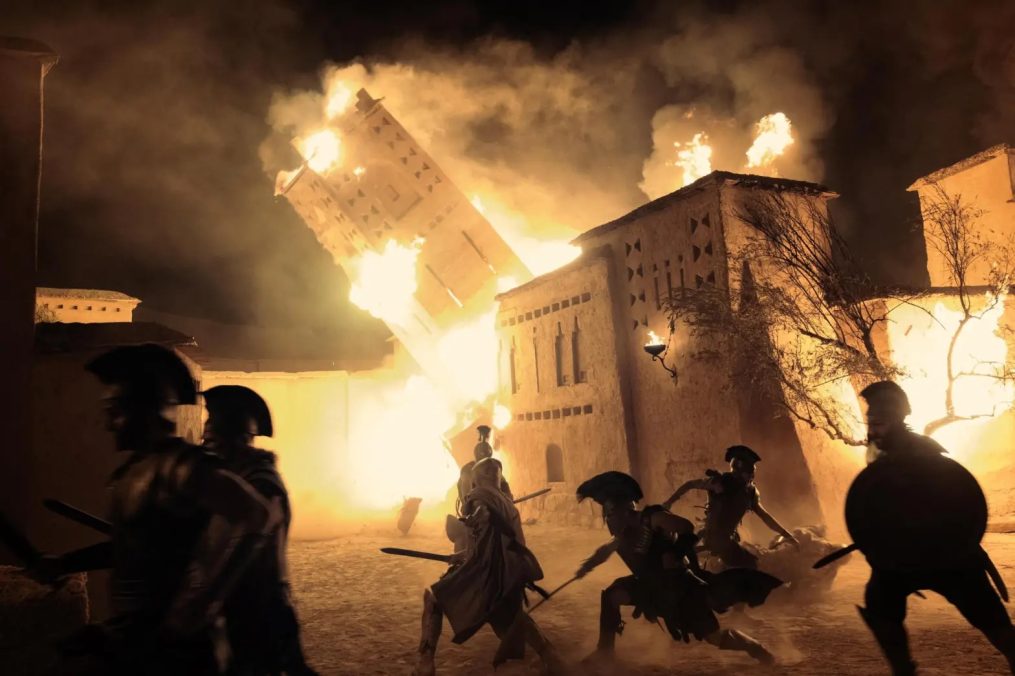
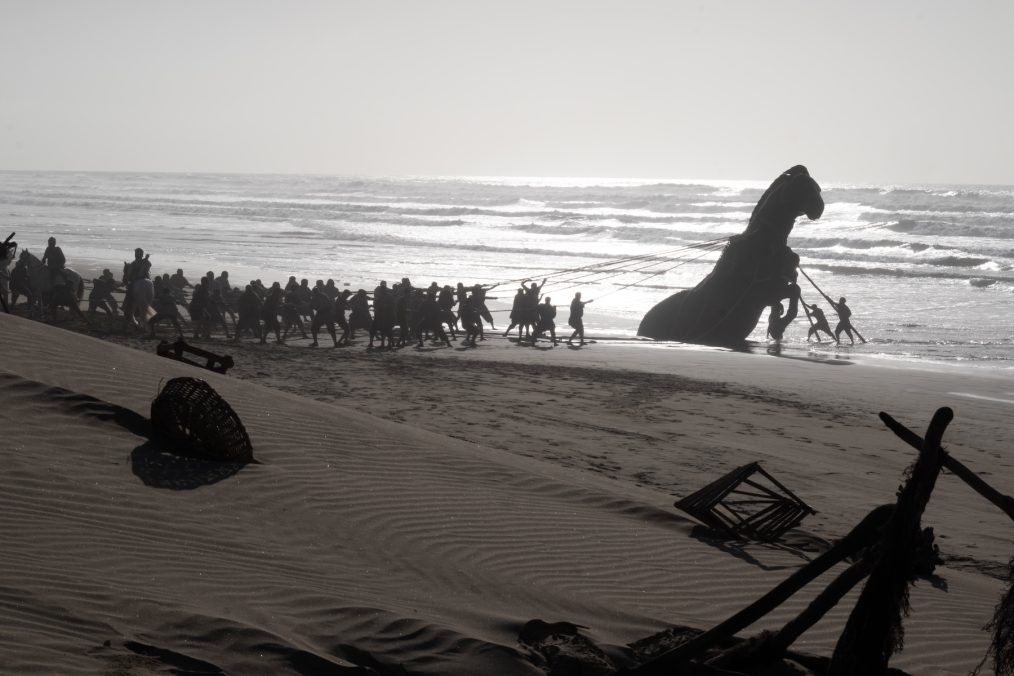
There is no denying the scale of what Nolan and cinematographer Hoyte van Hoytema accomplish visually. The film moves across water, desert, night, fire, caves, storms, and harsh open landscapes with a physicality that feels increasingly rare in modern blockbuster filmmaking. You can feel the effort behind the production, the real locations, the weight of the ships, the bodies in motion, and the scale of the world being built around Odysseus.
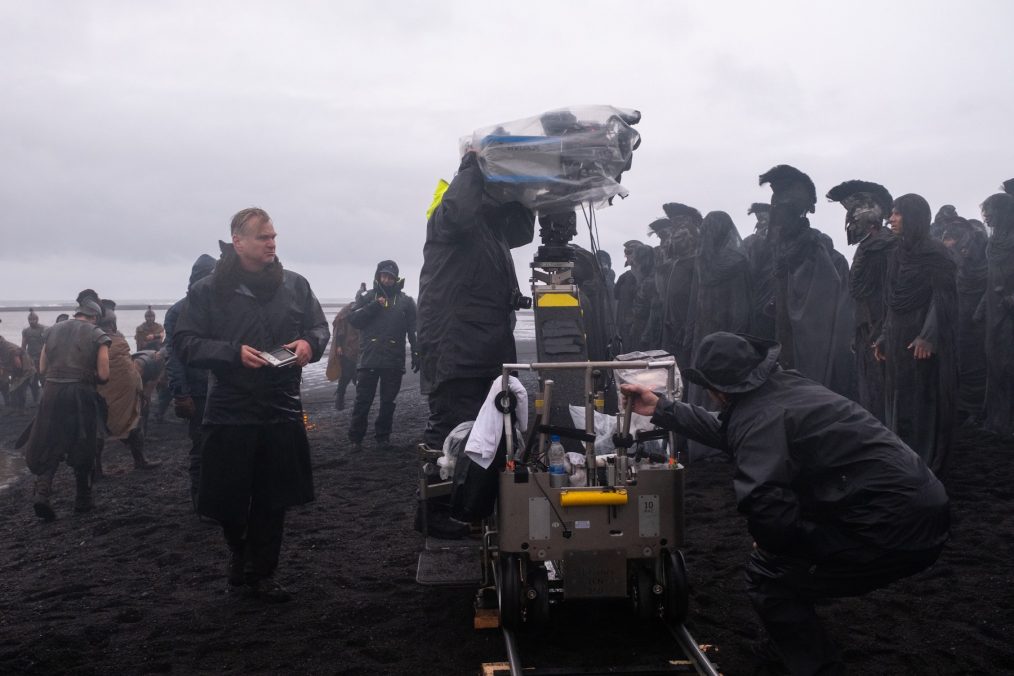
That commitment gives The Odyssey a tactile quality that helps separate it from more digitally polished mythological films. Nolan is at his best when he grounds the impossible in something physical, and several of the film’s mythic encounters benefit from that approach. There is also an unexpected horror edge to parts of the journey, especially when the story leans into creatures, divine punishment, and the unsettling nature of ancient myth. The film is stranger and darker than some may expect, and those moments give it a different texture within Nolan’s filmography.
Still, spectacle alone is not the same thing as awe. The Odyssey is filled with expensive, beautifully composed imagery, but it lacks the kind of singular, unforgettable sequence Nolan has delivered in his best work. There is no folding-city moment like Inception, no docking sequence like Interstellar, no breathless silence like the Trinity test in Oppenheimer. The film is visually impressive throughout, but it rarely produces that one-of-a-kind feeling that makes you want to immediately replay a scene in your head.
The Score Is the Film’s Strongest Weapon
Ludwig Göransson’s work is the best part of the film. His score gives The Odyssey the pulse and force it sometimes lacks on the page, blending ancient musical textures with a modern cinematic drive that makes the story feel both old and newly alive. Ludwig Göransson’s score is the film’s most powerful weapon, giving Nolan’s mythic world the pulse, sorrow, and thunder the story needs.
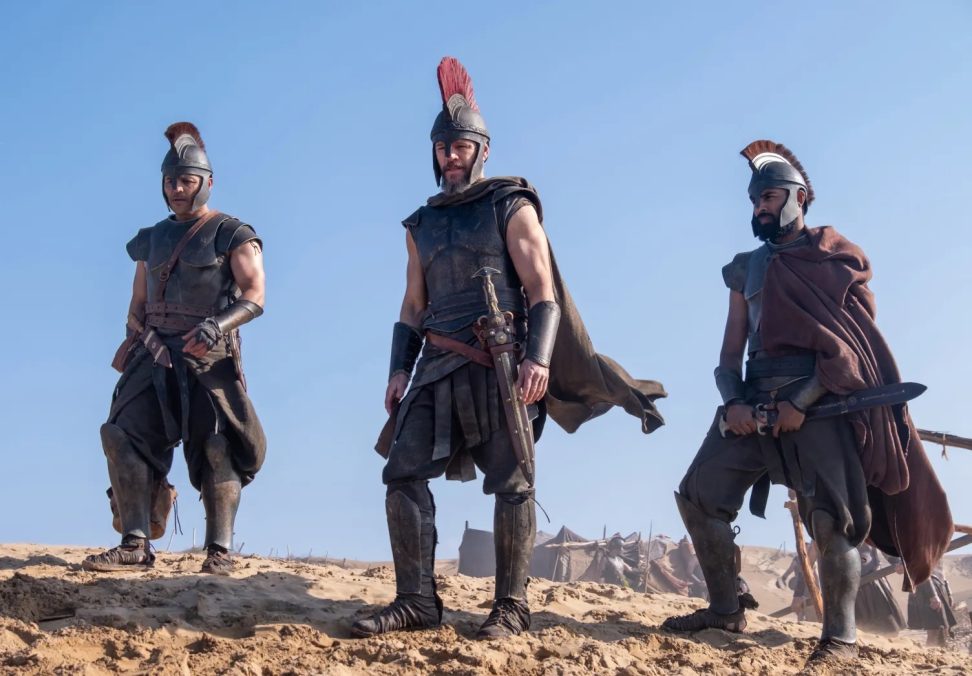
What makes the music so effective is how much it carries emotionally. When the pacing stalls or the narrative becomes too straightforward, the score keeps the film breathing. It gives Odysseus’ journey shape, danger, sadness, and scale. Göransson has already proven himself across multiple genres, but The Odyssey is another reminder of how adaptable and commanding his work can be.
The script also has more humor than expected, though not in a forced, modern blockbuster way. The banter is sharp, dry, and often rooted in character rather than obvious joke delivery. That helps the film avoid becoming a stiff museum-piece adaptation of ancient literature. These characters feel alive when they are sparring verbally, pushing back at each other, or using wit to survive moments of danger and uncertainty.
A Cast Almost Too Stacked for Its Own Good
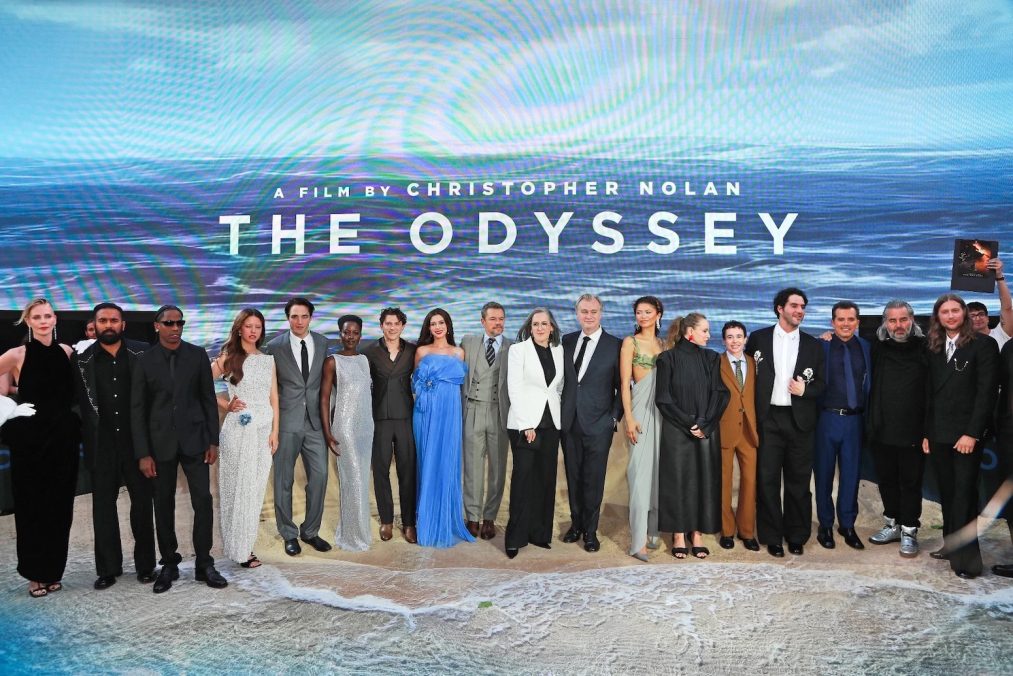
The ensemble is both one of the film’s greatest strengths and one of its biggest problems. Damon anchors the film well, but some of the most exciting moments come when these actors are physically in the same space, exchanging looks, tension, and dialogue. Anne Hathaway is excellent as Penelope, giving the character controlled strength, buried fury, and emotional intelligence. She is on another level whenever the film returns to Ithaca, and her presence gives the story of waiting its own quiet force.
Samantha Morton is another standout as Circe. She does not need a massive amount of screen time to make an impact. Her scenes have mystery, power, and danger, and she brings a magnetic quality that immediately makes you wish the film had stayed with her longer.
That becomes the larger issue. The cast is so stacked that even a long runtime cannot give everyone enough room. Robert Pattinson is compelling as Antinous, and Corey Hawkins makes an impression as Polybus, but both feel underutilized. The same can be said for several members of the ensemble who appear just long enough to remind you how much more interesting the film could have been if it had more time to explore them. In some ways, The Odyssey feels like it is filled with characters who could carry entire films of their own, yet many are left stranded in the shallows of the movie’s enormous scope.
A Tense Climax With Muted Violence
The third act brings the story home with real tension. Nolan knows how to build pressure, and the final stretch has a strong sense of inevitability as Odysseus moves closer to reclaiming what has been taken from him. The emotional idea of return works, and the film does land its final movement with purpose.
But the action itself is not as powerful as it should be. For a story rooted in ancient vengeance, brutality, and mythic violence, the physical payoff feels too muted. The choreography is solid but not exceptional, and the film often relies on implied violence, cutaways, or restraint when a more visceral approach could have made Odysseus’ wrath feel truly overwhelming.
That choice may fit Nolan’s larger style, but it softens the impact. The film flirts with horror and brutality, yet stops short of fully embracing the bloody nature of the myth. I wanted more from the action, more danger in the physical confrontations, and more of the brutal release that the final act seems to promise.
A Beautiful Journey That Never Fully Sets Sail
The Odyssey is a strange film to review because its achievements are so obvious. The filmmaking is enormous. The craft is elite. The score is phenomenal. Damon is a strong anchor, Hathaway and Morton are excellent, and the IMAX presentation gives the film a scale few movies can match.
And yet, the film itself feels very much okay.
The pacing moves in uneven waves, sometimes full throttle, sometimes oddly stalled. The straightforward storytelling makes the film accessible, but it also removes some of the conceptual spark many associate with Nolan’s best work. For all its mythic scope, it does not always feel emotionally overwhelming or narratively surprising. You admire the journey, but you do not always feel carried by it.
The Odyssey is easier to respect than love, a technically staggering journey that never fully sweeps you out to sea. It is a major cinematic event and absolutely worth seeing in the biggest format possible, especially for the IMAX craft and Göransson’s score. But as a Nolan film, it sits below his very best. It is ambitious, beautiful, and solid, but not unforgettable.

Editor-in-Chief | Owner
I’m a dedicated aficionado of all things movies, pop culture, and entertainment. With a passion for storytelling and a love for the silver screen, I’m constantly immersed in the world of cinema, exploring new releases, classics, and hidden gems alike. As a fervent advocate for the power of film to inspire, entertain, and provoke thought, I enjoy sharing my insights, reviews, and recommendations with fellow enthusiasts.
THIS is teller most accurate and honest review I’ve seen. Critics are falling all over themselves to kiss Chris Nolan’s ass (I love his work) but this movie FALLS SHORT.