


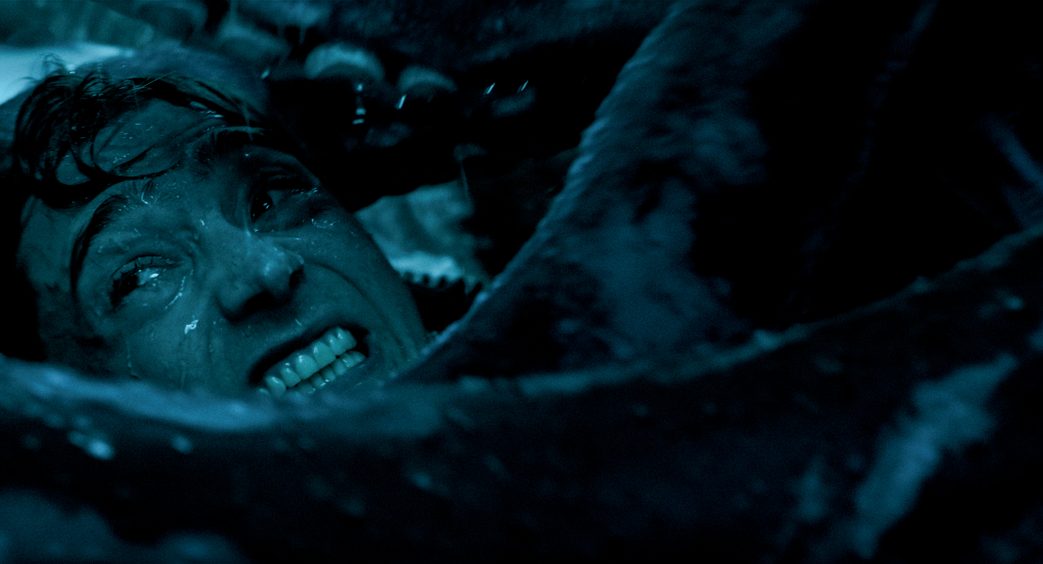
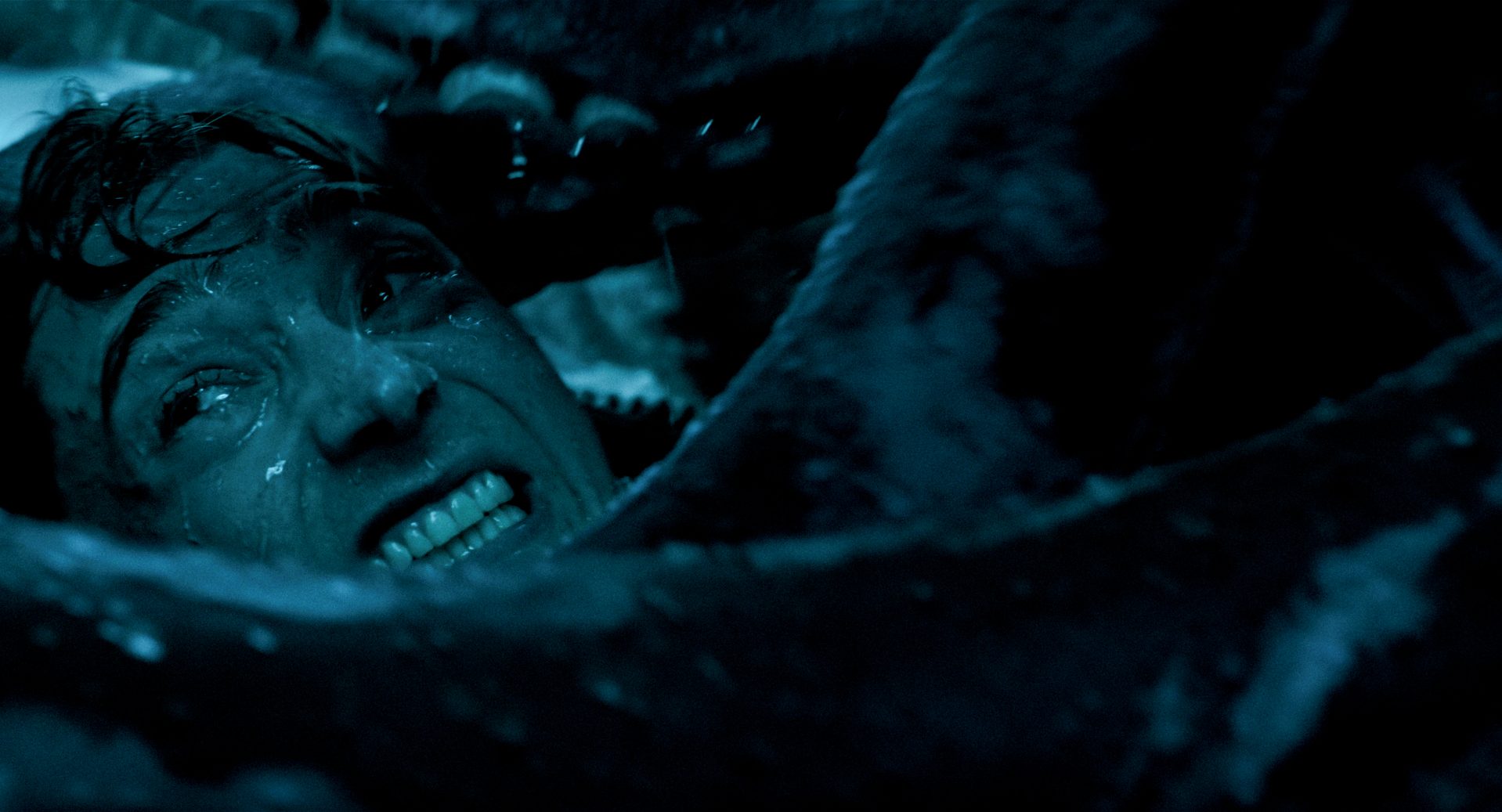

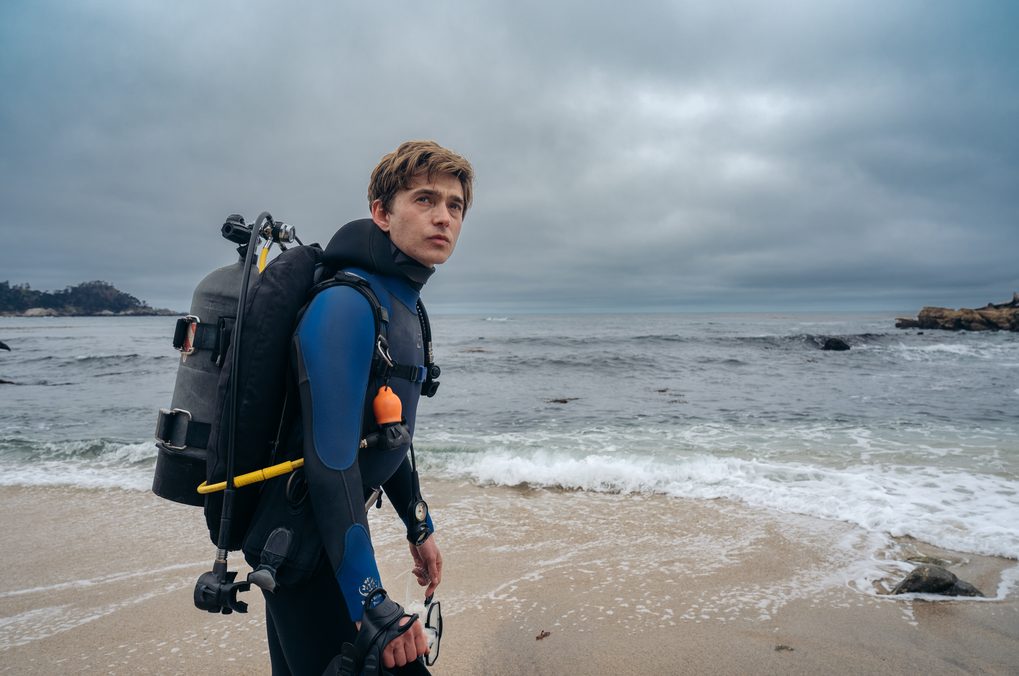
Whalefall has the kind of premise that can either become completely ridiculous or genuinely gripping within minutes. A young man dives off the central Coast of California after the death of his father, only to be swallowed by a massive sperm whale and forced to survive with limited oxygen. On paper, it sounds almost impossible to take seriously. In execution, director Brian Duffield turns that wild setup into a brutal, relentless, and surprisingly artistic survival thriller.
I have been hyped for this one since CinemaCon, where the footage stood out as some of the most impressive material shown at the event. It immediately sold the scale, tension, and terror of the concept. At the same time, that also created a concern: did the trailer and early footage already show the most interesting parts of the movie, leaving the full film with nothing else to surprise us? Thankfully, Whalefall still has enough intensity, atmosphere, and survival tension to make the full experience work beyond the initial hook.
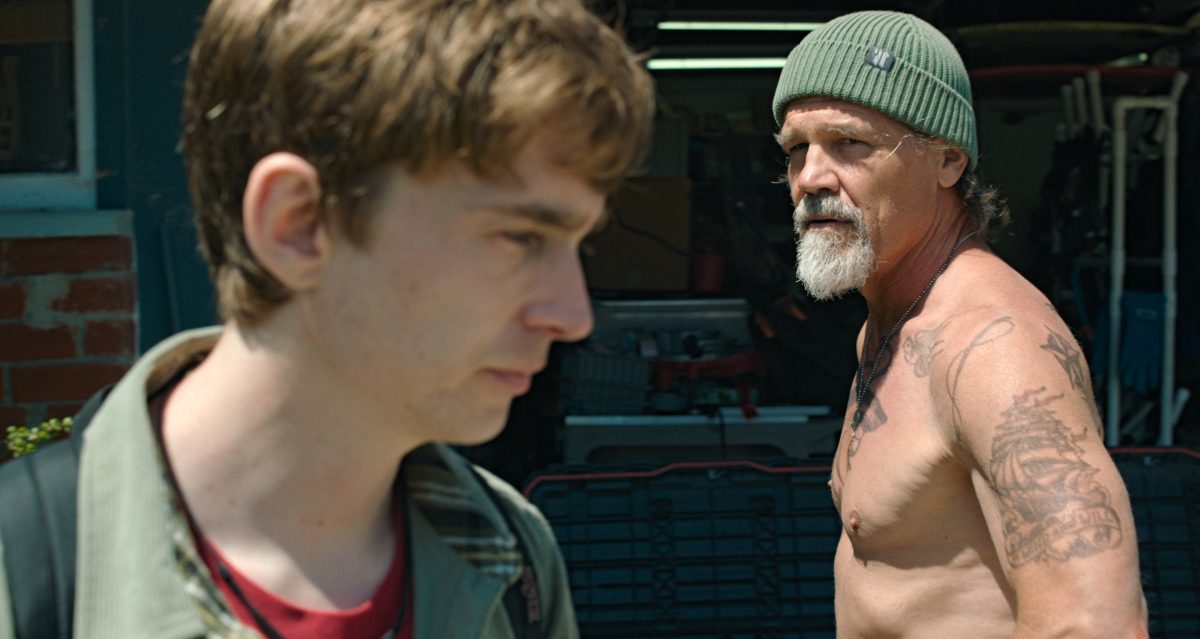
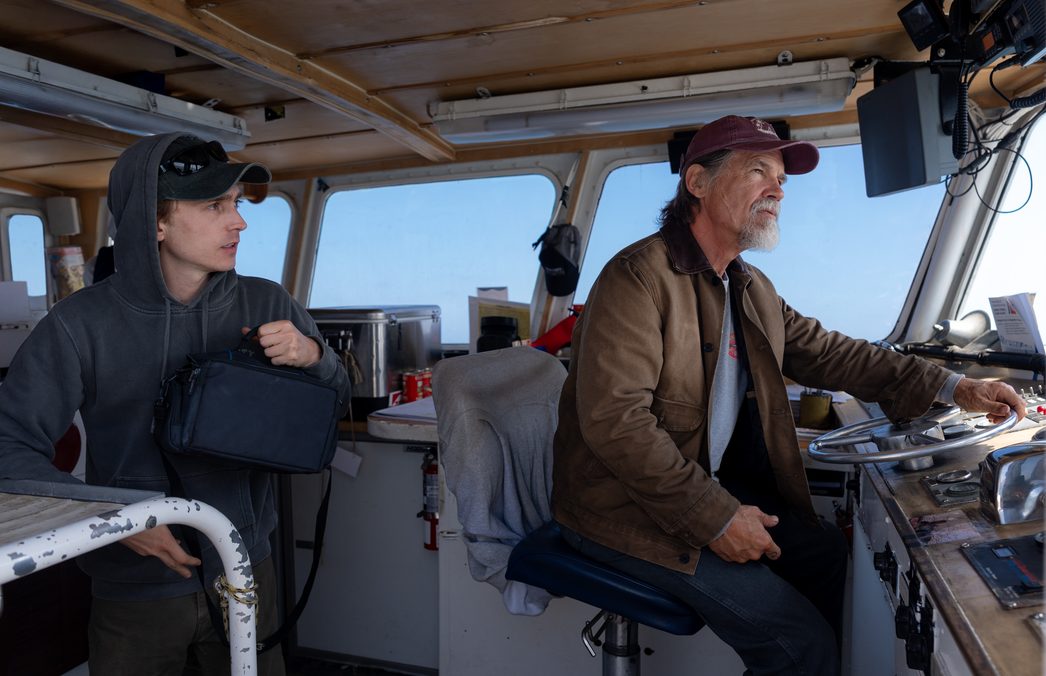
Based on Daniel Kraus’s novel, the film follows Jay Gardiner, played by Austin Abrams, as he goes diving in search of his father’s remains. His father, played by Josh Brolin in memory sequences, left behind a complicated legacy of hard lessons, emotional distance, and unresolved pain. When Jay is trapped inside the whale with about one hour of oxygen left, the film becomes both a race for survival and a tragic story about a father and son who never had enough time to repair what was broken between them.
That emotional setup gives Whalefall its purpose, even when the plot itself sometimes feels thinner than the technical experience surrounding it.
The Ocean Becomes the Monster
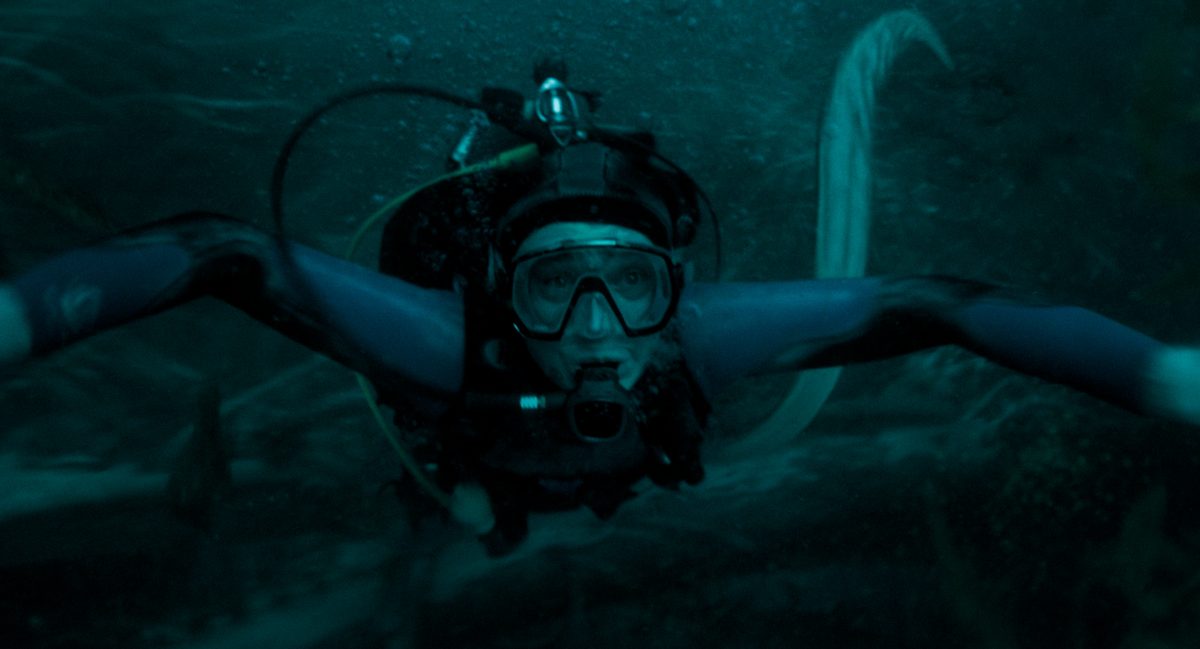
One of the strongest things about Whalefall is how it uses sound. I saw it in Dolby, and honestly, heard it might be the better way to describe the experience. The sound of watching the ocean is one thing. The sound from below is something else entirely.
The film makes the ocean feel alive before the whale ever becomes the central threat. The water has weight. The silence feels heavy. Every shift, echo, rush, and distant vibration makes you aware of how small Jay is in this environment. Once he is swallowed, the sound design becomes even more intense. Breathing, liquid movement, whale calls, pressure, panic, and the hiss of oxygen all become part of the suspense.
That is where Whalefall really gets under your skin. The movie constantly reminds you that Jay is not just trapped. He is trapped inside something living, moving, reacting, and completely outside his control.
An Intense First Act That Grabs You Fast
The ending of the first act is one of the most intense stretches of the film. Once the dive goes wrong and the whale encounter turns into a full survival nightmare, the movie locks in. It gives you that “hold your damn breath” feeling, where every second of air matters and every mistake feels like it could be the final one.
The survival mechanics make the film work better than expected. Jay is not suddenly transformed into an action hero. He survives because he has spent his whole life absorbing lessons from his father, even when their relationship was fractured. That detail matters. The movie asks you to believe that this young man could think his way through something impossible, and it works because he was mentally taking notes his entire life.
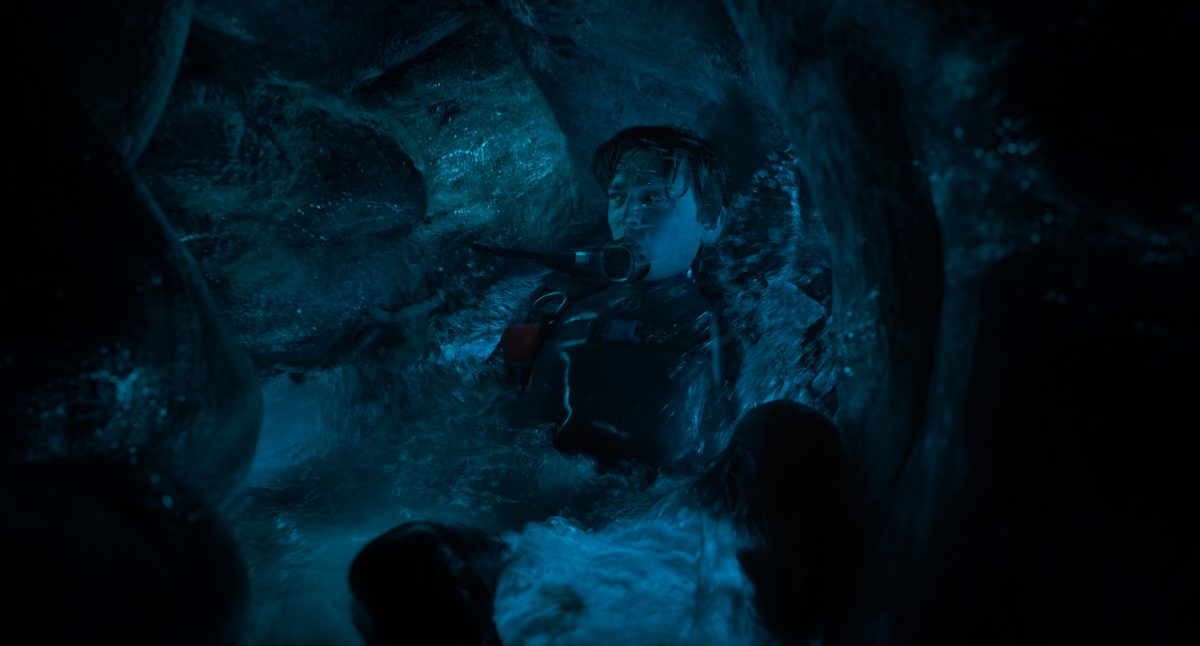
He has to rely on everything his father taught him over the years to survive. That includes diving safety, discipline, instinct, and the ability to stay calm when every part of his body wants to panic. The film also teaches you a surprising amount about whales, diving behavior, and the dangers of underwater survival without turning into a lecture.
There are also some oddly strong Final Fantasy X parallels here, especially in the way Jay is swallowed by a massive ocean creature and forced to confront the shadow of a complicated father from inside the beast. It is not something the movie is directly chasing, but if you know Tidus and Jecht’s story, the emotional overlap is hard not to notice.
Austin Abrams has to carry a large portion of the film through physical distress, fear, limited movement, and emotional collapse. That is not easy. A performance like this can become repetitive if the actor cannot make each moment of panic feel different, but Abrams finds enough variation in Jay’s terror to keep the film moving.
Austin Abrams Carries the Pressure
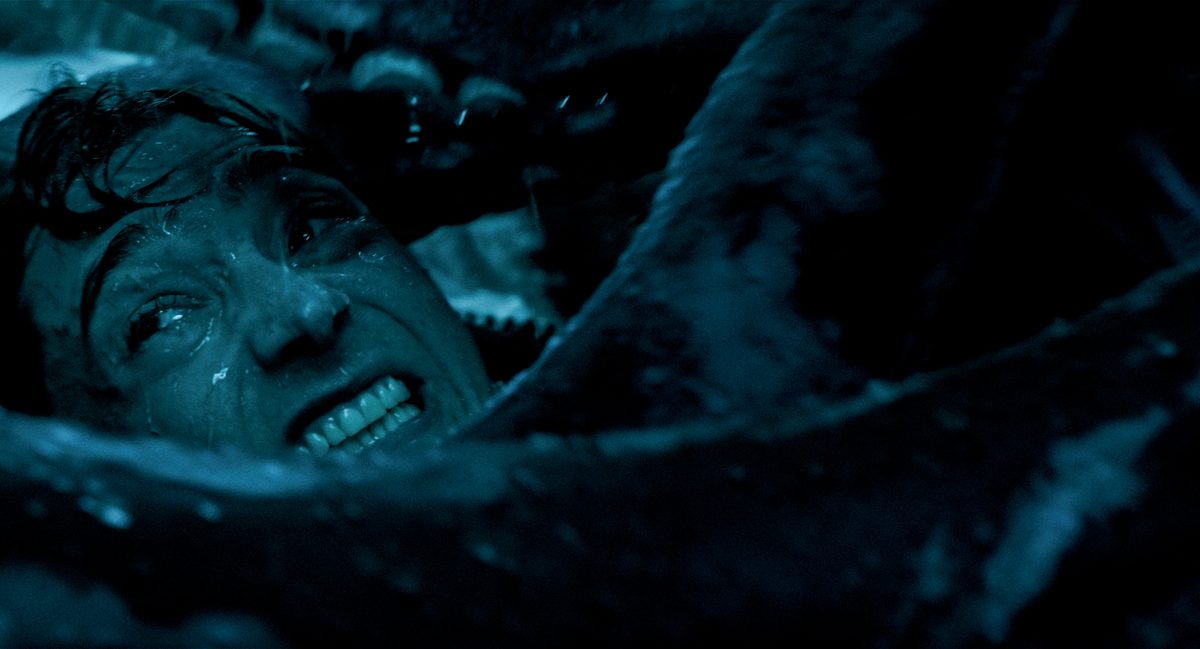
Austin Abrams has to carry a large portion of the film through physical distress, fear, limited movement, and emotional collapse. That is not easy. A performance like this can become repetitive if the actor cannot make each moment of panic feel different, but Abrams finds enough variation in Jay’s terror to keep the film moving.
He plays Jay as someone broken before the whale ever swallows him. That is important because the survival story is not just about escaping death. It is about a son trying to understand his father too late. The tragedy is that Jay is only able to fully process those lessons after the relationship has already been left unresolved.
Josh Brolin gives the memory sequences a stern, rugged presence. His character is not softened too much, which helps the movie avoid turning him into a perfect ghost of wisdom. He is a hard man, and the film does not ignore the damage that kind of parenting can leave behind.
The problem is that the emotional side does not always land as deeply as it should. Considering the father and son pain at the center of the story, I wanted a little more reason to emotionally invest in them beyond the situation. The tragedy is clear, but the characters could use more texture.
The Visuals Are Strangely Beautiful
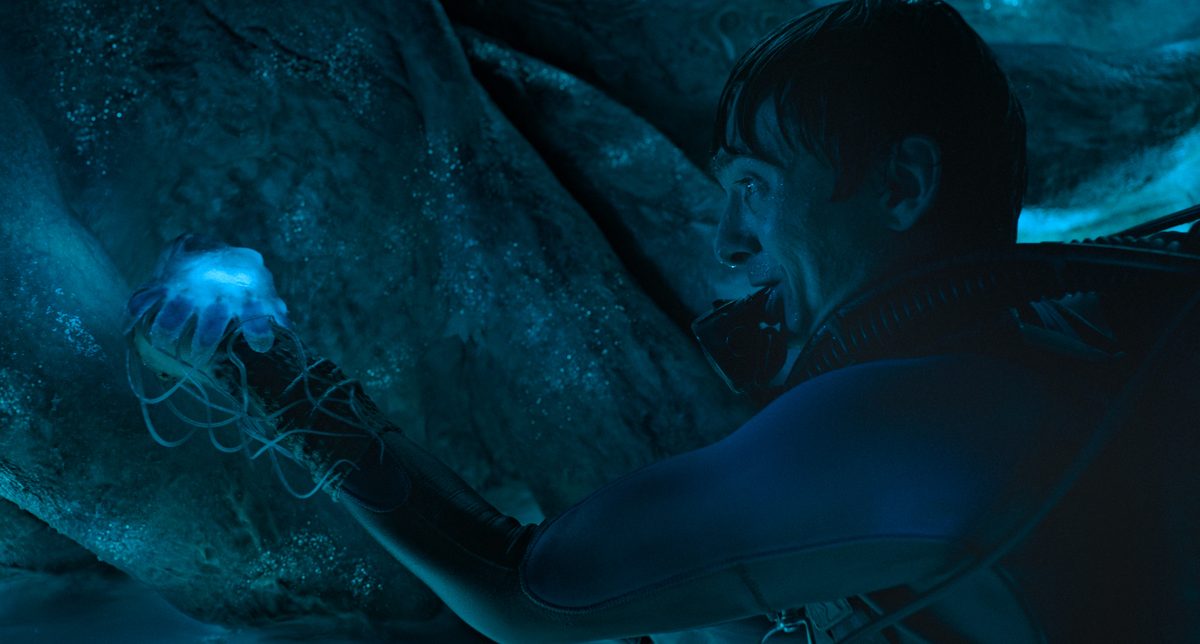
For a movie that spends so much time in darkness, Whalefall is often visually striking. The underwater imagery has an artistic quality, especially in the way the film contrasts open ocean beauty with the horror of being trapped inside the whale.
The whale interior could have easily looked silly or cheap, but the movie takes it seriously. The space feels organic, hostile, wet, and claustrophobic. The visuals do a strong job of making the environment feel both impossible and believable enough to keep the tension alive.
There is also a strange beauty in the way the film treats the ocean itself. It is not just a setting. It is a force. Like space in survival films, the ocean becomes a place where everything that can go wrong probably will. If space survival movies are built around the fear of emptiness, Whalefall is built around the fear of depth, pressure, darkness, and the unknown below.
Brutal, Relentless, But a Little Thin
As entertainment, I enjoyed Whalefall. It is tense, immersive, and committed to its premise. The score helps push that intensity, and the film rarely lets the audience relax once the survival clock begins. It is the kind of thriller that works best when experienced loud, on a big screen, with the sound pressing in around you.
But the story does not have a lot of meat on it. The concept is strong. The technical craft is strong. The central survival device is strong. What is missing is a deeper emotional pull from the people around Jay. The film wants the father and son relationship to hit hard, and sometimes it does, but there were moments where I understood the emotion more than I fully felt it.
That is the difference between Whalefall being a very good survival thriller and being a truly great one. The movie makes you tense. It makes you uncomfortable. It makes you respect Jay’s will to survive. But it does not always make you feel as invested in the family wound as the film clearly wants.
One Hour of Air
Whalefall is a gripping, brutal, and technically impressive survival thriller that turns an unbelievable premise into something intense and mostly convincing. Brian Duffield understands how to build pressure, Austin Abrams gives the movie a committed physical performance, and the sound design is easily one of the film’s biggest weapons.
The film works best as an immersive experience. See it on the best sound system possible, because the ocean, the whale, the oxygen, and the silence all matter here. The story itself may not have as much emotional weight as it could, but the survival tension is strong enough to carry the film through.
Whalefall makes the ocean feel terrifying, transforming one hour of oxygen into a brutal race against grief, memory, and the impossible pressure of survival.

Editor-in-Chief | Owner
I’m a dedicated aficionado of all things movies, pop culture, and entertainment. With a passion for storytelling and a love for the silver screen, I’m constantly immersed in the world of cinema, exploring new releases, classics, and hidden gems alike. As a fervent advocate for the power of film to inspire, entertain, and provoke thought, I enjoy sharing my insights, reviews, and recommendations with fellow enthusiasts.