





After a divisive second season that many felt spent too much time preparing for war instead of fully unleashing it, House of the Dragon Season 3 arrives with something to prove. Across the first four episodes, HBO’s fantasy epic finally stops clearing its throat and pushes the Dance of the Dragons into a faster, darker, and far more emotionally bruising chapter.
Three of the first four episodes run over an hour, and the season uses that expanded runtime well. These early chapters feel less like traditional television episodes and more like a massive, multi-part cinematic event, giving the ensemble room to breathe while Westeros burns around them. The pacing is a clear course correction from last season, but what makes this return so effective is not just the larger spectacle. It is the way the show blends war, grief, political desperation, and the psychological cost of power into a season that finally feels like it is moving with purpose.
A War Fought by Sea and Sky

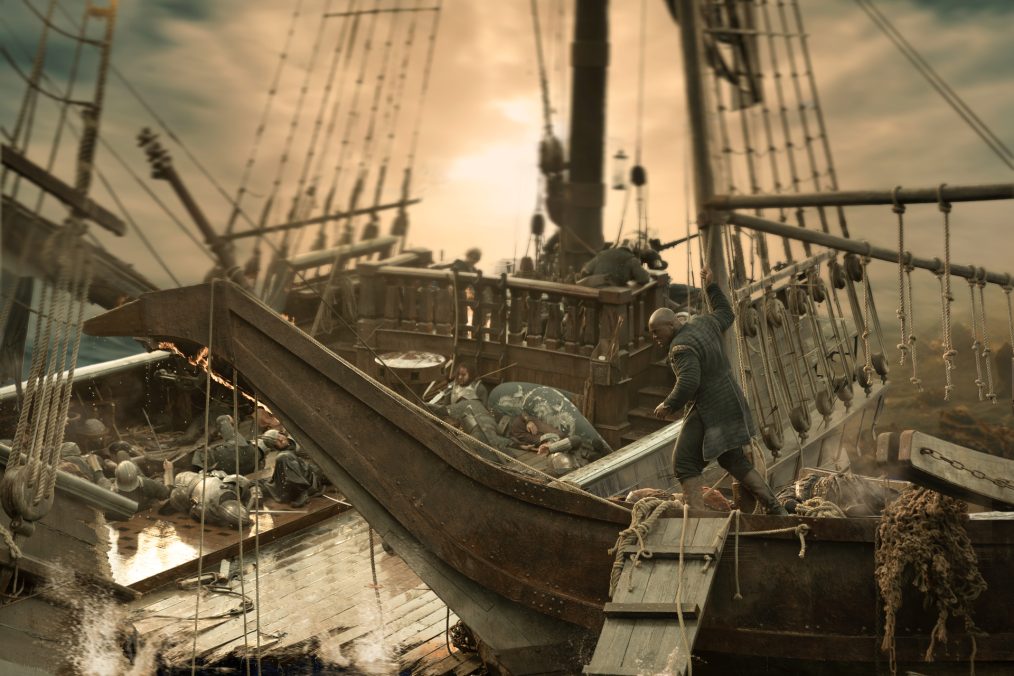
The opening episodes immediately rewrite the stakes through the long-awaited chaos of naval warfare. The Battle of the Gullet gives the season the explosive momentum fans wanted last year, expanding the visual language of the series beyond castle rooms, council tables, and muddy battlefields. The action contrasts wide-open dragon terror in the skies with claustrophobic, brutal combat on the water, creating a sense of scale that feels worthy of the world George R.R. Martin built. While some may still compare its biggest set pieces to the original Game of Thrones battles, the sequence succeeds because of the permanent emotional and political shockwaves it sends through the rest of the season.
That is ultimately where Season 3 finds its strongest rhythm. The dragons are breathtaking, the battles are massive, and the production value remains elite, but the show is still at its best when it focuses on how power reshapes the people chasing it. This season moves beyond accidents, misunderstandings, and hesitant maneuvering. The war is no longer something waiting on the horizon. It is here, and everyone involved is being forced to decide how much of themselves they are willing to sacrifice in order to win.
The Cost of the Crown

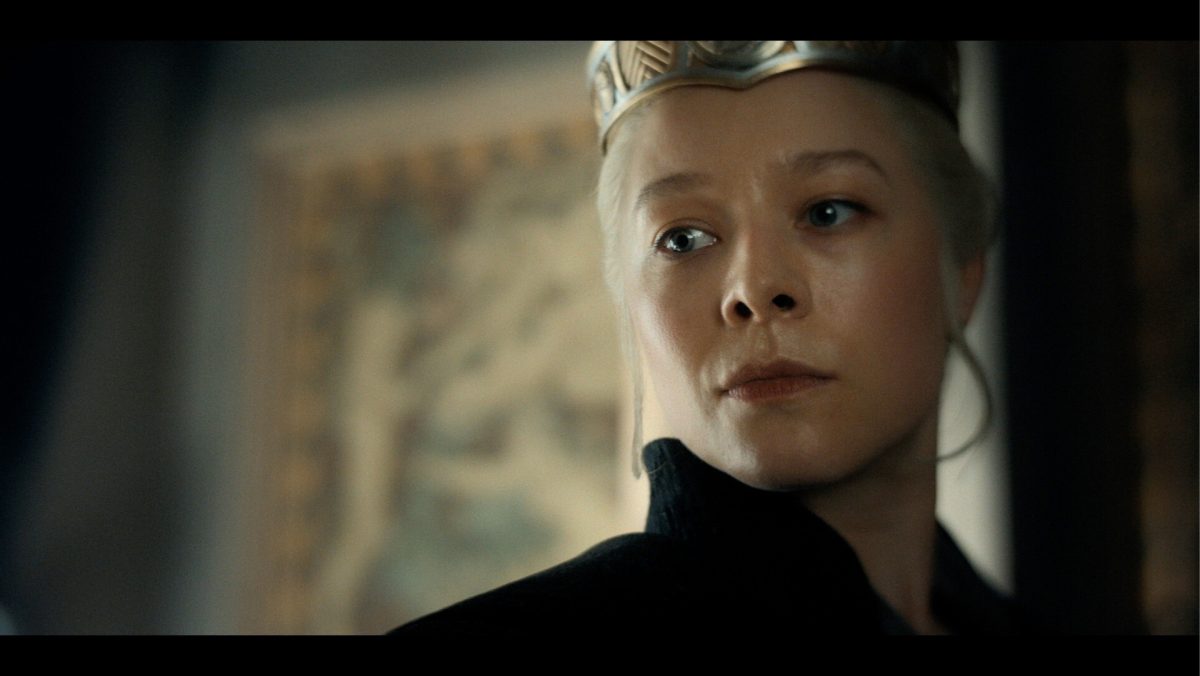
Emma D’Arcy remains the emotional center of the series as Rhaenyra Targaryen, delivering work that should absolutely remain in the awards conversation. Rhaenyra’s arc in these early episodes plays like a warning about getting exactly what you asked for. Her pursuit of the Iron Throne has always been rooted in legacy, birthright, and survival, but Season 3 pushes her into the far more complicated reality of what it actually means to rule a fractured realm.
D’Arcy captures the grief of a mother, the ambition of a queen, and the terrifying resolve of a Targaryen being pushed closer to the point of no return. What makes the performance so compelling is the balance between pain and power. Rhaenyra remains someone carrying unimaginable loss, yet she is also a ruler forced to make choices that leave very little room for sentimentality. The result is a layered, commanding performance that turns Rhaenyra’s triumphs into something far more complicated than victory.
Episode 3 is the strongest of the first four hours, which may surprise viewers expecting the action to be the main talking point. It is not the loudest episode, but it is the one where the season truly starts to define itself. The political pressure tightens, the emotional stakes deepen, and the story becomes less about cleaning up Season 2’s delayed momentum and more about exploring the cost of ruling through fire and blood. In many ways, the quiet conversations and impossible decisions create more tension than the spectacle around them.
The Ensemble Finds New Fire
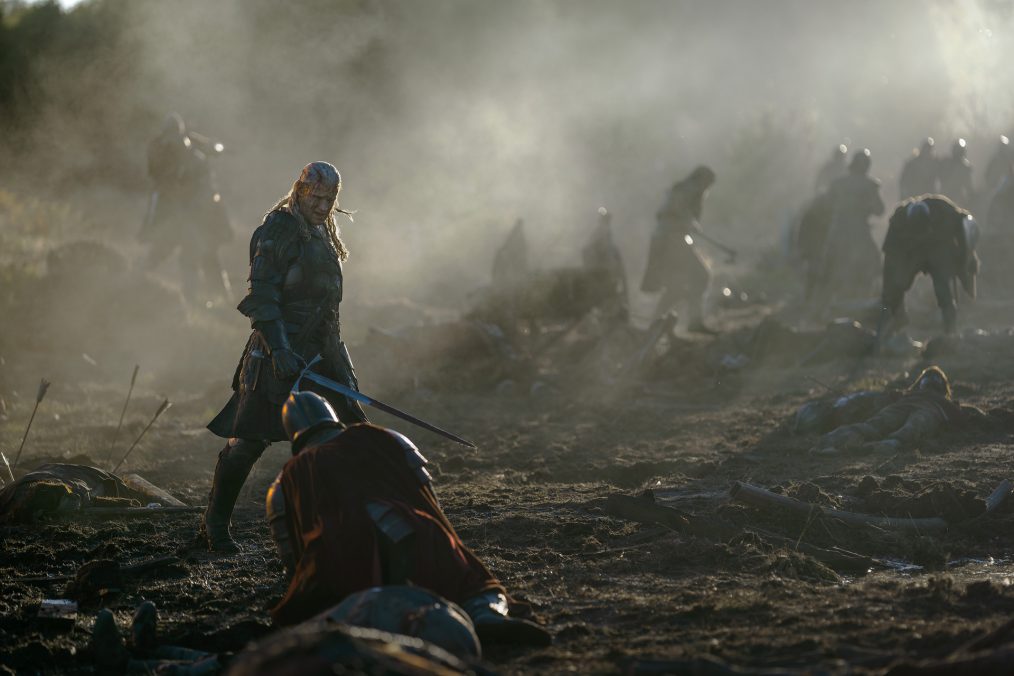
The ensemble is also operating at an extremely high level. Matt Smith feels recharged as Daemon Targaryen, bringing back the arrogance, danger, and unpredictability that made him one of the franchise’s most fascinating characters. His presence carries a sharper edge this season, especially as old instincts, new secrets, and shifting loyalties create friction that could fracture even the strongest alliances.
Olivia Cooke continues giving Alicent Hightower a haunted complexity as the consequences of her choices become harder to outrun. The show smartly keeps both Rhaenyra and Alicent locked inside the same thematic trap: power demands sacrifice, but the cost of survival may be the loss of self. Both women are forced into decisions that push them closer to moral lines they may not be able to uncross.
One of the season’s most unexpected highlights comes from Tom Glynn-Carney as Aegon Targaryen and Matthew Needham as Larys Strong. Amid the darkness, their evolving dynamic provides much-needed levity without ever undermining the stakes. Their chemistry is genuinely entertaining and occasionally hilarious, creating an almost medieval buddy-adventure energy that offers brief moments of relief before the narrative plunges back into tragedy.
Music, Dragons, and Westerosi Spectacle
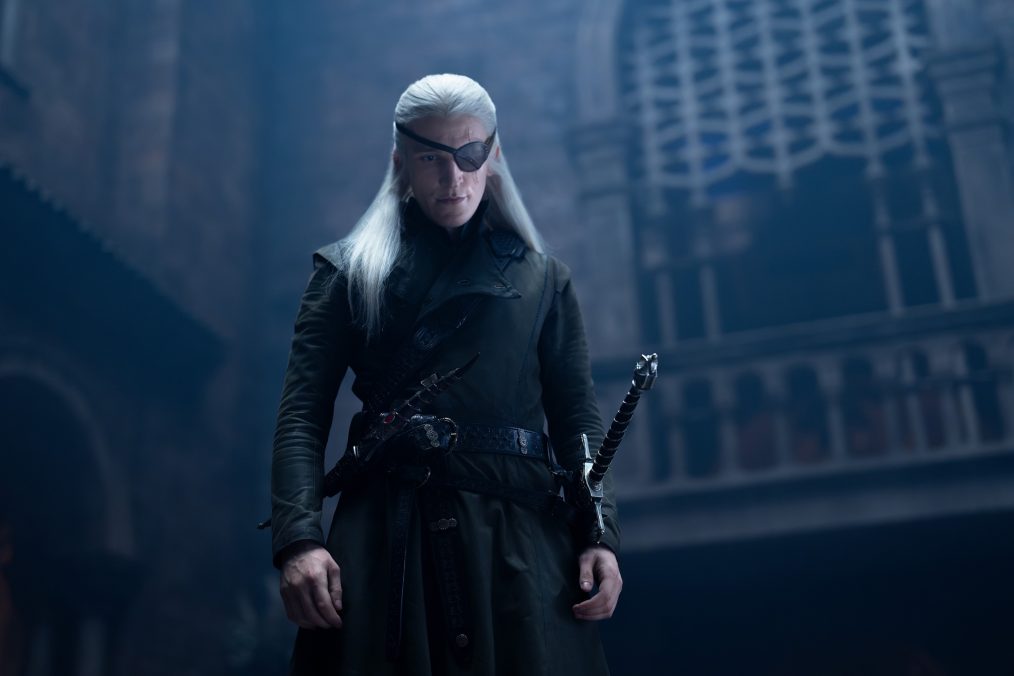
Ramin Djawadi’s score deserves special attention as well. His music this season feels like a second narrator, weaving familiar Game of Thrones family motifs into new arrangements that capture the tragedy of kin destroying kin. The score does not simply underline the drama; it deepens it, reminding viewers that every act of violence carries the weight of bloodlines, legacy, and history. Combined with the reworked opening credits and the season’s increasingly grim character moments, the music gives Season 3 a haunting sense of inevitability.
Visually, House of the Dragon remains one of television’s most cinematic achievements. The dragons look more majestic and terrifying than ever, with real weight in the way they move, attack, and dominate the frame. The technical team continues to find ways to make these creatures feel like living weapons rather than digital spectacle. Whether the show is staging aerial violence, naval chaos, or intimate political dread inside candlelit rooms, the craftsmanship remains exceptional.
The fourth episode may prove more divisive, especially for book readers watching how the series handles certain long-awaited characters and strategic developments. Some choices feel intentionally bold, and not all of them will land the same way for everyone. Still, even when the adaptation takes risks that may frustrate purists, it is hard not to appreciate that the show is no longer playing things safe. Season 3 feels more agile, more dangerous, and more willing to let its characters make decisions that carry real consequences.
The Realm Finally Burns
House of the Dragon Season 3 is a stronger, sharper, and more confident return for HBO’s fantasy epic. The first four episodes deliver the action many viewers wanted, but the season’s true strength lies in its performances, political tension, and bleak exploration of what power does to the people who believe they are destined to hold it.
This is a season about the cost of wanting the crown, the tragedy of family turning against family, and the brutal realization that winning the Iron Throne may mean losing whatever humanity remains. If Season 2 felt like the long inhale before the plunge, Season 3 is the fall.
House of the Dragon has stopped preparing for war. The war is here, and Westeros may never recover.
HOUSE OF THE DRAGON, debuting SUNDAY, JUNE 21 at 9:00 p.m. ET/PT on HBO and will be available to stream on HBO Max. The eight-episode season will debut new episodes weekly leading up to the season finale on August 9.
WATCH: HOUSE OF THE DRAGON Season 3 cast interviews – Steve Toussaint, Tom Glynn-Carney, Matthew Needham – Blackfilmandtv.com correspondent Nagier Chambers

Editor-in-Chief | Owner
I’m a dedicated aficionado of all things movies, pop culture, and entertainment. With a passion for storytelling and a love for the silver screen, I’m constantly immersed in the world of cinema, exploring new releases, classics, and hidden gems alike. As a fervent advocate for the power of film to inspire, entertain, and provoke thought, I enjoy sharing my insights, reviews, and recommendations with fellow enthusiasts.