


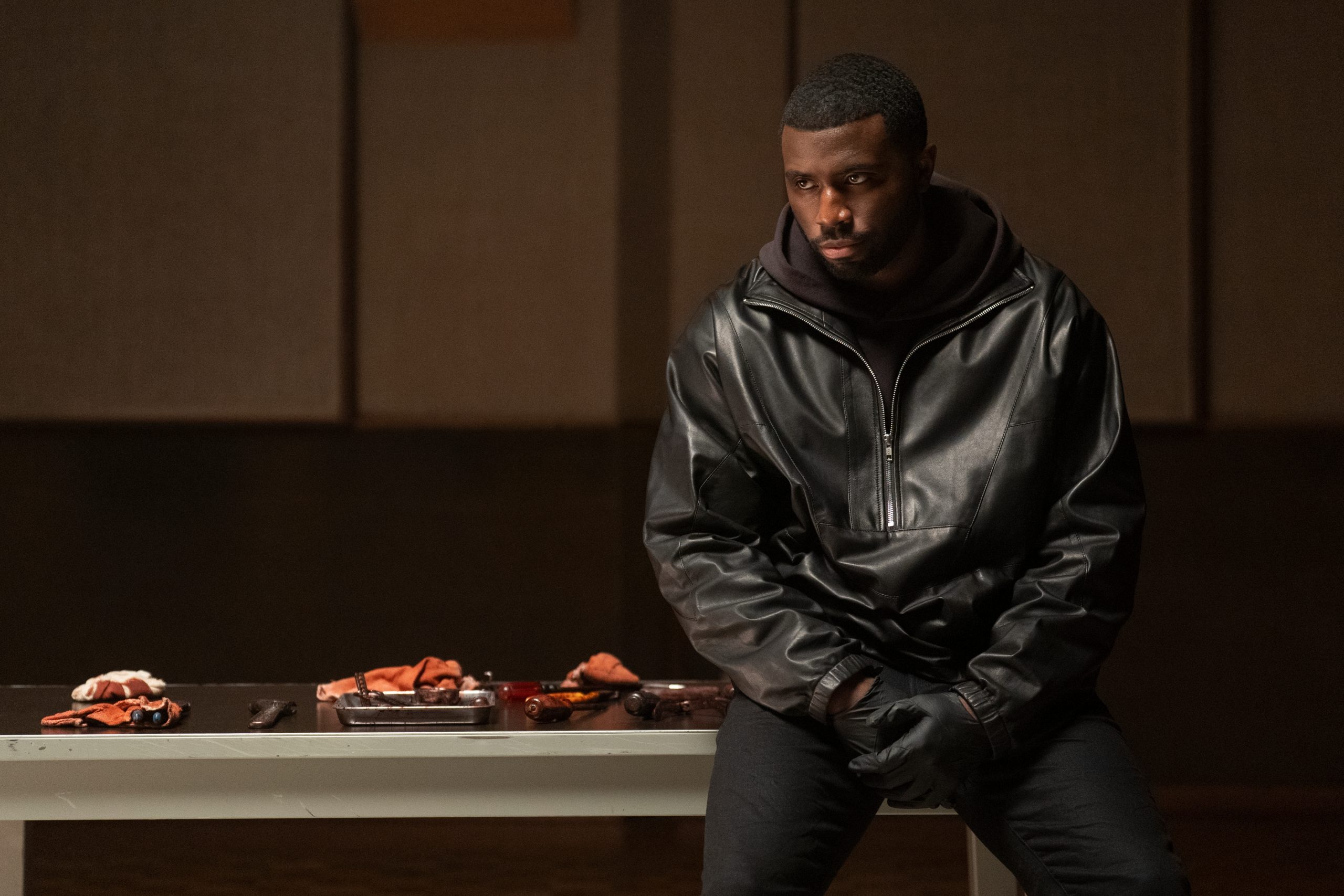
When Courtney A. Kemp announced her major Netflix deal after building the Power universe, expectations were naturally high. Kemp had already proven she could create addictive crime television built on ambition, betrayal, family tension and characters willing to burn everything down for control. Nemesis, co-created with first-time creator Tani Marole, becomes the first major test of that next chapter.
Premiering May 14 on Netflix, the eight-episode series centers on a collision course between master thief Coltrane Wilder and relentless detective Isaiah Stiles. The setup is strong: an unstoppable criminal meets an immovable lawman. A cat-and-mouse story with family drama, corruption, shifting loyalties and explosive action should be fertile ground for Kemp’s strengths.
Instead, Season 1 feels like a show still trying to become itself.
A Strong Premise That Takes Time to Ignite
Set in Los Angeles, Nemesis uses the city as more than backdrop. The freeways, neighborhoods and sprawling geography give the series a different energy than the New York grit associated with Power. There is a cleaner, sun-scorched tension here that occasionally works in the show’s favor.
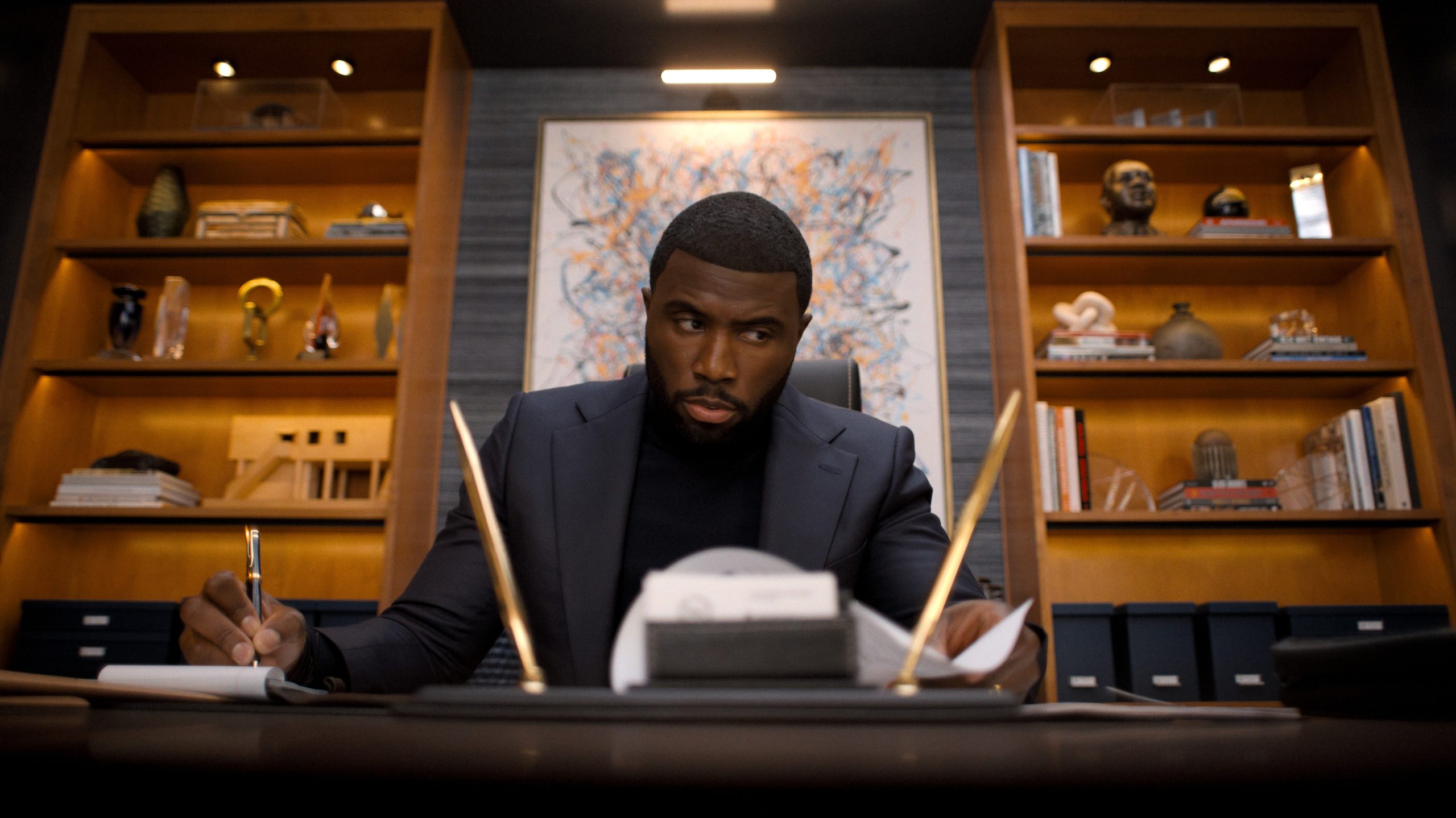
The early episodes, however, struggle to build momentum. Dialogue often feels forced, with scenes that sound more written than lived in. Character motivations are introduced, but not always sharpened enough to make the stakes hit immediately. Too often, the first half of the season feels like setup without enough payoff.
By the time Episodes 5 and 6 arrive, the series finally begins to click. The action scales up, the drama gains urgency, and the larger possibilities of the show start to emerge. Episode 6, in particular, is the season’s standout and the clearest glimpse of how big Nemesis could become.
Y’lan Noel Anchors the Show
Y’lan Noel is the strongest presence in the series as Coltrane Wilder. He brings control, charisma and enough unpredictability to keep the audience invested even when the writing around him wobbles. Noel has range, and he uses it well here, balancing menace with intelligence and emotional restraint.
The show often works best when it stays close to Coltrane, even if the season could have dug deeper into what truly drives him beyond another score. That missing emotional layer keeps the character from reaching full complexity, but Noel’s performance does a lot of heavy lifting.
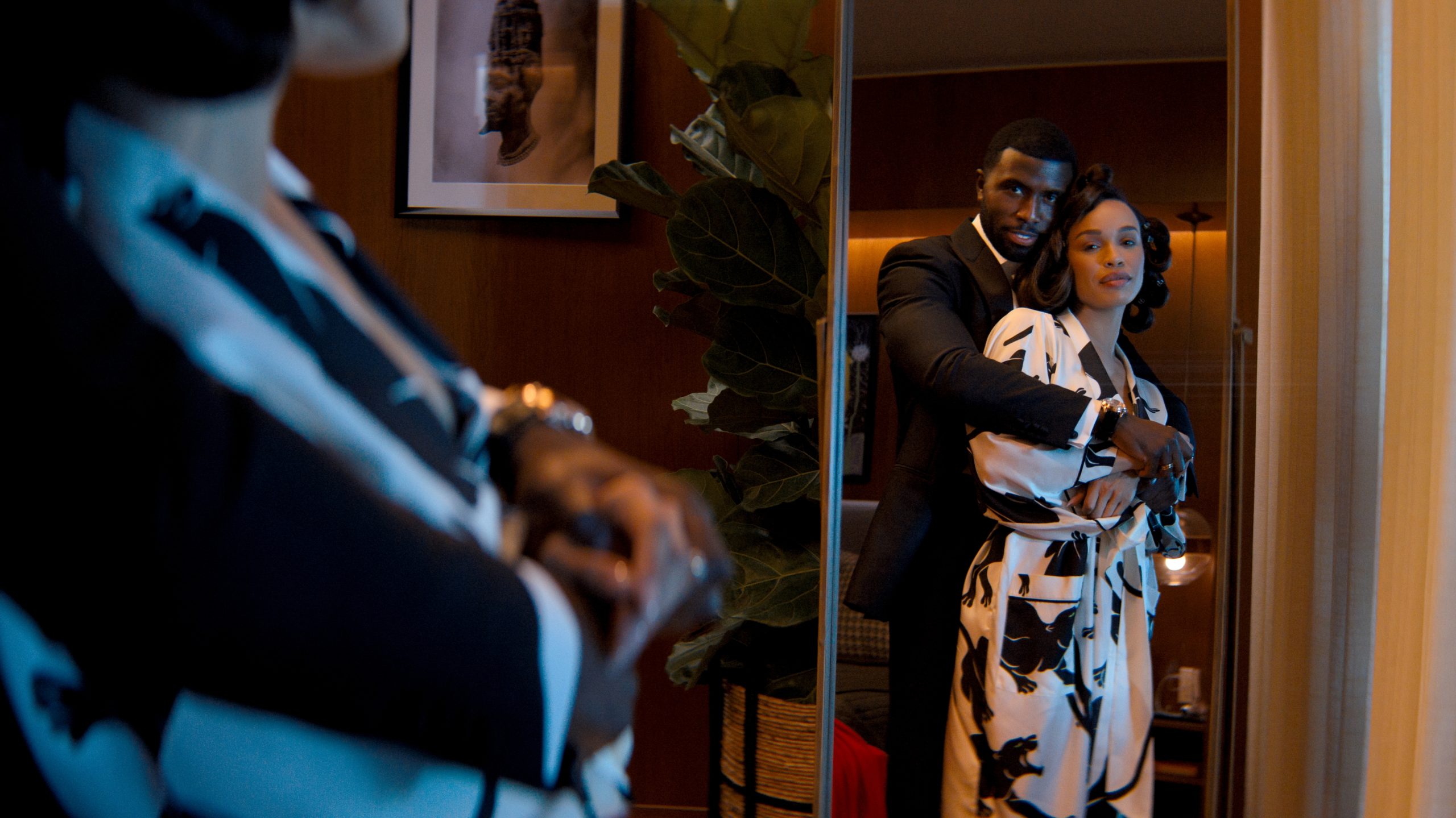
Alongside him, Cleopatra Coleman as Ebony Wilder adds intrigue and stability. She complements Noel well and becomes increasingly important as the season progresses. Much of the second-half improvement comes through the women in the ensemble and where their storylines take the narrative.
The Cop Side Never Fully Lands
Matthew Law plays Isaiah Stiles, the obsessed detective willing to sacrifice family, professional relationships and common sense to bring Coltrane down. On paper, that type of self-destructive lawman can be compelling. In execution, Isaiah too often becomes frustrating rather than fascinating.
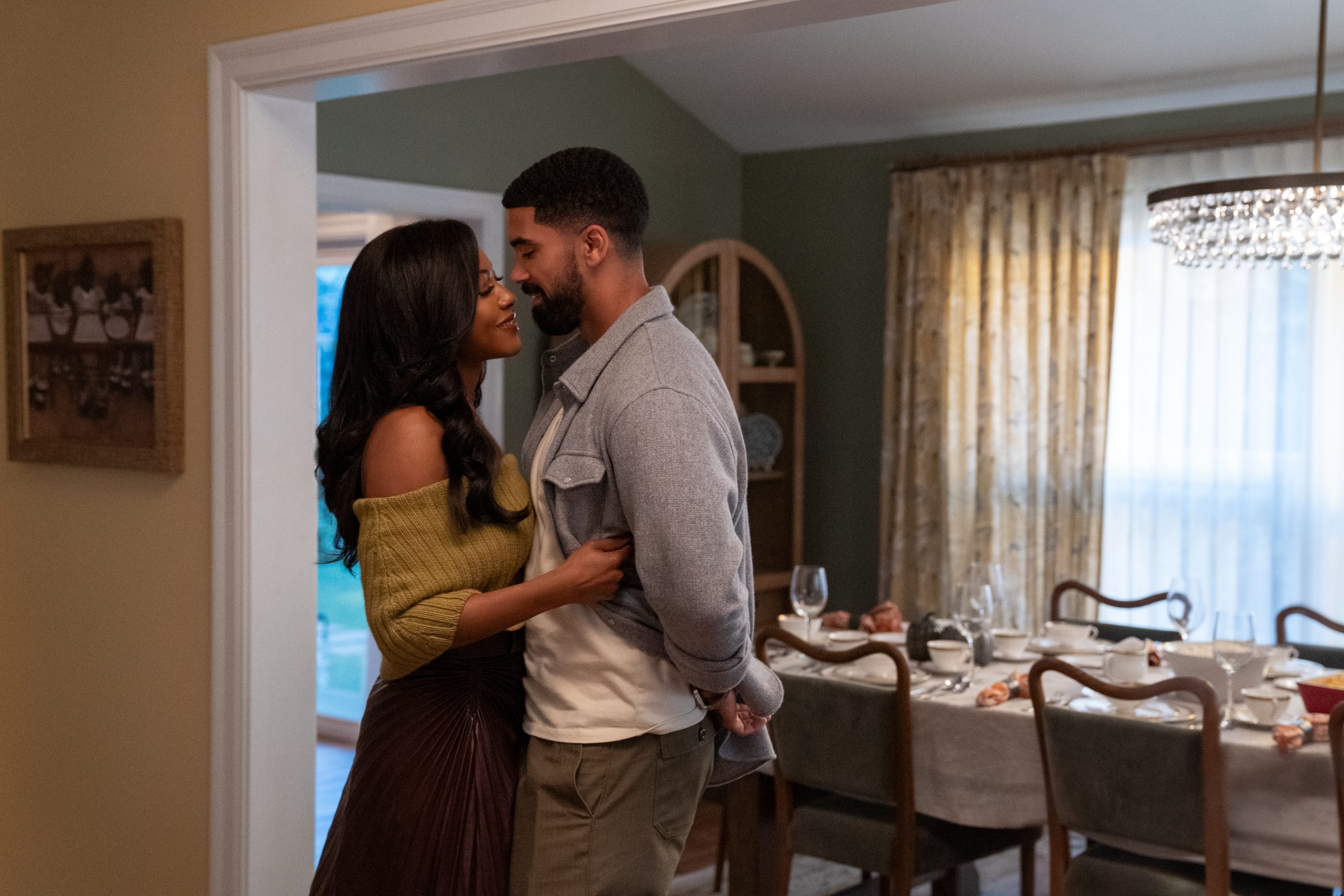
The performance leans broad in moments where the material needs something grittier and more naturalistic. There are scenes that feel like they are reaching for a classic rogue-cop intensity without earning it. Instead of commanding the screen, Isaiah frequently comes off as someone constantly making bad decisions while blaming everyone else.
To be fair, Kemp has long understood how obsession can fuel law-enforcement characters. Isaiah fits that mold. But unlike some of her stronger creations, he never fully becomes someone you love to hate. He mostly becomes someone you wish the show would sharpen.
Supporting Players Bring Needed Energy
The ensemble frequently injects life where the central rivalry stalls.
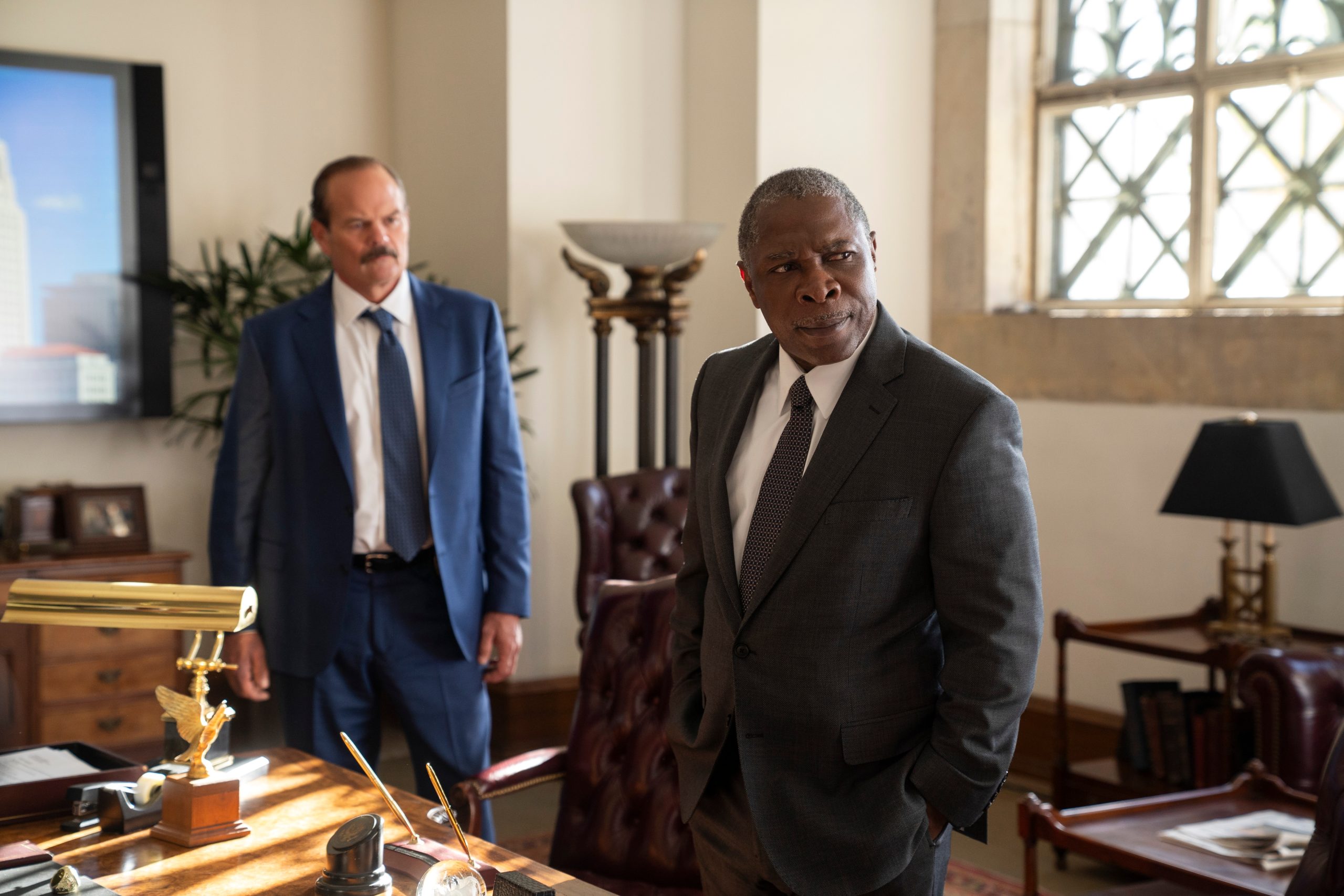
Michael Potts is excellent as Captain James Sealey, bringing authority, humor and common sense. He often feels like the smartest person in the room, and every scene improves when he arrives.
Tre Hale makes an immediate impression as Darren “Stro” Stroman, the kind of character viewers quickly buy into and want more of. Moe Irvin as Amos “Nightmare” Stiles becomes a true wildcard presence; once the story shifts toward him, the season gains energy and unpredictability.
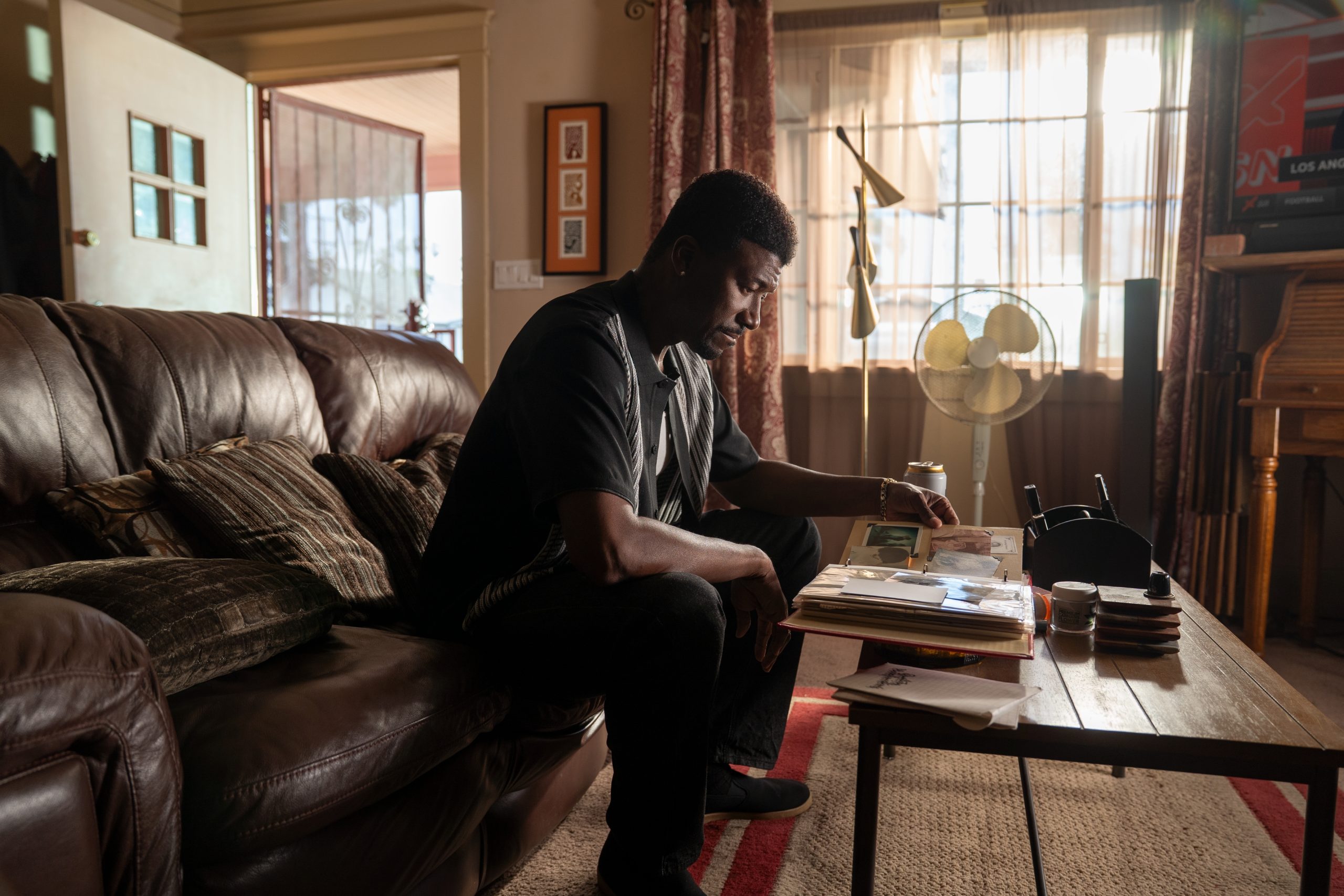
Domenick Lombardozzi as Dave Cerullo and Ariana Guerra as Yvette Cruz generate strong banter, even if Yvette often becomes one of the season’s most aggravating personalities. Dave, meanwhile, has the useful “watch this one closely” quality that good crime dramas need.
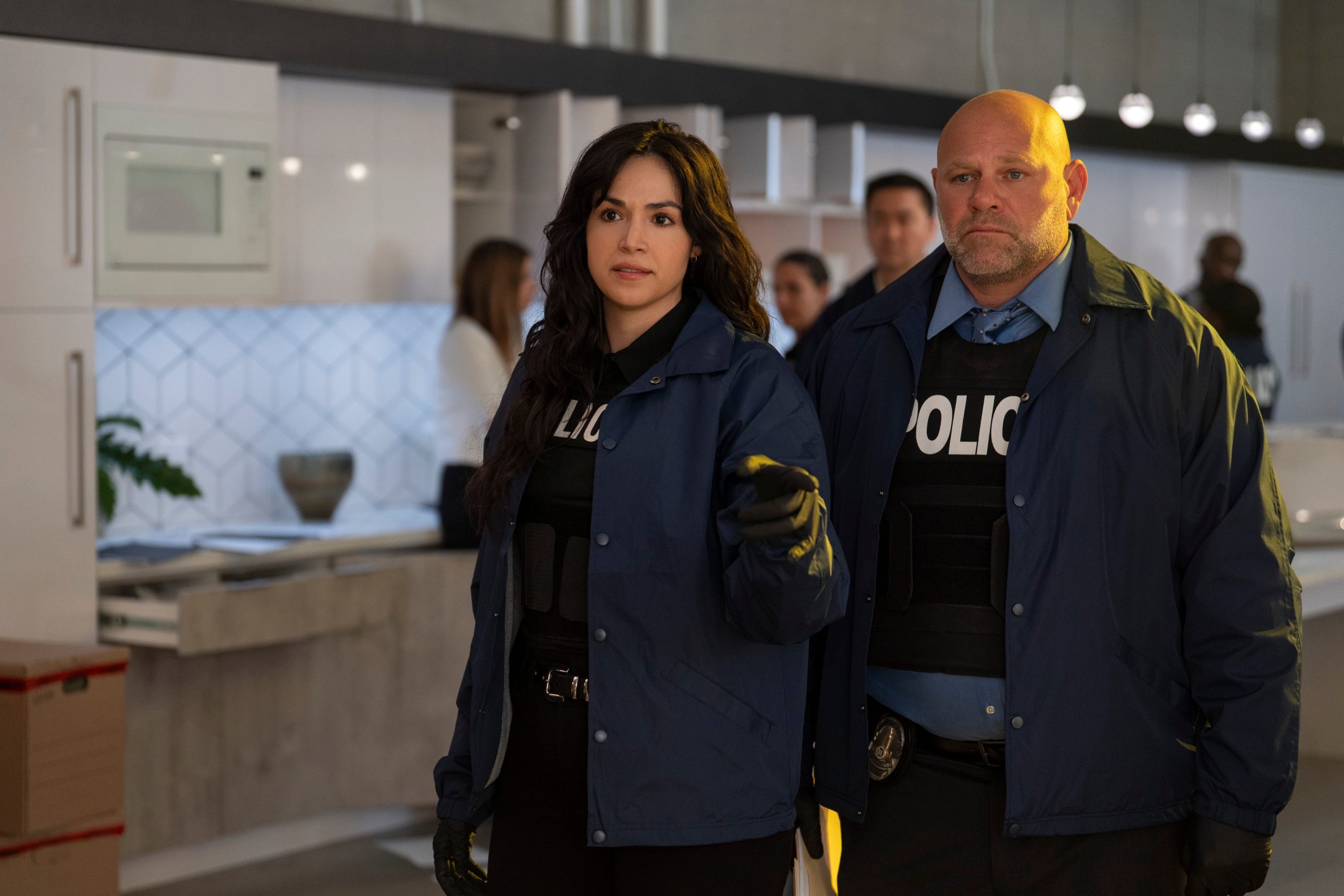
Kevin Keach provides welcome comedic relief, bringing a lighter and different tone whenever he appears. In a series often built on tension and conflict, that change of pace is useful and noticeable.
There are also welcome reunions for longtime Courtney Kemp viewers. Shane Johnson returns in a limited supporting role and, unsurprisingly, steals a scene or two with ease. Additional Power universe alumni include Jonnie Park, while Mark Feuerstein joins in a recurring role as Sam Morrow.
Messy Drama, Better in the Back Half
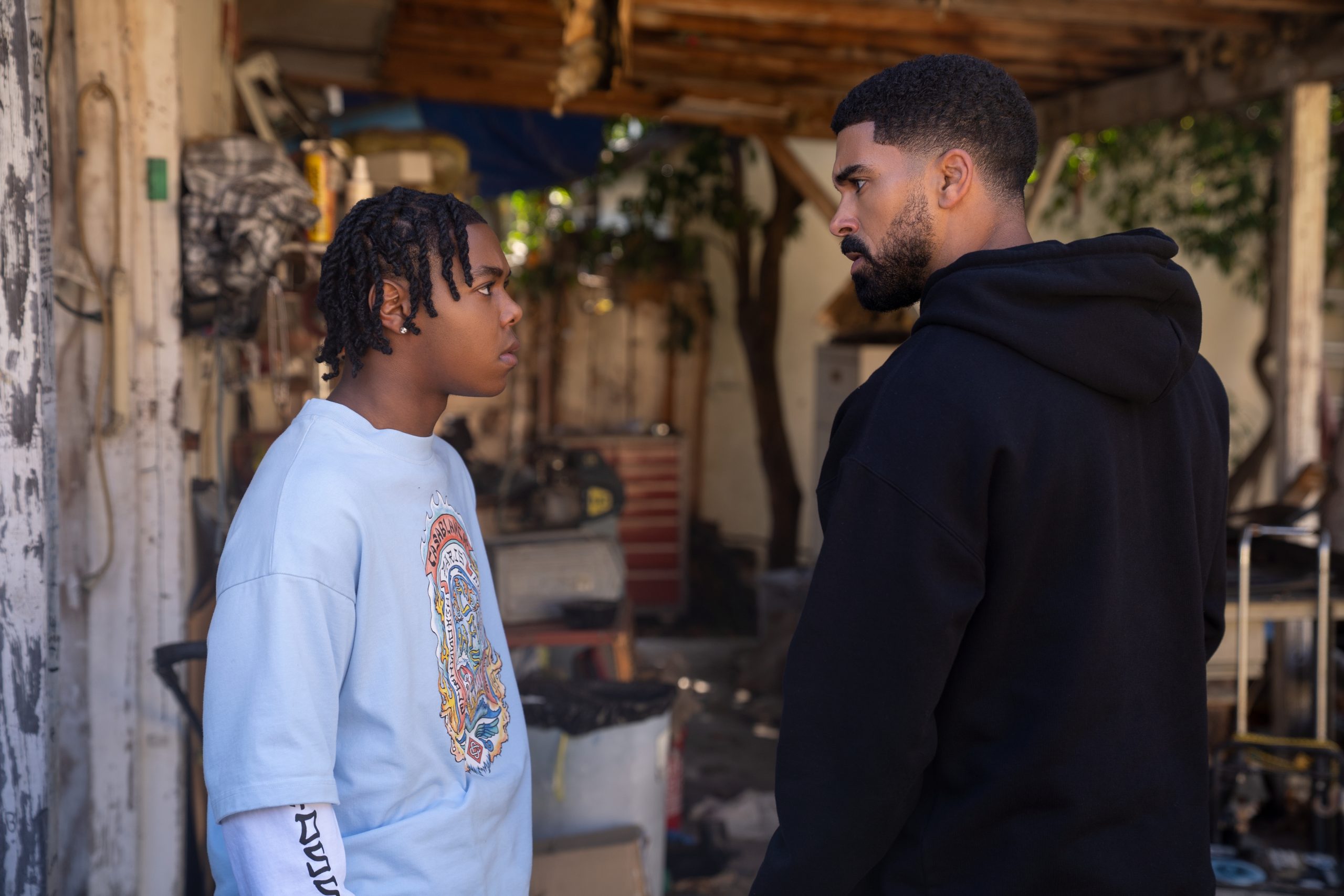
Kemp’s best work has always understood that crime stories need emotional messiness. Affairs, betrayals, family disappointments, divided loyalties and power struggles are part of the appeal. Nemesis has those ingredients, but they take too long to blend.
Once the season reaches its second half, the drama becomes more compelling. Storylines gain momentum, the women become more central, and character conflicts finally begin creating the kind of addictive friction viewers expect from a Courtney Kemp series.
The show remains messy in the dramatic sense, but messy can be entertaining when it is moving with purpose.
Action, Music and Style
When Nemesis leans into action, it often delivers. Episodes 1, 5 and especially 6 bring the strongest bursts of bullets, movement and tension. The finale also elevates the cinematography with several stylish, cinematic action beats that suggest a larger visual ambition.

The music throughout the season is another plus, helping sustain mood even when scenes themselves are uneven.
Mario Van Peebles directing the opening episodes and Rob Hardy helming the standout sixth chapter add clear flashes of polish.
A Finale That Wants Season 2
The season finale leaves the door wide open for another chapter. In fact, it ends with the kind of setup that may have viewers checking whether another episode is about to autoplay.
That said, some of the climax asks for generous suspension of disbelief. The cliffhanger energy works, but not every beat feels fully earned.
Still, if Nemesis gets a second season, there is reason to believe it could improve significantly. The bones are here. The first year simply spends too much time locating them.
The Big Picture
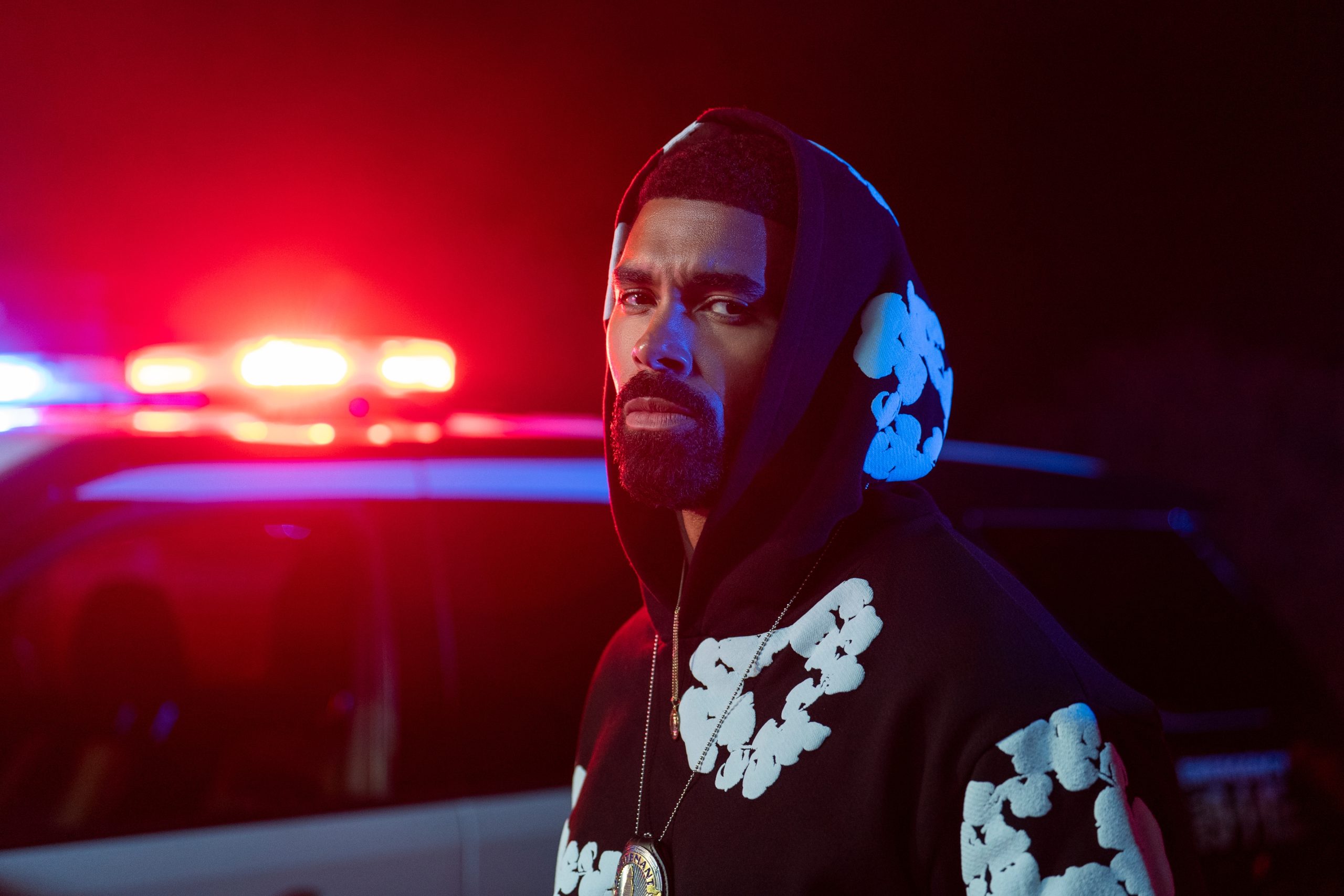
Nemesis Season 1 is a promising but uneven launch for Courtney A. Kemp’s post-Power Netflix era. It lacks some of the grit, sex appeal, layered power dynamics and instantly compelling character work that made her previous franchise such a cultural force.
Yet there are flashes—especially from Y’lan Noel, Cleopatra Coleman, Michael Potts and the stronger second-half episodes—that suggest a better show waiting to emerge.
Patience may be required here. Season 1 doesn’t fully come together, but it does enough to make a second season worth watching.
Rating: 3 out of 5
Nemesis Season 1 premieres May 14, 2026, exclusively on Netflix.
WATCH : Y’Lan Noel & Matthew Law Interview

Editor-in-Chief | Owner
I’m a dedicated aficionado of all things movies, pop culture, and entertainment. With a passion for storytelling and a love for the silver screen, I’m constantly immersed in the world of cinema, exploring new releases, classics, and hidden gems alike. As a fervent advocate for the power of film to inspire, entertain, and provoke thought, I enjoy sharing my insights, reviews, and recommendations with fellow enthusiasts.
I loved the series truthfully the cop character was so over zellous it had me rooting for the the thief. It was the overacting for me that made me skip through the scenes he was in on top of him being a criminal himself who set out to destroy all things evil when he played the same cards typical because there were no consequences for his actions while the thief was smooth and relatable
This series is bomb I don’t understand why the ratings so bad white people don’t like to see us people don’t ish but all they boring ass series survive and all the good black series drown i hate it.