


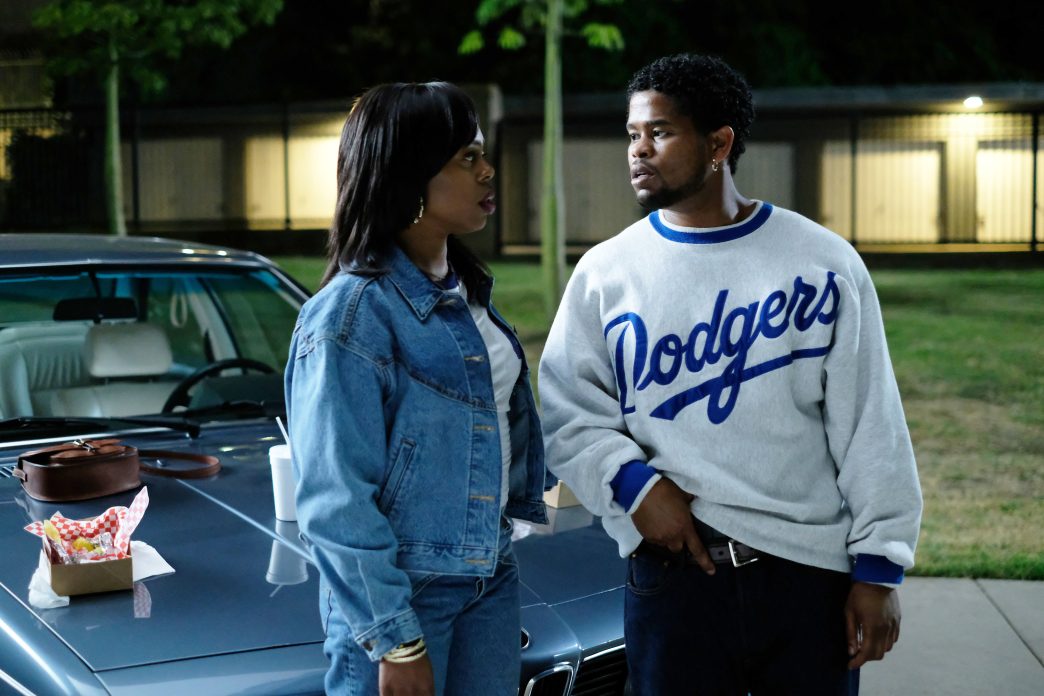
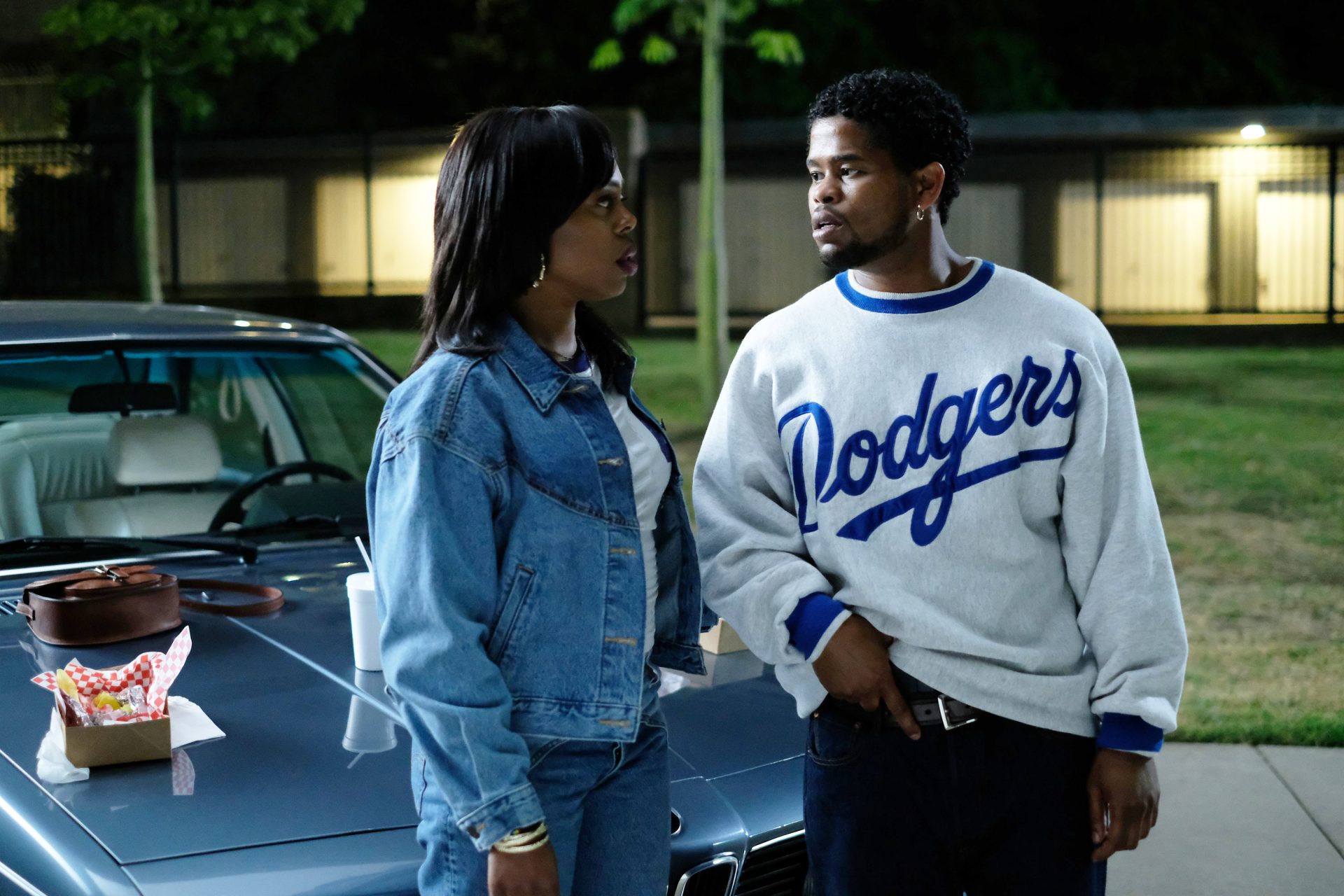

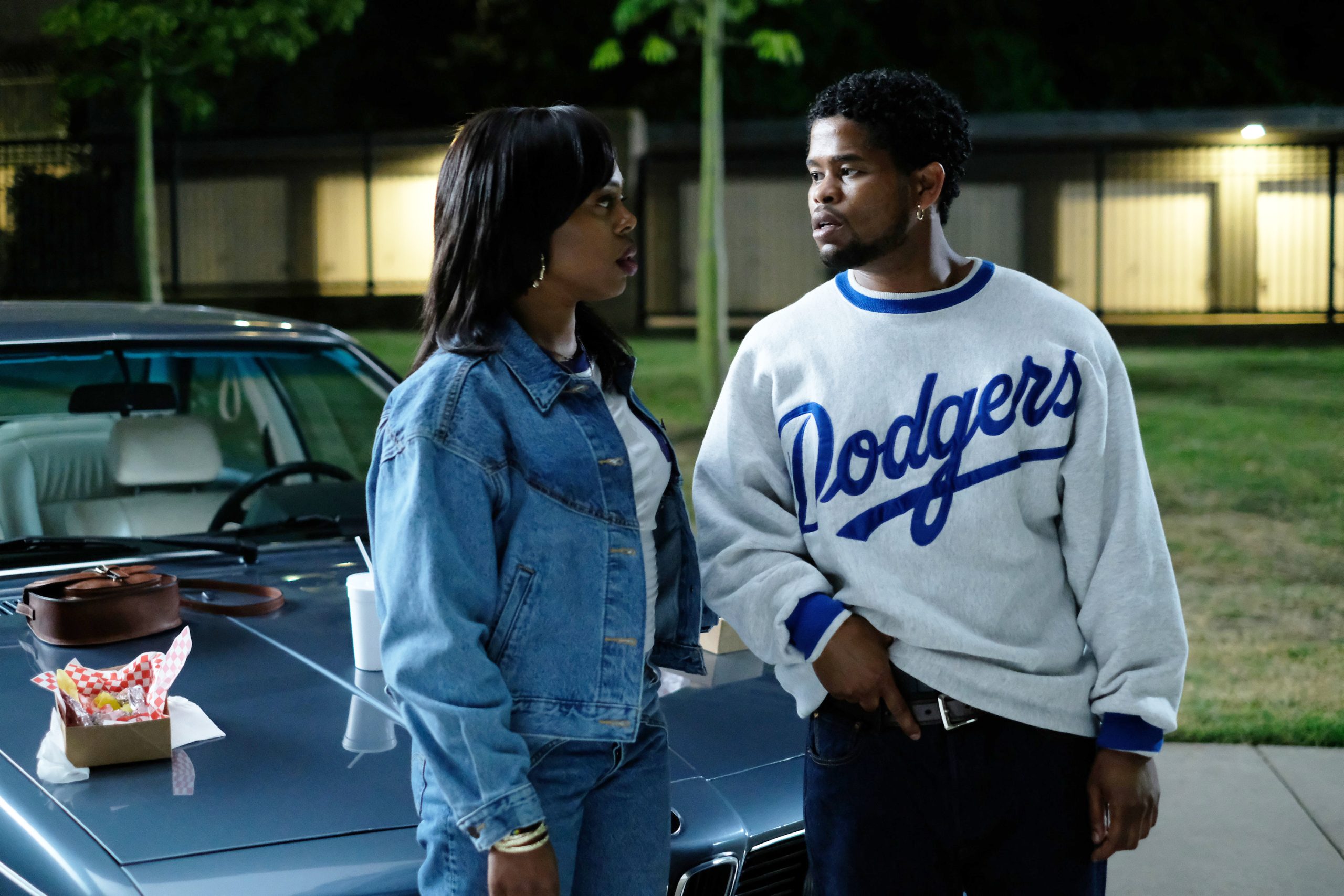
The Drop: A Snowfall Saga instantly has its own identity. That is the most important thing to say first. Yes, this is connected to Snowfall. Yes, Wanda Bell and Leon Simmons return. Yes, the weight of John Singleton’s original world is all over it. But The Drop is not simply trying to restart Snowfall with a new coat of paint. It has its own style, its own flow, its own aesthetic, and its own pulse.
Set in 1990s Los Angeles, the series follows Wanda Bell, played by Gail Bean, and Leon Simmons, played by Isaiah John, as they fight to reinvent themselves in the aftermath of the crack epidemic. This time, the new game is West Coast rap. Wanda believes the music can reshape culture, and she stakes her future on her cousin Lamar Kinsey, played by Asante Blackk, and rising rapper Artillery, played by Simmie “Buddy” Sims III. But in this world, music, street politics, family pressure, record label greed, and survival are all tied together.
That pivot works. Snowfall was about the destruction of a community through drugs, greed, power, and systems designed to crush people. The Drop moves into what comes after. It is about rebuilding, finding your voice, owning your art, and trying to create something lasting when the same streets, trauma, police pressure, and violence are still waiting outside the studio door.
From the Dope Game to the Rap Game
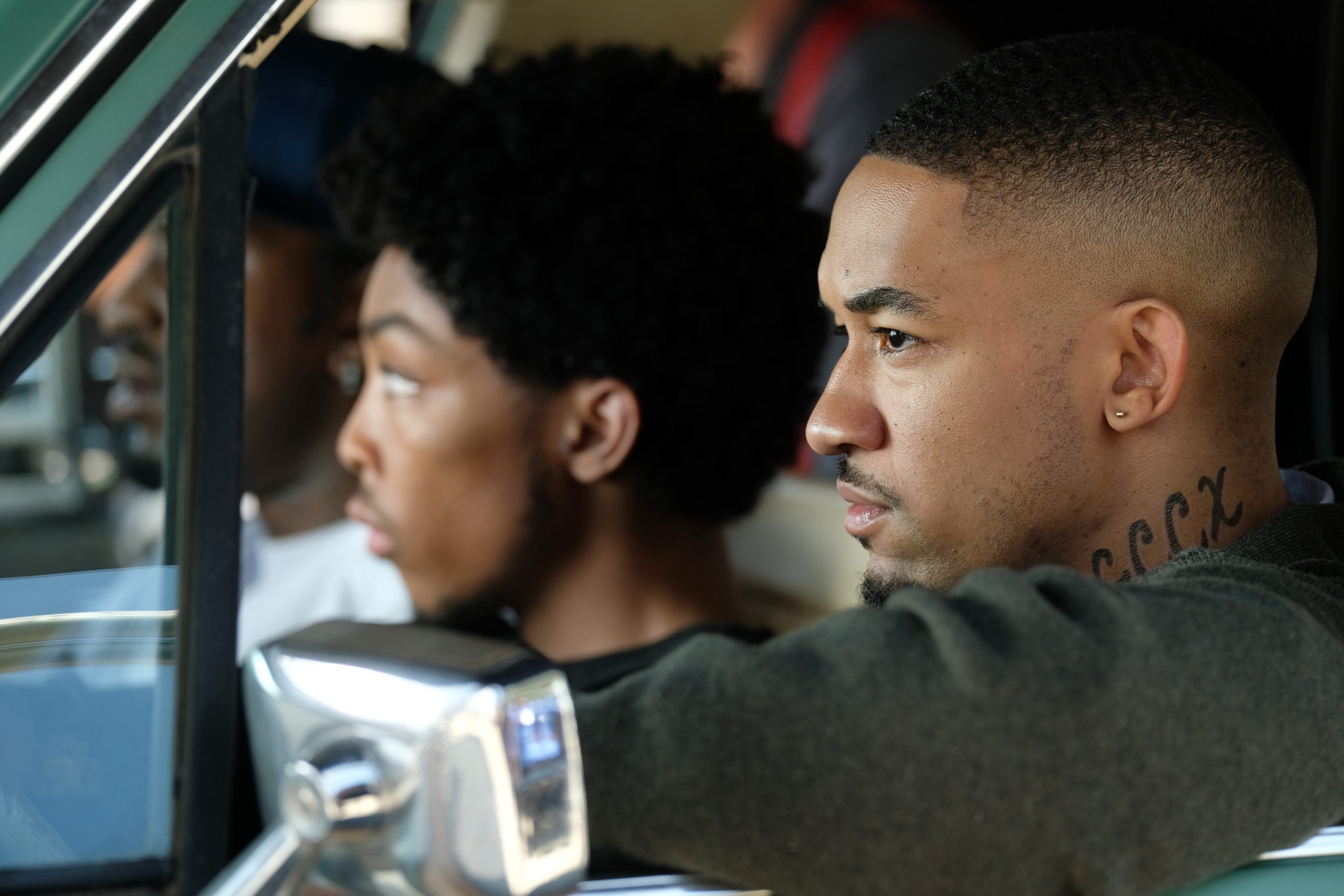
What makes The Drop so exciting is how natural the transition feels. The series understands that the crack era did not simply end and disappear. It left families broken, neighborhoods changed, people grieving, and communities searching for new ways forward. Hip-hop becomes more than a backdrop here. It becomes a lifeline, a business, a battleground, and a cultural weapon.
That is where the show feels so LA. The music, cars, clothes, hairstyles, studio sessions, neighborhood corners, and period-specific details all work together to place you directly in the era. There are references and era-appropriate touches throughout that fans of the time period will appreciate because they make sense inside this world. Nothing feels random. The show knows the language, rhythm, and temperature of 1990s Los Angeles.
The series also uses flashbacks in a smart way, reaching back into earlier family history and giving those sequences a distinct look and texture. Those moments add depth to the Kinsey family and remind you that what is happening in the 1990s did not begin there. Family secrets, generational wounds, survival choices, and cultural identity all stretch backward.
That layered history gives The Drop real weight. This is not just a music-industry drama. It is a story about what Black families inherit, what they survive, and what they are willing to risk to build something better.
Gail Bean Anchors the Series
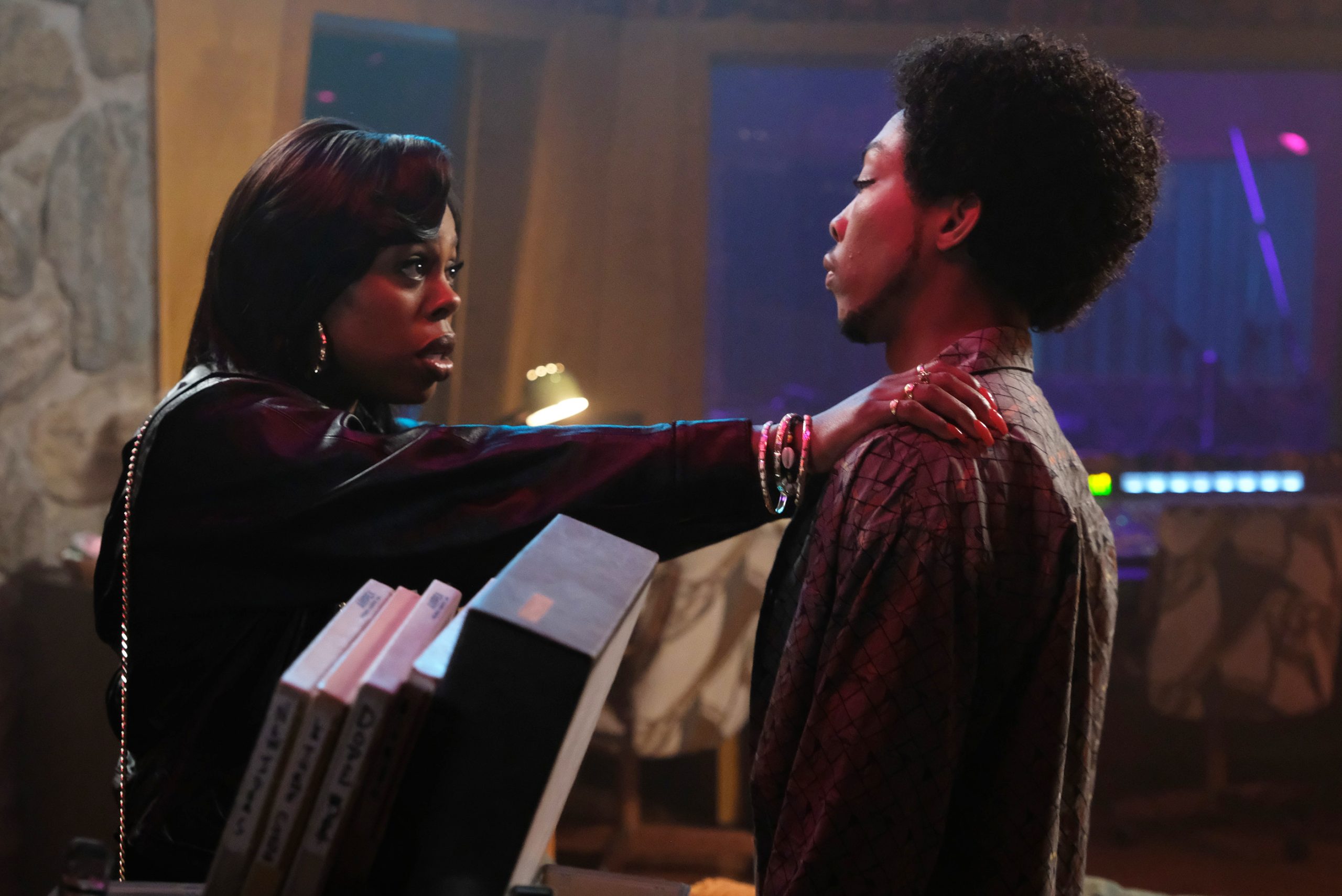
Gail Bean is the heart of the show. Wanda’s journey from addiction, survival, and recovery into ambition, vision, and leadership gives The Drop its emotional center. She is not written as someone magically healed because the story moved forward. She is a woman still carrying her past while trying to prove she is more than the worst chapters of her life.
Bean plays Wanda with strength, vulnerability, and lived-in honesty. She understands the character’s fire, but she also understands the obstacles Wanda faces as a Black woman trying to be taken seriously in a world that keeps reminding her where she came from. Wanda has to know the streets, understand the music, fight for respect in business rooms, and hold herself together when family, history, and doubt keep pulling at her.
That complexity makes her one of the strongest reasons this spinoff works. Wanda is not just a bridge to Snowfall. She is a lead capable of carrying this next chapter.
Isaiah John also brings a strong emotional presence as Leon. His return matters because Leon understands how close the streets are to the music industry. He has lived enough pain to recognize danger before other people do, and that creates real tension between his desire for redemption and Wanda’s hunger to build something new. Leon is trying to leave the streets behind, but the show makes it clear that leaving is never as simple as walking away.
The Family Table Hits Hard
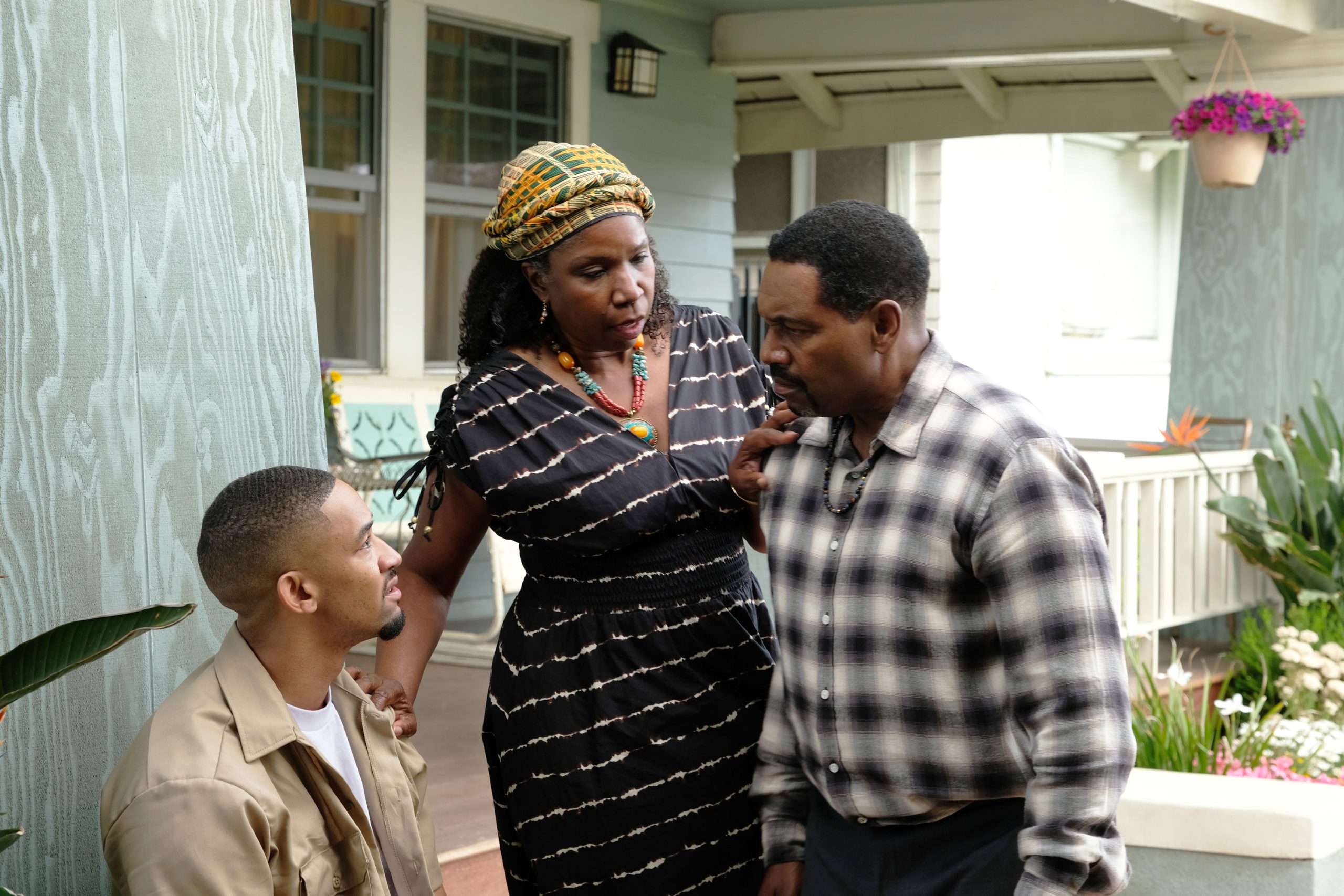
Some of the strongest scenes in The Drop are not the flashy ones. They are the family scenes. Watching a group of Black people sit around a table and talk through family challenges, history, secrets, pain, expectations, and ambition is powerful because the show gives those conversations room to breathe.
The Kinsey family dynamic gives the series a real emotional backbone. Mykelti Williamson as Big Daddy and Nicki Micheaux as Mama G bring stability, history, and pressure to the family unit. Their presence matters because they represent a generation that has seen enough to be protective, skeptical, and wounded in ways the younger characters do not always understand.
Peyton Alex Smith’s James Kinsey and Asante Blackk’s Lamar add another layer to that push and pull. Lamar is the dream, the sound, the possibility of something bigger. James is wrestling with his own path, identity, and loyalty. Together, they help the show explore what happens when ambition becomes a family concern, not just an individual goal.
That is where The Drop runs deeper than expected. It has gangster energy, studio electricity, and street-level danger, but it also has emotional conversations about trauma, everyday struggle, and the cost of trying to become something new when your family history keeps demanding answers.
The Music Is the Main Character
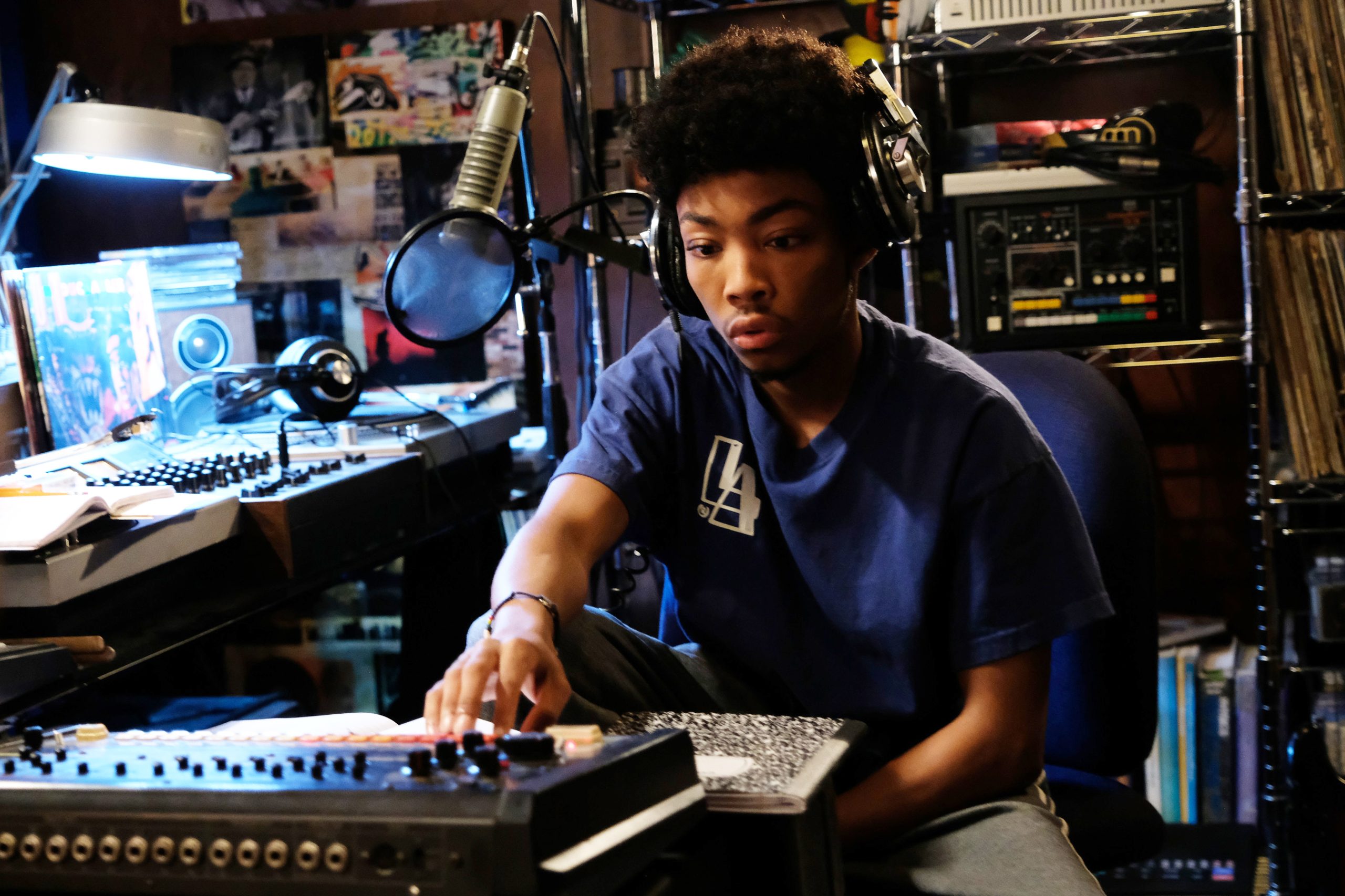
The music is fire. From the theme song with an unreleased Nipsey Hussle track to the beats, needle drops, studio sessions, and West Coast sound, The Drop understands that music cannot just sit in the background. It has to drive the story.
Rance and the music team kill it. The show captures the feeling of watching records come together, watching artists find their sound, and watching a movement become something bigger than the room it started in. The studio scenes have electricity because they are not just about making songs. They are about survival, expression, ownership, and power.
That is also where the show becomes a strong commentary on Black art and corporate exploitation. The record labels see money in the culture, but the artists and creators see identity, truth, and a chance to shift the future. That tension gives the series one of its sharpest conflicts. Who owns the sound? Who profits from pain? Who gets to decide what Black creativity is worth?
Artillery, played by Buddy, is a major part of that energy. He brings natural charisma, musical authenticity, and the kind of presence that makes you understand why people would follow him. The show uses him well as both a performer and a symbol of what this era could become.
A Cast Full of Characters You Want More From
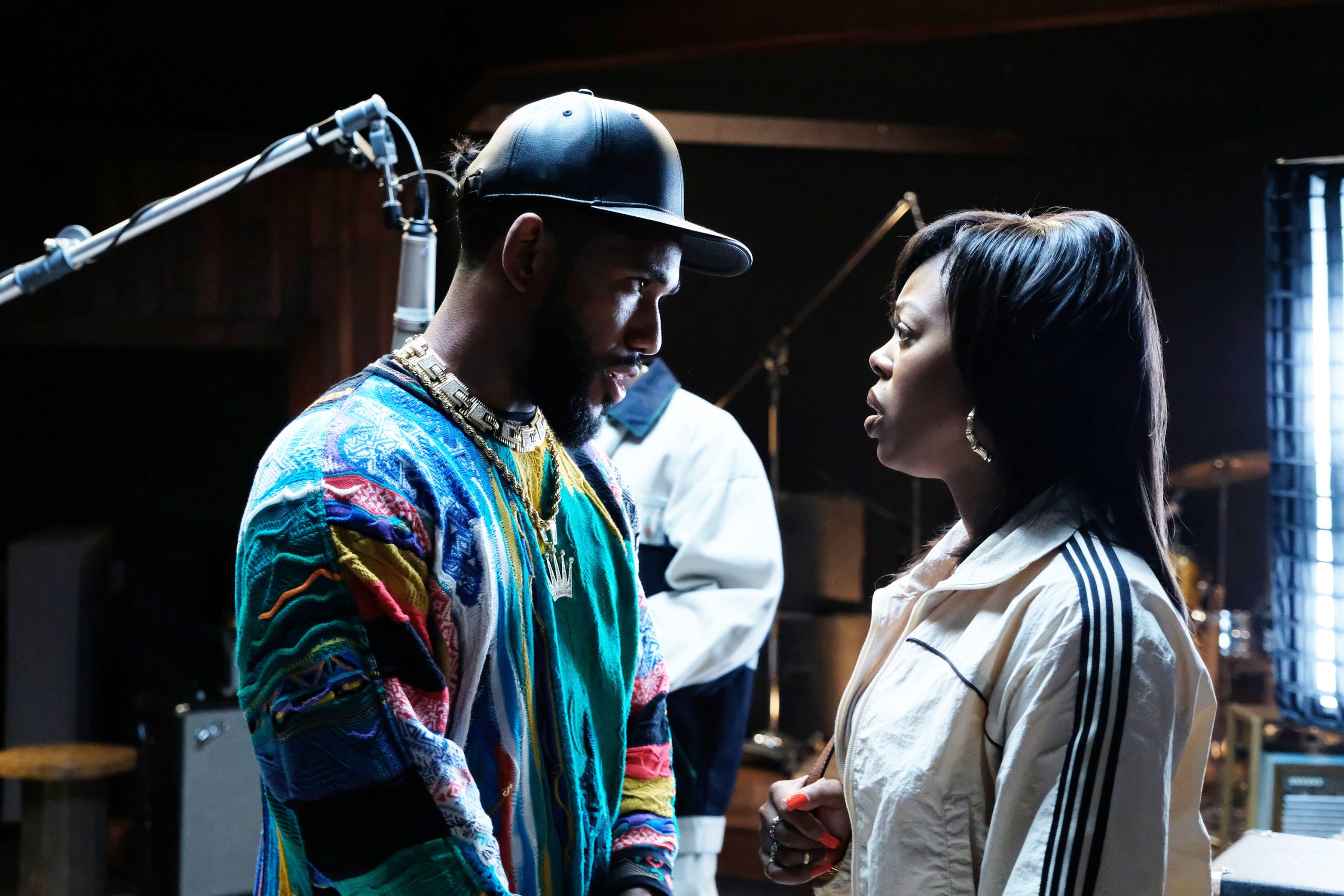
One of the best signs for The Drop is how many characters feel like they could carry more story. Asante Blackk gives Lamar a mix of vulnerability, genius, and hunger that makes him easy to invest in. Peyton Alex Smith adds complexity to James. Buddy brings Artillery to life with real swagger and musical truth.
Brandon Mychal Smith also stands out as Darryl “DG” Grant. DG is one of those characters who immediately adds flavor to the business side of the story. His presence creates opportunity, tension, and another reminder that the music industry can be just as dangerous as the streets, only with better clothes and contracts.
Aleyse Shannon’s Dara is another character to watch. Dara is going to be a problem, and I mean that in the best way. Every moment with her suggests there is more strategy, danger, and power waiting to unfold. Isidora Goreshter’s Jenny Favarella also feels like someone who could become increasingly interesting as the series keeps pushing deeper into the label politics and industry power plays.
That is why the show feels built for a long run. There is story everywhere. Almost every character feels like they have a past, a motive, and a future worth exploring.
LA Looks and Feels Alive
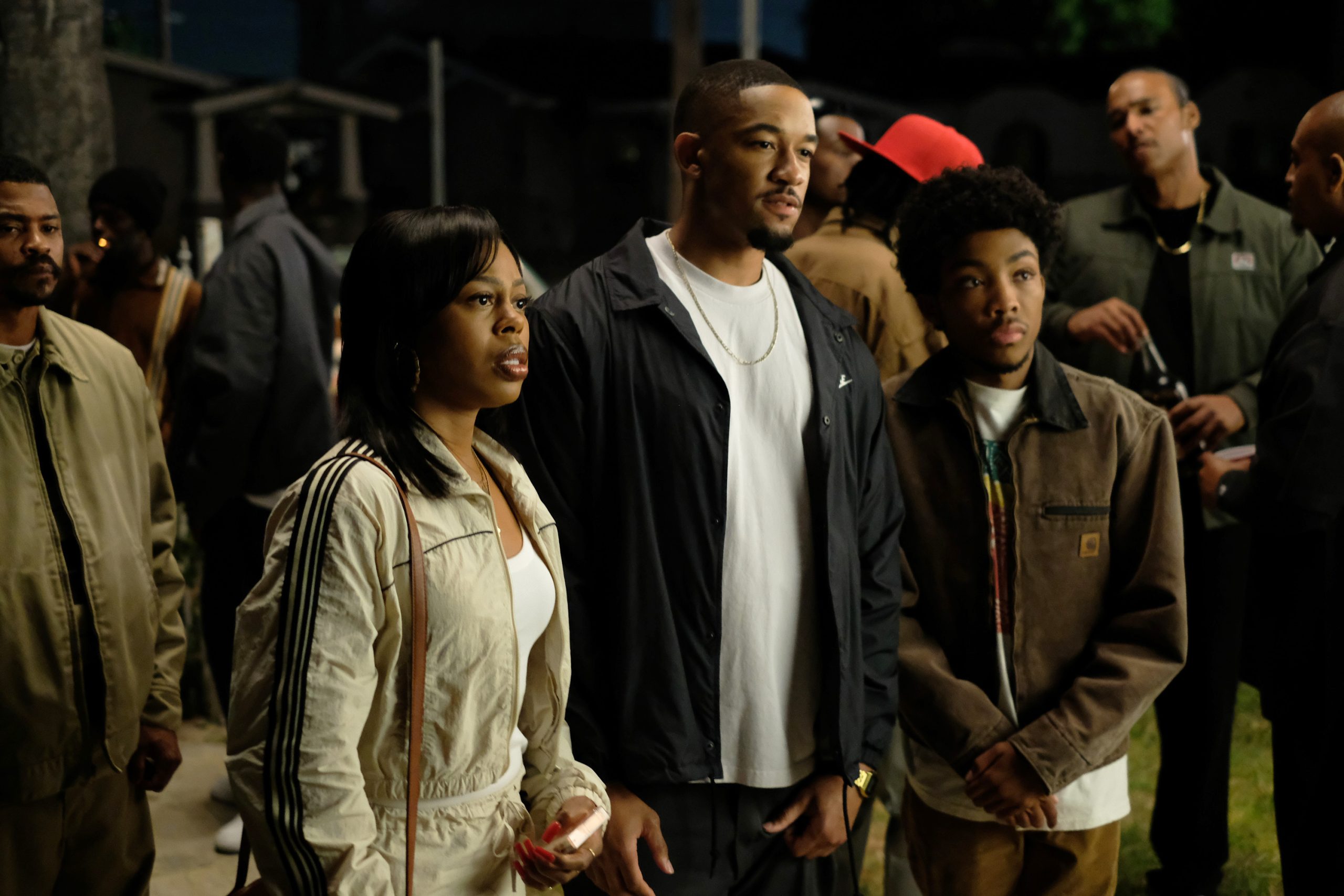
The cinematography alone makes The Drop a great watch. The shots of Los Angeles are full of vibe, perspective, and texture. The camera captures the city with warmth, danger, beauty, and history. You feel the sun, the streets, the studios, the cars, the corners, and the rooms where decisions are being made that could change someone’s life or end it.
The show has a strong visual rhythm. It knows when to feel cinematic, when to feel intimate, and when to let the music dictate the movement. The editing often mirrors the tempo of the songs, allowing studio scenes and street tension to feed into each other.
That style is important because The Drop is not only telling you this era mattered. It is showing you why it felt alive.
When the Show Slows Down
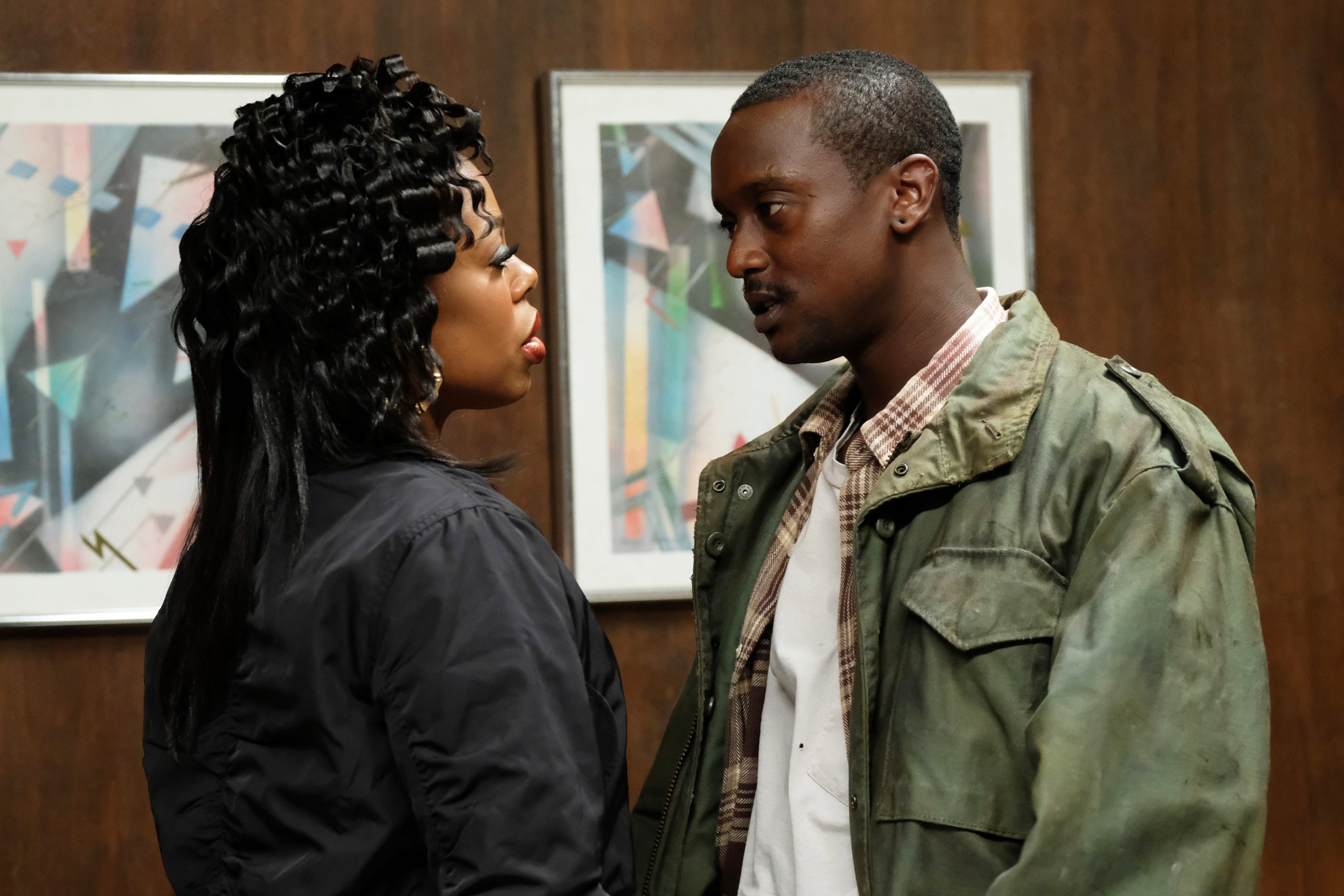
The only real issue is that the series occasionally stretches itself trying to balance everything. The boardroom and label-politics material is important, but there are moments where those scenes slow the momentum compared to the family drama, street tension, and music creation.
That does not break the show, but it is noticeable. The Drop is strongest when it keeps the personal, cultural, and musical stakes connected. When it leans too far into corporate debates, the energy dips slightly. Still, even those moments have a purpose because the series is exploring how Black creativity gets packaged, challenged, exploited, and sold.
The good outweighs the drag. By the end of the early episodes, the world feels rich enough that the slower pieces still feel like setup for something bigger.
The Legacy Continues
The Drop: A Snowfall Saga is a worthy continuation because it honors what came before while refusing to live in its shadow. It carries John Singleton’s spirit by showing Black people with humanity, dignity, flaws, humor, pain, ambition, and love. It does not flatten the community into trauma, and it does not ignore the danger either. It holds both.
That balance is what makes the show hit. It understands the current state of Black people in 1990s LA, the impact of gangs, the aftermath of the crack era, police brutality, music as liberation, and family as both burden and shelter. It is for the culture in a way that feels earned.
The Drop has strong performances, charismatic characters, great music, beautiful LA cinematography, and a clear reason to exist. It may have been born from Snowfall, but it quickly proves it can stand on its own.
This is not just a spinoff. It is a new rhythm, a new movement, and a new chapter with plenty of story left to tell.

Editor-in-Chief | Owner
I’m a dedicated aficionado of all things movies, pop culture, and entertainment. With a passion for storytelling and a love for the silver screen, I’m constantly immersed in the world of cinema, exploring new releases, classics, and hidden gems alike. As a fervent advocate for the power of film to inspire, entertain, and provoke thought, I enjoy sharing my insights, reviews, and recommendations with fellow enthusiasts.