


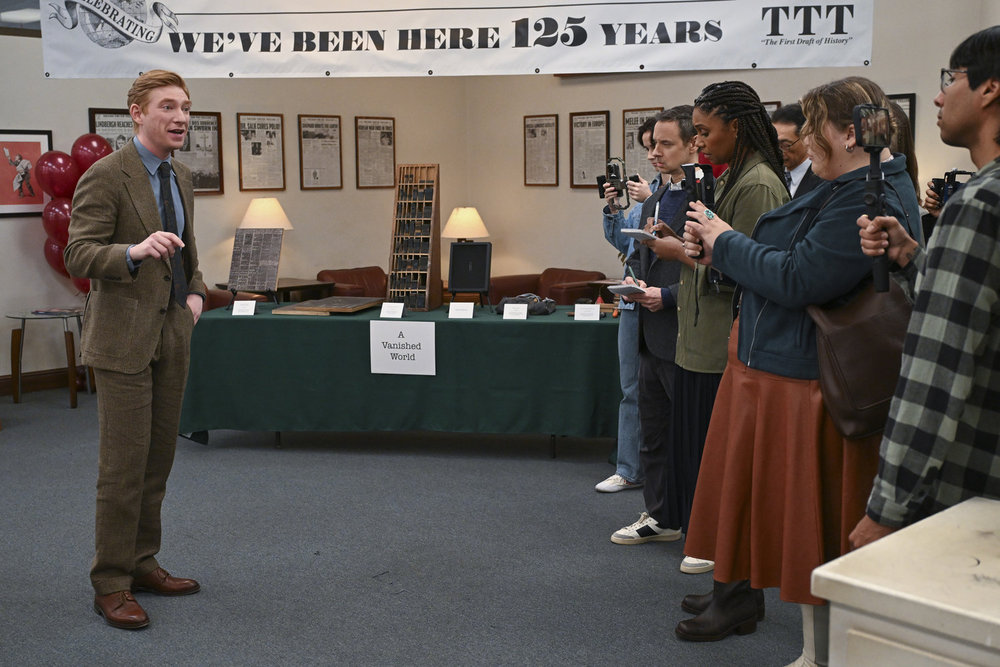
The Paper Season 2 is exactly where this show starts to feel more confident in its own identity. Season 1 had the impossible task of proving that a series connected to The Office could exist without feeling like a nostalgia trap. Season 2 gets to move past that pressure and become what it was clearly built to be: a fast, funny, warm workplace comedy about people trying to keep local journalism alive when the entire world around them seems determined to make that impossible.
The setup remains simple and smart. The same documentary crew that once followed Dunder Mifflin’s Scranton branch has now found a new subject at The Truth Teller, a historic Midwestern newspaper being revived by idealistic publisher Ned Sampson, played by Domhnall Gleeson. In Season 2, after the paper gains momentum from the Ohio Journalism Awards, Ned goes looking for a bigger journalistic crusade, the staff gradually mature as reporters, and the newsroom starts feeling less like a joke and more like a real underdog operation.
That is the biggest improvement this season. The Paper still has the awkward pauses, uncomfortable glances, strange office behavior, and mockumentary rhythms fans expect from this universe, but Season 2 has more fire underneath it. The comedy is sharper because the mission is clearer. These people are not just funny because they are trapped in a weird workplace. They are funny because they are trying to do meaningful work while being deeply unprepared, under-resourced, and surrounded by chaos.
A Stronger Newspaper Story
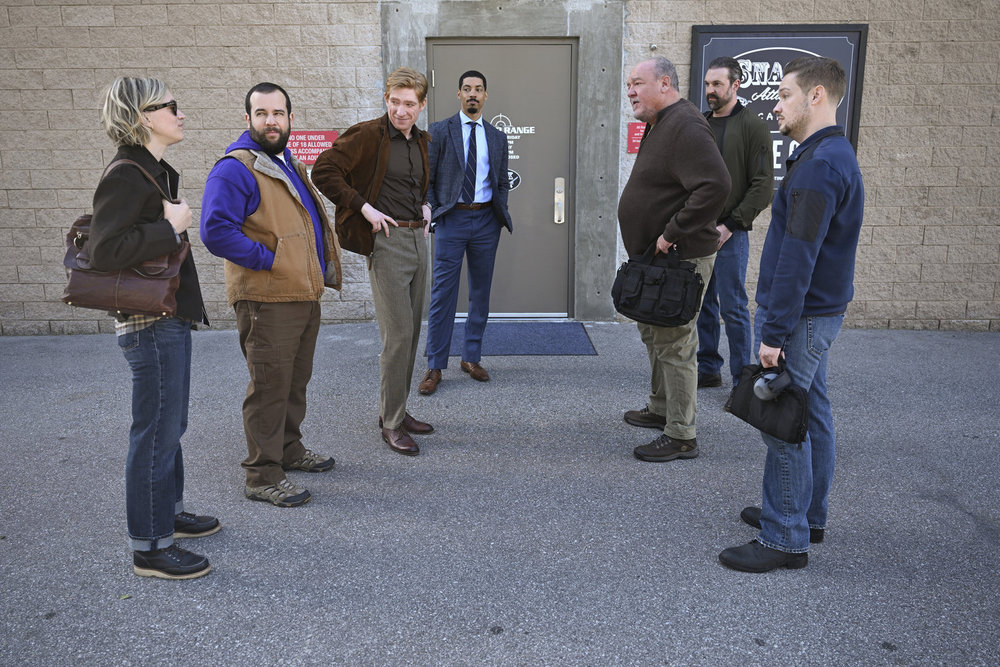
Season 2 works because it takes the paper itself more seriously. The Truth Teller is not just a setting anymore. It becomes the thing everyone is fighting for, even when half the staff does not fully understand what that fight means yet.
The season leans into the fragile state of local journalism without becoming too preachy. There is a real tension between Ned’s romantic belief in original reporting and the practical reality of trying to run a newspaper without enough money, enough staff, or enough institutional support. That makes the show feel especially timely. In a world where local papers are disappearing, being hollowed out, or reduced to recognizable names with very little reporting power behind them, The Paper finds comedy in the struggle without mocking the importance of the work.
That balance is important. The show understands that local journalism can be messy, boring, thankless, and occasionally absurd, but it also understands why it matters. The best parts of the season come when small newsroom victories feel bigger than they should because the staff has actually earned them.
Domhnall Gleeson Gives Ned More Shape
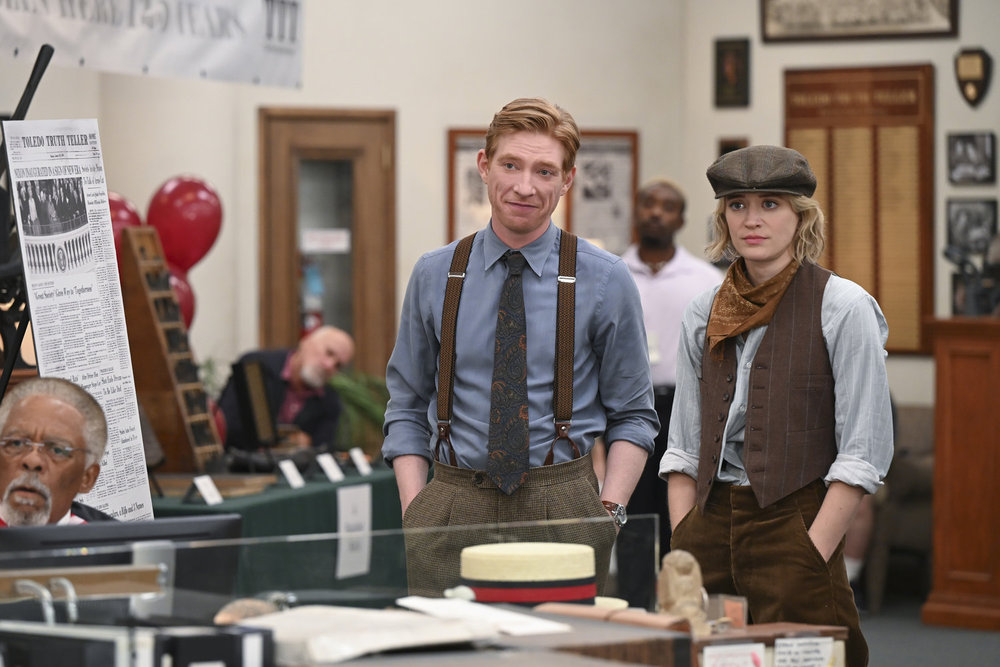
Domhnall Gleeson continues to be the right choice as Ned Sampson. Ned is a noble romantic and an intriguing weirdo, which is exactly the kind of combination this mockumentary format knows how to use. He believes in the paper with almost embarrassing sincerity, and that sincerity is both his greatest strength and his biggest problem.
Season 2 gives Ned more urgency. He is not simply trying to keep the paper alive. He is trying to prove it can still matter. That makes him funnier because his ambition keeps pushing him into situations he is not fully ready to handle. But it also makes him easier to root for because his heart is clearly in the right place.
The season also gets a lot of mileage out of Ned and Mare Pritti, played by Chelsea Frei. Their dynamic gives the show an awkward romantic tension that fits the mockumentary style well. It never needs to become too polished or sitcom-slick. The discomfort is part of the charm.
The Ensemble Starts Clicking
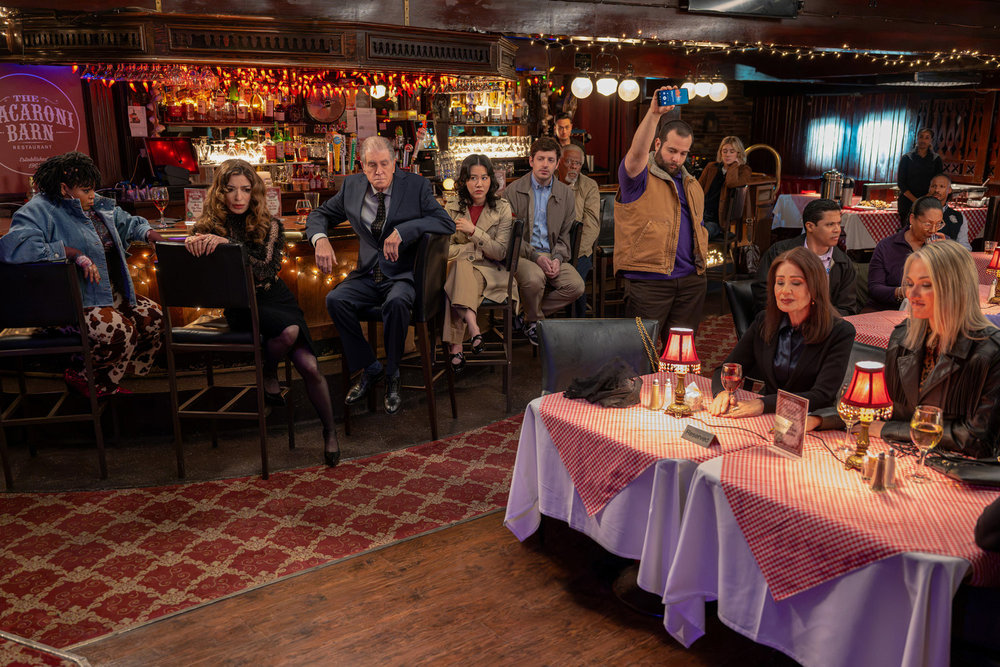
One of the best things about Season 2 is how much the ensemble improves as a unit. The newsroom no longer feels like a collection of people waiting for their individual joke. The staff feels more connected, more comfortable, and more capable of carrying episodes together.
Sabrina Impacciatore remains a major comedic force as Esmeralda Grand. She plays the character with a wild mix of confidence, insecurity, vanity, and chaos, and Season 2 gives her plenty of room to make small workplace problems feel like personal catastrophes. The show knows how funny she is and wisely lets her push scenes into uncomfortable territory without completely breaking the tone.
Oscar Nuñez continues to be a valuable bridge to The Office, but he does not feel like a crutch. Oscar Martinez is still the voice of reason, still reluctant to be pulled into documentary nonsense again, and still funny because he knows exactly how ridiculous everyone around him sounds. His presence gives longtime fans a connection point without making the new cast feel secondary.
Melvin Gregg, Gbemisola Ikumelo, Ramona Young, Eric Rahill, Duane Shepard Sr., Tim Key, and Alex Edelman all help fill out the world with distinct rhythms. The more the staff grows into their roles as amateur reporters, the better the series becomes. There is real pleasure in watching people who began as workplace eccentrics slowly become a team.
The Office DNA Is There, But It Has Its Own Voice
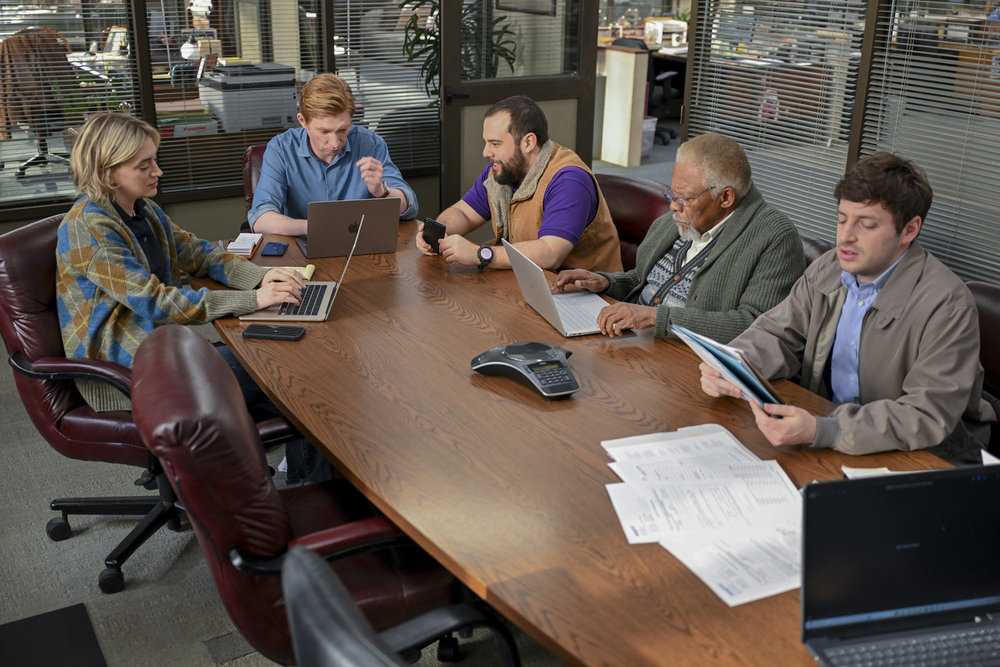
The connection to The Office is obvious, but Season 2 is stronger because it stops acting like it needs to constantly remind you of that connection. Greg Daniels and Michael Koman understand the mockumentary format, and the season benefits from how strictly it plays by those rules. Characters know they are being watched, sometimes they perform for the camera, sometimes they hide from it, and sometimes the camera catches the truth they are trying not to say out loud.
That is where the comedy lands best. The awkwardness does not feel forced because the format is built around discomfort. The show can turn a look, a pause, a bad decision, or a badly timed comment into a full joke without having to oversell it.
But The Paper is not The Office in a newsroom costume. It has a different workplace, a different city, a different mission, and a different emotional engine. The Office was often about finding joy when work itself did not give you enough meaning. The Paper is about people discovering that work can give them purpose, even when that work is chaotic, underpaid, and possibly doomed.
That distinction matters, and Season 2 understands it much better.
Local Journalism Gets the Laughs and the Stakes
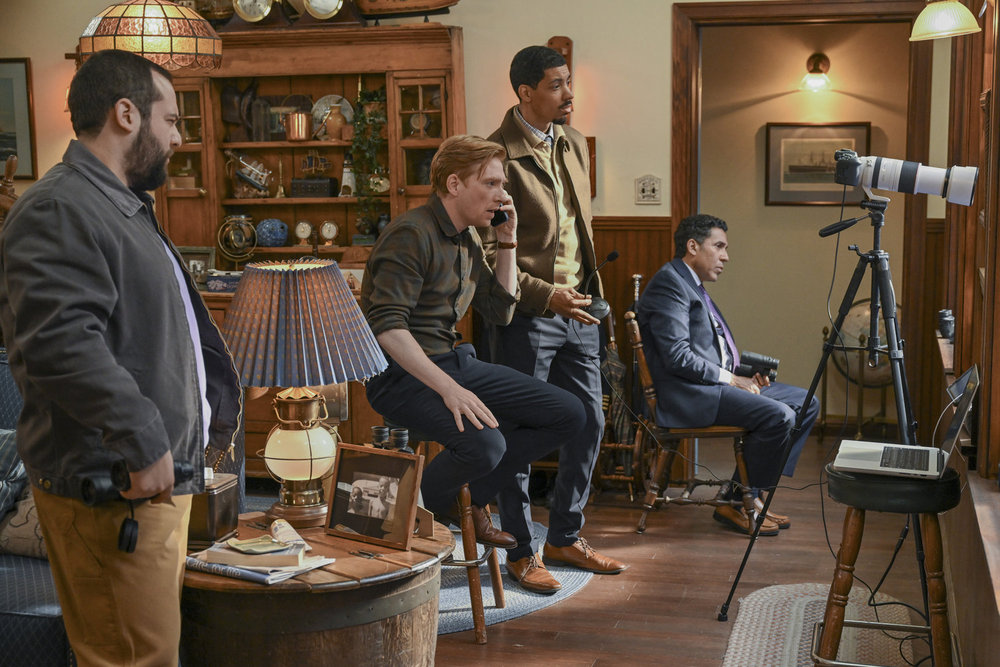
What makes the season feel more relevant is the way it ties newsroom comedy to the larger media crisis. The show gets laughs from bad headlines, awkward reporting, office politics, fake confidence, and deadline panic, but it also keeps circling back to a serious question: who holds power accountable when local news disappears?
That gives the comedy a sharper edge. The staff may be inexperienced, but the work itself is not treated as meaningless. A small paper chasing a local story can still matter. A reporter asking the right question can still disrupt powerful people. A newsroom full of oddballs can still become a civic force if they care enough to keep showing up.
The season also understands the absurdity of modern media pressure. Traffic, cost, optics, ownership, and survival all hang over the story. The show does not need to turn into a lecture about consolidation, algorithms, or content farming to make its point. The anxiety is already built into the premise. A historic paper trying to act like a real newspaper again is funny because it should not feel radical, but in this media landscape, it does.
When the Season Gets Crowded
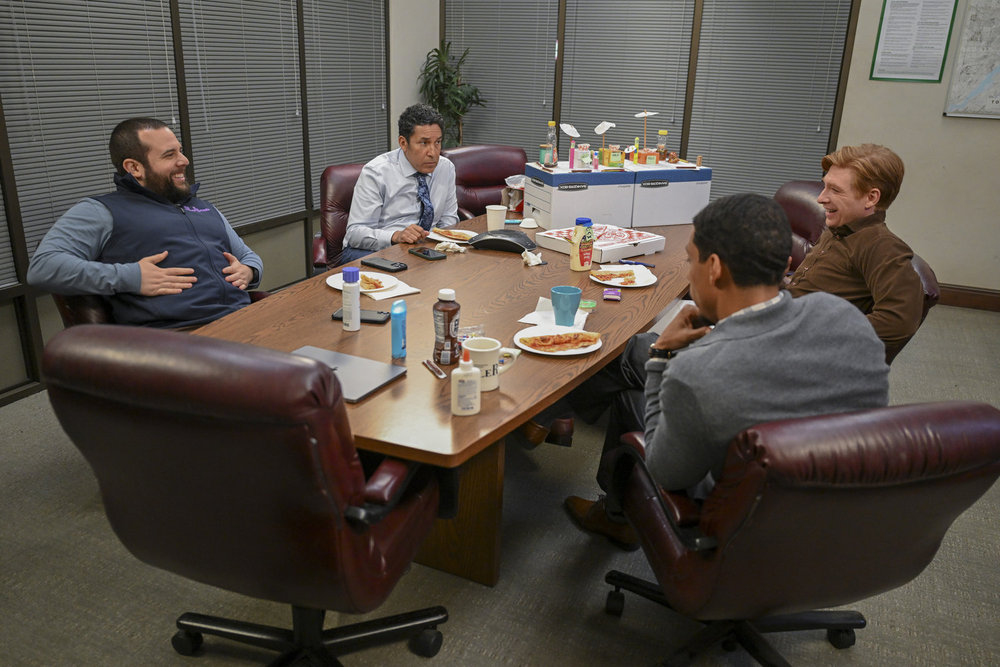
The season is not flawless. At times, the half-hour format gets crowded trying to balance newsroom antics, character relationships, local investigations, workplace politics, and broader industry satire. Some middle episodes slow down when the show shifts too far away from the newsroom’s most immediate energy.
There are also moments where the satire works better as an idea than as a scene. The show is strongest when it lets the characters reveal the absurdity through behavior. When it leans too hard into explaining the institutional problems around the paper, the rhythm can dip slightly.
Still, those weaker patches do not take away from the overall growth. Season 2 is funnier, sharper, and more emotionally focused than the show’s first outing. It feels like a comedy that knows which characters are working, which dynamics have heat, and which parts of the premise have real staying power.
Worthy of the Front Page
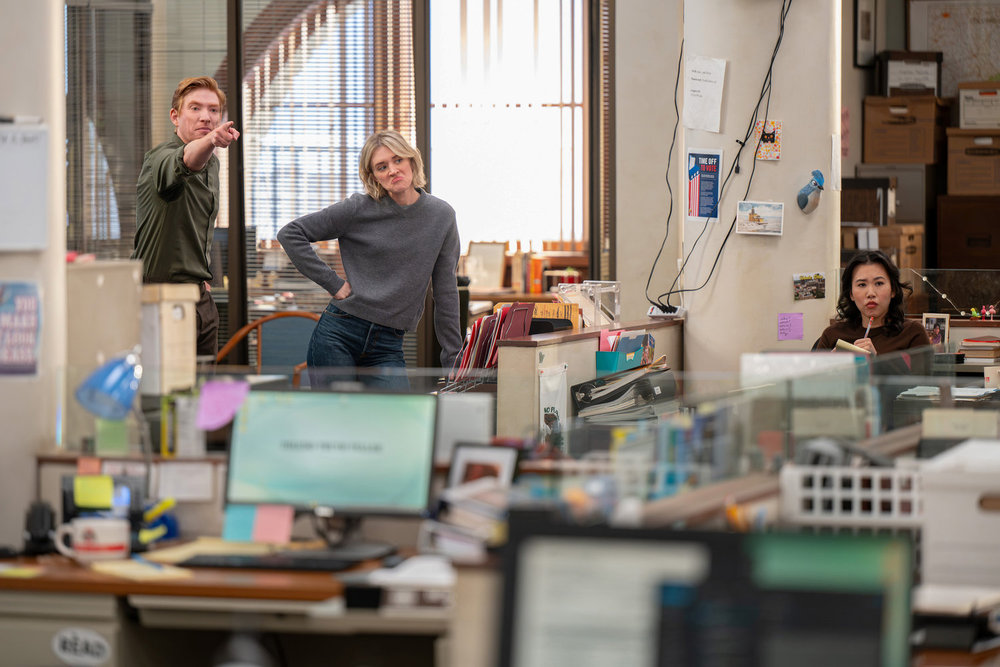
The Paper Season 2 is a major step forward. It keeps the mockumentary DNA that connects it to The Office, but it finally feels like a show with its own reason to exist. The ensemble is stronger, the jokes hit more consistently, and the newsroom stakes give the season a stronger emotional spine.
What makes it work is the combination of intelligence and warmth. The show is funny about local journalism without being cynical about it. It knows these characters are ridiculous, but it also believes their work matters. That makes the season feel more rewarding than a simple workplace comedy revival.
Peacock has a real winner here. The Paper Season 2 sharpens the show’s voice, deepens its newsroom mission, and proves that this corner of The Office universe has plenty of stories left to publish.

Editor-in-Chief | Owner
I’m a dedicated aficionado of all things movies, pop culture, and entertainment. With a passion for storytelling and a love for the silver screen, I’m constantly immersed in the world of cinema, exploring new releases, classics, and hidden gems alike. As a fervent advocate for the power of film to inspire, entertain, and provoke thought, I enjoy sharing my insights, reviews, and recommendations with fellow enthusiasts.