


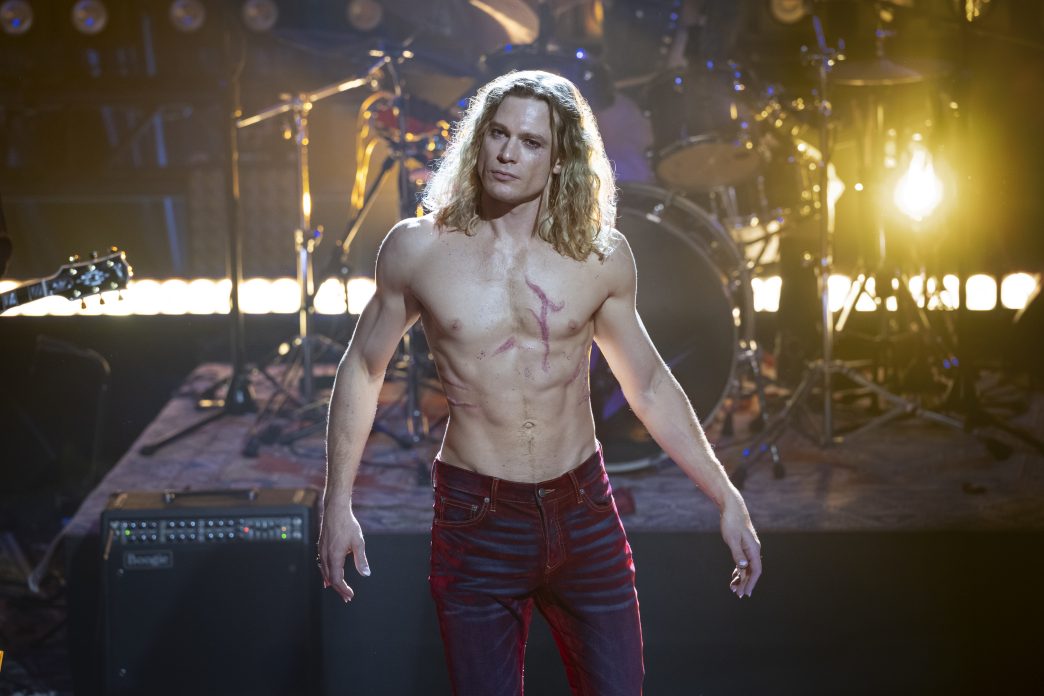

AMC‘s Interview with the Vampire was already one of television’s most daring literary adaptations. With The Vampire Lestat, the series doesn’t simply continue the story. It reinvents itself entirely.
The rebranded third season trades the gothic melancholy of New Orleans for sold-out concerts, tour buses, recording studios, hotel rooms, and the chaotic energy of a vampire rock star standing at the center of the world. What could have easily felt like a gimmick instead becomes one of the most ambitious creative swings currently on television.
After six episodes, The Vampire Lestat isn’t just great television. It’s an experience.
And it may very well be the series’ best season yet.
Sam Reid Takes Center Stage
If the first two seasons belonged to Louis, this season belongs entirely to Sam Reid.
Reid has always been excellent as Lestat de Lioncourt, but Season 3 asks him to carry a completely different type of story and he rises to the challenge in spectacular fashion.
One moment he’s an arrogant, strutting rock star soaking in the attention of thousands of screaming fans. The next he’s a deeply wounded immortal struggling under centuries of grief, abandonment, trauma, and regret. Reid effortlessly balances the absurdity, humor, camp, heartbreak, and emotional devastation required for the role.
What makes the performance so remarkable is how many different versions of Lestat exist simultaneously throughout the season. He is charming, manipulative, vulnerable, selfish, loving, hilarious, terrifying, and completely broken all at once.
Reid doesn’t just play a rock star; he embodies a creature using a literal stadium tour as a defense mechanism to keep three centuries of abandonment, trauma, and desolation from completely collapsing him.
It’s the kind of performance that deserves serious awards consideration.
Memory Is Still the Monster
One of the smartest decisions the season makes is refusing to simply retell old stories from a different perspective.
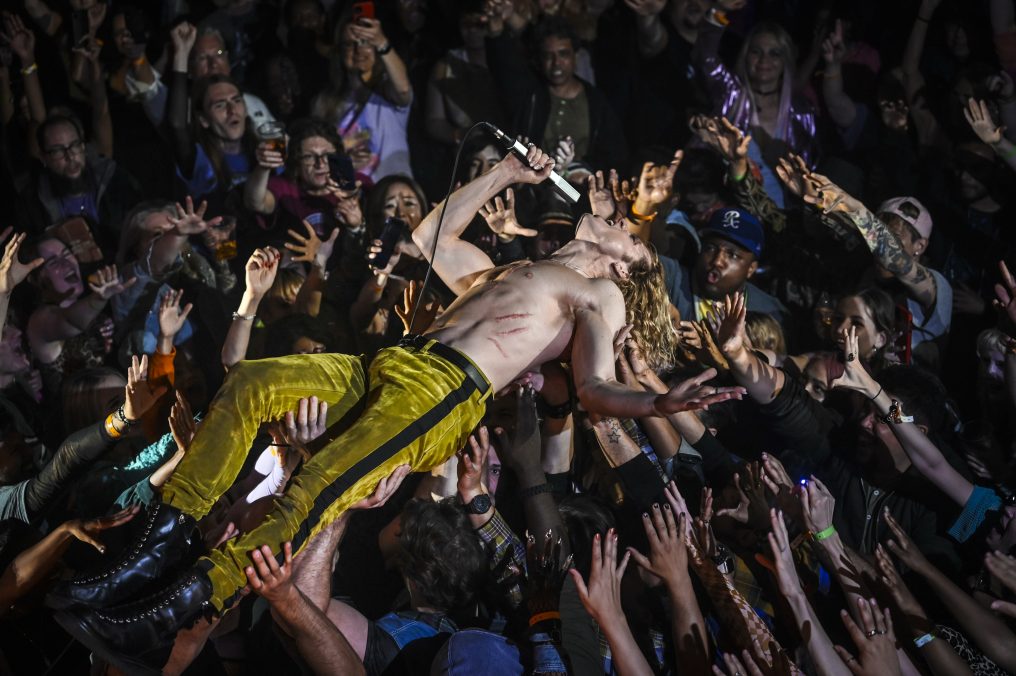
Instead, The Vampire Lestat becomes a fascinating battle over ownership of memory itself.
The first two seasons were largely filtered through Louis’ recollections. Now, after Daniel Molloy’s explosive book publication, Lestat finally gets the microphone.
The result is a brilliant inversion of everything that came before.
Rather than suggesting one character was lying and another was telling the truth, the season explores how memory evolves, how trauma reshapes events, and how every person becomes the hero of their own story. The narrative constantly challenges viewers to reconsider previous assumptions while deepening their understanding of these characters.
It’s an inversion of the first two seasons. We are forced to look at the exact same events through a lens of chaotic, defensive, yet radically vulnerable truth.
A Full Sensory Experience
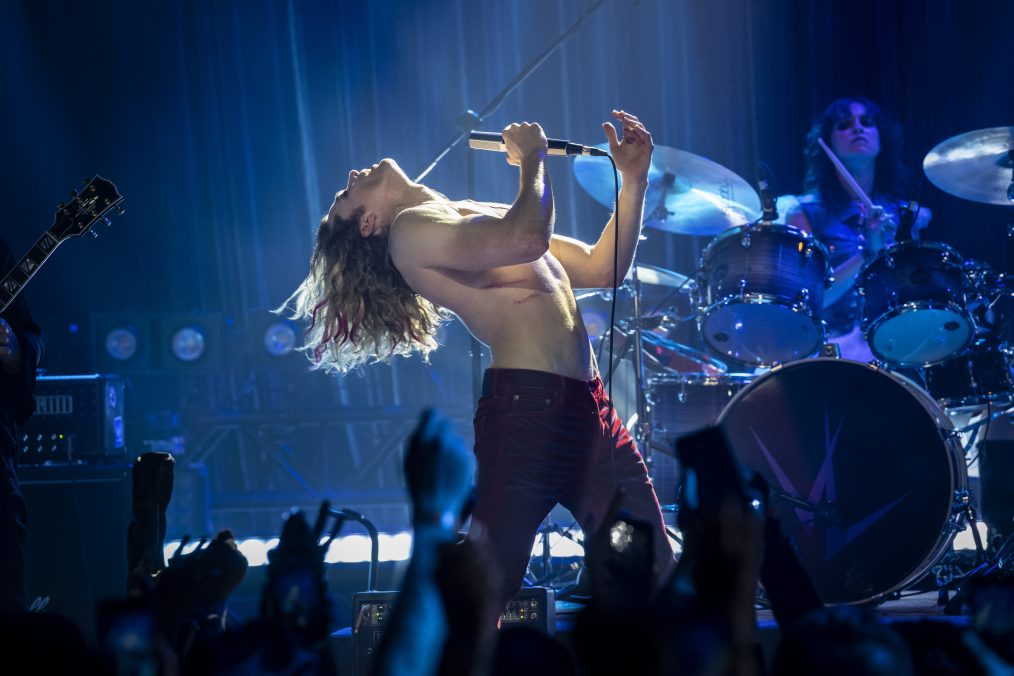
What immediately separates The Vampire Lestat from previous seasons is its complete commitment to the rock-and-roll concept.
The music isn’t simply background noise.
It becomes part of the storytelling itself.
Composer Daniel Hart once again delivers exceptional work, but this season’s musical evolution feels particularly inspired. The performances, recordings, rehearsals, and concert sequences become extensions of Lestat’s emotional state. Early on, the music feels chaotic, unstable, and almost confrontational. As the season progresses, the songs begin reflecting deeper emotional truths and greater vulnerability.

The musical arc of the season is genius, shifting masterfully from performance-as-spiral to performance-as-genuine expression.
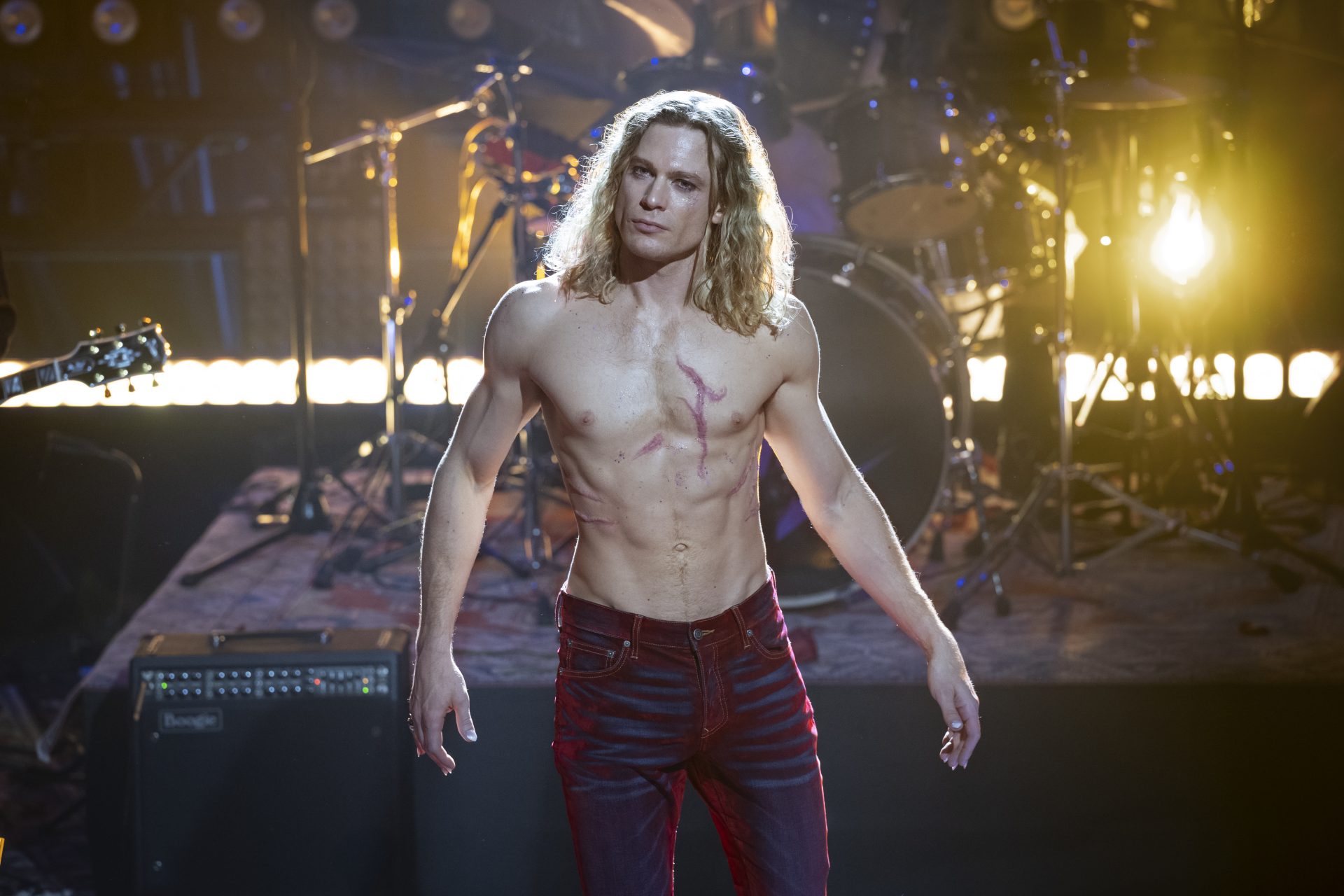
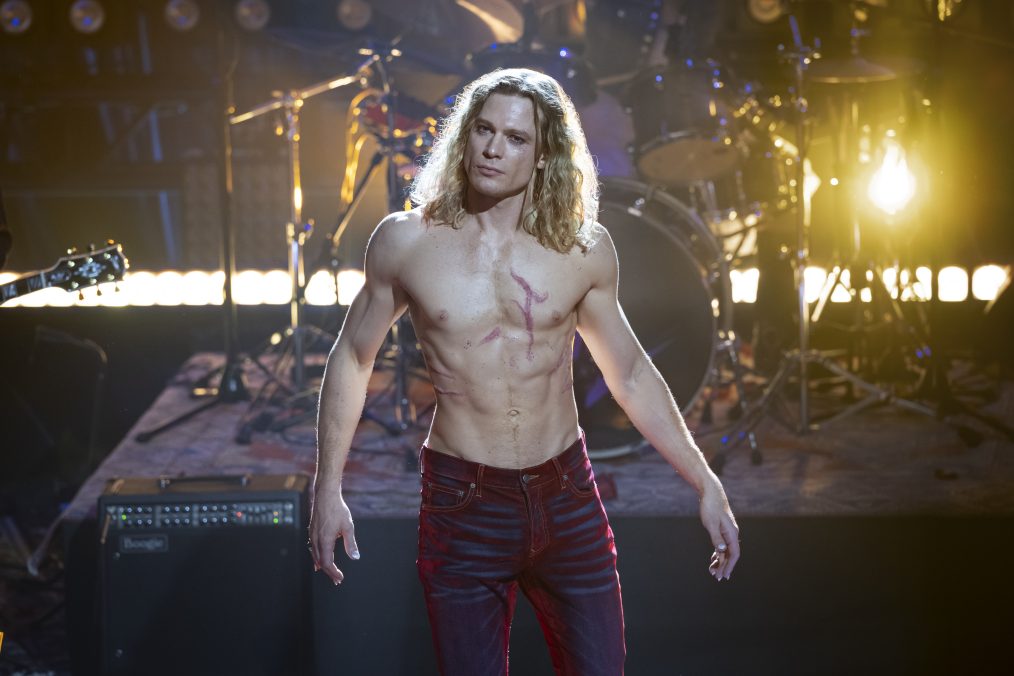
Visually, the series remains stunning. The concert staging, lighting design, production design, editing, graphics, and promotional materials all work together to create something that feels far larger than a television show.
Few television series have ever committed to a season concept as completely as AMC has with The Vampire Lestat. From the posters and tour graphics to the music videos and marketing campaign, every piece of the rollout reinforces the illusion that Lestat is not merely a character in a television show but a genuine rock star preparing for a world tour.
The result is immersive in a way few modern series manage to achieve.
The Supporting Cast Remains Elite
Despite the title change, one of the series’ greatest strengths remains its ensemble.
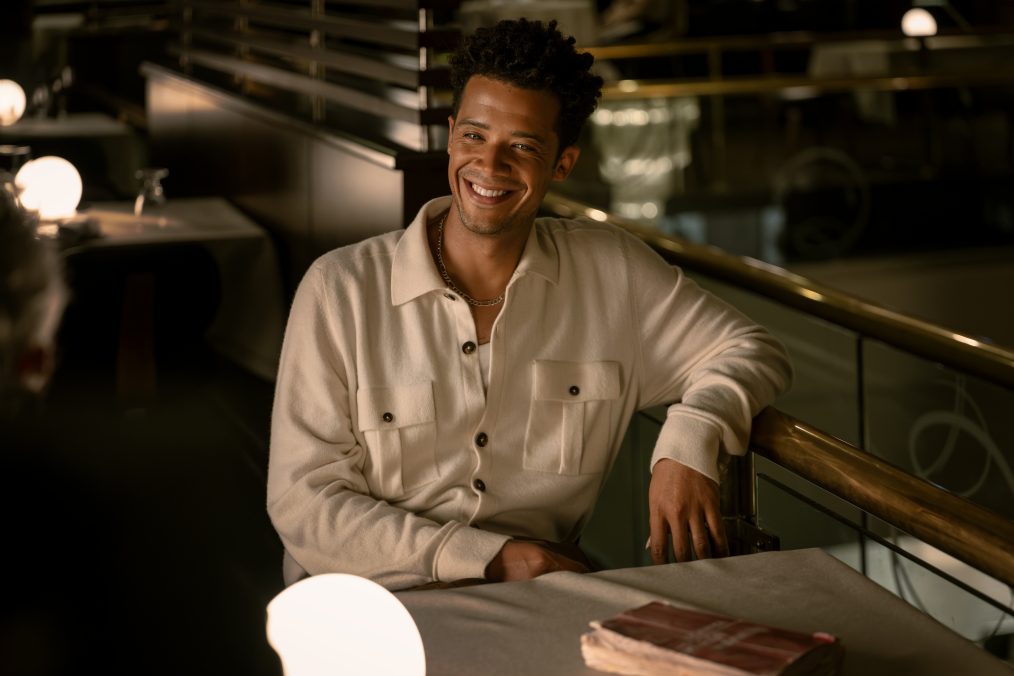
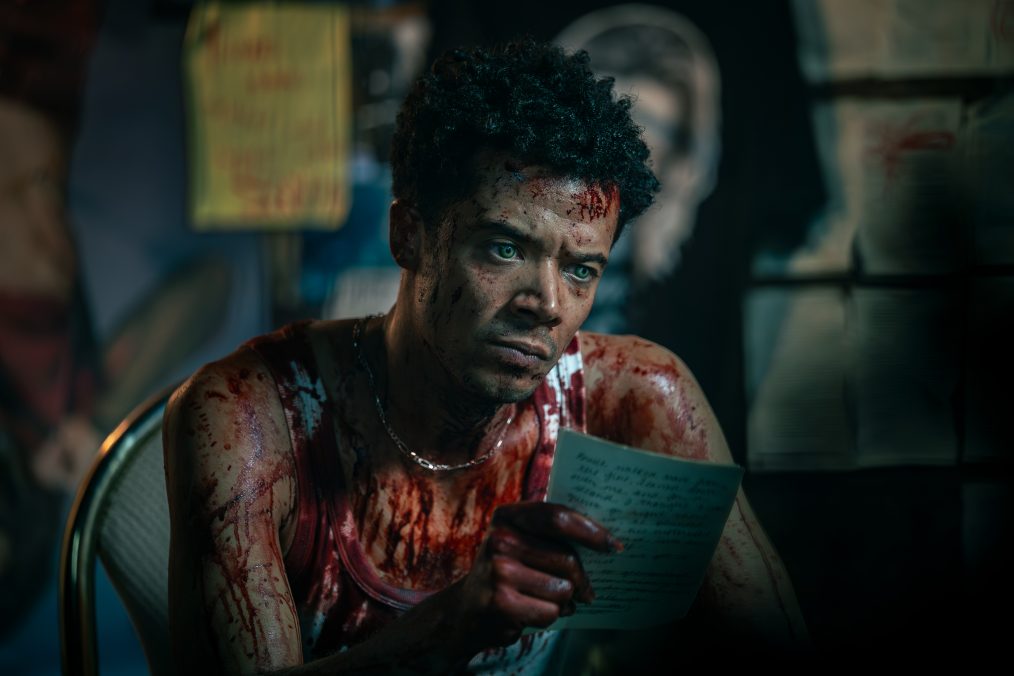
Jacob Anderson continues to bring tremendous emotional depth to Louis, whose quieter presence serves as an important contrast to Lestat’s chaos. Louis may not dominate the narrative this time, but his influence remains deeply felt throughout the season.
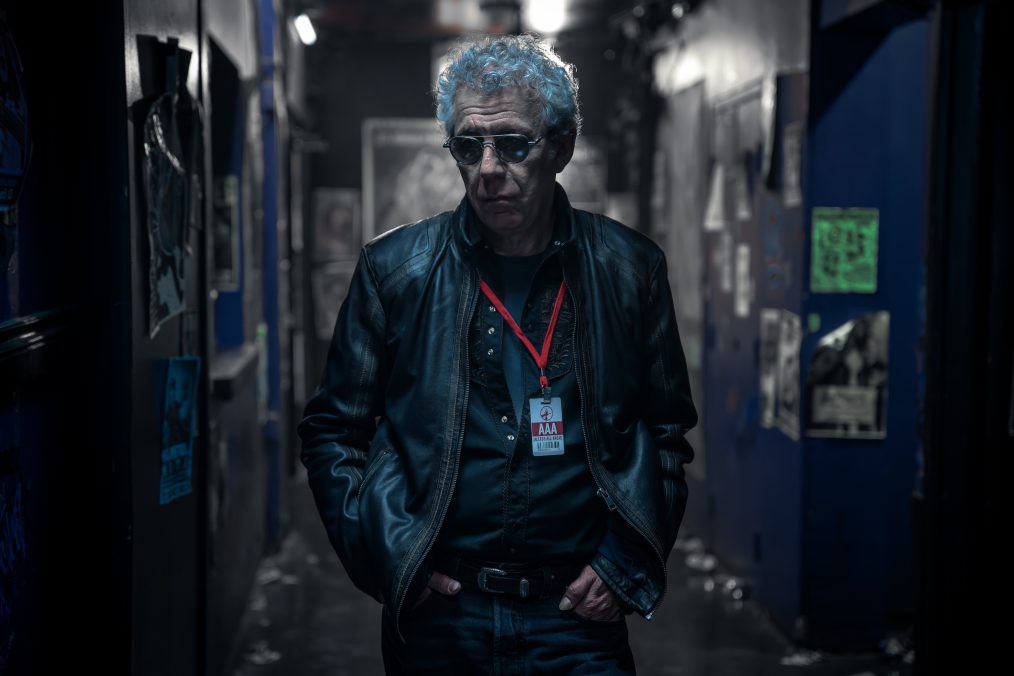
Eric Bogosian continues to be one of television’s most entertaining wild cards as Daniel Molloy. His cynical humor, sharp observations, and ongoing adjustment to his new reality create some of the season’s funniest and most memorable moments.
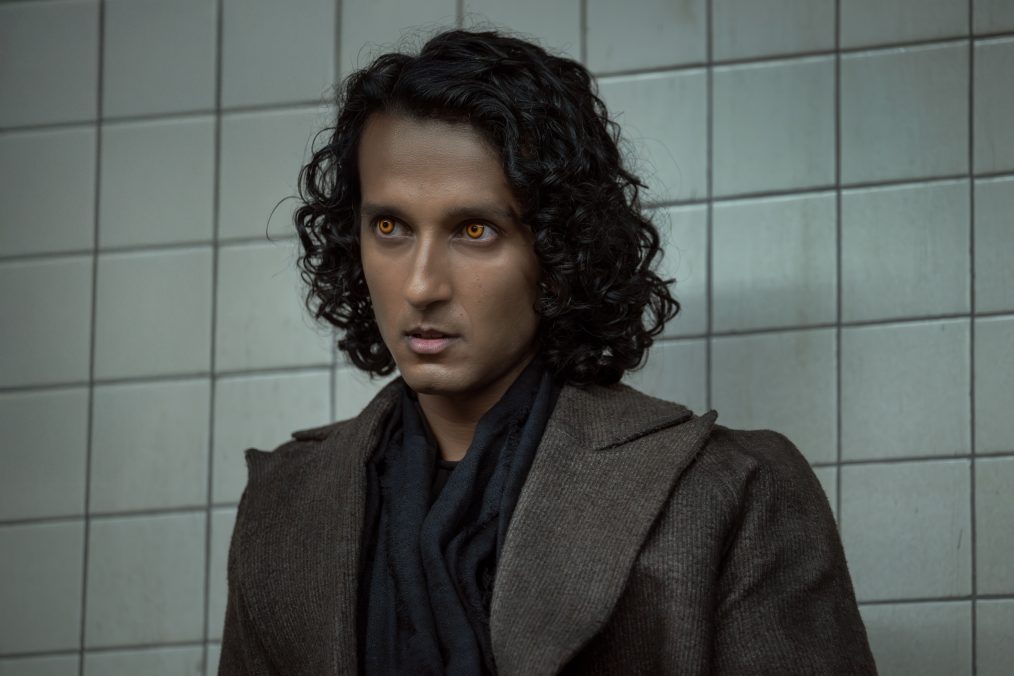
Meanwhile, Assad Zaman’s presence continues to loom over the story in fascinating ways, reminding viewers that the emotional scars of previous seasons are never truly gone.
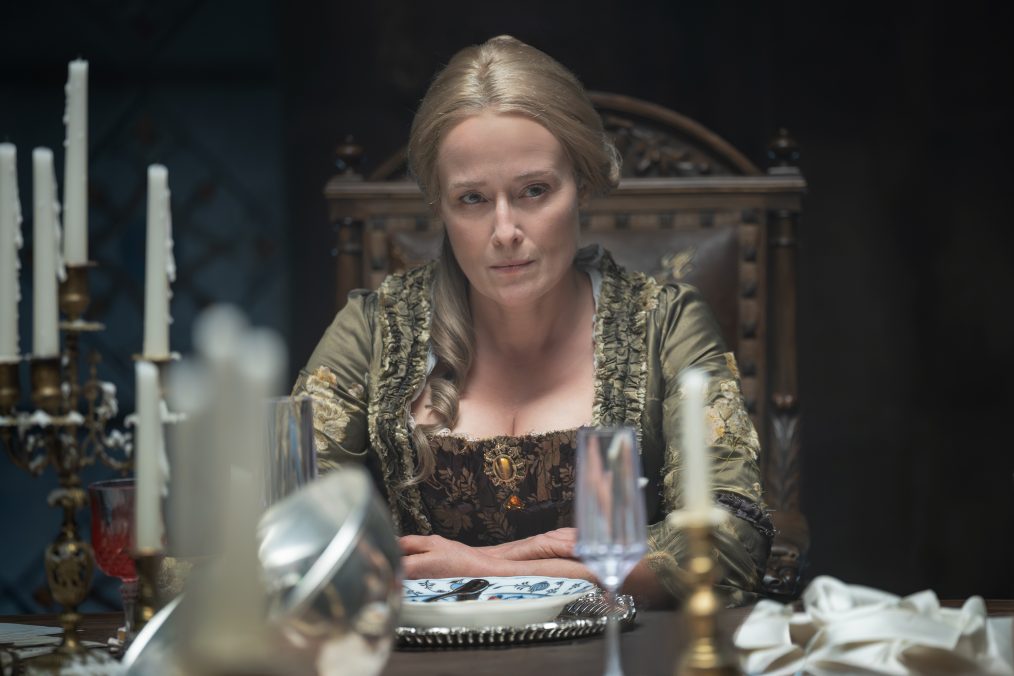
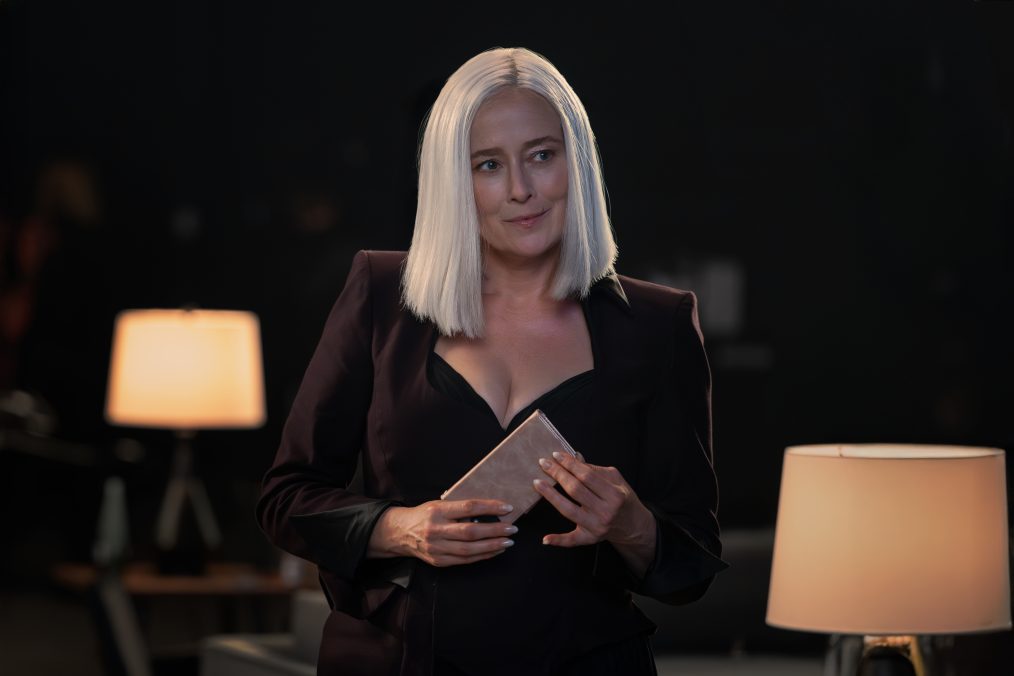
A major standout among the season’s additions is Jennifer Ehle as Gabriella. Her performance is fearless, complicated, and deeply compelling. The dynamic she shares with Lestat is one of the season’s most fascinating relationships, pushing boundaries while embracing the strange, uncomfortable, and often taboo elements that have always existed within Anne Rice’s world.
The cast’s chemistry remains extraordinary.
Weird, Unapologetic, and Fiercely Ambitious
What makes The Vampire Lestat so special is its refusal to play things safe.
Many shows become more conservative as they grow successful.
This one becomes stranger.
Bolder.
More ambitious.
More willing to embrace the bizarre corners of Anne Rice’s mythology.
The season leans fully into the camp, the melodrama, the emotional chaos, and the theatrical excess that have always been part of the source material. Yet beneath all of that spectacle remains a surprisingly intimate story about grief, loneliness, identity, forgiveness, and the desperate search for connection.
Even when the narrative becomes wildly operatic, the emotional core remains grounded.
That balance is incredibly difficult to achieve.
A New Era Worth Embracing
The shift from Interview with the Vampire to The Vampire Lestat could have fractured the series.
Instead, it elevates it.
While longtime fans will find plenty to appreciate, the season also feels accessible enough to welcome viewers who may be discovering this world for the first time. The documentary framing device, the rock-star premise, the expanded mythology, and the character-driven storytelling all work together to create something that feels fresh without abandoning what came before.
Most importantly, the season understands that Lestat himself is both its greatest weapon and its greatest risk.
Thankfully, Sam Reid is more than capable of carrying that responsibility.
A mesmerizing reinvention that proves The Vampire Lestat isn’t simply great television, it’s one of the most ambitious book-to-screen adaptations ever attempted.

Editor-in-Chief | Owner
I’m a dedicated aficionado of all things movies, pop culture, and entertainment. With a passion for storytelling and a love for the silver screen, I’m constantly immersed in the world of cinema, exploring new releases, classics, and hidden gems alike. As a fervent advocate for the power of film to inspire, entertain, and provoke thought, I enjoy sharing my insights, reviews, and recommendations with fellow enthusiasts.