


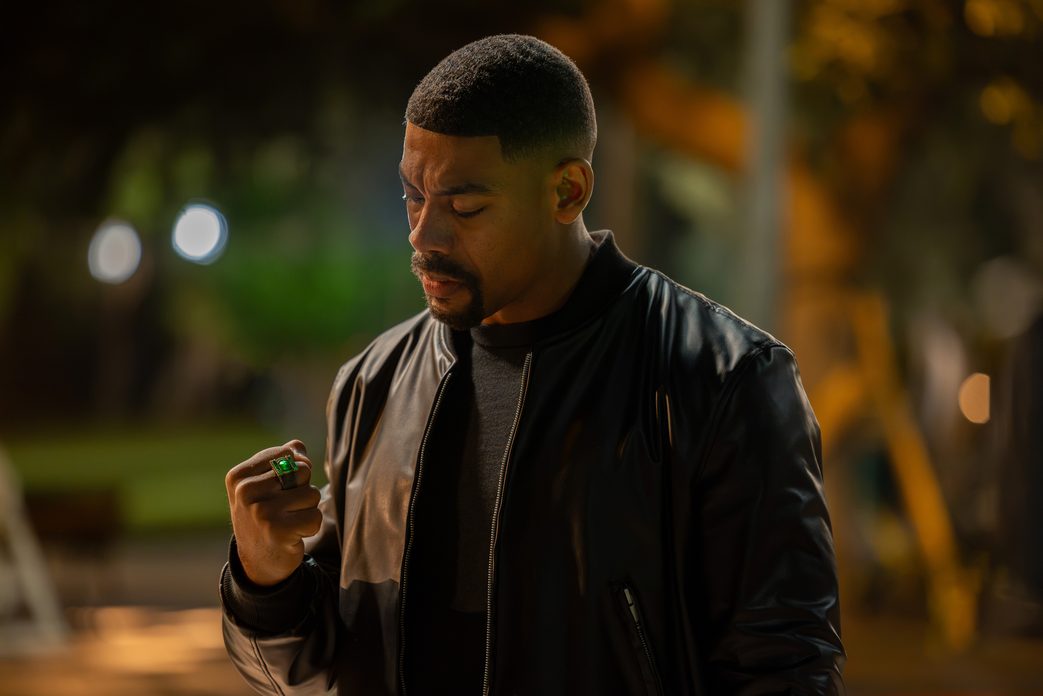
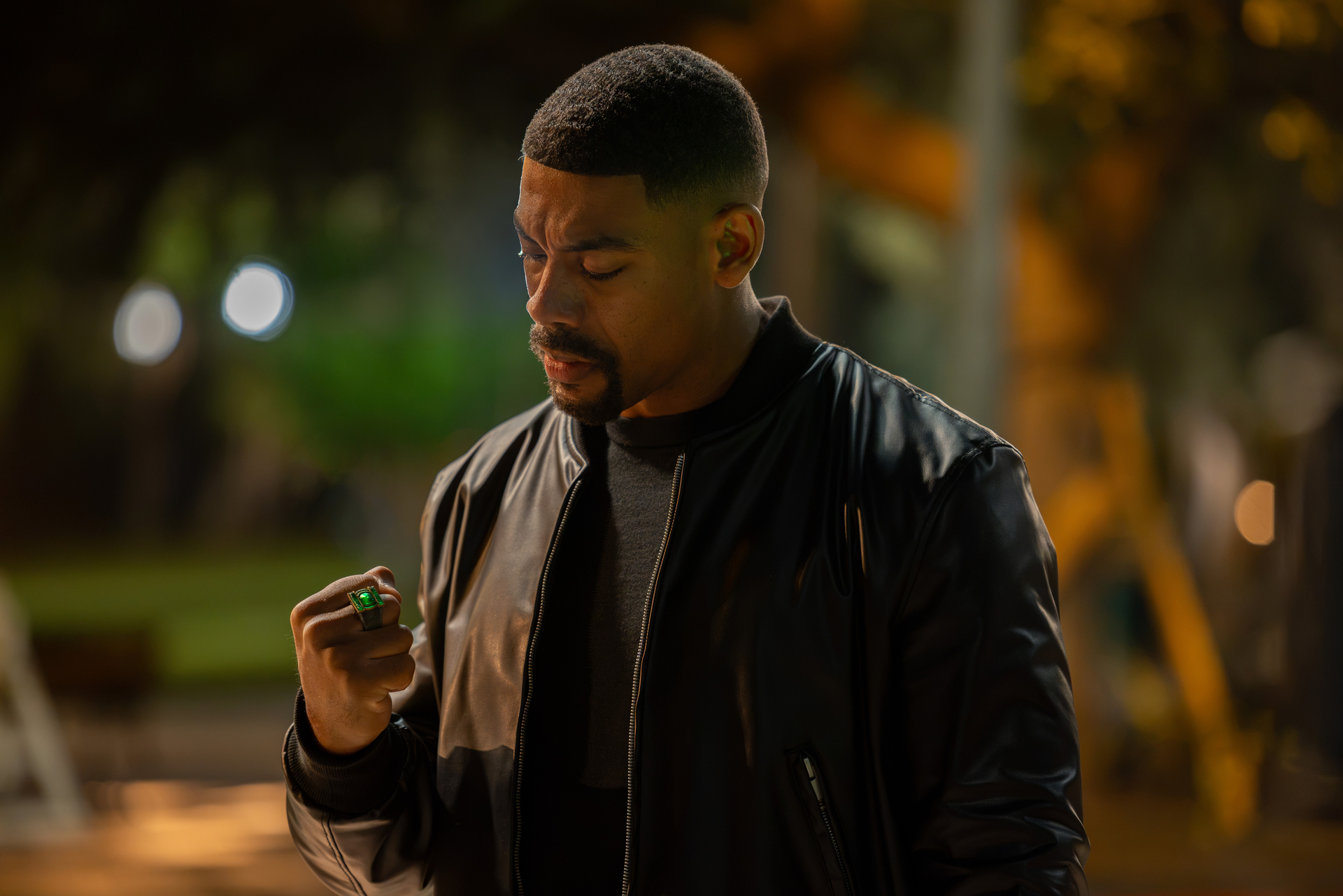

Spoilers for the Lanterns Season 1 finale follow.
For a superhero story built around cosmic power, ancient mythology, and a ring capable of creating almost anything its wearer can imagine, Lanterns ultimately found its most compelling power in something much smaller: the ability to let people need one another.
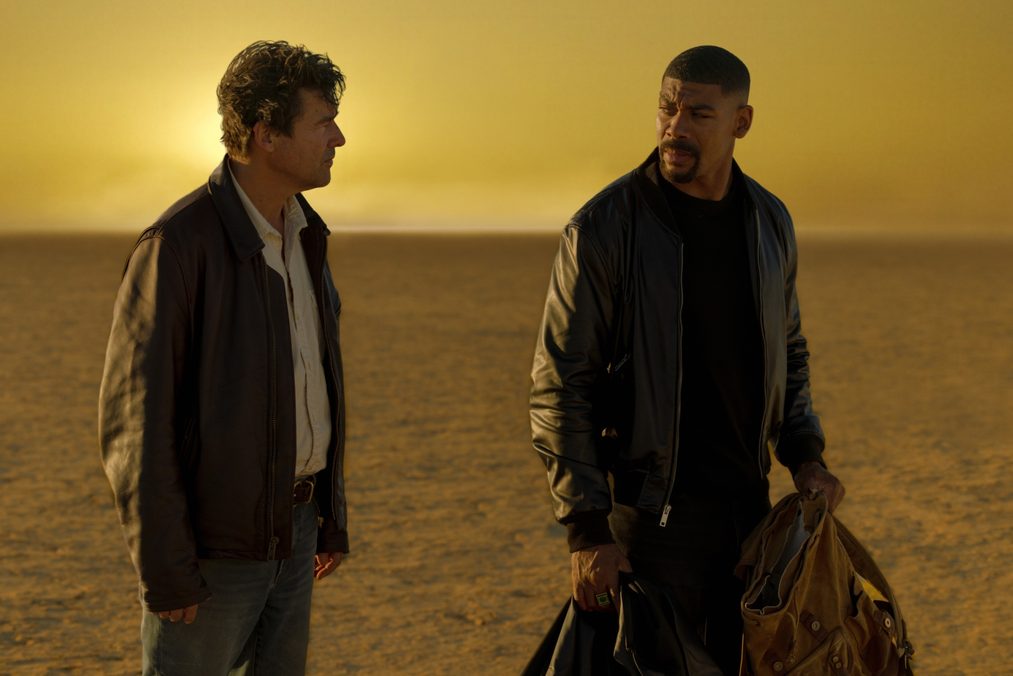
That idea becomes especially important through Aaron Pierre’s John Stewart.
John has long carried enormous cultural weight in the DC universe, particularly for Black audiences who grew up seeing him as one of the most visible Black superheroes in mainstream animation and comics. What Lanterns does well is understand that representation does not become more meaningful by making him flawless. Instead, the series gives John room to doubt himself, make mistakes, accept guidance, confront fear, and grow into the person audiences already know he can become.
During a post-finale discussion with Pierre and Kyle Chandler, who plays Hal Jordan, both actors kept returning to the same ideas: trust, vulnerability, mentorship, identity, and the importance of allowing difference to create connection rather than distance.
That is where the series found its emotional center.
John Stewart Did Not Need to Be Fearless
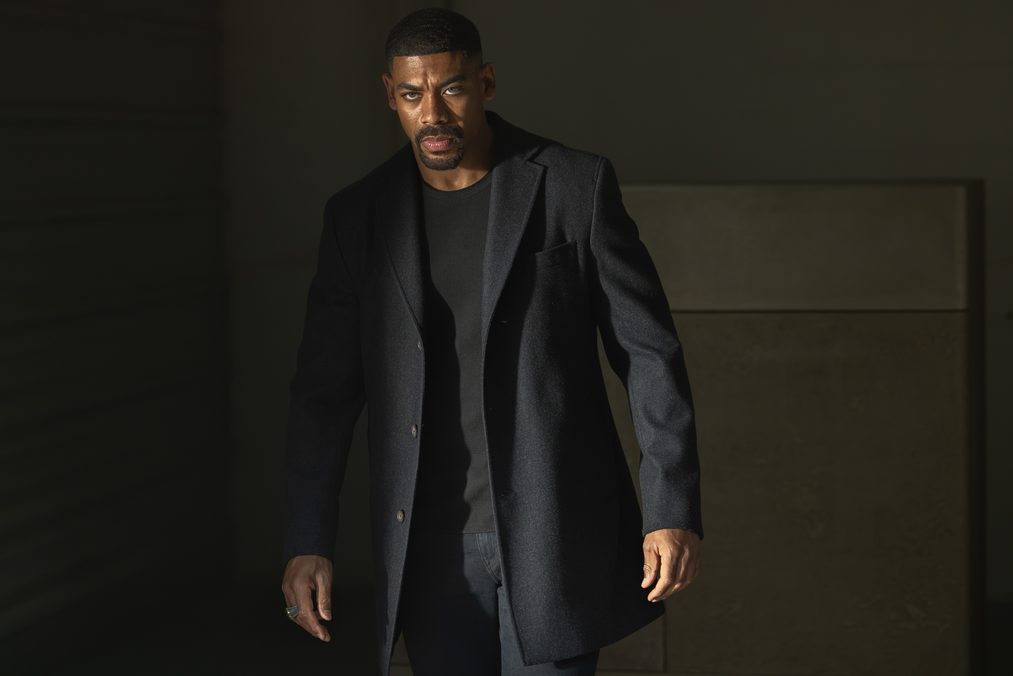
Pierre has been clear about how much playing John Stewart means to him. Asked about the opportunity to portray the character, he said that if he could choose any superhero to play at any point in his life, John would still be his choice.
Part of what appeals to him is that John does not begin with extraordinary abilities. The ring eventually gives him enormous power, but the person underneath it remains recognizable.
“He is just like any of us,” Pierre said, describing what draws him to constantly exploring John’s humanity, flaws, shortcomings, and moments of learning.
That humanity became one of the most important parts of Pierre’s approach to the season. He viewed the first four episodes differently from the final four, describing early John as the person who exists before he has fully grown into the hero audiences recognize.
John already has significant life experience. He served in the Marines and developed extraordinary discipline as an elite sniper. But that does not automatically prepare him to become a Green Lantern. For Pierre, the challenge was resisting the temptation to play the finished version of John too early.
He had to allow the character to be uncertain.
That becomes especially meaningful because Pierre does not see John’s strength as an absence of fear. He sees it in what John does with fear.
“John’s superpower, in my opinion, is not being fearless. It’s the ability to acknowledge fear and overcome it.”
That distinction gives the character something much richer than the traditional superhero image of a man who simply charges forward without hesitation. John gradually recognizes that he is not entirely ready, but instead of protecting his ego, he leans into becoming a student. He listens. He learns. He allows himself to need other people.
John gets to make mistakes, ask questions, and understand that experience does not mean he has nothing left to learn. He becomes stronger without becoming emotionally harder, which gives Pierre far more to play than a symbol. It gives him a person.
Lanterns Lets Black Identity Exist Without Turning It Into a Lecture
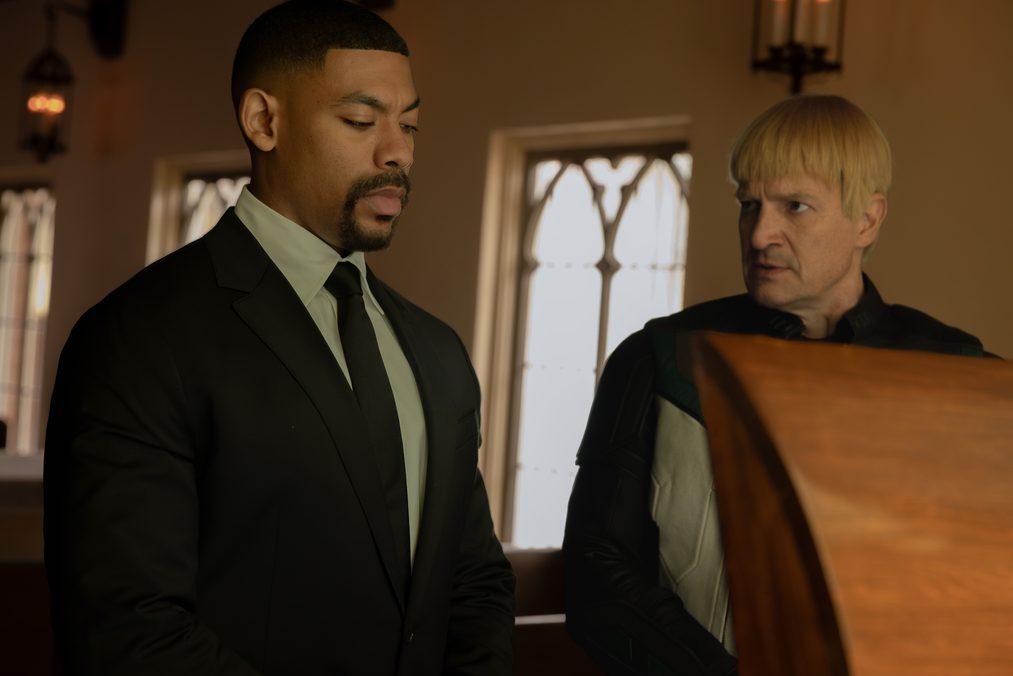
One of the strongest moments of the discussion came when Pierre was asked directly about Black identity and political division in America.
His answer was not about delivering a message to the audience. It was about creating space for conversation.
Pierre believes Lanterns works because it gives viewers access to multiple perspectives without making those perspectives feel like instructions. John and Hal arrive with different experiences, backgrounds, and worldviews, and the series allows those differences to exist without immediately treating them as obstacles that must be erased.
“Our differences and our nuances need not be a point of contention,” Pierre said. “They can be a point of education. They can be a point of insight. They can be a point of connectivity.”
That philosophy is important to the way the series handles John.
His identity matters. His experiences matter. The world does not pretend those things are invisible. But the character is also never reduced to representing a single idea about Blackness.
Pierre described the series as creating what he called “an invitation to a conversation.” For viewers who recognize their own experiences in John, that creates an opportunity to feel seen, heard, and respected. For viewers whose lives look different, the character provides an opportunity to understand another perspective through empathy rather than instruction.
That is the kind of representation that tends to last.
It does not stop the story to announce that representation is happening. It simply gives the character enough interior life that different audiences can meet him from different places.
Hal and John Became a Story About Brotherhood
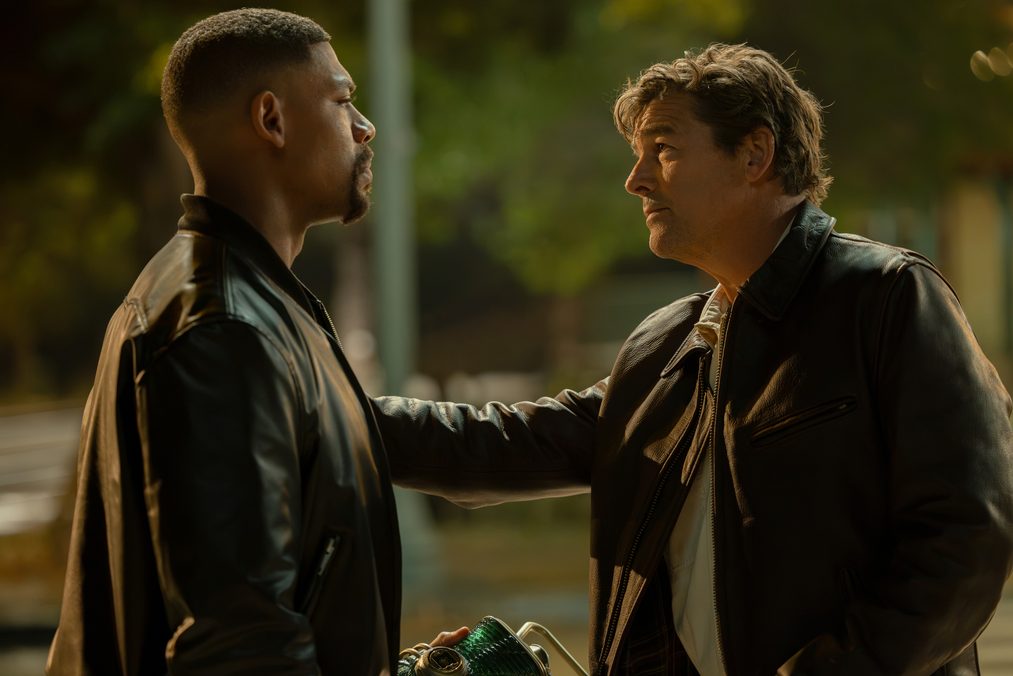
The relationship between John and Hal is where many of those themes become most personal.
Chandler described their connection as developing an unexpected father-son quality over the course of the season. That dynamic carried additional meaning for him because he lost his own father when he was 14.
As filming progressed, Chandler began seeing Hal’s relationship with John through that lens. Hal is not simply passing along information about being a Green Lantern. He is giving something of himself to someone younger, something Chandler connected to what his own father might have done for him.
That gives the finale’s emotional exchange between the two men far more weight.
By the time Hal and John finally tell each other “I love you,” the moment does not feel inserted simply to make the finale emotional. The series has spent eight episodes slowly building toward two men becoming comfortable enough to say what they mean.
Chandler pointed back to a quieter moment in Episode 4, when Hal tells John, “I really did trust you.” For him, that scene became one of the clearest early signs that the relationship had moved beyond obligation.
The finale simply allows them to finally name what had been forming underneath all the conflict.
There is cultural weight in that, too.
Superhero stories have traditionally been very comfortable showing men fighting beside one another. They have been less consistent about allowing those same men to express affection, grief, dependence, and emotional vulnerability without turning the moment into a joke.
Lanterns lets the relationship breathe.
John and Hal can disagree. They can fail one another. They can need one another. And eventually, they can love one another.
The Boy Before the Man
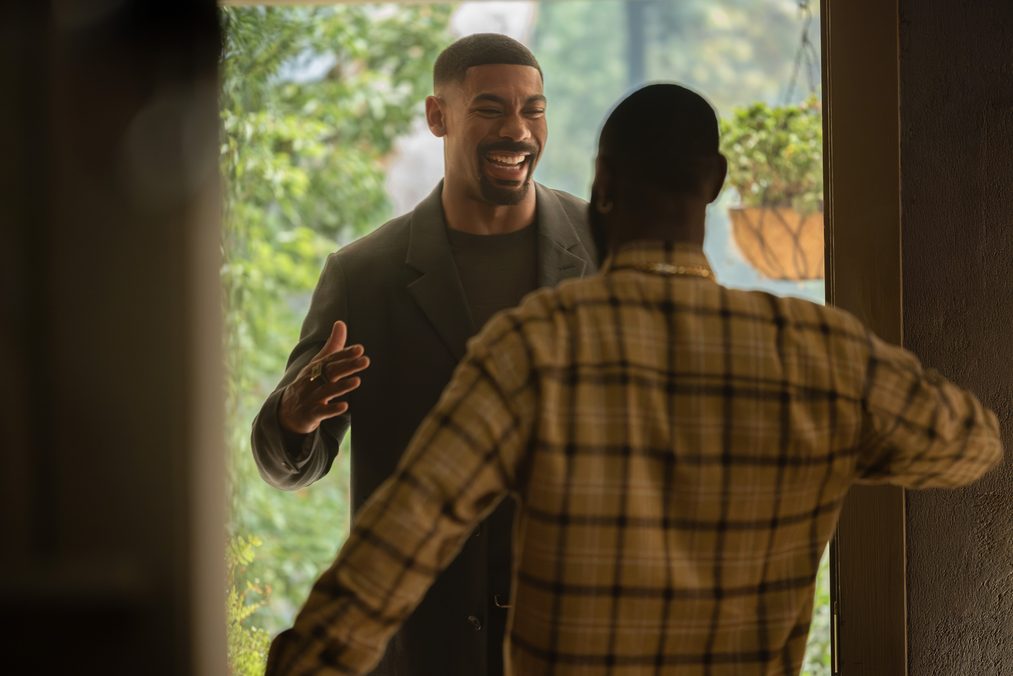
Pierre’s most interesting acting challenge may have been knowing the John Stewart fans were waiting to see while intentionally refusing to play him too early.
As a fan of the character himself, he admitted there were moments in the first half of the season where his instinct was to think, “John wouldn’t let that slide.”
Then he had to remind himself that this John was not there yet.
Pierre described the process as figuring out “the boy before he becomes the man.”
That approach gives the season something superhero origin stories sometimes skip. John does not suddenly put on a uniform and become complete. The audience watches him earn confidence through experience.
By Episodes 5 through 8, Pierre felt John had earned his increased certainty. He could make educated risks, become more assertive, and begin carrying himself like the John Stewart audiences recognize because the earlier episodes had shown him doing the work required to reach that point.
That matters because characters from underrepresented communities are often placed under a strange pressure to arrive already perfect.
A Black hero can easily become so burdened with being inspirational that he is denied the freedom to be messy.
Lanterns avoids that trap.
John gets things wrong. He needs correction. He experiences fear. He has moments when he does not know the answer. None of those things diminish him. They are what allow his eventual confidence to feel earned.
Trust Behind the Camera Made Trust Possible Onscreen
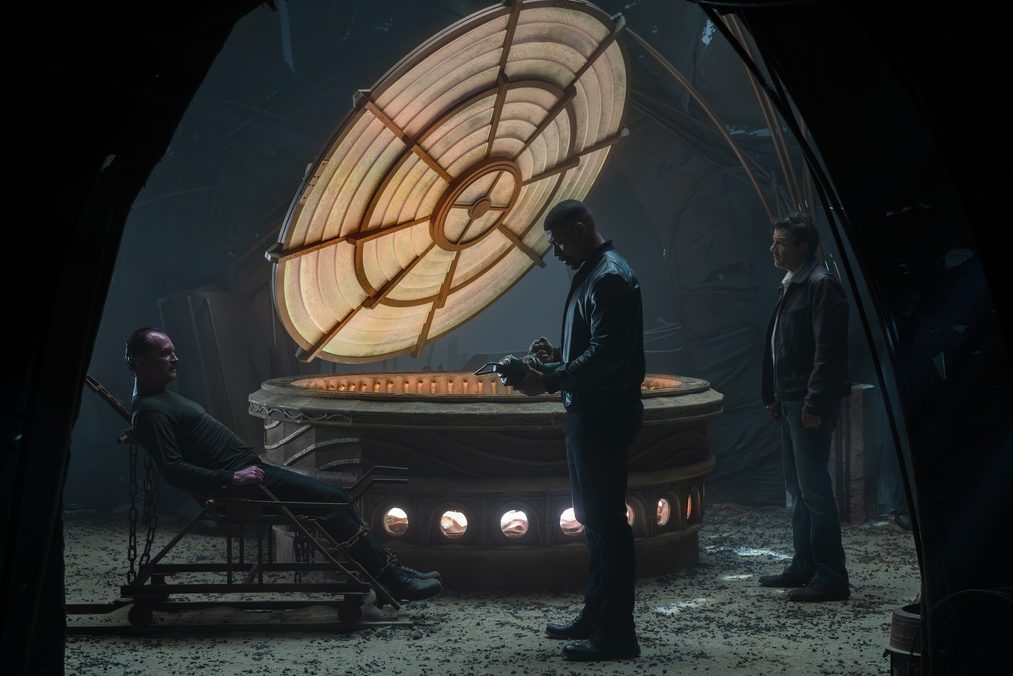
Pierre and Chandler also spoke at length about the relationship they built while making the series.
The production lasted roughly six months, with Pierre recalling a 116-day shoot filled with long 12- and 14-hour days. Their characters’ relationship was one of the pillars of the show, so both actors understood early that the connection could not feel artificial.
Pierre said they had to become vulnerable and open with one another quickly. What began as professional necessity eventually became genuine friendship and brotherhood.
The actors were also very different from one another in ways that mirrored the broader ideas of the show. Pierre described them as coming from different parts of the world with different upbringings and life experiences, but those differences became opportunities for curiosity rather than separation.
They wanted to understand each other.
Chandler identified one word as central to the entire production: trust.
He credited the writers, directors, producers, and crew with creating an environment built around trust, kindness, respect, and compassion. Pierre agreed, explaining that the performances only worked when the actors stopped making scenes about themselves and focused completely on the person standing opposite them.
That approach is visible in the finished series. John and Hal are compelling not simply because of what each actor is doing individually, but because both performances are constantly responding to the other.
When Representation Becomes Connection
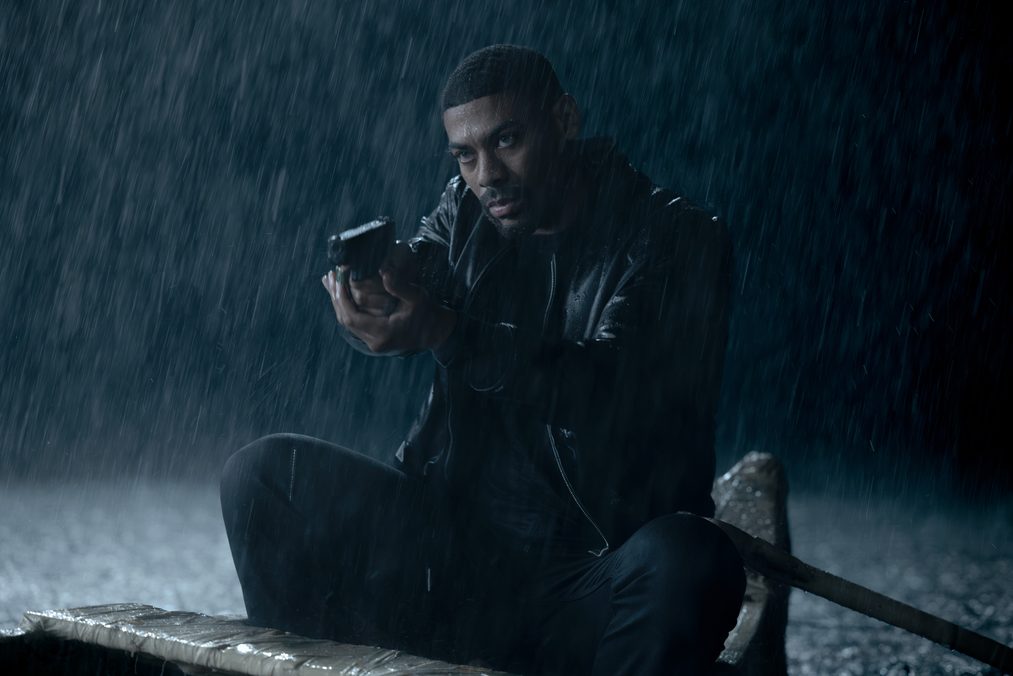
Pierre became especially emotional when discussing the audience reaction to the series.
He does not spend much time on social media, so some of the most meaningful responses have come from people approaching him directly. Over the eight weeks the series aired, he said viewers from “every walk of life” stopped him to explain how the show or a particular moment had affected them.
He described those encounters as precious.
That reaction speaks to something larger than fandom.
John Stewart carries a particular significance for Black audiences, but the goal of representation should never be to create a character that only one group is allowed to understand. The strongest representation becomes specific enough to feel authentic and human enough to travel.
Pierre’s John does that.
Some viewers see themselves.
Others understand someone else a little better.
Both responses have value.
The Ring Was Never the Most Important Part
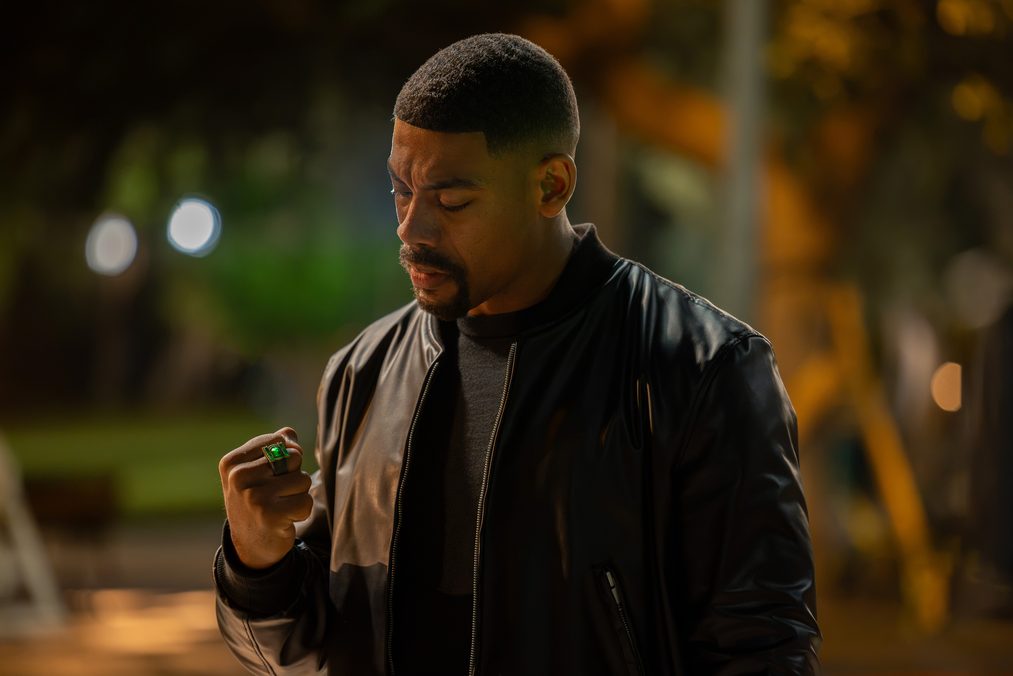
By the end of its first season, Lanterns makes a surprisingly grounded argument about what it means to become a hero.
Power is part of it, but power is not enough.
John has to learn how to listen. Hal has to learn how to open himself to another person. Both men have to confront fear, loss, pride, and the idea that independence is not the same thing as strength.
That is what makes Pierre’s interpretation of John Stewart feel culturally important without turning the character into a cultural lesson.
He gets to be Black.
He gets to be heroic.
He gets to be afraid.
He gets to be wrong.
He gets to love another man as a mentor, brother, and friend.
And none of those qualities cancel out the others.
That is ultimately where Lanterns succeeds with John Stewart. It does not treat his status as an icon as something the audience should simply accept because of the costume or the name. The series spends the season showing us the person capable of becoming that icon.
The ring gives John Stewart extraordinary power.
His humanity is what makes him worthy of carrying it.
Lanterns Streaming now on HBO MAX

Editor-in-Chief | Owner
I’m a dedicated aficionado of all things movies, pop culture, and entertainment. With a passion for storytelling and a love for the silver screen, I’m constantly immersed in the world of cinema, exploring new releases, classics, and hidden gems alike. As a fervent advocate for the power of film to inspire, entertain, and provoke thought, I enjoy sharing my insights, reviews, and recommendations with fellow enthusiasts.
