






When audiences first met Laverne “Jukebox” Ganner in the original Power series, she was a terrifying force of nature. Played by Anika Noni Rose, adult Jukebox was a corrupt police officer, a cold-blooded criminal strategist, and one of the most ruthless figures in a universe already populated by monsters. She manipulated, extorted, and murdered without hesitation, moving through the underworld with a chilling level of detachment. At the time, nobody expected her to become the emotional anchor of the franchise’s most tragic prequel.
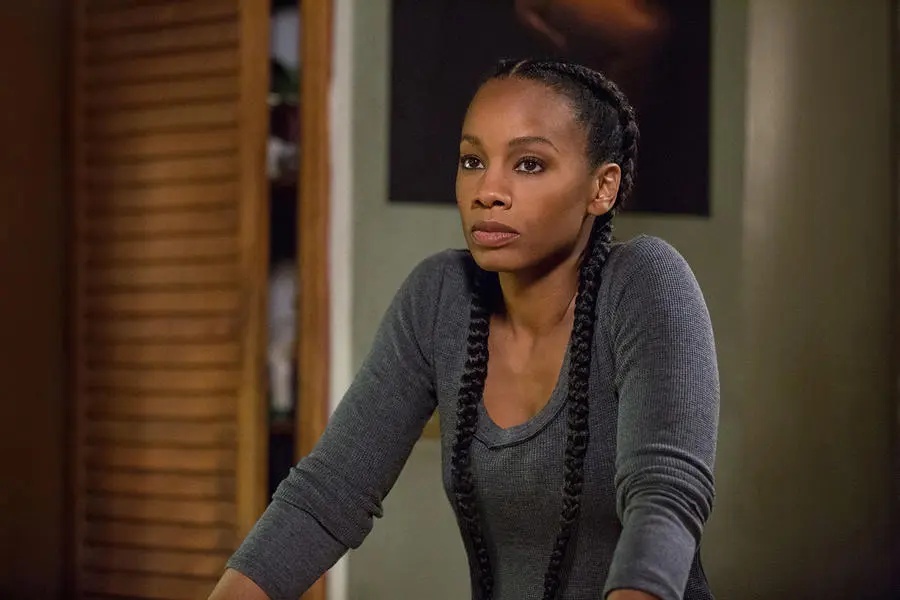
Yet, that is exactly what Hailey Kilgore has accomplished. Over five remarkable seasons of Starz’s Power Book III: Raising Kanan, Kilgore has quietly delivered what may be the most devastating character journey in the entire Power lore. Through an agonizing progression of heartbreak, systemic rejection, and shattered dreams, she has transformed Jukebox from a character audiences once feared into the character they actively fear for. The greatest trick Raising Kanan has ever pulled is convincing viewers they were watching the origin story of Kanan Stark, when in reality, they were witnessing the slow, methodical hardening of Jukebox.
The Death of an Artist
Long before she became one of Power’s most dangerous players, Jukebox was simply a young woman with an undeniable gift. Unlike her cousin Kanan, who was constantly being pulled toward the family business by the gravitational force of his mother, Raquel Thomas (Patina Miller), Jukebox dreamed of something entirely separate from the streets. For her, music represented freedom, identity, and a literal ticket out of South Jamaica, Queens.

That dream resonated with viewers because Kilgore made it feel entirely authentic. A Tony-nominated powerhouse with an extraordinary vocal range, Kilgore brought a raw, organic talent to Jukebox’s musical aspirations. The audience never felt like they were watching an actress pretending to sing; they were watching a genuinely gifted artist portray a character whose future should have been limitless.
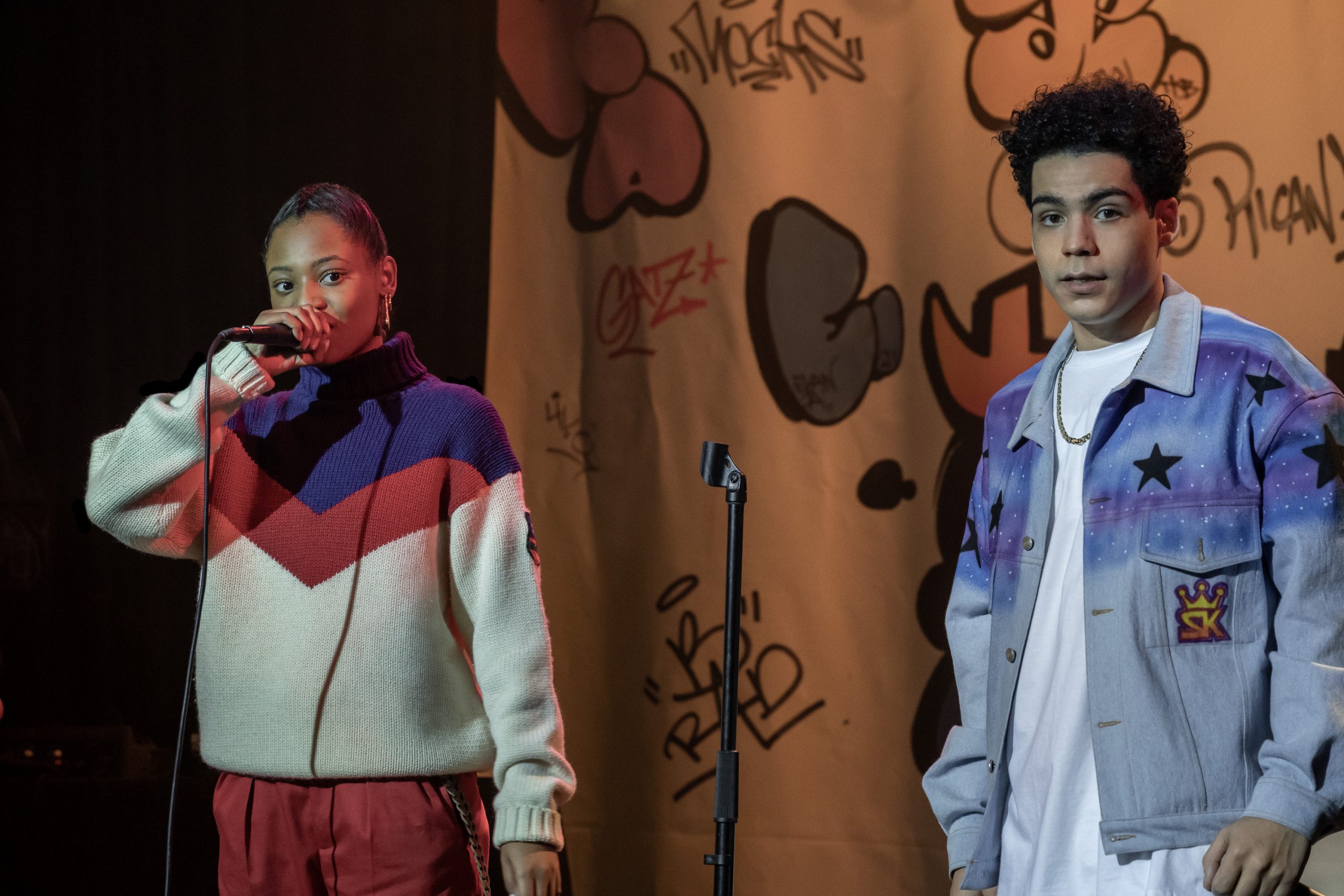
This authenticity makes her ultimate trajectory uniquely painful. Jukebox’s tragedy is not one of a failed audition or a lack of drive. Instead, her dreams are stolen from her piece by piece. Throughout the series, viewers have watched her fight for a future that feels increasingly out of reach as the realities of her environment chip away at her optimism. What makes Kilgore’s performance so masterfully effective is that she never allows the audience to forget the girl underneath the armor. Even as Jukebox begins to adopt a colder exterior, the memory of her vulnerability remains close to the surface.
A First Love and the Loss of Innocence

The foundation of Jukebox’s transformation begins with Nicole Bingham. Their secret, cross-town romance remains one of the most vital storylines in Raising Kanan because it represented the only space where Jukebox could find unconditional acceptance. With Nicole, there were no street obligations, no family expectations, and no need to apologize for who she was. For a brief moment, the series offered a glimpse of a version of Jukebox untouched by the violent world around her.
Nicole’s accidental overdose on crack cocaine—ironically laced by Kanan—shattered that world entirely. The death of a first love is a devastating narrative beat on its own, but for Jukebox, it marked the exact moment her innocence began to evaporate. It wasn’t just an emotional loss; it was the destruction of structural possibility.
Kilgore handled the aftermath with a remarkable, quiet restraint. Rather than leaning into explosive, performative grief, she allowed the pain to settle deep into her character’s posture and gaze. The audience watched a teenage girl slowly build the emotional walls that would define her adulthood, demonstrating how profound heartbreak can gradually alter a person’s entire disposition.
The Scars of Conditional Love
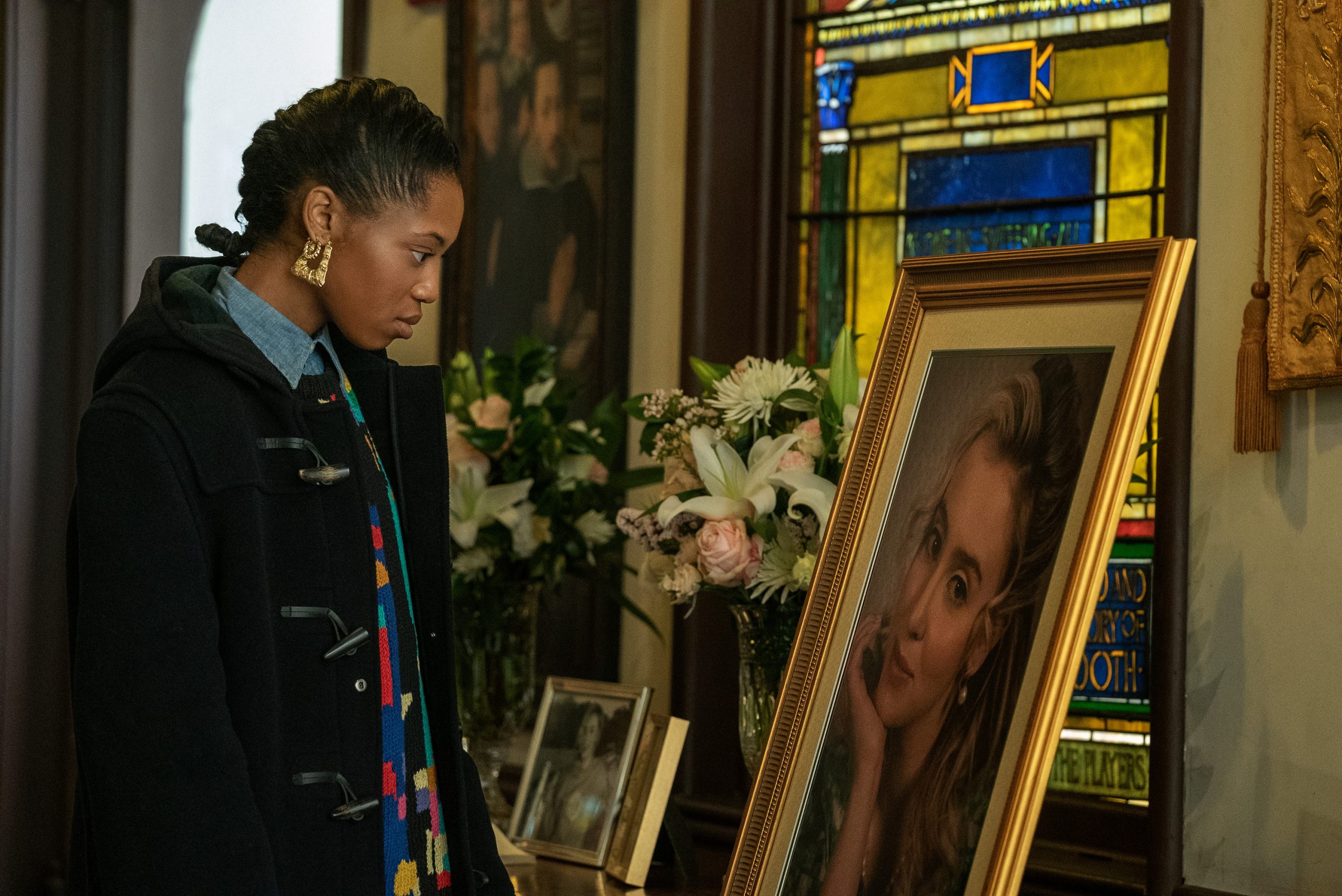
If Nicole’s death broke Jukebox’s heart, her parents left the psychological scars that forced her into survival mode. Kilgore’s navigation of Jukebox’s deeply fractured relationships with both her father, Marvin Thomas (London Brown), and her estranged mother, Kenya (LeToya Luckett), provided the series with some of its most grounded, painful drama.

Marvin’s initial rejection was loud, violent, and devastating. His horrific attempt to force his daughter into conversion therapy in the early seasons felt like an irreversible breaking point for the Thomas family. Yet, Raising Kanan chose a far more complex path than permanent estrangement. The long, messy process of rebuilding their relationship became one of the series’ strongest narrative triumphs. Marvin did not instantly become a perfect father, and Jukebox did not magically offer forgiveness. Instead, the actors delivered something far more realistic: an awkward, painful dance of regret, effort, and unconditional familial love. Over time, Marvin evolved into one of the few people genuinely fighting for Jukebox’s well-being.

Kenya’s rejection, by contrast, was quiet and conditional. When Jukebox sought out her mother looking for sanctuary, she instead found a woman who only loved a curated, traditional version of who she wanted her daughter to be. Kilgore played these quiet moments of maternal rejection beautifully, capturing the precise instant a young person realizes that the people who claim to love them most are entirely incapable of actually seeing them.
A Sibling Bond Headed for Disaster
Despite the impact of her parental figures, no relationship defines Jukebox’s journey more than her connection to Kanan Stark (MeKai Curtis). At the center of the series exists a bond that goes far beyond a typical cousin dynamic; they are, for all intents and purposes, trauma-bonded siblings.
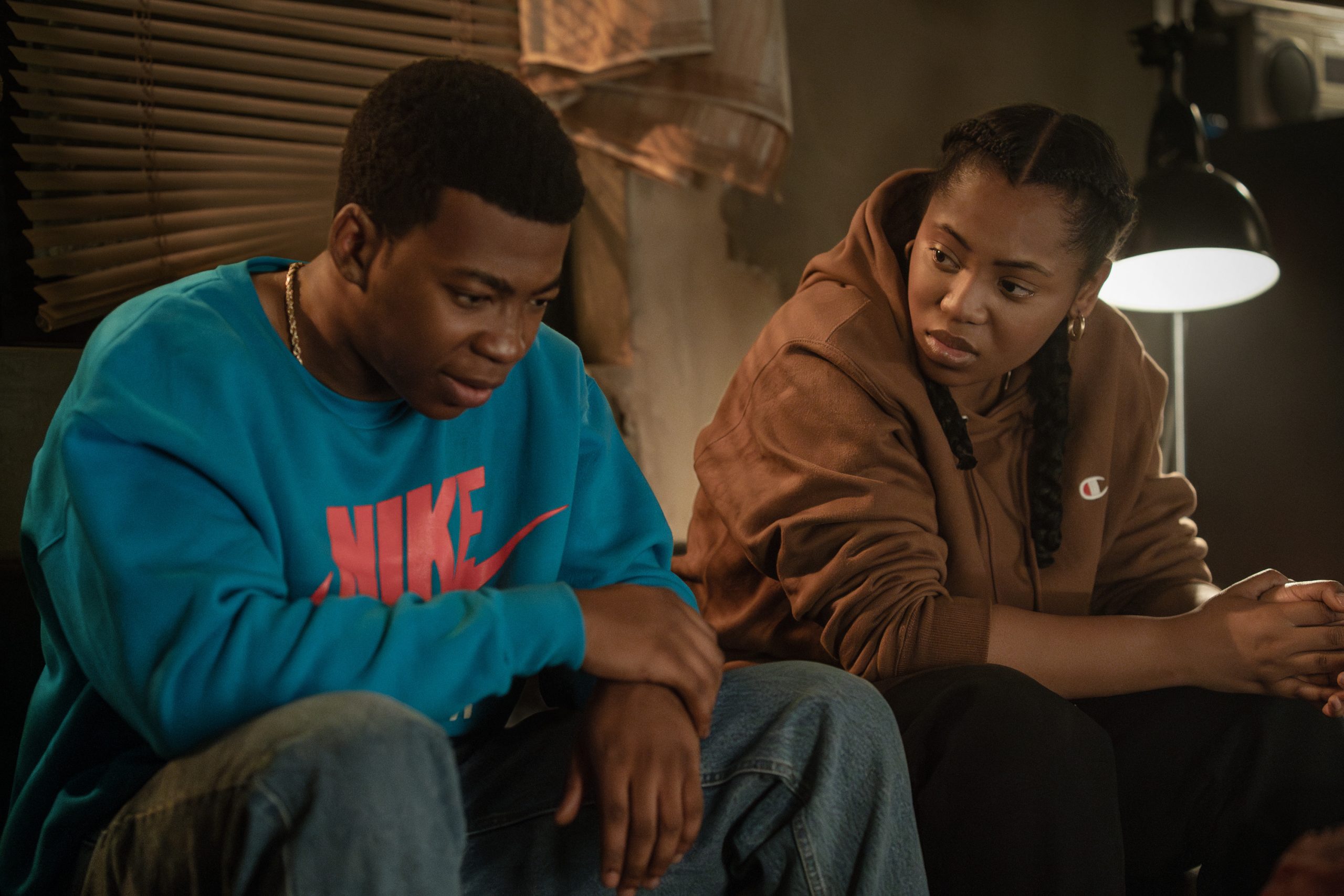
They serve as each other’s only judgment-free zone in an environment ruled by calculation and violence. When Kanan is crushed by Raq’s manipulation, Jukebox is the only one who can anchor him. When Jukebox faces the fallout of her family’s prejudice, Kanan provides unconditional support. While the adults around them play chess with human lives, these two characters are simply trying to protect one another.
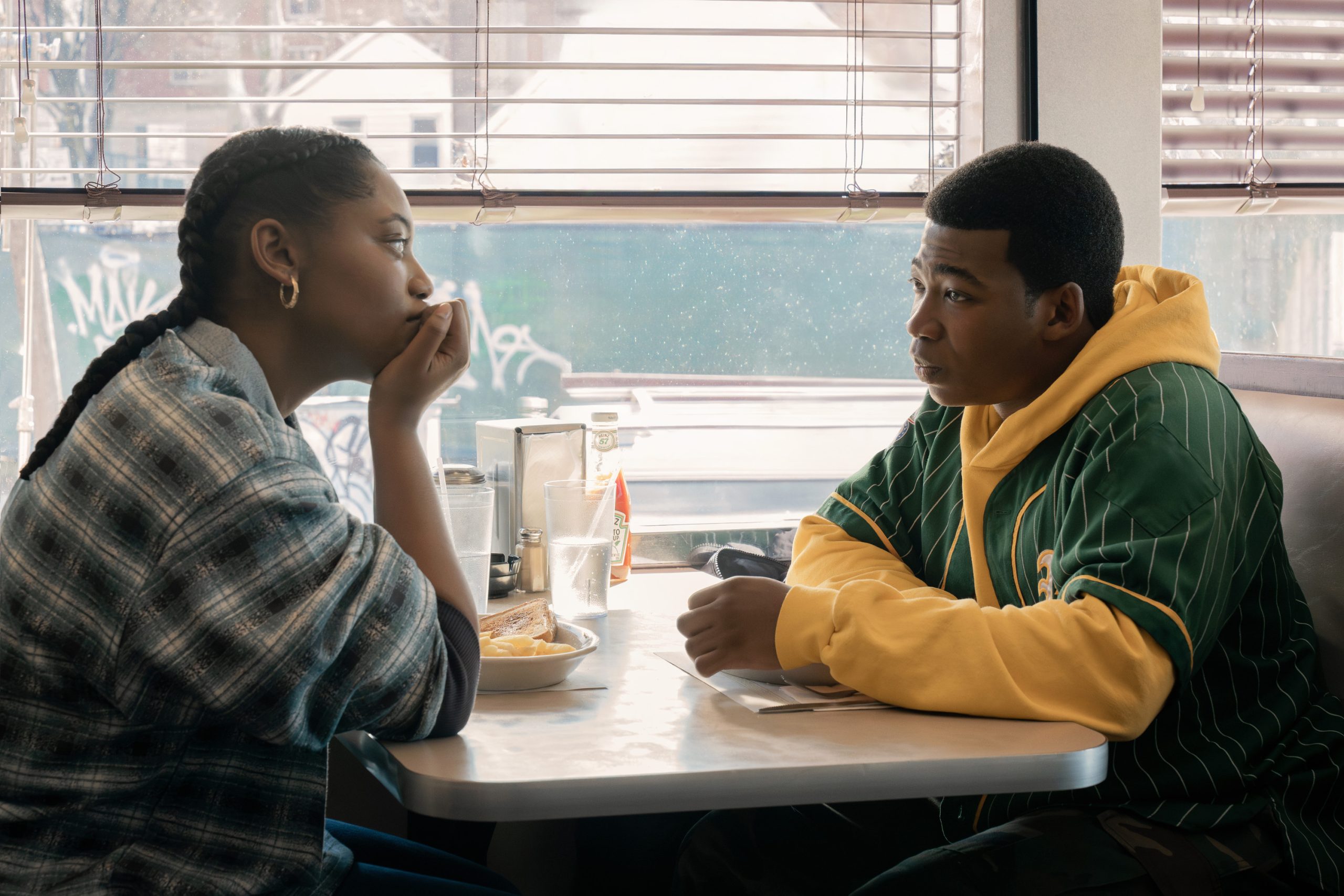
The lived-in chemistry between Kilgore and Curtis gives these scenes an undeniable weight, which makes their canonical future deeply tragic for the audience. Viewers of the original Power already know how this story ends. They know that adult Jukebox will eventually die, and they know that Kanan will be the one to pull the trigger to save Tariq St. Patrick. Knowing that her ultimate executioner is the very sibling who currently serves as her safe harbor injects every shared laugh, conversation, and moment of loyalty with a profound sense of dramatic irony. The tragedy isn’t waiting for the ending to arrive; it is watching two people who love each other slowly morph into the figures who make that violent conclusion inevitable.
Why the Title is a Misnomer
As Power Book III: Raising Kanan navigates its fifth and final season, the structural brilliance of the prequel is fully apparent. Kanan’s path toward becoming a drug kingpin always felt somewhat inevitable—he was the chosen prince groomed for the streets. Jukebox’s descent, however, feels entirely stolen.

Kanan’s story is about a criminal claiming his crown, but Jukebox’s story is about an artist being systematically forced into survival mode. She is a young woman learning that the world will not reward her vulnerability, forcing her to adopt the same ruthless, pragmatic instincts that allowed her aunt Raq to rule Queens. Jukebox does not seek out power because she is ambitious; she seeks it out because she realizes she needs a shield.
Entering Season 5, Jukebox stands at a definitive crossroads. While her relationship with Marvin has found a fragile, beautiful healing, her external world is darkening as she moves closer to the uniform and the badge. The narrative tension is no longer about whether she can survive her family, but whether she can escape becoming them.

There are plenty of powerhouse performances across the Raising Kanan ensemble—Patina Miller remains a towering screen presence, and MeKai Curtis continues to do exceptional work anchoring Kanan’s slide into ruthlessness. But it is Hailey Kilgore who remains the emotional heartbeat of the series. She has spent five seasons executing one of the most difficult assignments in modern television: making an audience deeply mourn a villain long before she ever becomes one.
All four seasons of “Power Book III: Raising Kanan” are available to stream now on the STARZ app, all STARZ streaming and on-demand platforms.
“Power Book III: Raising Kanan” Season 5 is set to premiere Friday, June 12 at midnight on the STARZ app. On linear, it will debut on STARZ at 8:00 PM ET/PT in the U.S.

Editor-in-Chief | Owner
I’m a dedicated aficionado of all things movies, pop culture, and entertainment. With a passion for storytelling and a love for the silver screen, I’m constantly immersed in the world of cinema, exploring new releases, classics, and hidden gems alike. As a fervent advocate for the power of film to inspire, entertain, and provoke thought, I enjoy sharing my insights, reviews, and recommendations with fellow enthusiasts.