


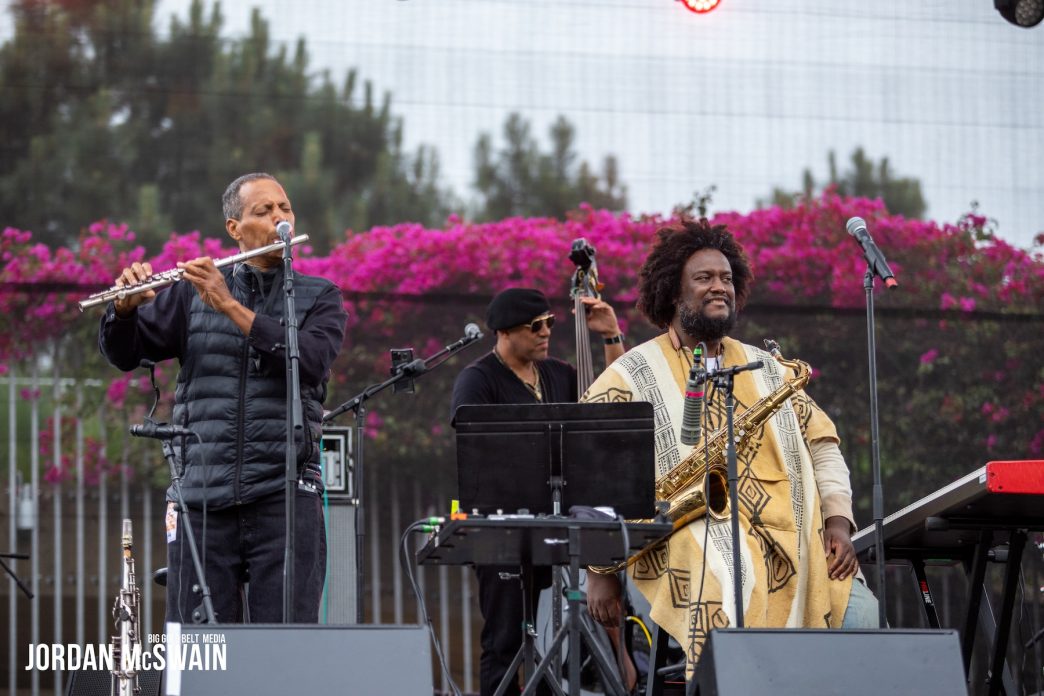
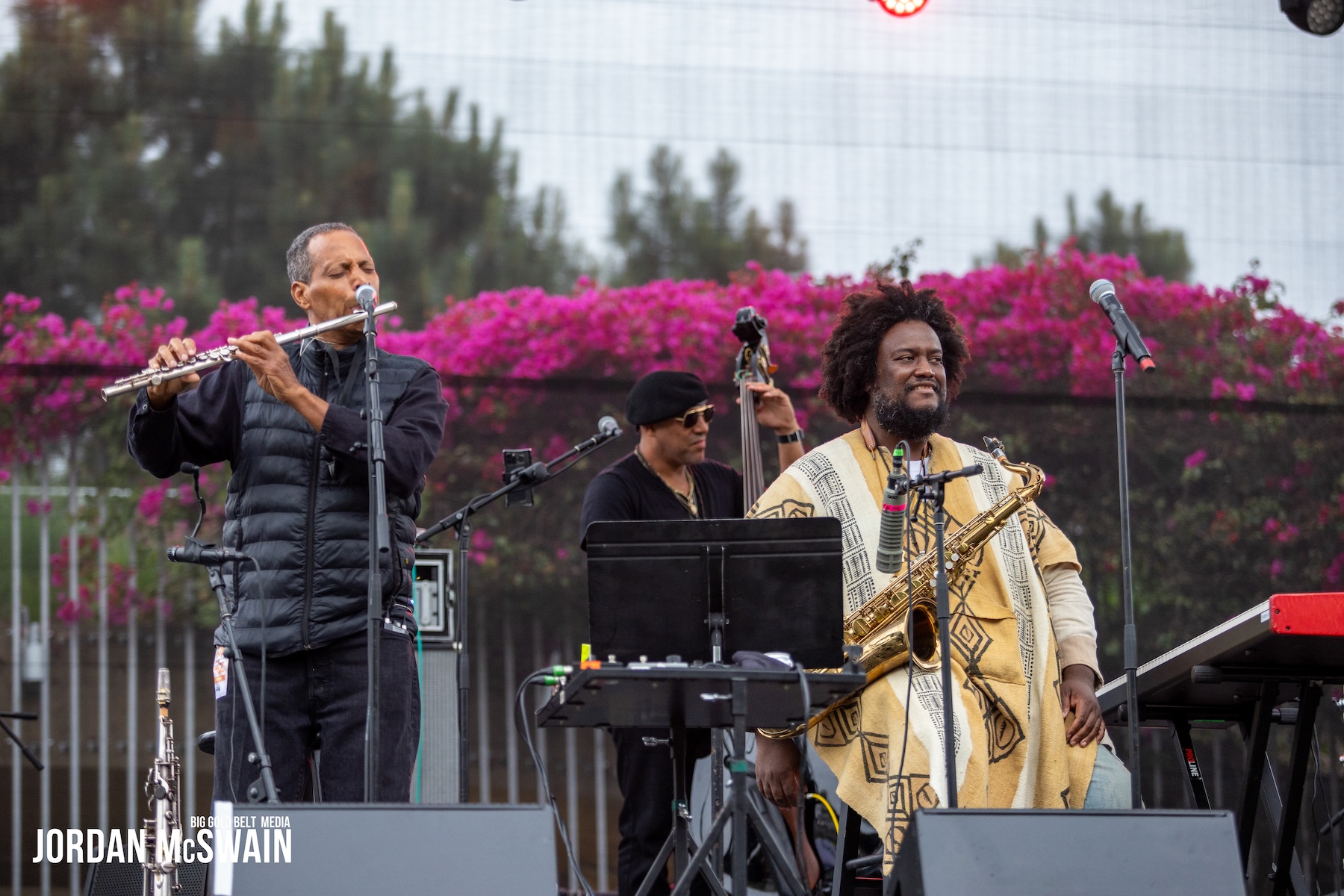

Last weekend’s Santa Monica Jazz Festival was more than music. Beneath the performances, the crowds, and the energy on the shoreline there was something deeper: history.
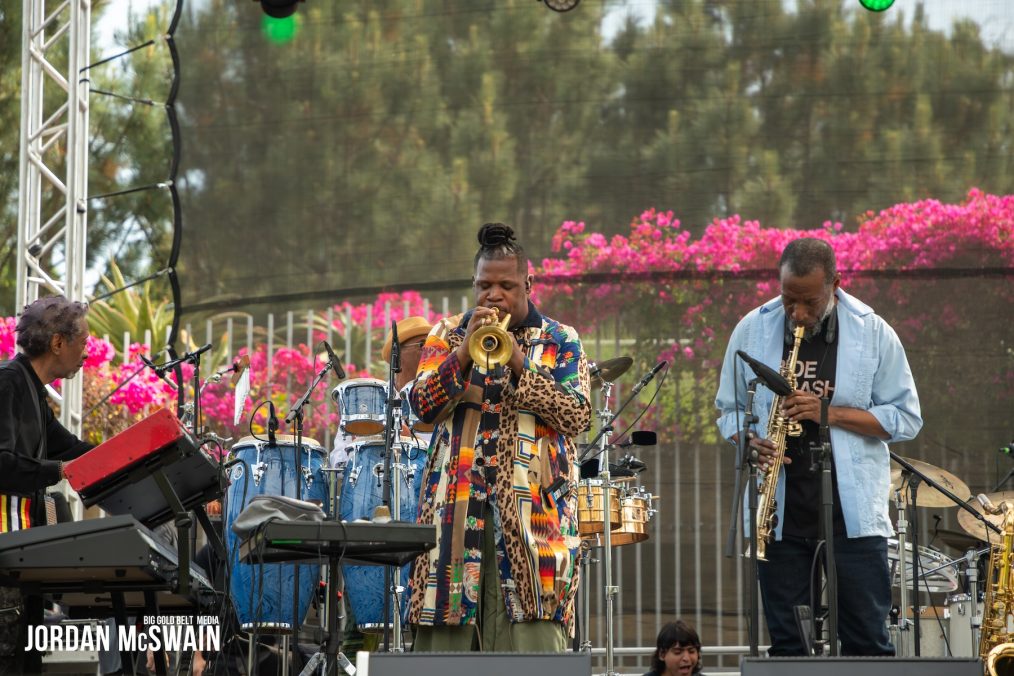
As artists like Kamasi Washington and Keyon Harrold performed steps away from
the Pacific Ocean, the festival unintentionally echoed a complicated chapter of
Santa Monica’s past; one tied to Black families, segregation, resilience, and the
struggle for access to the California coast.
Remembering Santa Monica’s Black History
Long before Santa Monica became associated with luxury tourism and beach
culture, Black Angelenos carved out spaces for themselves along the shoreline
because many beaches in Southern California were either openly segregated or
hostile toward Black visitors.
One of the most historically significant of those places became known as Bruce’s
Beach, founded by Black entrepreneurs Charles Bruce and Willa Bruce in nearby
Manhattan Beach. Although technically outside Santa Monica, Bruce’s Beach represented something larger throughout the Los Angeles coastline: Black communities fighting for the right to gather, relax, celebrate, and exist freely near
the ocean.
Santa Monica itself was not immune from the racial discrimination shaping coastal
California during the early and mid-20th century. Black residents and visitors often faced exclusion from housing, harassment at beaches, and broader segregation practices embedded throughout Los Angeles County. Access to leisure spaces was never equal, even in places publicly marketed as open and welcoming.
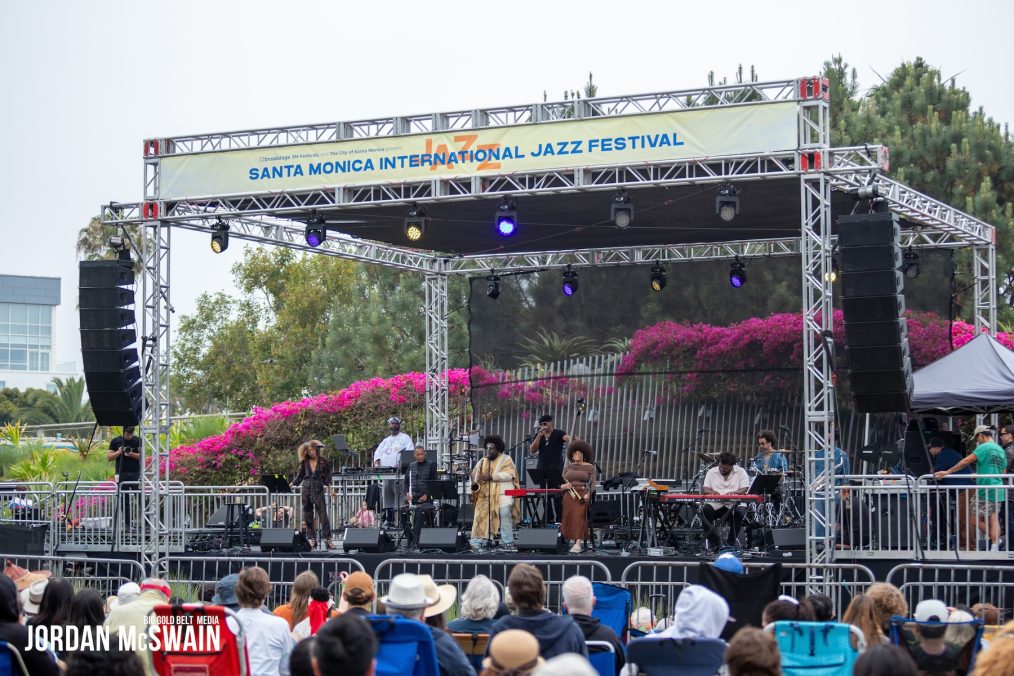
That history matters when discussing a jazz festival on the beach today. Jazz itself was born from Black expression, struggle, innovation, and survival. It has always carried the emotional weight of communities forced to create joy and culture in spaces where they were often denied equality. Hearing jazz performed publicly on the Santa Monica coastline therefore feels symbolic, almost like a reclaiming of space through art.
For decades, Black beach culture in Southern California existed despite systemic
resistance. Families still gathered near the water. Musicians still performed. Communities still celebrated life along the coast even while facing discrimination
that attempted to limit where they could live, socialize, or feel safe.
A Communal Space That Celebrates Rather Than Erases
That is why festivals like the Santa Monica Jazz Festival carry significance beyond
entertainment. They create visible cultural presence in places where Black history
is often overlooked or erased beneath modern development and tourism branding.
The performances by Washington and Harrold felt connected to
that larger story. Their music carried the spirit of Black Los Angeles: spiritual,
improvisational, emotional, and resilient. It reminded audiences that jazz is not
only an art form, but also historical memory.
There is also something powerful about hearing Black music traditions fill a coastal
space that once represented exclusion for many Black Californians. The ocean
becomes more than beautiful scenery, it’s a backdrop for cultural continuity.
Today, many visitors walking through Santa Monica may not realize the racial
history tied to Southern California beaches. They may not know how difficult it
once was for Black families to enjoy the coastline freely. But events like this
festival create opportunities to reconnect the city to those stories.
Jazz, in many ways, becomes the perfect language for that conversation. It
acknowledges pain without being trapped by it. It honors history while still
creating joy.
Final Thoughts
Last weekend’s festival showed what happens when culture returns visibly and
unapologetically to public space. The music did not erase the past, but it did
something equally important: it transformed the shoreline into a place of
remembrance, celebration, and renewed belonging.

Publishing articles on film, television, and pop culture articles inclusive entertainment