



I will admit something. Going into The Hunger Games: Sunrise on the Reaping, I wasn’t entirely convinced that another trip to Panem was something I needed. We’ve already witnessed the Games, the rebellion, the Capitol’s cruelty, and enough heartbreak to last several lifetimes. How much more could this franchise possibly have to offer?
Apparently, quite a lot.
Director Francis Lawrence delivers a brutal, beautifully crafted, and emotionally devastating return to The Hunger Games universe that reminded me exactly why I fell in love with this franchise in the first place. What could have been another familiar journey through the arena instead becomes a powerful examination of tragedy, survival, and the lasting consequences of a system designed to destroy hope.
Based on Suzanne Collins’ novel, Sunrise on the Reaping takes place 24 years before Katniss Everdeen’s story, following a young Haymitch Abernathy (Joseph Zada) as he is selected for the 50th Hunger Games, also known as the Second Quarter Quell. This time, the Capitol doubles the number of tributes to 48, transforming an already horrific competition into an even more elaborate spectacle of cruelty.
The result is one of the franchise’s most heartbreaking chapters, filled with excellent performances, stunning production design, memorable connections to the original films, and a third act that delivers some genuinely incredible moments.
Before the Mentor, There Was Haymitch

For longtime fans, Haymitch Abernathy is an unforgettable character. Woody Harrelson brought tremendous personality to the cynical, frequently intoxicated mentor who helped guide Katniss and Peeta through the Games. But knowing who Haymitch eventually becomes is very different from understanding what made him that way.
Joseph Zada has the difficult task of bringing a younger Haymitch to life without simply imitating Harrelson’s performance. Fortunately, he understands the assignment.
Zada captures the character’s intelligence, defiance, humor, and loyalty while allowing audiences to discover a more vulnerable side of someone we thought we already knew. This is a young man with people he loves, a future he wants, and very little interest in becoming entertainment for the Capitol.
That contrast makes his journey especially painful. Every moment of courage comes with the knowledge that victory in Panem rarely means escaping unharmed.

What impressed me most was how naturally Zada bridges the younger character with the Haymitch audiences recognize. There are familiar mannerisms, personality traits, and flashes of attitude that make the connection believable without turning his performance into an impersonation.
The younger cast accomplishes something similar throughout the film. They understand the characteristics that define the older versions of these familiar faces while giving themselves enough room to establish their own interpretations.
It is one of the most satisfying aspects of the entire prequel.
An Ensemble That Makes Every Moment Count
The cast of Sunrise on the Reaping is absolutely stacked, but what surprised me was how much impact certain actors make with relatively little screen time.
Mckenna Grace is fantastic as Maysilee Donner, one of District 12’s tributes. She brings a sharp personality and emotional strength to a character who becomes increasingly important to Haymitch’s experience. Her performance helps establish that these are not simply competitors waiting for their turn in the arena. They are young people with complicated relationships, individual personalities, and lives that deserve far more than what the Capitol has planned for them.

Kieran Culkin is another standout as Caesar Flickerman. He is excellent, bringing the flamboyance, confidence, and unsettling showmanship that audiences associate with the character. Culkin understands how to make Caesar entertaining while never letting us forget that his job is to turn unimaginable suffering into must-see television.
The Capitol apparently decided that if children are going to fight for their lives, the least it can do is provide a charismatic host and spectacular wardrobe.
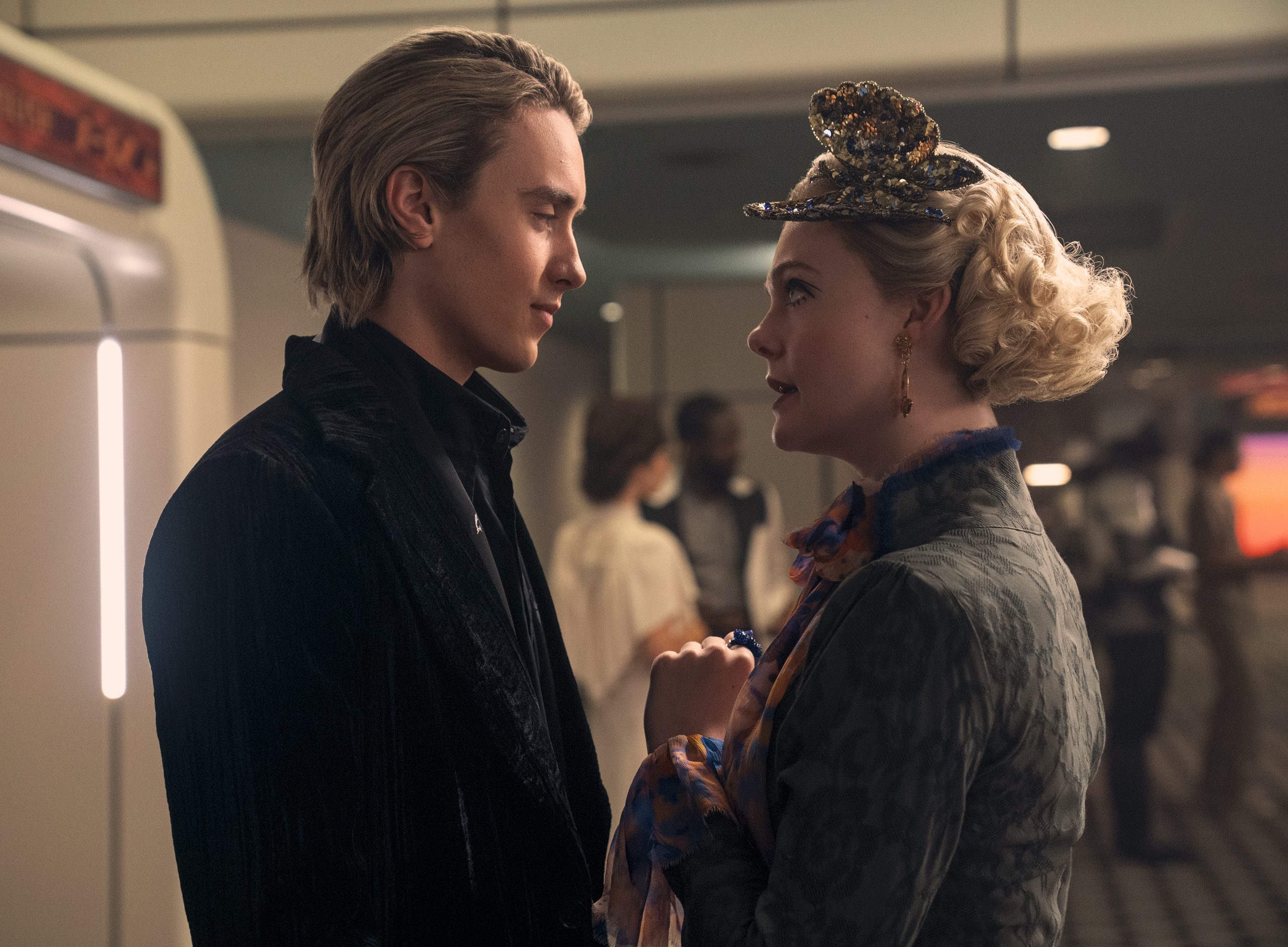
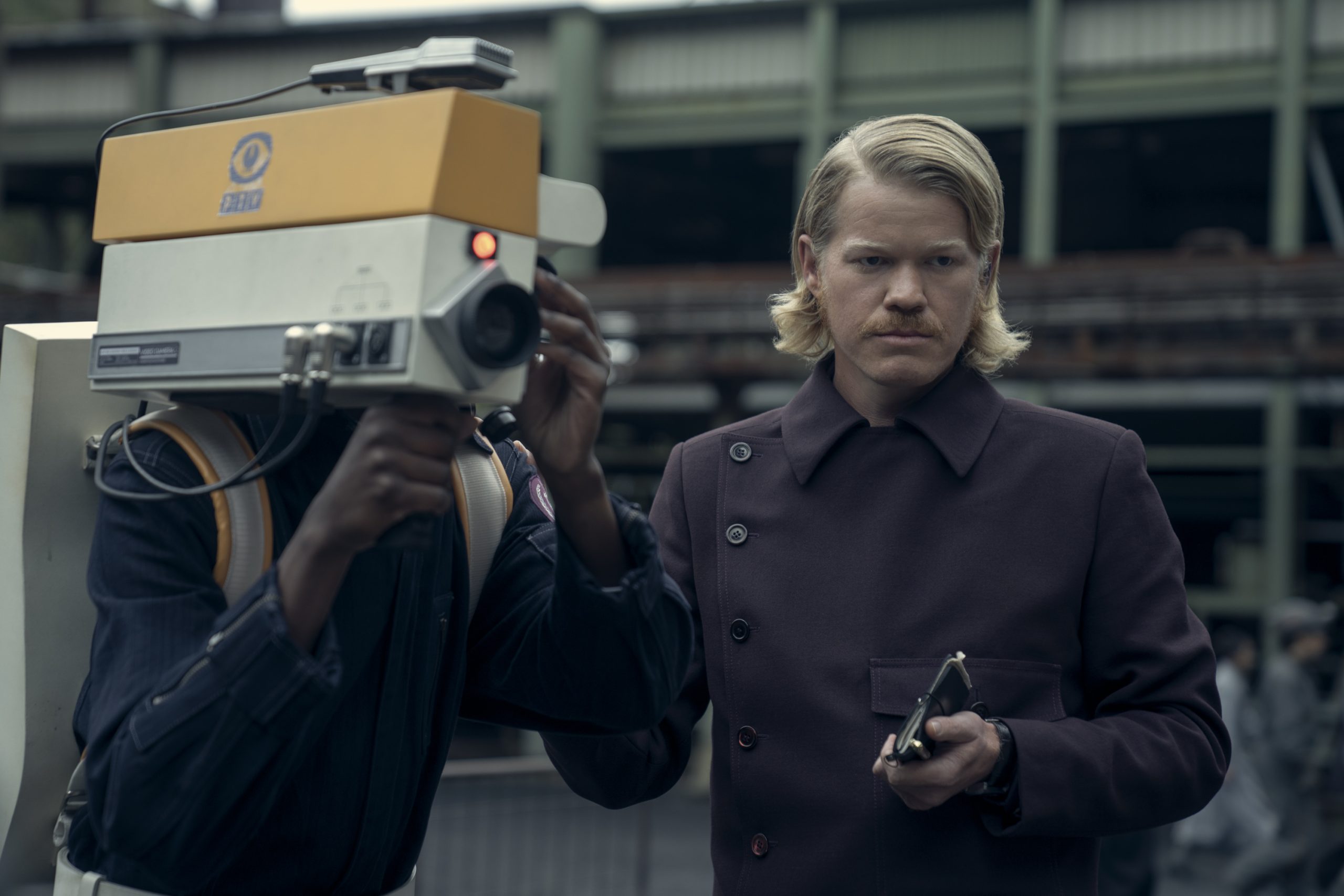
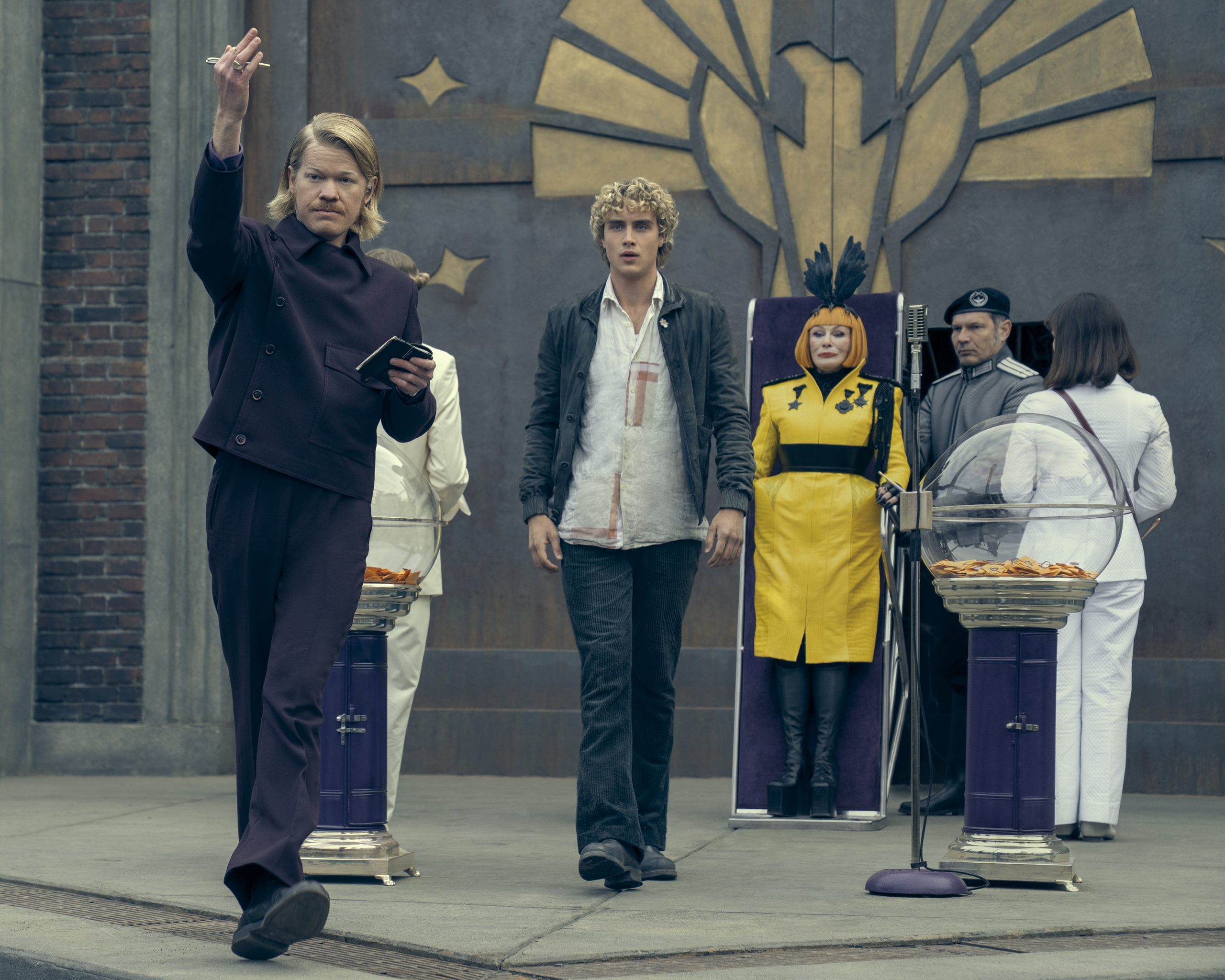
Glenn Close commands attention as Drusilla Sickle, while Jesse Plemons brings a quieter, calculating presence to the younger Plutarch Heavensbee. Ralph Fiennes makes President Snow every bit as intimidating as his reputation demands, and Elle Fanning brings a welcome personality to the younger Effie Trinket.
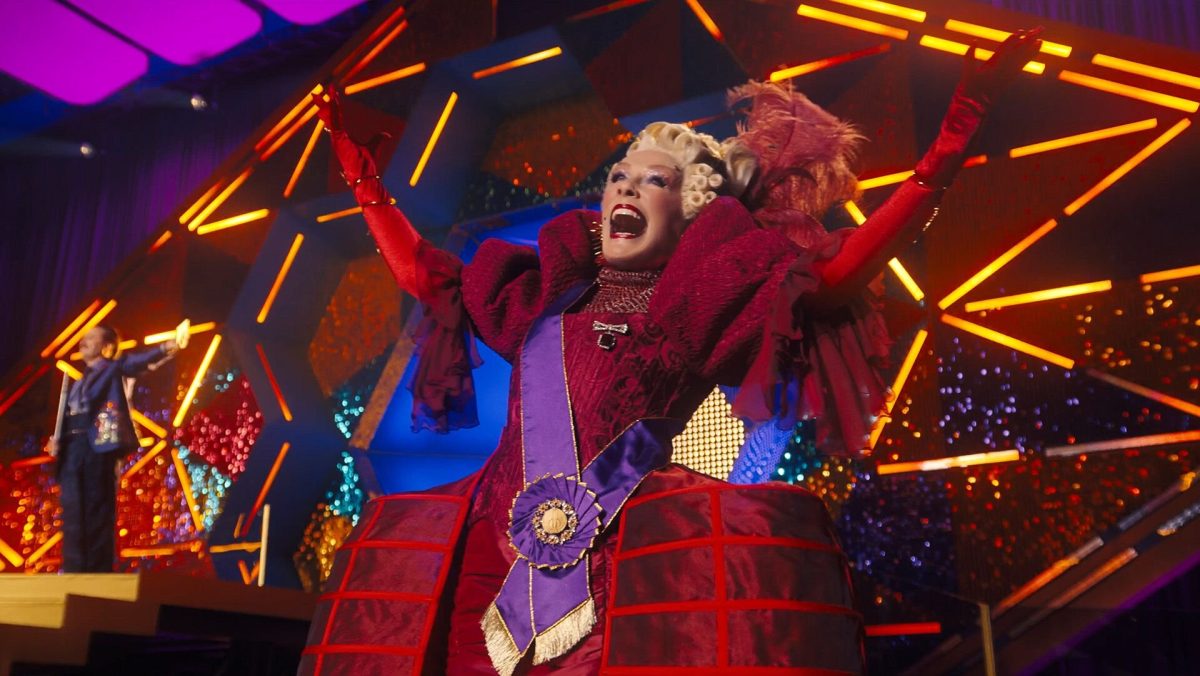
Whitney Peak also gives Haymitch’s relationship with Lenore Dove Baird an important emotional foundation, establishing what he stands to lose long before the full consequences of the Games become clear.
Not every performer receives an abundance of screen time, but that does not prevent them from leaving an impression. In fact, some of the film’s most effective moments belong to characters who appear briefly and still manage to make their presence felt.
That is the strength of this ensemble. Everyone contributes to the larger tragedy, even when the story only gives them a few minutes to do it.
Panem Has Never Looked More Beautiful or More Dangerous
Visually, Sunrise on the Reaping is absolutely stunning.
Cinematographer Jo Willems and the film’s production team create a world filled with vivid colors, incredible environmental detail, and striking contrasts between the different corners of Panem. The production design makes everything feel grander, but it is the deceptive beauty of the arena that truly stands out.
The setting is breathtaking, filled with lush greenery, vibrant flowers, and landscapes that almost invite you to forget what kind of movie you are watching. Of course, this is The Hunger Games, so anything that looks remotely peaceful probably deserves a second inspection.

That contrast between beauty and danger is one of the film’s greatest visual achievements. The environments are gorgeous, but the threat of violence is always present. It creates an unsettling experience where you can admire the scenery one moment and be horrified by what happens within it the next.
The costume design deserves considerable praise as well. The Capitol’s extravagant fashion remains an essential part of the franchise’s identity, with elaborate clothing and bold visual choices reinforcing the enormous divide between those controlling the Games and those forced to participate.
What makes the presentation especially impressive is how these elements work together. The cinematography, costumes, set design, and visual effects create a version of Panem that feels both familiar and newly realized.
This is absolutely an IMAX worthy experience. The scale of the environments, intensity of the action, and richness of the imagery deserve the largest screen possible.
Brutality, Heartbreak, and an Incredible Third Act
While the visuals are beautiful, the story itself is anything but comforting.
Sunrise on the Reaping is brutal and heartbreaking to the maximum. Doubling the number of tributes immediately creates a more overwhelming atmosphere, but the film understands that simply increasing the body count is not enough to make the experience meaningful.
The real impact comes from giving audiences reasons to care about the people caught in this nightmare.
That is where Francis Lawrence’s direction and the screenplay by Billy Ray and Michael Lesslie become especially effective. The characters have genuine relationships, small moments of humor, and opportunities to reveal themselves before the Capitol begins stripping everything away.
The film also understands that tragedy does not always arrive through enormous action sequences. Sometimes a quiet conversation or brief moment of hope can be just as devastating when you understand what these characters are facing.

The third act, however, is where everything comes together.
Without revealing the film’s biggest surprises, there are some absolutely insane moments in the closing stretch. Lawrence uses slow motion to tremendous effect, creating images that are simultaneously beautiful, intense, and emotionally overwhelming. Certain shots feel designed to stay with audiences long after the credits roll.
What makes those sequences work is that the spectacle never completely overwhelms the tragedy. The action is impressive, but the emotional consequences are what give it meaning.
The music also deserves recognition. James Newton Howard’s score complements the film’s escalating tension, returning to the familiar musical identity of the franchise while supporting its more intimate, painful moments.
By the time the story reaches its conclusion, the combination of performances, music, imagery, and emotional payoff is incredibly effective.
The Connections Make the Original Films Even Better
One of my favorite aspects of Sunrise on the Reaping is how intelligently it connects to the films that came before it.
There are recognizable characters, meaningful callbacks, and smaller details that reward longtime fans for paying attention. More importantly, these connections do not feel like references included simply to make audiences point at the screen.
They add context.
Characters we have known for years gain additional history, familiar relationships take on new meaning, and certain moments from the original films become more powerful once you understand what happened decades earlier.
I especially enjoyed seeing how the younger actors incorporate recognizable qualities from their characters’ older counterparts. Those connections help the entire franchise feel more complete.
There are also some fantastic surprises, and I strongly recommend avoiding cast lists and IMDb credits before watching. Sometimes even a quick search can reveal more than a trailer ever would. Let the film deliver those moments itself.

The ending is particularly rewarding in how it connects this chapter to the larger story. Without spoiling anything, it offers a sense of emotional completion that makes revisiting the original films even more appealing.
For a prequel, that is a tremendous accomplishment. Rather than simply explaining events audiences already know, Sunrise on the Reaping gives those events additional weight.
A Long Journey That Earns Every Minute
At 158 minutes, Sunrise on the Reaping certainly asks for a significant amount of your time. But unlike some lengthy blockbusters that leave you checking your watch, I found the experience completely worthwhile.
There are familiar franchise elements, particularly once the story enters the arena. Audiences who have followed every installment will recognize the structure, the political manipulation, and the cruel mechanics behind the Games.
Yet the film finds enough individuality in its characters and emotional stakes to keep those familiar elements compelling.
The expanded cast, elaborate production, and connections to the larger franchise give the story plenty of material to explore. More importantly, the movie understands that knowing where Haymitch eventually ends up does not take away the suspense. The question is not simply whether he survives, but what surviving will cost him.
And that question gives the entire film its emotional power.
Remembering Why We Loved The Hunger Games
I went into The Hunger Games: Sunrise on the Reaping wondering whether this franchise still had something meaningful to offer. I walked away reminded of everything that made it special.
Joseph Zada delivers an excellent interpretation of young Haymitch, while Mckenna Grace, Kieran Culkin, and a remarkable supporting ensemble make their moments count. Francis Lawrence brings incredible visual ambition to the film, creating one of the most beautiful and terrifying arenas in the series.
The costume design, cinematography, music, and production values are exceptional, and the third act delivers the kind of spectacle and heartbreak that makes the theatrical experience worthwhile.

But what impressed me most was how effectively the film reconnects audiences with the emotional foundation of the franchise. Beneath the Capitol’s extravagant presentation and the violence of the Games is a story about people fighting to preserve their humanity in a world determined to take it away.
Sunrise on the Reaping reminded me why I fell in love with The Hunger Games. It is visually breathtaking, emotionally devastating, and a powerful reminder that surviving the arena doesn’t mean escaping its consequences.
After all these years, I did not expect another journey to Panem to hit this hard.
Well done. And may the odds be ever in your favor, because your emotions certainly won’t be.
The Hunger Games: Sunrise on the Reaping opens in theaters and IMAX on November 20, 2026.

Editor-in-Chief | Owner
I’m a dedicated aficionado of all things movies, pop culture, and entertainment. With a passion for storytelling and a love for the silver screen, I’m constantly immersed in the world of cinema, exploring new releases, classics, and hidden gems alike. As a fervent advocate for the power of film to inspire, entertain, and provoke thought, I enjoy sharing my insights, reviews, and recommendations with fellow enthusiasts.