






From Peacock and “Ozark” co-creator Bill Dubuque, “M.I.A.” is a messy, violent, emotional and often wildly entertaining crime drama that leans heavily into revenge, found family and the chaos that comes with grief. Set against the neon-lit backdrop of Miami and the Florida Keys, the series blends cartel violence, family trauma and coming-of-age desperation into a binge-worthy ride that becomes stronger as the season progresses.
More importantly, this feels like the beginning of something much bigger.
The writing, world-building and emotional setup all leave you wanting more seasons, more stories and more time with these characters. Even when the series stumbles, it consistently keeps you invested because of the relationships, performances and layered storytelling underneath the violence.

At the center is Shannon Gisela as Etta Tiger Jonze, who delivers a breakout-level performance. Etta is not written as some flawless revenge machine who suddenly knows how to survive in the criminal underworld. She’s 21 years old, emotional, reckless and constantly making mistakes that hurt both herself and the people around her. That’s what makes the character compelling.
After the murder of her family pushes her into a revenge mission across Miami’s cartel underworld, Etta spends much of the season trying to convince herself she’s capable of navigating this life. Sometimes she succeeds. Many times she doesn’t. The series smartly allows those failures to define her growth rather than turning her into an unrealistic action hero overnight.
“M.I.A.” also understands the importance of environment. Miami is not simply a backdrop here; it genuinely feels like a living, breathing character throughout the series. From the yacht-lined coastlines and neon clubs to Little Haiti and the city’s layered immigrant communities, the show constantly embraces the energy, culture and tension of South Florida. The city adds personality and texture to nearly every scene.

The emotional core of the series ultimately comes from Etta’s relationship with Stanley and Lovely, played by Dylan Jackson and Brittany Adebumola. Their dynamic grounds the show whenever the larger cartel storyline starts drifting into over-the-top territory. Stanley, a quiet and neurodivergent Haitian immigrant who finds comfort in yacht rock and his cats, becomes one of the series’ most memorable characters. Jackson’s performance is unlike anything else currently on television. Stanley’s social discomfort, loyalty and unpredictability make him instantly engaging, while also offering meaningful representation that never feels forced or performative.
Lovely, meanwhile, serves as the emotional heart of the group. Her optimism and warmth balance Etta’s rage, helping create a believable found-family dynamic that becomes increasingly important as the season progresses. Together, the trio gives the show its strongest emotional material.
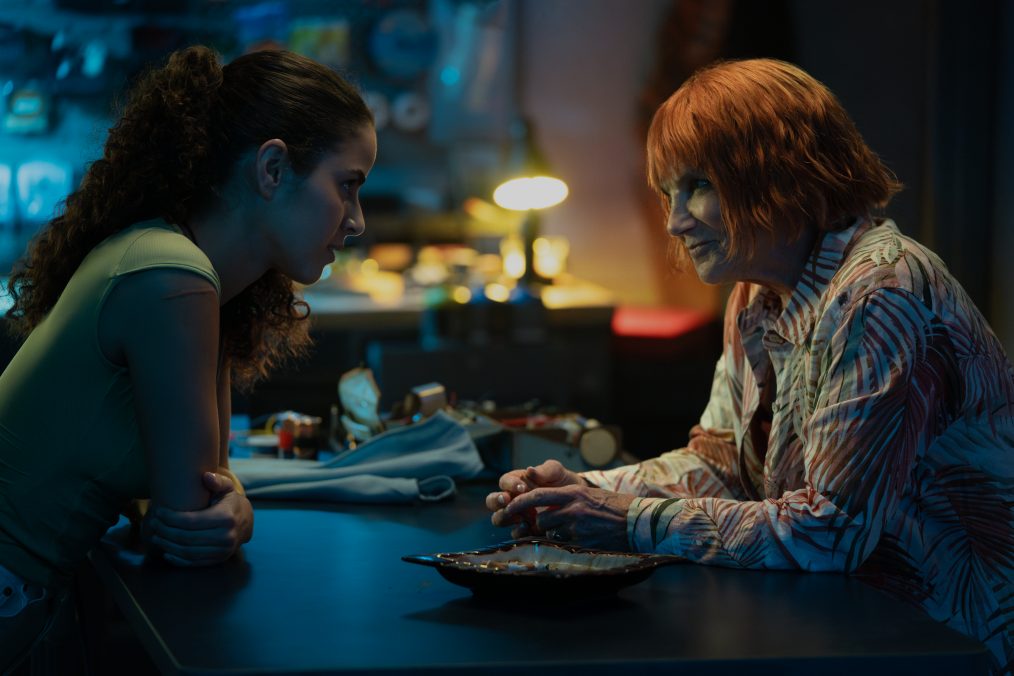
Another standout addition is Tovah Feldshuh as Lena, the owner of the Miami motel where Etta and her friends eventually find refuge and work. Lena quickly becomes far more than just a supporting character. As a daughter of Holocaust survivors and a former Mossad operative with a dangerous skill set of her own, she understands trauma, survival and vengeance in ways Etta desperately needs. Feldshuh brings wisdom, toughness and emotional gravity to the role, creating one of the show’s most compelling mentor dynamics. Her warning to Etta that “twelve is too many for one girl” becomes one of the defining emotional anchors of the season.

Another major standout is Danay Garcia, who essentially plays multiple versions of two different characters across timelines and twin reveals. Episode 6, “Original Sin,” is where the series truly levels up emotionally and structurally, largely because of Garcia’s work. It’s some of the best material she has ever been given, and she absolutely delivers. The episode expands the family trauma driving the series while adding new context to Etta’s journey without completely losing the show’s momentum.
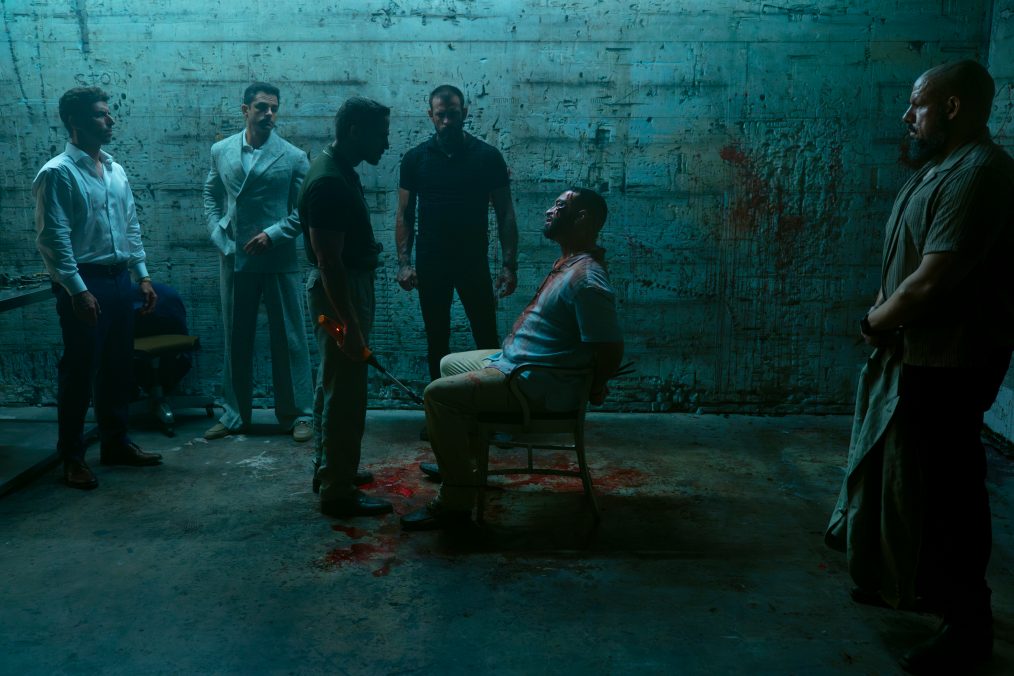
The villains also help establish the show’s tone early. The Rojas cartel family is brutal, violent and often morally fractured within their own internal power struggles. Alberto Guerra especially brings complexity to Elias, a cartel enforcer navigating grief, loyalty and survival within a collapsing criminal empire. The family dynamics among the antagonists help elevate the material beyond a standard revenge thriller.
At times, “M.I.A.” absolutely leans into soapier and more exaggerated storytelling. Certain twists require viewers to suspend disbelief, and the pacing occasionally drifts, particularly in the middle stretch of the season. Some plot threads take longer than necessary to fully come together, and there are moments where the narrative meanders before regaining momentum. But once the show embraces its chaotic crime-thriller identity, it becomes far more entertaining.
The back half of the season is significantly stronger than the opening episodes. Episode 6 becomes a major turning point, while Episodes 7 through 9 finally start delivering the larger-scale emotional payoffs, violence and momentum the series had been building toward. Shootouts, betrayals, knife fights and emotional revelations all begin colliding in ways that make the final stretch much more gripping.
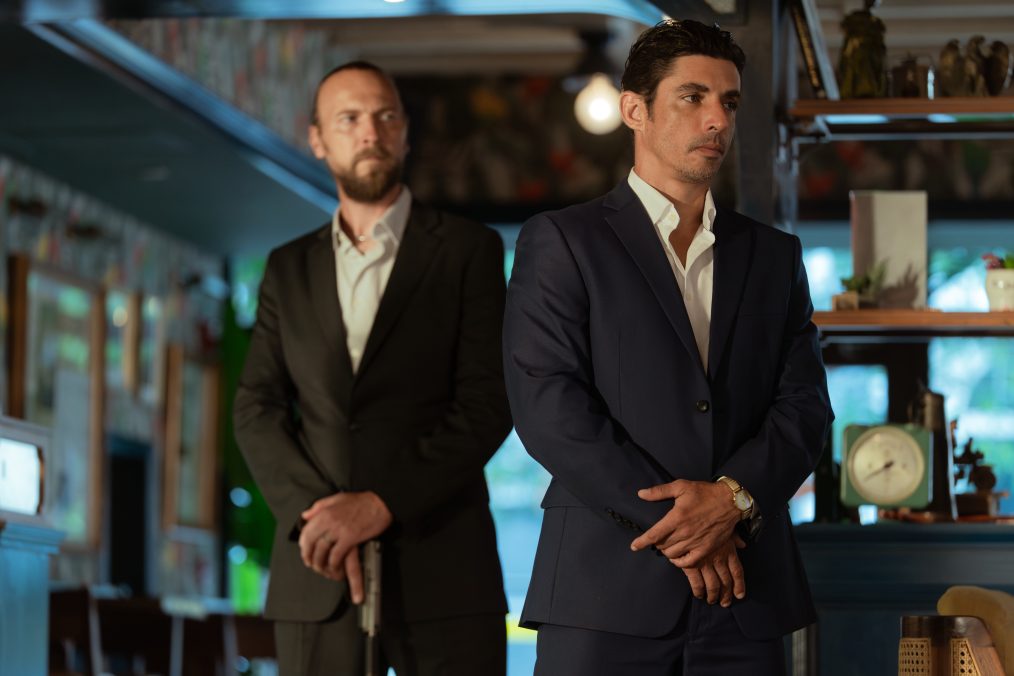
There’s also a surprising amount of heart underneath all the violence. The series consistently returns to themes of grief, identity, loyalty and survival. Etta’s revenge mission slowly transforms into something larger about rebuilding herself while also protecting the people she accidentally brings into danger.
Visually, the show thrives in its neon-soaked atmosphere and late-night Miami energy. The direction and cinematography do a strong job balancing grounded crime drama with heightened pulp-thriller aesthetics. The soundtrack choices, yacht rock moments and cultural references also give the series a personality that separates it from many generic streaming crime dramas.
While not every storyline fully lands, “M.I.A.” succeeds because of its characters, performances and emotional ambition. It’s uneven at times, but it’s never boring. More importantly, it leaves enough unanswered questions, fractured relationships and emotional fallout to make future seasons feel completely earned.
Game Over? Not Even Close
“M.I.A.” may not perfectly balance every piece of its revenge thriller, cartel drama and found-family storytelling, but it absolutely delivers an entertaining, emotional and binge-worthy crime series that feels built for expansion. Between its strong ensemble cast, layered emotional arcs and neon-soaked Miami atmosphere, Peacock may have quietly built the foundation for its next long-running crime drama hit.

Editor-in-Chief | Owner
I’m a dedicated aficionado of all things movies, pop culture, and entertainment. With a passion for storytelling and a love for the silver screen, I’m constantly immersed in the world of cinema, exploring new releases, classics, and hidden gems alike. As a fervent advocate for the power of film to inspire, entertain, and provoke thought, I enjoy sharing my insights, reviews, and recommendations with fellow enthusiasts.