


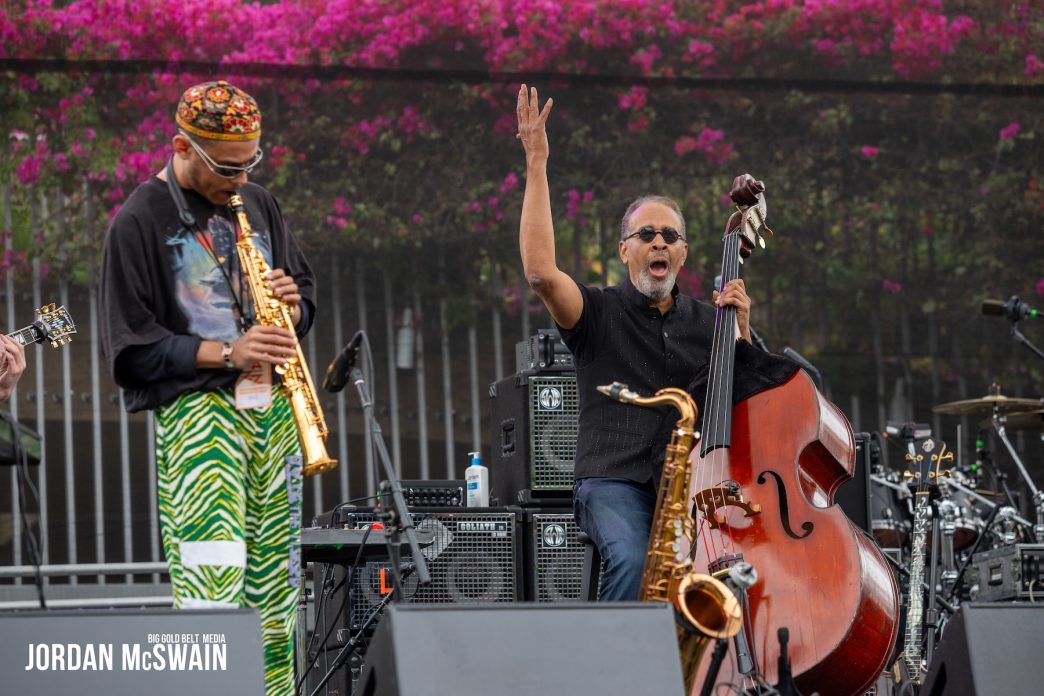
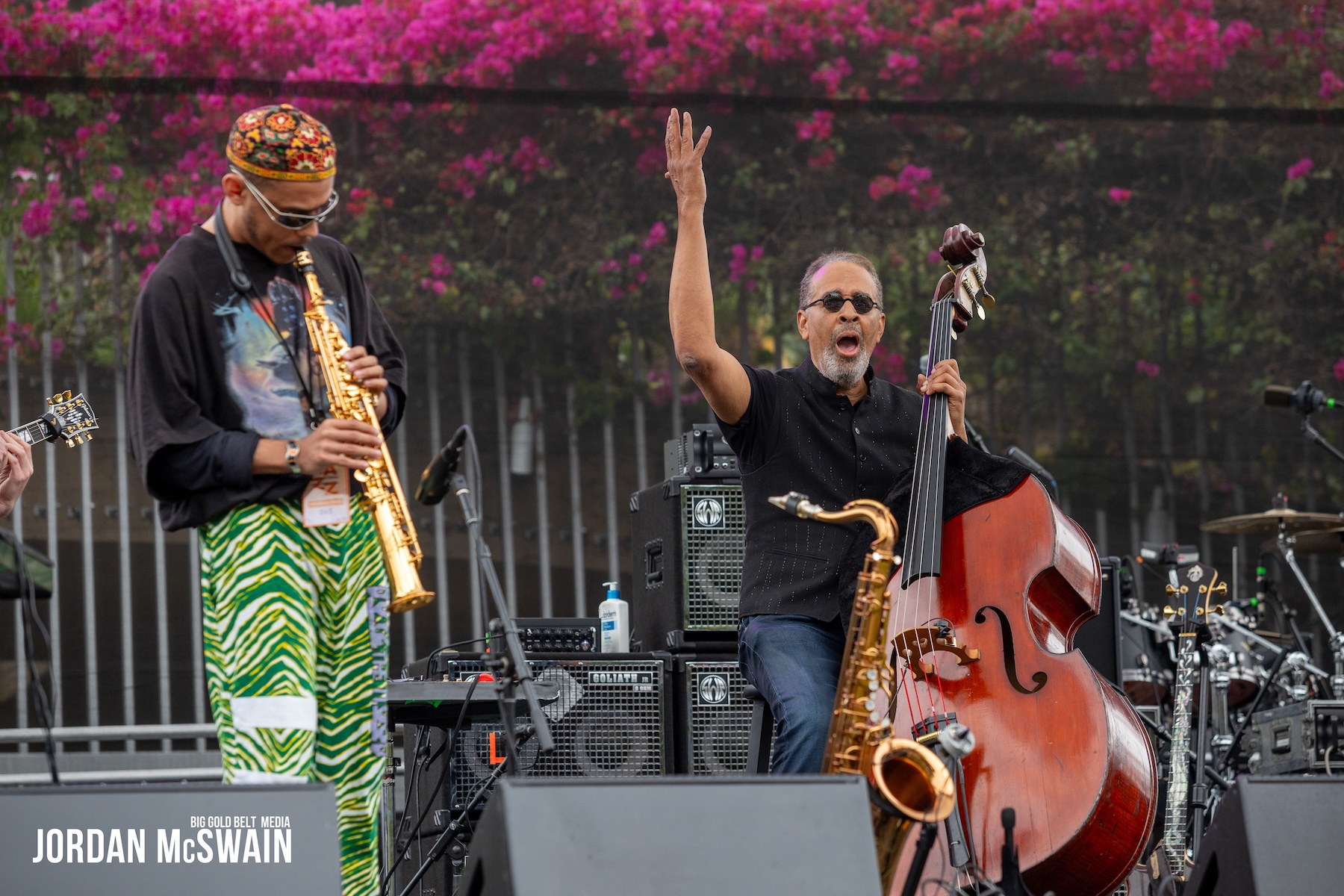

Last weekend, the coastline of Santa Monica completely transformed. The Santa Monica Jazz Festival became a living celebration of community, history, and cultural expression. It was a welcome reminder that jazz is not simply music, but one of the most important artistic contributions born from Black America.
Keeping Jazz Alive and Kicking
At the center of that energy were powerhouse performances from Kamasi
Washington and Keyon Harrold, two artists who continue pushing jazz into new
generations while honoring the legacy that built it.


Washington’s presence felt monumental from the moment he stepped on
stage. His sound carries the weight of spiritual jazz history while still feeling
modern, cinematic, and deeply rooted in Los Angeles culture. Watching him
perform beside the Pacific Ocean felt uniquely Southern California; it was expansive, soulful, and communal.
His compositions moved between explosive crescendos and deeply reflective moments, creating an atmosphere that united longtime jazz listeners with younger audiences discovering the genre in real time. Looking at the crowd you can tell there were many musicians watching in attendance that appreciated what was taking place.
Musicians like Terrace Martin and Tatiana Tate helped bring the performance
alive. Martin, who in his own right could have easily done a solo performance during the festival, matched Washington’s style and energy, creating a dynamic duo.


For many in attendance, Washington symbolized a resurgence of Black jazz artistry in contemporary culture. At a time when mainstream music often moves at the speed of trends, his work insists on depth, musicianship, and cultural memory.
Invoking Something Deeper Through Rhythm
As more people filled in as the day went on, you could feel the sense of anticipation for Washington’s performance. Makes you pause for a second to take it in, closing your eyes and feeling the breeze from the ocean. His performance at the festival reminded audiences that jazz remains alive because artists continue to evolve it without disconnecting from its roots.
Harrold brought a different but equally powerful energy to the festival. His
trumpet work blended jazz tradition with influences from hip-hop, soul, and
modern R&B, reflecting the way Black music constantly reinvents itself across
generations as it also remains the most sought after.
Growing up in the DMV area (DC, Maryland, Virginia), I remember concerts in the park, how go-go infused jazz into the music, showcasing many musical talents that increased my desire for great performances. Santa Monica Jazz Festival gave that same vibe. Watching the aunties, uncles and younger generations in their best fits, creating a vibration that hasn’t been felt in Tongva Park before. Harrold’s tone carried both elegance and urgency, cutting through the ocean air with emotion that felt intimate, soothing and reassuring.
Together, these performances highlighted an important truth: Black jazz
emergence is not a revival because the culture never disappeared. How could it
with the caliber of artists that performed? Instead, artists like Washington and
Harrold are expanding jazz’s visibility for new audiences while reclaiming space for
Black creative excellence within major cultural conversations.
The Perfect Setting for Jazz to Come to Life
What made the Santa Monica Jazz Festival especially significant was its setting.
Santa Monica is internationally recognized for its beaches, tourism, and coastal
lifestyle, but festivals like this deepen the city’s cultural identity. The event created
a bridge between the local beach community and the rich traditions of Black
American music, bringing together residents, families, tourists, photographers,
musicians, and longtime jazz fans into one shared space.
In a city often associated with wellness culture and entertainment, the festival
offered something more rooted: collective experience. People weren’t just
watching performances, they were participating in cultural preservation. Jazz
has always thrived in community spaces, from New Orleans streets to Los Angeles
clubs, and this festival carried that same spirit onto the shoreline.
There was also something powerful about hearing jazz near the water. It almost felt like a spiritual awakening, connecting you to long, rich history in a way most musical genres don’t do. Children danced, older couples swayed to the rhythms, and younger crowds captured moments on phones while still being fully present in the music. There were young musicians in the crowd critiquing the different sounds that are being heard. That blend of generations reflected jazz’s continuing evolution.

Stanley Clarke’s performance reminded you why he is who he is. One of the best
to ever do it. He helped introduce younger musicians to the Santa Monica community that may not know who they are yet. He gave a platform for artists to show what they got.
Final Thoughts
The Santa Monica Jazz Festival ultimately became more than a weekend event. It
stood as a statement about the importance of accessible art, cultural gathering
spaces, and the continued influence of Black musicians shaping American sound.
Through artists like Washington and Harrold, audiences were reminded that jazz is still expanding, still challenging, and still bringing people together.
On the beach last weekend, jazz did exactly what it has always done at its best:
tell a story of resilience, creativity, and community. According to Clarke on stage,
the festival will be coming back to Santa Monica next year. One can only imagine the future line-ups that will continue to push Jazz culture forward.


Publishing articles on film, television, and pop culture articles inclusive entertainment